








 Contact Platform Support
 Help Center
Slow Closing Butterfly Check Valve for Pump Outlet and Marine Pipeline Protection
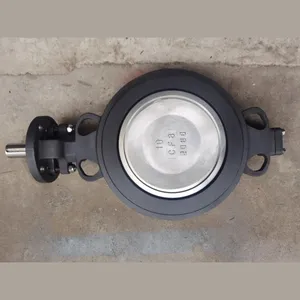
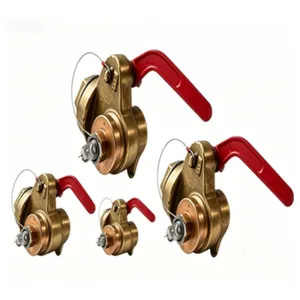
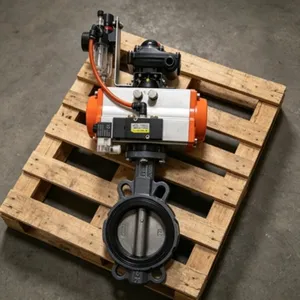
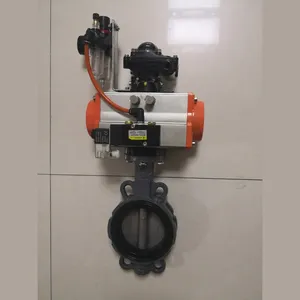
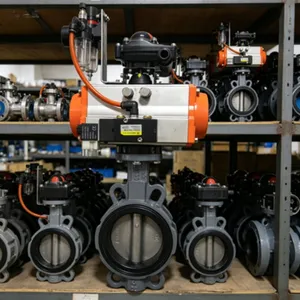
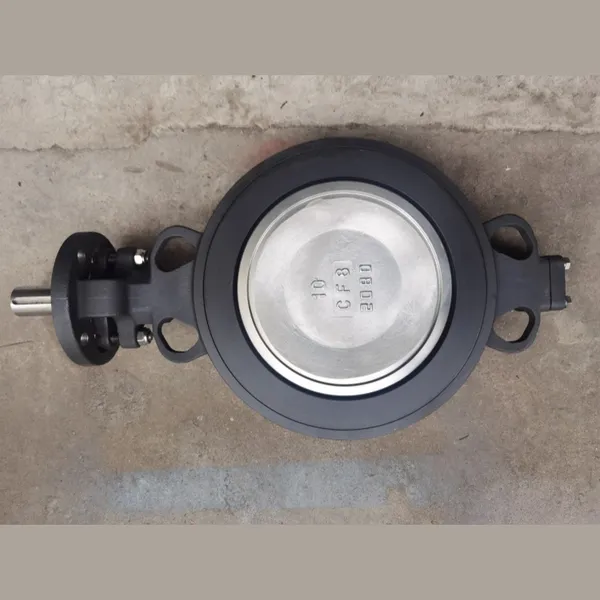
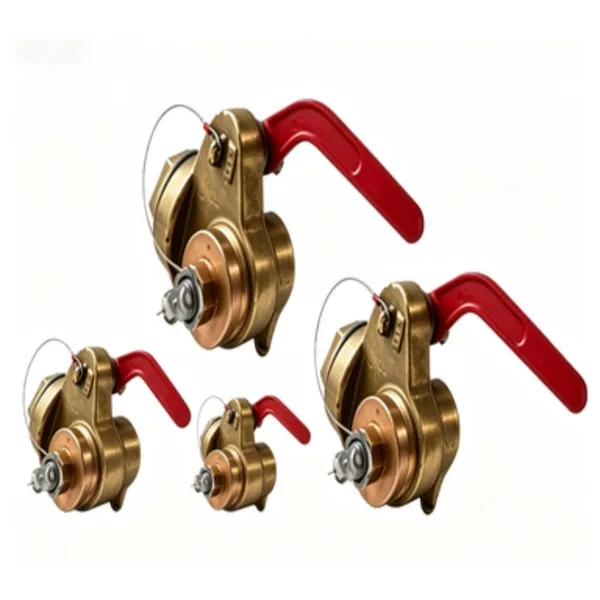
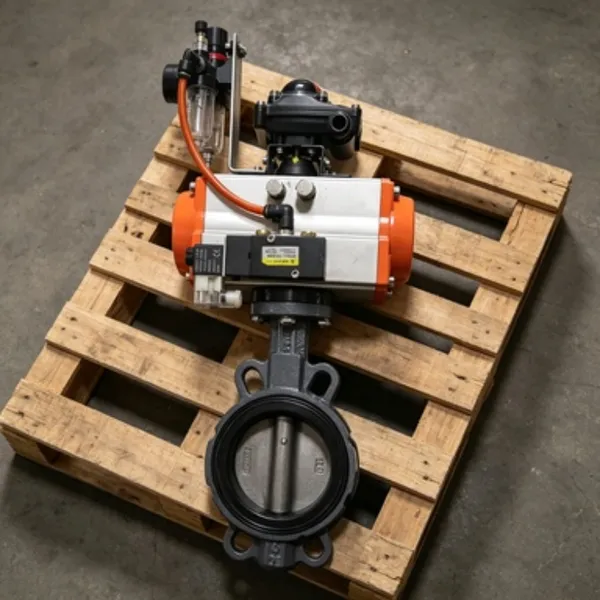
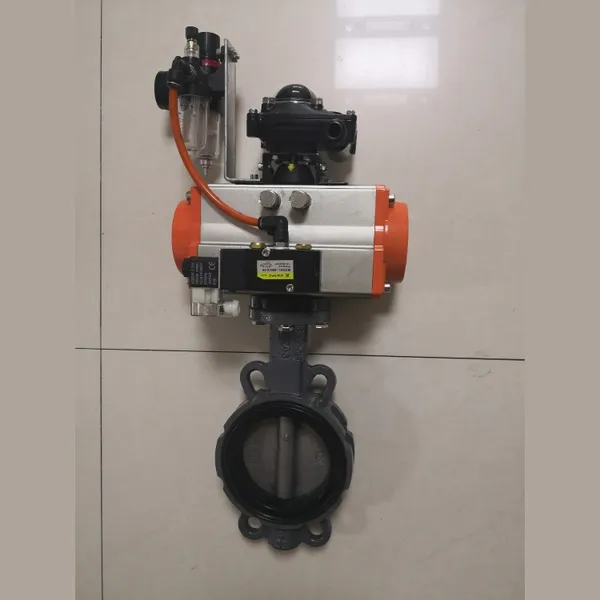
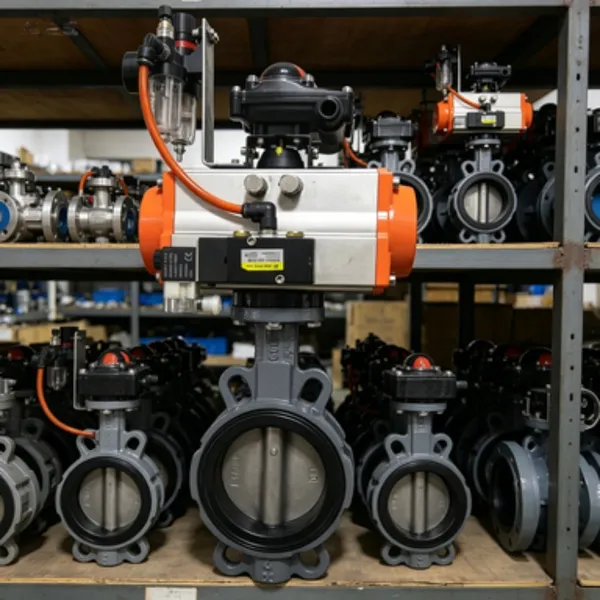
Product Spotlights



Related Products
-
 PN16 Class 150 Wafer Type Dual Plate Check Valve in Cast Steel for Marine Pipeline SystemsNegotiableMOQ: 1 Unit
 -
Marine Butterfly Check Valve With Rubber-Lined Seat for Corrosive Media Handling, ANSI StandardNegotiableMOQ: 1 Unit
-
Marine Wafer Check Valve With 12-Month Warranty Against Manufacturing Defects and LeakageNegotiableMOQ: 1 Unit
-
Heavy-Duty Wafer Butterfly Check Valve for Offshore Platform Seawater Intake and Firefighting MainsNegotiableMOQ: 1 Unit
-
Standard-Compliant Marine Butterfly Check Valve With Available Technical Support for System IntegrationNegotiableMOQ: 1 Unit
As a dedicated manufacturer with ISO 9001 certified production processes, Shanghai Zhibang Valve Manufacture Co., Ltd. specializes in engineering reliable fluid control solutions for demanding industrial and marine applications. Our Slow Closing Butterfly Check Valve is specifically designed to address the critical need for pipeline and pump protection, preventing damaging water hammer and pressure surges. By integrating a controlled, gradual closing mechanism into a robust butterfly check valve design, we offer a superior alternative to standard swing or wafer check valves, ensuring system longevity and operational safety. This valve is an essential component for engineers and project managers looking to safeguard their investments in pumping systems and marine pipelines against costly failures.
The core innovation of this valve lies in its slow-closing hydraulic damping system. Unlike conventional check valves that slam shut, potentially creating destructive pressure waves, our valve closes smoothly and predictably. This feature is paramount for:
- Eliminating Water Hammer: The controlled closure drastically reduces the risk of pressure surges that can burst pipes, damage fittings, and compromise pump integrity.
- Protecting Pump Equipment: Prevents reverse rotation and bearing damage in pumps by managing backflow energy effectively.
- Reducing System Stress: Minimizes mechanical shock on the entire pipeline network, leading to lower maintenance costs and extended asset life.
Constructed for durability in challenging environments, the valve offers flexible material configurations. The standard body is ductile iron with epoxy coating, while the disc and stem are typically stainless steel. Seats are available in various elastomers like EPDM for freshwater or NBR for oil-based fluids, with PTFE options for chemical resistance. The valve's compact, wafer or lug-style design allows for easy installation between flanges, saving space and weight—a critical advantage in marine applications.
Key Technical Specifications & Advantages:
| Feature | Specification / Benefit |
| Closing Time | Adjustable (typically 3-60 seconds), allowing customization for specific system inertia. |
| Cracking Pressure | Low, ensuring minimal pressure loss during forward flow and sensitive response to flow reversal. |
| Installation Orientation | Can be installed in horizontal or vertical pipelines (flow direction upward). |
| Maintenance | In-line maintenance possible on many models; seat and disc can often be replaced without removing the valve body. |
For marine pipeline protection, this valve is indispensable. It secures ballast systems, cooling water lines, fire mains, and fuel transfer lines aboard vessels and offshore platforms. Its corrosion-resistant material options and reliable operation under variable sea conditions make it a trusted choice for naval architects and marine engineers.
Backed by nearly a decade of manufacturing expertise and an annual export value reflecting consistent global demand, Shanghai Zhibang stands behind the quality and performance of every valve we produce. Our products reach critical markets across North America, Europe, Asia, and beyond, proving their reliability in diverse applications. Choosing our Slow Closing Butterfly Check Valve means investing in system safety, reduced downtime, and long-term cost savings. Contact us today to discuss your specific requirements, request detailed CAD drawings, or learn more about our customization options to perfectly match your project's needs.
Frequently Asked Questions (FAQ)
Q1: How does the 'slow closing' mechanism work in this butterfly check valve?
A1: The valve incorporates a hydraulic damping cylinder or an external oil dashpot attached to the disc shaft. When forward flow stops and reverse flow begins, this mechanism regulates the disc's rotation speed, ensuring a gradual, controlled closure instead of an instantaneous slam.
Q2: Can this valve be used in both freshwater and seawater applications?
A2> Yes, absolutely. The valve's suitability is determined by the material selection. For seawater or highly corrosive environments, we recommend specifying a body material like super duplex stainless steel and seat materials like EPDM or PTFE. Our team can guide you on the optimal material combination.
Q3: What is the main difference between this valve and a standard swing check valve?
A3: The primary difference is the closing action. A swing check valve closes by gravity and flow reversal, often resulting in a violent slam. Our butterfly check valve closes with a controlled, damped motion, actively preventing water hammer. It also typically has a more compact design and lower pressure drop.
Q4: Is the closing time adjustable, and how is it done?
A4: On many models, the closing speed is adjustable. This is usually achieved by adjusting a needle valve on the hydraulic damping device, which controls the rate of oil bypass, thereby setting the closure speed from a few seconds to a minute.
Q5: What are the typical installation requirements for this valve?
A5: The valve is designed for installation between ANSI or DIN standard flanges. Adequate straight pipe length upstream and downstream (typically 5-10 pipe diameters) is recommended for optimal flow conditions. It must be installed with the correct flow direction, clearly marked on the valve body.
Q6: Do you offer custom sizes or pressure ratings outside your standard range?
A6: As a manufacturer, we have the capability for customization. Non-standard sizes, special pressure classes (e.g., PN25, Class 300), or unique material grades can be discussed and engineered based on your project specifications and quantities.
Q7: How do I determine the correct size valve for my pump outlet?
A7> The valve size should generally match the pipe diameter at the pump discharge. However, a detailed selection requires knowledge of the flow rate, fluid type, pump shut-off head, and system dynamics. Providing these details allows our engineers to recommend the most suitable size and model.
Q8: What kind of maintenance does this valve require?
A8: Maintenance is minimal. Periodic inspection of the external damping mechanism (if equipped) and checking for leaks is recommended. The internal components (disc, seat) are wear parts but are designed for long service life. Their replacement interval depends on operating conditions and can be done in-line on most designs.

Send Inquiry to This Supplier



You May Also Like
-
DN200 Marine Check Valve With Lever and Weight for Vertical Pipe Installation, API 594 CompliantNegotiableMOQ: 1 Unit
-
Marine Wafer Check Valve for Bilge and Ballast Systems, Epoxy Coated for Extended Service LifeNegotiableMOQ: 1 Unit
-
Marine Butterfly Valve for Offshore Platform Chemical Dosing and Acid Handling SystemsNegotiableMOQ: 1 Unit
-
DN80-DN500 Marine Rubber Lined Butterfly Valve, Lever/Gear/Actuator OperatedNegotiableMOQ: 1 Unit
-
Corrosion-Resistant Marine Butterfly Valve for Offshore Platform Seawater IntakeNegotiableMOQ: 1 Unit
-
PN10/PN16 Marine Rubber Lined Butterfly Valve, Ductile Iron Body, 316 Stainless Steel StemNegotiableMOQ: 1 Unit
-
Standard Compliant Marine Butterfly Valve With Technical Support and Spare Parts AvailableNegotiableMOQ: 1 Unit
-
Fire-Safe Design Marine Butterfly Valve With Rubber Lining and Metal Seat BackupNegotiableMOQ: 1 Unit
-
Marine Desulfurization Tower Butterfly Valve With Extended 2-Year Warranty on Seal AssemblyNegotiableMOQ: 1 Unit
-
DN50-DN600 Marine Pneumatic Actuated Butterfly Valve With Explosion Proof OptionNegotiableMOQ: 1 Unit


