








 Contact Platform Support
 Help Center
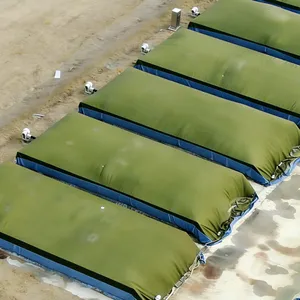
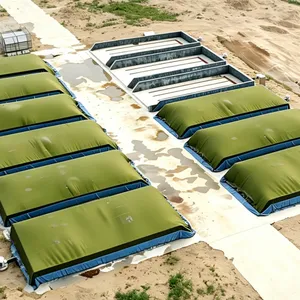
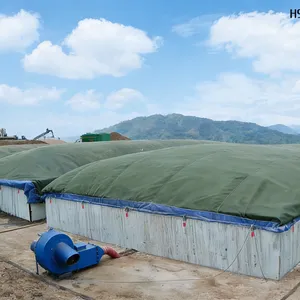
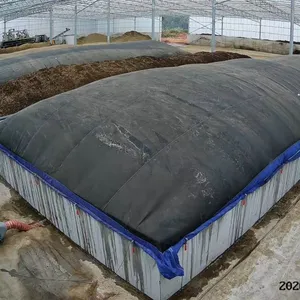
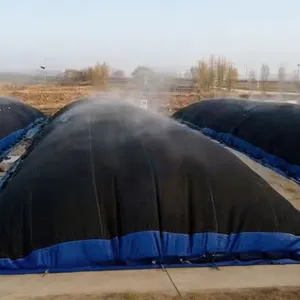
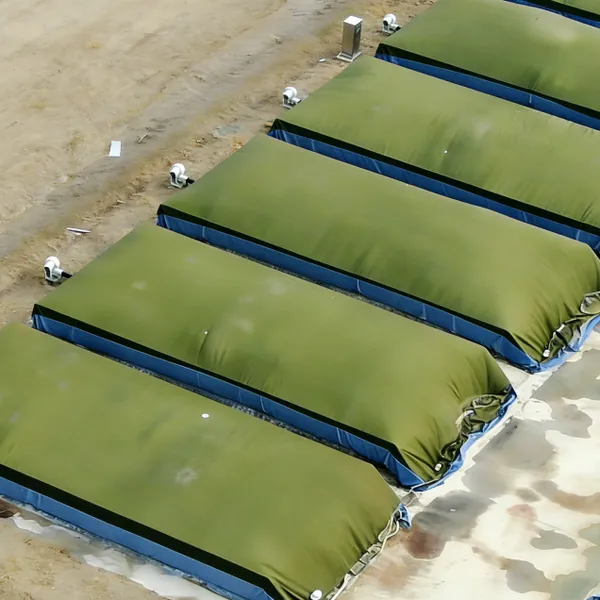
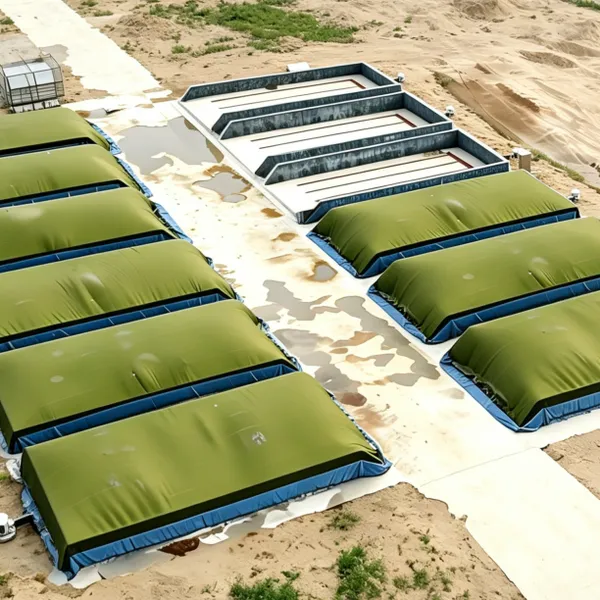
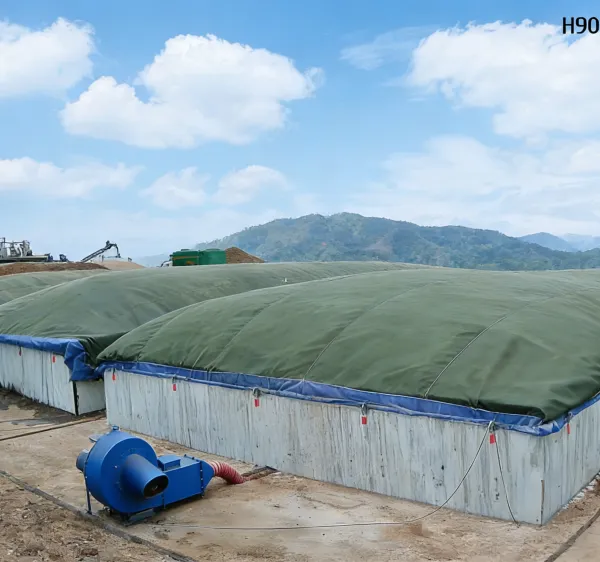
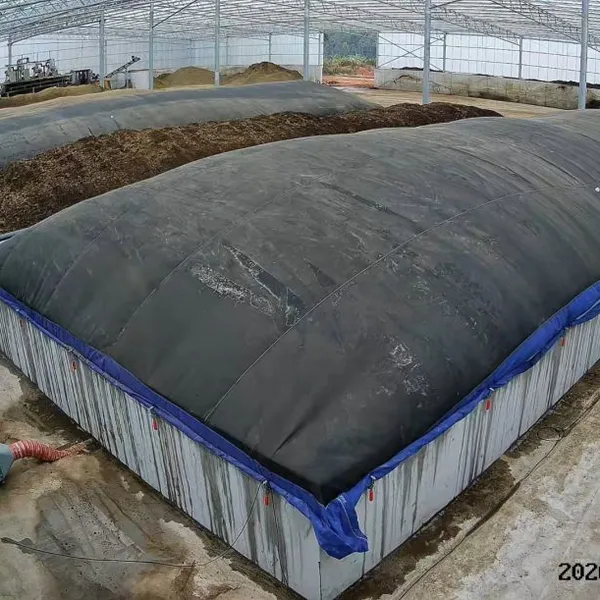
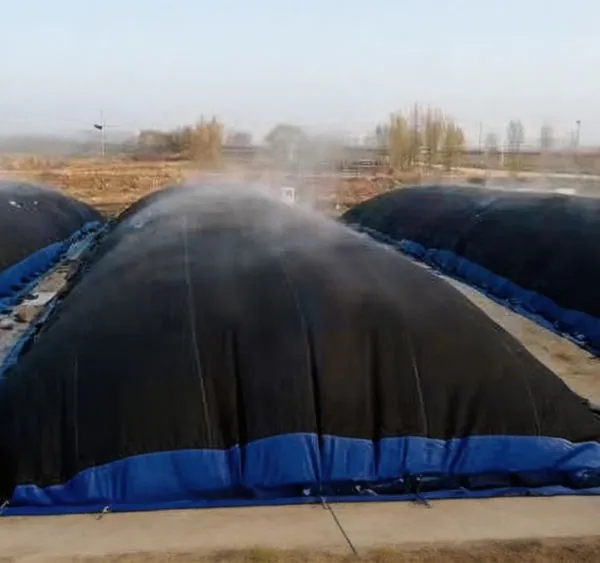
Domestic Waste Aerobic Fermentation Organic Covering EPTFE Semi-permeable Membrane System of Jiguang

Product Spotlights



Related Products
-
 Domestic Waste Aerobic Fermentation Organic Covering EPTFE Semi-permeable Membrane System of JiguangUS$ 3000MOQ: 1 Set
 -
Domestic Waste Aerobic Fermentation Organic Covering EPTFE Semi-permeable Membrane System of JiguangUS$ 3000MOQ: 1 Set
-
Domestic Waste Aerobic Fermentation Organic Covering EPTFE Semi-permeable Membrane System of JiguangUS$ 3000MOQ: 1 Set
-
Domestic Waste Aerobic Fermentation Organic Covering EPTFE Semi-permeable Membrane System of JiguangUS$ 3000MOQ: 1 Set
-
Domestic Waste Aerobic Fermentation Organic Covering EPTFE Semi-permeable Membrane System of GegoodUS$ 3000MOQ: 1 Set
gegood@hotmail.com
Qingdao Jiguang Environmental Energy Technology Co., Ltd. (hereinafter referred to as "Jiguang Technology") was established on January 30, 2019, located in Laoshan District, Qingdao. Since its inception, the company has been dedicated to the research, technical optimization, and promotion of China's "membrane-covered fermentation technology". It has successively partnered with nearly a hundred enterprises and institutions, including New Hope Liuhe, Yili, Changchun Agricultural Machinery Research Institute, Agricultural Expo Park, and Nanjing University of Technology, and is responsible for project implementation. During this period, a total of over 1,200 sets of equipment have been promoted, installed, and debugged, and projects in Malaysia and the Philippines have also been implemented. Through nearly six years of technology promotion and application, "membrane-covered fermentation technology" has become a widely accepted aerobic fermentation technology in China. Due to its technical characteristics such as low investment, simple operation, low energy consumption, and "zero" maintenance, it has been widely applied in China and promoted as a key agricultural technology in various regions.
1. Environmentally friendly, with no odor emitted, and no need to add bacterial agents for fermentation.
2. Easy to operate, intelligent, and unattended.
3. Low energy consumption, utilizing low-pressure, low-energy fans for intermittent operation.
4. "0" failure, no maintenance required, simple system.
5. The product boasts high quality. Through prolonged high-temperature fermentation, the organic fertilizer achieves a high degree of maturity and effective sterilization.
Raw materials used: household waste, livestock manure, sludge, and straw.
Organic Household Waste Composting Treatment Covered with ePTFE Semi-permeable Membrane
1. Overview
This technology refers to an efficient, low-carbon and odor-controllable aerobic composting process for kitchen waste, fruit and vegetable residues and other organic household waste, adopting expanded Polytetrafluoroethylene (ePTFE) semi-permeable membrane as the closed covering material for composting piles. Different from traditional open-air composting and plastic-film covered composting, it builds a stable micro-fermentation environment for organic waste biodegradation via the unique selective permeability of ePTFE microporous membrane, realizing harmless treatment, volume reduction, resource recycling and low-emission disposal of domestic organic waste. It is a mature decentralized and centralized waste treatment technology suitable for residential communities, municipal waste disposal stations and rural domestic waste treatment scenarios.
2. Core Principle of gegood® ePTFE Semi-permeable Membrane
The gegood® ePTFE membrane is a functional microporous polymer material with uniform micro-pore structure (pore size: 0.2-0.4 μm). Based on molecular diameter screening principle, it achieves unidirectional selective gas and moisture permeability: small molecules including water vapor, oxygen and carbon dioxide produced by microbial fermentation can freely penetrate the membrane; while large molecules such as ammonia gas, hydrogen sulfide and volatile odor compounds, pathogenic bacteria, dust and insect eggs are effectively intercepted and sealed inside the composting system. Meanwhile, the membrane features waterproof, rainproof, UV-resistant and anti-corrosion physical properties, isolating external rainwater, sundries and extreme ambient temperature from disturbing internal compost fermentation.
3. Technological Process
Pretreatment: Sorting, impurity removal, crushing and moisture regulation of collected organic household waste to meet microbial aerobic fermentation conditions;
Pile Building & Aeration: Stack pretreated organic waste into aerobic compost windrows, match with bottom micro-aeration pipeline to supply uniform oxygen for flora reproduction;
ePTFE Membrane Sealing Covering: Cover the whole compost windrow tightly with tailored ePTFE semi-permeable membrane to form a closed controlled fermentation cabin;
Constant-temperature Aerobic Fermentation: Thermophilic microorganisms decompose organic matter rapidly under constant temperature and humidity environment; waste stabilization, humification and pathogen inactivation are completed within 15-25 days;
Compost Maturation & Reuse: After fermentation, mature organic compost is obtained, which can be used as ecological soil conditioner, garden fertilizer and agricultural organic fertilizer.
4. Key Technical Advantages
4.1 Excellent Odor & Pollutant Control
The gegood® membrane blocks over 95% of malodorous gas emissions and ammonia nitrogen volatilization during composting, eliminating peripheral odor pollution without supporting deodorization equipment; it avoids secondary air pollution and meets municipal environmental emission standards for domestic waste treatment sites.
4.2 Stable & Efficient Composting Fermentation
The membrane locks internal fermentation heat and balances moisture content, resisting low temperature in winter and high temperature & rainwater erosion in summer. It shortens compost maturation cycle by 30% compared with open composting, improves organic matter degradation efficiency and kills parasite eggs and harmful pathogens thoroughly to achieve sanitary harmlessness.
4.3 Low Operation & Maintenance Cost
Abandons complex deodorization exhaust system and high-power ventilation equipment; the gegood® ePTFE membrane boasts long service life (5-8 years), strong wear resistance and UV aging resistance, with low later-stage replacement and labor management cost. The whole system saves land occupation and energy consumption greatly.
4.4 High Resource Utilization Rate
It reduces nitrogen element loss during fermentation, increases organic matter and humus content of finished compost, and produces high-quality humic organic fertilizer. The waste volume reduction rate reaches over 60%, realizing circular resource utilization of household organic waste.
4.5 Eco-friendly & Site-adaptive
No chemical additives are added in the whole process; the membrane covering structure is flexible, applicable to scattered community treatment sites and large-scale municipal composting plants, with no limit on site terrain and scale.
5. Application Value & Prospect
This gegood® ePTFE membrane-covered composting technology solves the core pain points of traditional organic household waste composting including severe odor, seasonal instability, low fertilizer quality and site environmental pollution. It aligns with global waste classification, low-carbon waste disposal and circular economy development goals. As a green decentralized waste treatment technology, it is widely promoted in urban domestic waste classification treatment, rural domestic organic waste disposal, residential community on-site waste reduction and urban landscape soil improvement projects, providing a sustainable, low-carbon and efficient solution for source reduction and resource recycling of organic household waste.
6. Core Keywords
Gegood® ePTFE semi-permeable membrane; organic household waste; aerobic composting; odor control; waste resource utilization; solid waste treatment; aerobic fermentation
Fermenting Animal Manure into Organic Fertilizer Using ePTFE Semi-permeable Membrane
Abstract
With the rapid expansion of intensive livestock and poultry breeding industries globally, massive accumulated animal manure triggers severe environmental pollution, soil degradation and resource waste. Conventional open-air composting and sealed tank fermentation methods suffer from prominent drawbacks including severe odor emission, nutrient loss, unstable fermentation temperature, long curing cycle and low finished fertilizer quality. Expanded Polytetrafluoroethylene (ePTFE) semi-permeable membrane, a novel microporous polymer functional material, has been widely applied in aerobic manure fermentation and organic fertilizer production in recent years. This paper systematically introduces the material properties, working mechanism, standardized fermentation process, core advantages and industrial application prospects of ePTFE semi-permeable membrane technology for animal manure recycling, providing a green, low-carbon and efficient solution for livestock manure harmless treatment and resource utilization.
1. Basic Properties of ePTFE Semi-permeable Membrane
ePTFE semi-permeable membrane is a high-performance porous membrane material manufactured by stretching and sintering pure PTFE raw materials, featuring uniform nano-micron interconnected pore structures with an average pore size of 0.2–0.4 μm and porosity up to 50%–60%. Distinct from ordinary plastic films and common breathable cloths, it possesses selective gas-water permeability and excellent chemical inertness. The membrane allows small molecular gases including oxygen, carbon dioxide and water vapor to pass freely, while intercepting large-molecular odor pollutants, ammonia gas, hydrogen sulfide, dust and pathogenic bacteria efficiently. Besides, ePTFE membrane boasts ultra-high acid and alkali resistance, corrosion resistance, anti-aging performance and tear strength, adapting to high-temperature, high-humidity and corrosive internal environment of manure fermentation piles, with a service life of 5–8 years under outdoor working conditions. It is also waterproof, windproof and ultraviolet-resistant, requiring no extra anti-corrosion and sunshade auxiliary facilities for outdoor fermentation workshops.
2. Core Fermentation Mechanism
The ePTFE membrane-covered aerobic fermentation system relies on the membrane’s selective semi-permeability to build a stable closed micro-ecological fermentation environment for mixed animal manure (cattle, pig, chicken and sheep manure) and auxiliary carbon materials. Firstly, mixed raw materials of crushed animal manure, straw, bran and microbial fermentation agents are piled up uniformly and fully covered with integrated ePTFE membrane to form an independent fermentation unit. During aerobic microbial decomposition, thermophilic flora reproduce rapidly to decompose organic matters such as crude protein, cellulose and hemicellulose in manure, releasing massive heat and maintaining constant high temperature (60–75℃) inside the pile.
Oxygen from external air penetrates the membrane continuously to sustain aerobic microbial activity, avoiding anaerobic fermentation and putrefactive odor generation. Meanwhile, metabolic water vapor and CO₂ produced by fermentation diffuse outward through membrane pores; ammonia, sulfide malodorous molecules and parasitic worm eggs in manure are locked inside the membrane cover. The sealed constant-temperature environment accelerates the inactivation of pathogenic microorganisms, weed seeds and antibiotic residues in raw manure, realizing harmless treatment synchronously. Moreover, intercepted nitrogen-containing substances are retained in the fermentation pile, drastically reducing nitrogen element loss compared with traditional open composting.
3. Standard Production Process
1.
Raw Material Pretreatment: Collect fresh livestock and poultry manure, adjust moisture content to 55%–60% by mixing dry crop straw, mushroom residue and corn stalks, add compound thermophilic microbial decomposing agents, and crush and stir raw materials evenly to balance carbon-nitrogen ratio.
2.
3.
Pile Building and Membrane Covering: Stack mixed materials into strip fermentation piles with fixed height and width, lay fixed supporting keels above piles, and cover the whole fermentation area with integrated ePTFE semi-permeable membrane for fully sealed coverage.
4.
5.
Constant-temperature Aerobic Fermentation: Conduct static high-temperature aerobic fermentation for 18–25 days without frequent turning over. The membrane automatically regulates internal gas and humidity to stabilize fermentation temperature, completing organic matter maturation and harmful substance degradation.
6.
7.
Post-treatment and Finishing: Uncover the membrane after fermentation maturity, conduct natural air drying, crushing, impurity removal and granulation on decomposed materials, and finally obtain commercial finished organic fertilizer.
8.
Compared with traditional technology, this process cuts turning-over frequency by over 80% and shortens total fermentation cycle by 30%.
4. Outstanding Technical Advantages
4.1 Environmental Protection and Odor Control
The ePTFE membrane blocks more than 92% of ammonia and hydrogen sulfide odor emissions, eliminating cross-regional odor pollution of breeding farms and solving the environmental complaint problem of manure composting sites. It realizes closed and odor-free whole-process fermentation without additional deodorization equipment.
4.2 High Nutrient Retention Rate
Traditional open composting causes 35%–45% nitrogen loss via ammonia volatilization. The membrane interception structure locks nutrient elements including nitrogen, phosphorus and potassium inside the pile, improving total nutrient content of finished organic fertilizer by 20%–25% and enhancing fertilizer efficiency obviously.
4.3 Low Operation and Construction Cost
This technology requires no closed fermentation tank, heating system or mechanical aeration equipment, adapting to outdoor open workshops with low infrastructure investment. Reduced manual turning-over work cuts labor and energy consumption greatly; the reusable ePTFE membrane lowers long-term production input.
4.4 Superior Harmless Treatment Effect
Stable high-temperature fermentation lasting over 15 days thoroughly kills pathogen bacteria, roundworm eggs and weed seeds in manure, and degrades residual veterinary antibiotics and heavy metal active components, meeting national agricultural organic fertilizer safety standards.
4.5 Climate Adaptability
The membrane resists extreme weather including rainstorm, low temperature and strong wind. It avoids rainwater dilution and nutrient leaching in rainy seasons, and keeps internal fermentation temperature stable in cold winter, applicable for promotion in diverse climatic zones worldwide.
5. Finished Organic Fertilizer Value and Application
The ePTFE membrane fermented animal manure organic fertilizer is rich in humic acid, organic matter, medium and trace elements and active beneficial bacteria. It can improve soil aggregate structure, alleviate soil salinization and hardening, boost soil microbial activity, and reduce chemical fertilizer application dosage. The fertilizer is suitable for grain crops, fruit trees, vegetables and ecological greening planting. Meanwhile, the technology realizes full resource recycling of breeding waste, builds a circular agricultural mode of “livestock breeding-manure fermentation-soil fertilization-crop planting”, and reduces agricultural solid waste disposal pressure.
6. Conclusion and Prospect
ePTFE semi-permeable membrane fermentation technology breaks through multiple bottlenecks of traditional animal manure composting technology, integrating odor control, high-efficiency fermentation, nutrient preservation and low-cost operation. It is an energy-saving, eco-friendly and scalable solid waste recycling technology. At present, this technology has been popularized in large-scale livestock farms and organic fertilizer factories across Asia, Europe and North America. In the future, with optimized membrane pore structure and matched intelligent temperature-gas monitoring system, ePTFE membrane fermentation technology will further improve fermentation efficiency and fertilizer quality, becoming the mainstream technical route for livestock manure resource utilization and green organic fertilizer production in sustainable ecological agriculture.

Send Inquiry to This Supplier


You May Also Like
-
Domestic Waste Aerobic Fermentation Organic Covering EPTFE Semi-permeable Membrane System of GegoodUS$ 3000MOQ: 1 Set
-
Domestic Waste Aerobic Fermentation Organic Covering EPTFE Semi-permeable Membrane System of GegoodUS$ 3000MOQ: 1 Set
-
Domestic Waste Aerobic Fermentation Organic Covering EPTFE Semi-permeable Membrane System of GegoodUS$ 3000MOQ: 1 Set
-
Domestic Waste Aerobic Fermentation Organic Covering EPTFE Semi-permeable Membrane System of GegoodUS$ 3000MOQ: 1 Set
-
Fermenting Household Waste Into Organic Fertilizer Using EPTFE Semi-permeable MembraneUS$ 3000MOQ: 1 Set
-
Fermenting Household Waste Into Organic Fertilizer Using EPTFE Semi-permeable MembraneUS$ 3000MOQ: 1 Set
-
Fermenting Household Waste Into Organic Fertilizer Using EPTFE Semi-permeable MembraneUS$ 3000MOQ: 1 Set
-
Fermenting Household Waste Into Organic Fertilizer Using EPTFE Semi-permeable MembraneUS$ 3000MOQ: 1 Set
-
Gegood Ferment Organic Fertilizer Using PTFE Semi-permeable Membrane CoverUS$ 3000MOQ: 1 Set
-
Gegood Ferment Organic Fertilizer Using PTFE Semi-permeable Membrane CoverUS$ 3000MOQ: 1 Set


