








 Contact Platform Support
 Help Center
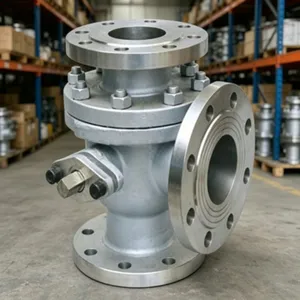
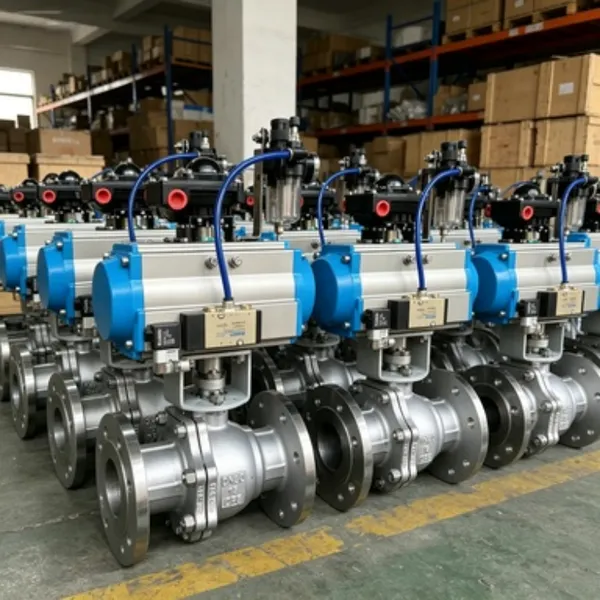
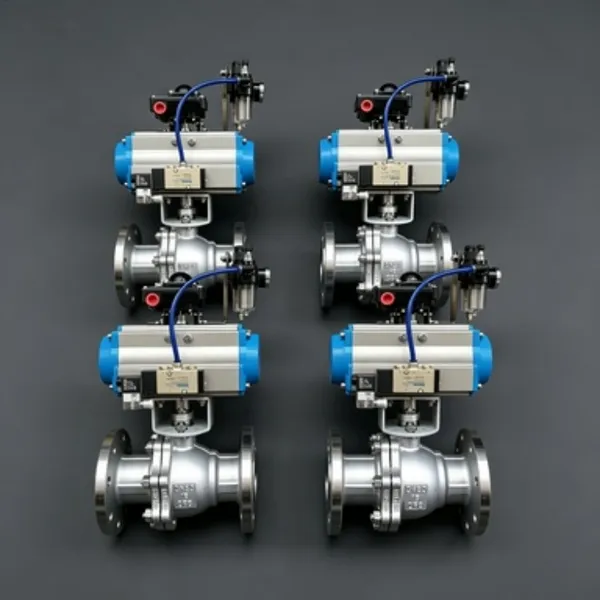
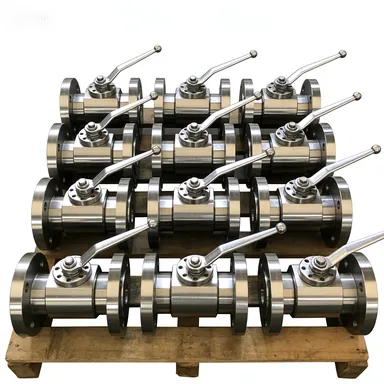
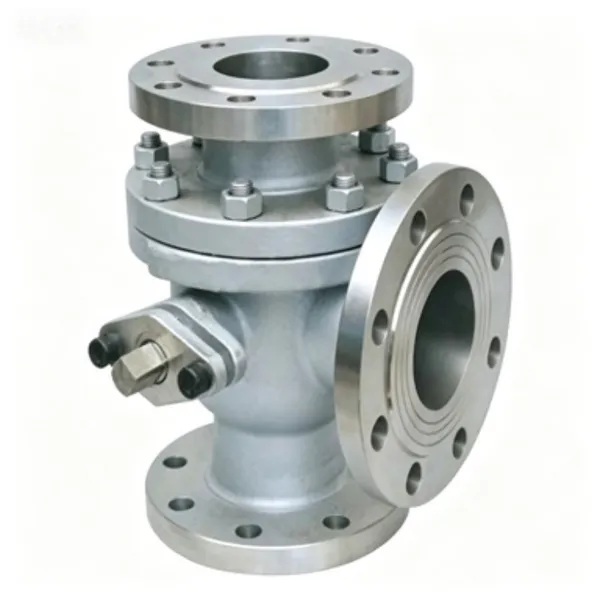
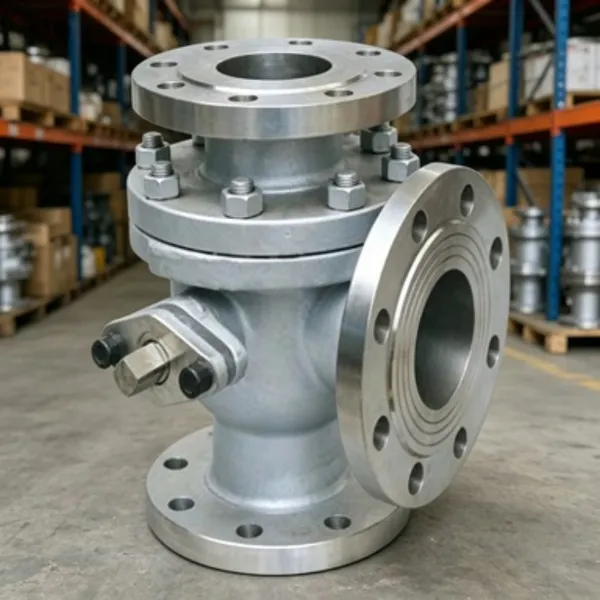
Extended Stem Cryogenic Ball Valve DN15-DN100 for Marine LNG Applications
Product Spotlights



Related Products
-
 Low Temperature Ball Valve With Extended Stem for Marine Piping at -196℃NegotiableMOQ: 1 Unit
 -
Cryogenic Ball Valve for LNG Bunkering and Transfer Systems on VesselsNegotiableMOQ: 1 Unit
-
DNV Type Approved Cryogenic Ball Valve for -196℃ Operation on LNG CarriersNegotiableMOQ: 1 Unit
-
Extended Warranty Cryogenic Ball Valve for Marine Use With Technical SupportNegotiableMOQ: 1 Unit
-
Marine Low Temperature Ball Valve With Mill Test Report and 2-Year WarrantyNegotiableMOQ: 1 Unit
As a professional manufacturer specializing in industrial valves since 2016, Shanghai Zhibang Valve Manufacture Co., Ltd. is proud to introduce our Extended Stem Cryogenic Ball Valve series designed specifically for demanding Marine LNG applications. Engineered to handle ultra-low temperatures and ensure reliable operation in critical liquefied natural gas systems, this valve series represents our commitment to providing robust solutions for the global energy and maritime sectors. With an annual export value reflecting our international reach, we understand the stringent requirements of markets worldwide and have developed this product to meet those challenges.
Our valves are manufactured under a certified ISO9001 quality management system, ensuring consistent performance and durability. The extended stem design is a key feature, providing essential thermal insulation to protect actuation components and personnel from extreme cold, while maintaining precise flow control for LNG and other cryogenic fluids aboard vessels and in related infrastructure.
Core Features & Technical Advantages:
- Extended Stem Design: The elongated stem acts as a thermal barrier, preventing heat transfer from the environment to the valve body and keeping the operating mechanism at a manageable temperature. This design minimizes frost formation on external parts and protects actuators or manual handles.
- Cryogenic Material Selection: The valve body, ball, stem, and critical seals are constructed from materials specifically chosen for their performance at temperatures as low as -196°C (-320°F). This ensures structural integrity and prevents material contraction or embrittlement failures.
- Enhanced Sealing System: A multi-layer sealing arrangement, including primary seat seals and secondary stem seals, is employed to guarantee leak-tight closure even after prolonged exposure to extreme thermal cycling and pressure differentials.
- Robust Construction for Marine Environments: The valve design considers the corrosive marine atmosphere. Materials and surface treatments are selected to resist saltwater corrosion, ensuring long service life in offshore and shipboard applications.
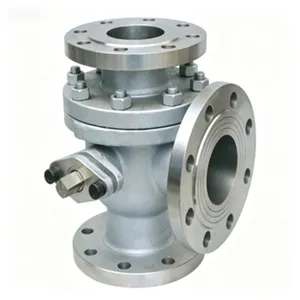
- Versatile End Connections: Available with flanged (according to common standards), threaded, or welded ends to seamlessly integrate into various pipeline configurations onboard LNG carriers, bunkering vessels, or terminal piping.
- Precision Flow Control: The full-port or reduced-port ball design offers excellent flow characteristics with low pressure drop, suitable for the efficient transfer of LNG.
Technical Specifications Overview:
| Parameter | Details / Range |
|---|---|
| Size Range (Nominal Diameter) | DN15, DN20, DN25, DN32, DN40, DN50, DN65, DN80, DN100 |
| Pressure Rating | Common ratings include Class 150, Class 300, customizable for higher ratings |
| Temperature Range | Operational range from ambient to -196°C (-320°F) |
| Body Material Options | Stainless Steel (304, 316, 316L), other cryogenic alloys available upon request |
| Seat & Seal Materials | PTFE, reinforced PTFE, or other specialized cryogenic polymers |
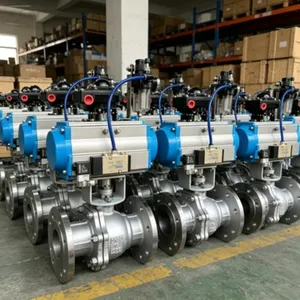
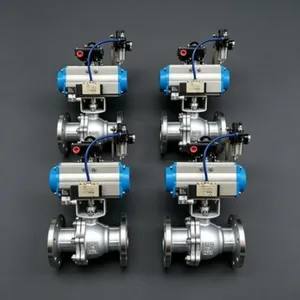
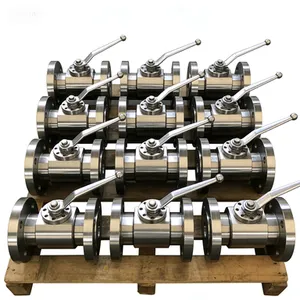
| Operation | Manual (lever, gear), or prepared for pneumatic/hydraulic/electric actuator mounting |
| Fire Safe Design | Optional feature with secondary metal sealing in case of primary seal failure |
Benefits for Your LNG Project:
- Safety & Reliability: The design prioritizes safe operation in cryogenic conditions, reducing risks associated with valve failure or ice blockage.
- Operational Efficiency: Smooth operation and reliable sealing contribute to efficient LNG transfer processes, minimizing downtime.
- Long Service Life: Corrosion-resistant materials and robust construction reduce maintenance frequency and replacement costs.
- System Compatibility: The range of sizes and connection types allows for easy integration into new or existing marine LNG systems.
- Global Supply Support: Our established export channels to North America, South America, Europe, Asia, Africa, and Oceania ensure reliable logistics and supply chain support for your international projects.
Shanghai Zhibang Valve's experience and global presence provide a strong foundation for trust. With an annual export value between US$1 Million and US$1.5 Million, we have successfully supplied valves to diverse markets, proving our capability to meet international standards and project requirements. Our products are shipped from major ports like Shanghai, Guangzhou, Hong Kong, and Beijing, ensuring flexible and efficient delivery. For your Marine LNG applications—whether on carriers, bunkering ships, or coastal terminals—our Extended Stem Cryogenic Ball Valve offers a dependable, performance-driven solution backed by manufacturing expertise. Contact us to discuss your specific size, pressure, and material requirements, or to request detailed technical documentation.
Frequently Asked Questions (FAQ)
Q1: Why is an extended stem necessary for a cryogenic ball valve in LNG applications?
A: In LNG systems, temperatures can plummet below -160°C. A standard stem would transfer this extreme cold to the operating mechanism (actuator or handle), potentially causing frostbite hazards, operational difficulties, or actuator failure. The extended stem creates a thermal barrier, isolating the cold and keeping the external operating parts at a safer, more manageable temperature.
Q2: What materials are typically used for the valve body and internals?
A: For cryogenic service, materials like stainless steel grades 304, 316, and 316L are common due to their good strength and toughness at low temperatures. The ball and stem are often made from the same or similar materials. Seals typically use specialized polymers like PTFE or its reinforced variants that remain flexible and seal effectively in extreme cold.
Q3: Can this valve be used for other cryogenic fluids besides LNG?
A: Yes. While designed and optimized for Marine LNG, this valve series is suitable for handling other liquefied gases and cryogenic fluids such as liquid nitrogen (LN2), liquid oxygen (LOX), liquid argon, or ethylene, provided the material compatibility and temperature range are confirmed for the specific fluid.
Q4: Are these valves available with actuators for remote operation?
A: Yes. The valves are often designed with standardized mounting pads or interfaces to accommodate pneumatic, hydraulic, or electric actuators. This allows for integration into automated control systems onboard vessels or in terminals. The specific actuator type and mounting details can be customized upon request.
Q5: What pressure classes are available for the DN15-DN100 size range?
A: Standard pressure ratings often include ANSI Class 150 and Class 300, which are common for many LNG system components. Higher pressure classes (e.g., Class 600) may be available depending on the size and material selection. It is important to specify your required maximum working pressure and design pressure when inquiring.
Q6: How does the valve ensure a reliable seal at cryogenic temperatures?
A: The sealing system is engineered for thermal contraction. Seat materials are selected to maintain elasticity and sealing force even when shrunk by extreme cold. The design may also incorporate features like spring-loaded seats or multiple seal rings to compensate for dimensional changes and ensure leak-tight closure.
Q7: What certifications or testing does the valve undergo?
A> Our manufacturing process is governed by an ISO9001 quality management system, ensuring consistent production control. The valves can undergo various performance tests, including cryogenic cycling tests, pressure tests, and leakage tests. Specific certification requirements (e.g., for marine use) can be discussed and addressed based on project needs.
Q8: What is the typical lead time for orders of these valves?
A: Lead times depend on the order quantity, specific size/material configuration, and current production schedule. For standard configurations in the DN15-DN100 range, typical lead times can be communicated upon receipt of a detailed inquiry. Our multiple shipment ports facilitate timely logistics.

Send Inquiry to This Supplier



You May Also Like
-
Marine High Temperature Ball Valve 425℃ Carbon Steel Body With Metal Hard SealNegotiableMOQ: 1 Unit
-
Marine-Grade Ball Valve for Liquid Nitrogen (-196℃) Cargo Handling SystemsNegotiableMOQ: 1 Unit
-
Ball Valve for Marine Steam Systems Up to 425℃ Working TemperatureNegotiableMOQ: 1 Unit
-
DN15-DN150 Marine Ball Valve for High Temperature 425℃ ApplicationsNegotiableMOQ: 1 Unit
-
Marine High Temperature Ball Valve for Engine Room Steam Lines 425℃NegotiableMOQ: 1 Unit
-
Carbon Steel Marine Ball Valve Rated for Continuous 425℃ ServiceNegotiableMOQ: 1 Unit
-
High Temperature Ball Valve 425℃ for Shipboard Steam Pipeline SystemsNegotiableMOQ: 1 Unit
-
425℃ Rated Marine Ball Valve With Technical Support and Spare PartsNegotiableMOQ: 1 Unit
-
Ball Valve for Marine Boiler and Steam Auxiliary Systems 425℃NegotiableMOQ: 1 Unit
-
Marine High Temperature Ball Valve With Extended WarrantyNegotiableMOQ: 1 Unit


