








 Contact Platform Support
 Help Center
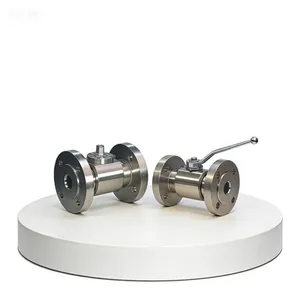
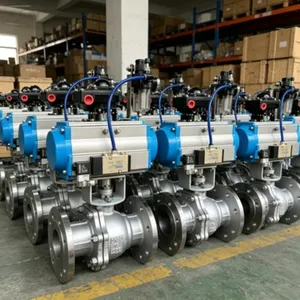
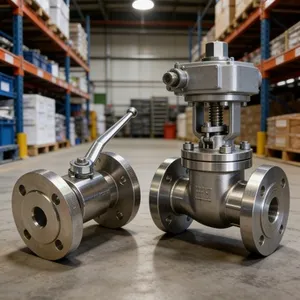
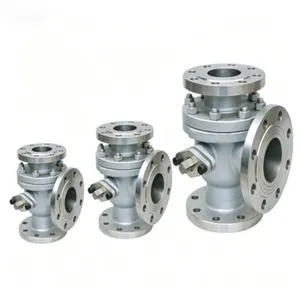
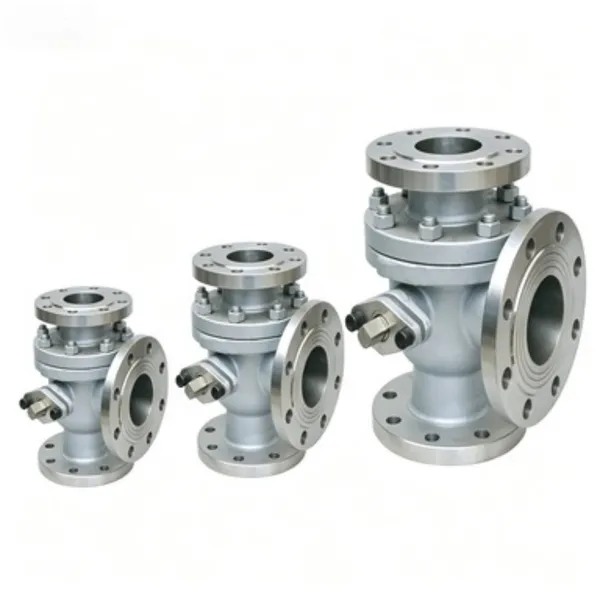
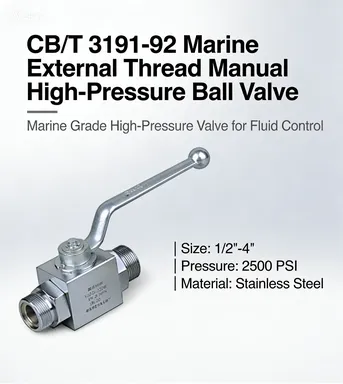
Marine Explosion Proof Pneumatic Ball Valve, Standard Compliant With SOLAS and IMO Requirements
Product Spotlights



Related Products
-
 Full Port Duplex Stainless Steel Ball Valve for Marine Seawater Desalination SystemsNegotiableMOQ: 1 Unit
 -
3-Piece Marine Duplex Stainless Steel Ball Valve, Flanged End, Fire Safe DesignNegotiableMOQ: 1 Unit
-
Marine Duplex Stainless Steel Ball Valve With 2-Year Warranty and Mill Test ReportNegotiableMOQ: 1 Unit
-
Marine Duplex Stainless Steel Ball Valve ASTM A182 F51, DN50-DN300, PN16-PN40NegotiableMOQ: 1 Unit
-
Marine Explosion Proof Pneumatic Ball Valve for Shipboard Chemical Tank Venting SystemsNegotiableMOQ: 1 Unit
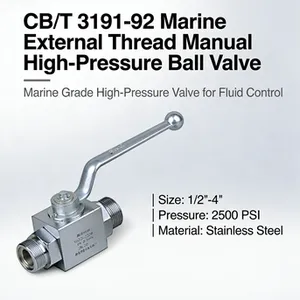
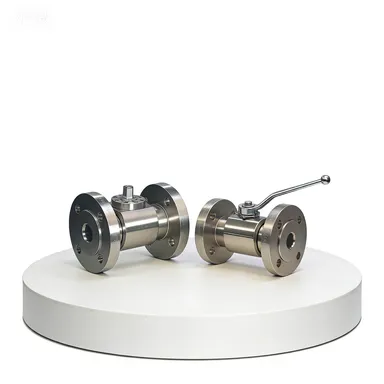
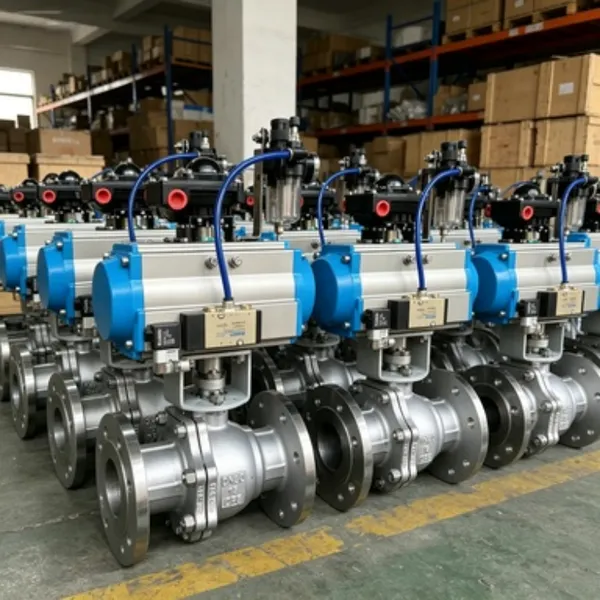
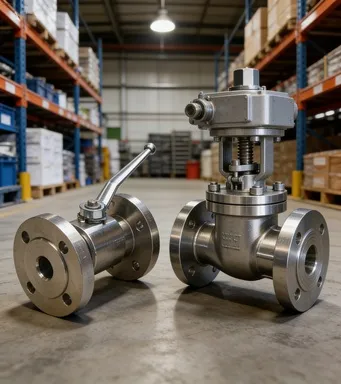
As a dedicated manufacturer with a focus on marine and industrial safety, Shanghai Zhibang Valve Manufacture Co., Ltd. is proud to present our Marine Explosion Proof Pneumatic Ball Valve. Engineered specifically for the demanding environments of maritime operations, this valve is designed to provide reliable, fail-safe isolation in systems handling flammable fuels, gases, and vapors. Our commitment, backed by ISO9001 quality management, ensures every valve meets the stringent standards required for vessel safety and operational integrity. With an annual export value reflecting our global reach, we supply critical safety components to shipyards and fleets worldwide, from Shanghai to ports across North America, Europe, and Southeast Asia.
This valve is not just a component; it is a critical safety device. Its core function is to provide positive shut-off in hazardous areas where the risk of explosion is present. The pneumatic actuation allows for remote or automated operation, which is essential for modern vessel control systems. The design prioritizes durability against saltwater corrosion, constant vibration, and extreme pressure fluctuations common at sea.
Key Features & Technical Advantages:
- Inherent Safety Design: The valve body, actuator housing, and all external components are constructed to prevent the ignition of surrounding explosive atmospheres. This is achieved through flameproof enclosures, increased safety designs, or intrinsic safety barriers for the control signal.
- Robust Construction for Marine Service: We use materials specifically selected for marine applications. Body options include ASTM A216 WCB carbon steel with protective coatings or A351 CF8/CF8M stainless steel for superior corrosion resistance. All wetted parts are compatible with marine fuels, lubricants, and chemicals.
- Pneumatic Actuation Reliability: The actuator is designed for high cycle life and consistent performance. Options include double-acting (air-to-air) for standard on/off control or spring-return (fail-safe) models that automatically move to a predefined safe position (open or closed) upon air supply loss.
-
Comprehensive Standards Compliance: The valve is engineered to meet and facilitate compliance with critical international maritime safety codes:
- SOLAS (Safety of Life at Sea): Contributes to the safety systems required by Chapter II-2 on fire protection.
- IMO (International Maritime Organization) Requirements: Aligns with guidelines for machinery and fuel systems.
- Flag State & Class Society Rules: Design and testing are traceable to meet the requirements of major classification societies like ABS, DNV, LR, BV, and others.
- Versatile Configurations: Available in full port or standard port designs, with a range of seat and seal materials to match specific service media (bunker fuel, LNG boil-off gas, hydraulic oil, etc.).
Technical Specifications Table:
| Parameter | Specification | Notes |
|---|---|---|
| Valve Type | Floating Ball, Pneumatic Actuated | Fire-safe design available |
| Size Range | DN15 (1/2") to DN300 (12") | Flanged ANSI or DIN standards |
| Pressure Rating | PN16, PN25, PN40, Class 150, Class 300 | Select based on system design pressure |
| Body Material | Carbon Steel (WCB), Stainless Steel (304/316), Duplex | Other alloys available upon request |
| Ball & Stem Material | Stainless Steel 304/316, with optional coatings | For enhanced wear and corrosion resistance |
| Seat Material | PTFE, Reinforced PTFE, PEEK, Metal | Choice depends on temperature and media |
| Actuator Type | Double-acting or Spring-return Pneumatic | Spring return provides fail-safe action |
| Operating Temperature | -20°C to +200°C (Standard) | Extended range options are customizable |
| Air Supply Pressure | 4-7 bar (typical), 8 bar max | Actuator is sized accordingly |
| Accessories | Limit switches, solenoid valves, positioners, manual override | For integration into control systems |
Benefits for Ship Owners, Operators, and Shipyards:
- Enhanced Vessel Safety: Directly supports compliance with mandatory safety regulations, reducing risk and potential liability.
- Operational Reliability: Minimizes unplanned downtime due to valve failure in critical systems like fuel supply or cargo handling.
- Reduced Maintenance: The robust design and suitable material selection lead to longer service intervals and lower lifecycle costs.
- Simplified Procurement & Documentation: As a manufacturer, we provide full material traceability, test reports (pressure, fire-safe if applicable), and certification packages to assist with class approval.
- Global Supply & Support: With shipment ports in Shanghai, Guangzhou, Hong Kong, and Beijing, we ensure efficient logistics to major maritime markets worldwide.
Trust is paramount in marine equipment. Since our establishment in 2016, Shanghai Zhibang has grown into a reliable supplier with products reaching markets across North and South America, Europe, Asia, Africa, and Oceania. Our ISO9001 certification is a testament to our systematic approach to quality control, from raw material inspection to final performance testing. This valve is a product of that rigorous process. Choosing our Marine Explosion Proof Pneumatic Ball Valve means investing in a component that safeguards your assets, crew, and cargo. It is engineered for the long haul, just like the vessels it serves. Contact us today to discuss your specific requirements, request detailed specifications, or obtain a quotation. Let us be your partner in maritime safety and reliability.
Frequently Asked Questions (FAQ):
-
Q: What exactly makes this valve "explosion-proof" for marine use?
A: The term "explosion-proof" refers to the design of the valve and actuator housing. It is constructed to contain any internal explosion that might occur from a spark or ignition within the device, preventing it from igniting the hazardous atmosphere outside. This is achieved through robust, flame-path joints and certified enclosures meeting standards like ATEX/IECEx, which are recognized for marine applications. -
Q: Can this valve be used in both fuel oil and LNG systems?
A: The basic valve design is suitable for various media, but the specific material selection is crucial. For standard marine diesel or fuel oil, carbon steel with appropriate seals is common. For cryogenic services like LNG, special materials (such as stainless steel 316L or duplex) and extended stem designs for cold insulation are required. Please specify your exact media and temperature for a correct configuration. -
Q: Do you provide documentation for class society approval (e.g., ABS, DNV, LR)?
A> Yes. As a manufacturer, we provide material certificates (3.1/3.2), pressure test reports, and can supply valves that have been manufactured and tested according to the rules of major classification societies. Specific class stamps on the valve body can be arranged upon request and project specification. -
Q: What is the difference between double-acting and spring-return actuators, and which should I choose?
A: A double-acting actuator requires air pressure to move the valve both open and closed. A spring-return (single-acting) actuator uses air to move in one direction and a spring to automatically return it to a safe position (open or closed) if air fails. Choose spring-return for critical safety functions where a specific fail-safe position is required. -
Q: What is the typical lead time for an order?
A: Lead time depends on the size, material, and quantity. Standard configurations in common sizes may have shorter lead times. For large, custom, or special material orders, please inquire for a specific production schedule. Our multiple shipment ports help expedite delivery. -
Q: Are spare parts like seals and gaskets readily available?
A> Absolutely. We maintain an inventory of common spare part kits for our valves. We recommend purchasing a set of critical spares with your initial order to minimize future downtime. Part numbers and diagrams are provided for easy reordering. -
Q: How do I select the correct pressure rating (PN vs. Class) for my system?
A: This depends on your piping system design standard. PN ratings (e.g., PN16, PN25) are common in metric/DIN systems, while Class ratings (e.g., Class 150, 300) are used in ANSI/ASME systems. Provide your system's maximum working pressure and design standard, and we will recommend the appropriate rating. -
Q: Can the valve be fitted with position feedback for the ship's control system?
A> Yes. We can equip the pneumatic actuator with accessories like inductive or mechanical limit switches to provide open/closed electrical signals. Additionally, solenoid valves and pneumatic positioners can be mounted for advanced control integration.

Send Inquiry to This Supplier



You May Also Like
-
Standard Compliant Duplex Stainless Steel Ball Valve for Offshore Platform PipingNegotiableMOQ: 1 Unit
-
Marine Duplex Stainless Steel Ball Valve With Antistatic Device and Blowout-Proof StemNegotiableMOQ: 1 Unit
-
Marine Low Temperature Ball Valve PN1.6-4.0MPa With Extended Bonnet DesignNegotiableMOQ: 1 Unit
-
Cryogenic Ball Valve for LNG Bunkering and Transfer Systems on VesselsNegotiableMOQ: 1 Unit
-
Marine High Temperature Ball Valve 425℃ Carbon Steel Body With Metal Hard SealNegotiableMOQ: 1 Unit
-
Marine-Grade Ball Valve for Liquid Nitrogen (-196℃) Cargo Handling SystemsNegotiableMOQ: 1 Unit
-
Ball Valve for Marine Steam Systems Up to 425℃ Working TemperatureNegotiableMOQ: 1 Unit
-
DN15-DN150 Marine Ball Valve for High Temperature 425℃ ApplicationsNegotiableMOQ: 1 Unit
-
Marine High Temperature Ball Valve for Engine Room Steam Lines 425℃NegotiableMOQ: 1 Unit
-
Carbon Steel Marine Ball Valve Rated for Continuous 425℃ ServiceNegotiableMOQ: 1 Unit


