








 Contact Platform Support
 Help Center
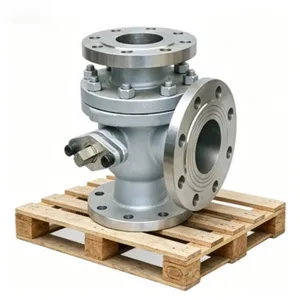
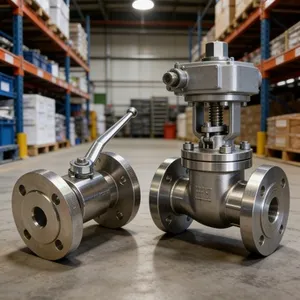
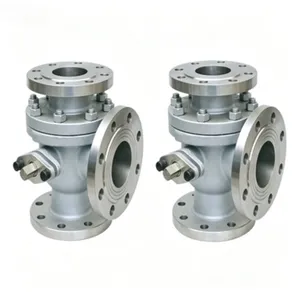
Low-Temperature Marine Ball Valve Customized for LNG Carrier Applications
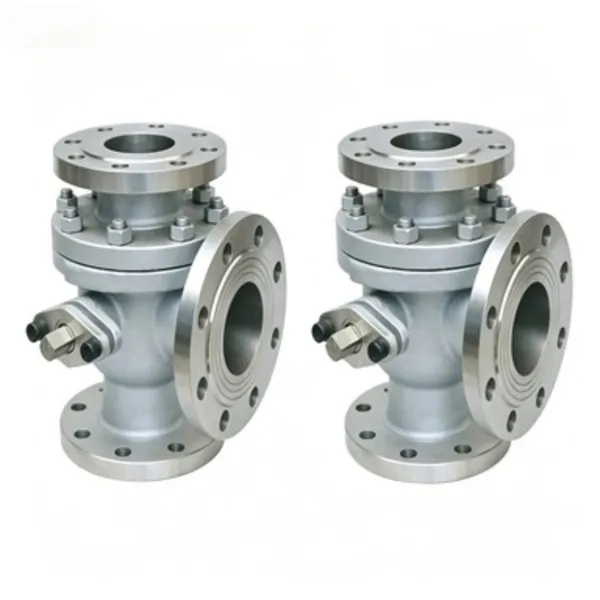
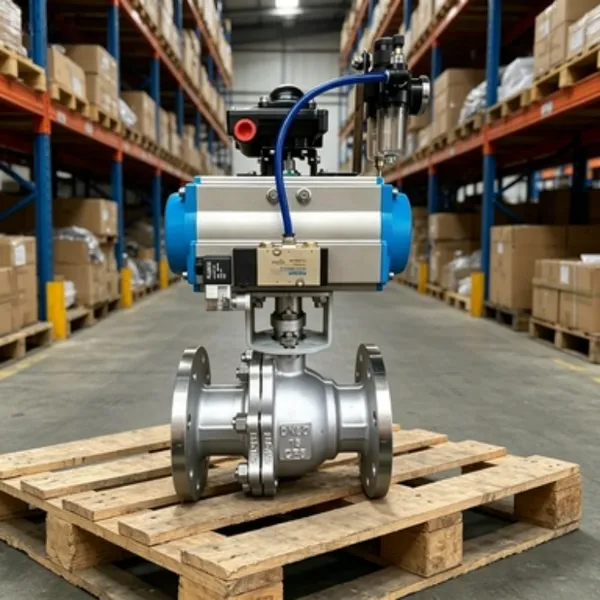
Product Spotlights



Related Products
-
 Customized Marine Ball Valves With Extended Stem for Insulated PipelinesNegotiableMOQ: 1 Unit
 -
Marine Ball Valve Customized for High-Pressure Saltwater Systems up to 6000 PSINegotiableMOQ: 1 Unit
-
Marine Ball Valve With Custom Actuation: Pneumatic, Electric, or Hydraulic OptionsNegotiableMOQ: 1 Unit
-
Custom Marine Ball Valve With Full Mill Test Report and 3-Year WarrantyNegotiableMOQ: 1 Unit
-
Non-Standard Marine Ball Valves for Offshore Platform Seawater IntakeNegotiableMOQ: 1 Unit
As a professional manufacturer specializing in industrial valves since 2016, Shanghai Zhibang Valve Manufacture Co., Ltd. is proud to present our custom-engineered Low-Temperature Marine Ball Valves, designed specifically for the demanding environments of LNG carrier applications. Our valves are the result of deep expertise and a commitment to quality, ensuring safe and reliable operation in cryogenic service. We understand the critical nature of LNG handling, where safety and performance cannot be compromised. With an annual export value exceeding US$1 million and a presence in global markets from North America to Southeast Asia, we deliver trusted solutions that meet stringent international standards.
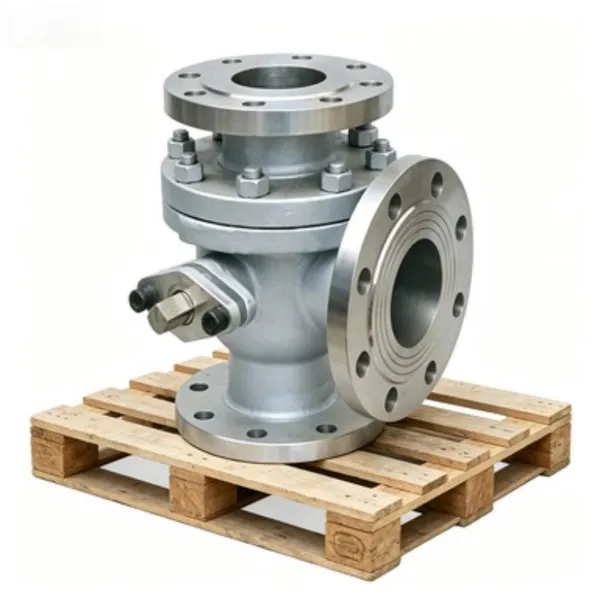
Our Low-Temperature Marine Ball Valves are engineered to provide exceptional sealing and durability in temperatures as low as -196°C. They are a cornerstone for fluid control in LNG carrier cargo handling systems, bunkering lines, and vapor recovery units.
- Superior Cryogenic Performance: Manufactured from specially selected materials like stainless steel 316/316L or duplex steel, our valves maintain structural integrity and toughness even at extreme low temperatures, preventing brittle fracture.
- Advanced Seat Design: We utilize high-performance seat materials such as PTFE or reinforced PTFE, which retain elasticity and sealing capability in cryogenic conditions. For more abrasive services, metal-seated options are available.
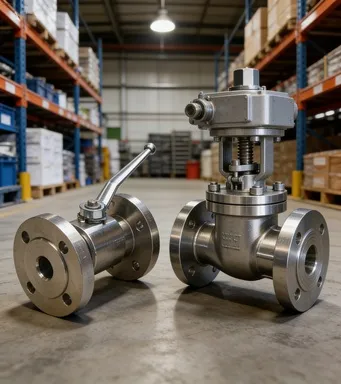
- Extended Stem Design: A key feature is the extended bonnet or stem, which creates an insulating air chamber. This design prevents heat transfer from the environment to the valve body, minimizing ice formation on external surfaces and ensuring smooth operation.
- Bubble-Tight Shut-off: Precision machining of the ball and seats ensures a bubble-tight seal, essential for containing volatile and expensive LNG cargo and preventing hazardous leaks.
- Robust Construction: The valves are built to withstand not only thermal stress but also the mechanical stresses of marine environments, including vibration and shock loads.
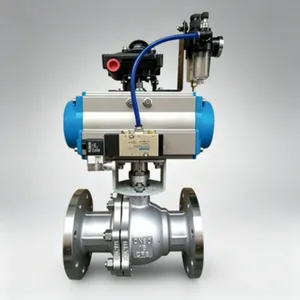
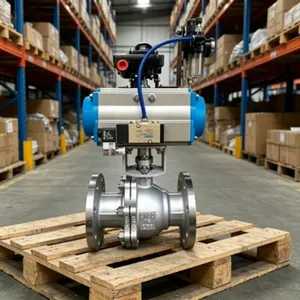
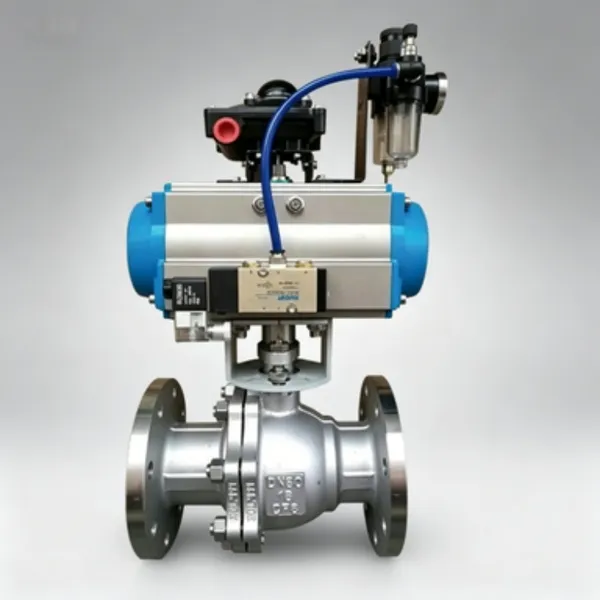
- Flexible Actuation: Available with manual lever, gear operators, or automated pneumatic/electric actuators for remote operation, integrating seamlessly into shipboard control systems.
Here are some typical technical specifications for our standard product range:
| Specification | Details |
| Size Range | DN15 (1/2") to DN600 (24") |
| Pressure Class | Class 150, 300, 600, 900, 1500 (Customizable) |
| Temperature Range | -196°C to +80°C (Operating) |
| Body Material | A351 Gr. CF8M (316), A351 Gr. CF3M (316L), Duplex Steel |
| Seat Material | PTFE, RPTFE, PCTFE, PEEK, Metal (Stellite) |
| Stem Material | Stainless Steel with Extended Design |
| Design Standard | API 6D, BS 6364, ISO 28921-1 |
| Connection | Flanged (RF, RTJ), Butt Weld, Threaded (NPT, BSP) |
| Fire Safe Option | Available (API 607/6FA testing upon request) |
Choosing our valves provides distinct advantages for your LNG carrier projects:
- Enhanced Safety: Reliable performance under cryogenic conditions directly contributes to the overall safety of the vessel and crew.
- Reduced Maintenance: Durable materials and precision engineering lead to longer service intervals and lower lifecycle costs.
- Operational Efficiency: Smooth, low-torque operation and reliable sealing ensure efficient cargo handling and system control.
- Global Compliance: Valves are manufactured following major international standards, facilitating approval processes for global shipbuilding and operation.
- Customization: We tailor valves to your specific pipeline design, pressure requirements, and actuation needs.
Backed by our ISO9001-certified quality management system, every valve undergoes rigorous testing, including cryogenic chamber testing, pressure tests, and helium leak tests, to guarantee performance. Our established export channels through major ports like Shanghai, Guangzhou, and Hong Kong ensure timely and efficient delivery to key markets worldwide, including North America, Europe, and Southeast Asia. With years of experience serving the marine and energy sectors, we offer not just a product, but a partnership for your critical cryogenic applications. Contact us today to discuss how our customized Low-Temperature Marine Ball Valves can enhance the reliability and safety of your LNG carrier systems.
Frequently Asked Questions (FAQ)
Q1: What is the primary difference between a standard ball valve and your low-temperature marine ball valve?
A: The key differences lie in the material selection, extended stem/bonnet design, and specialized seat materials. Our valves use materials that retain impact resistance at cryogenic temperatures, and the extended design prevents external ice buildup that could jam the valve, which is not a concern for standard valves.
Q2: Can your valves be supplied with specific certifications required for marine use?
A: Yes. While we hold ISO9001 certification for our manufacturing processes, we can provide valves that are manufactured and tested in accordance with relevant marine and cryogenic standards such as API 6D, BS 6364, and ISO 28921. Specific class society approvals (e.g., ABS, DNV, LR) can be arranged upon request.
Q3: What is the typical lead time for a customized order?
A: Lead time depends on the complexity, size, and quantity of the order. For standard sizes and specifications, it typically ranges from 8 to 12 weeks. We provide a detailed schedule upon receipt of your specific requirements.
Q4: Do you offer fire-safe versions of these cryogenic ball valves?
A: Yes, we do. Fire-safe design is a critical option for many LNG applications. We can supply valves that meet the requirements of API 607/6FA standards. Please specify this requirement during inquiry.
Q5: What kind of after-sales support do you provide?
A: We provide comprehensive technical documentation, including test reports, material certificates, and installation manuals. We also offer technical support for installation and troubleshooting. Spare parts kits for critical components like seats and seals are available.
Q6: How do you ensure the valve's performance in the extreme cold of LNG service?
A: Each valve designated for cryogenic service undergoes functional testing in a cryogenic test chamber at temperatures matching or exceeding its rated service temperature. This ensures proper operation and sealing before shipment.
Q7: Can the valves be automated, and what actuator options are available?
A: Absolutely. Our valves are designed for easy integration with pneumatic (double-acting or spring-return), electric, or hydraulic actuators. We can provide a complete package including the valve, actuator, and necessary controls.
Q8: What are your main export markets for this product?
A: We have successfully supplied valves to shipyards and operators in North America, South America, Eastern Europe, Southeast Asia, and the Middle East, among others. Our experience in these diverse markets ensures we understand regional requirements.

Send Inquiry to This Supplier



You May Also Like
-
Custom Non-Standard Marine Ball Valves in Duplex 2205 & 316L Stainless SteelNegotiableMOQ: 1 Unit
-
Custom Marine Ball Valve Solutions for Shipboard Fuel Oil & Lube SystemsNegotiableMOQ: 1 Unit
-
Non-Standard Marine Ball Valve Customization With Prototype Development SupportNegotiableMOQ: 1 Unit
-
Cast Steel Marine Ball Valve With Drain Valve for Bilge and Ballast SystemsNegotiableMOQ: 1 Unit
-
Marine Ball Valve With Drain Valve, Standard Compliant With Mill Test Report ProvidedNegotiableMOQ: 1 Unit
-
Marine Ball Valve With Drain Valve, Threaded Drain Port for Easy Maintenance AccessNegotiableMOQ: 1 Unit
-
Marine Ball Valve With Drain Valve for Fuel and Lubricating Oil Systems on ShipsNegotiableMOQ: 1 Unit
-
Marine Ball Valve With Drain Valve for Tank Bottom Drainage ApplicationsNegotiableMOQ: 1 Unit
-
Two-Year Warranty on Marine Ball Valve With Drain Valve, Including Drain PortNegotiableMOQ: 1 Unit
-
316 Stainless Steel Marine Ball Valve With Drain Valve, DN50 to DN200 Size RangeNegotiableMOQ: 1 Unit


