








 Contact Platform Support
 Help Center
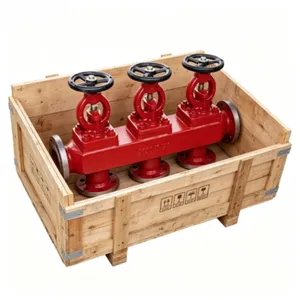
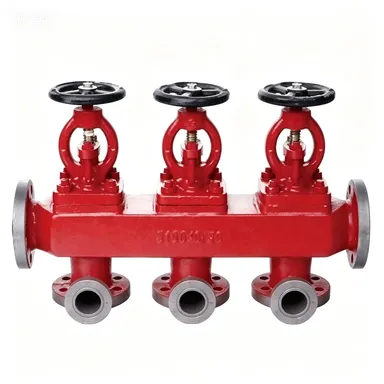
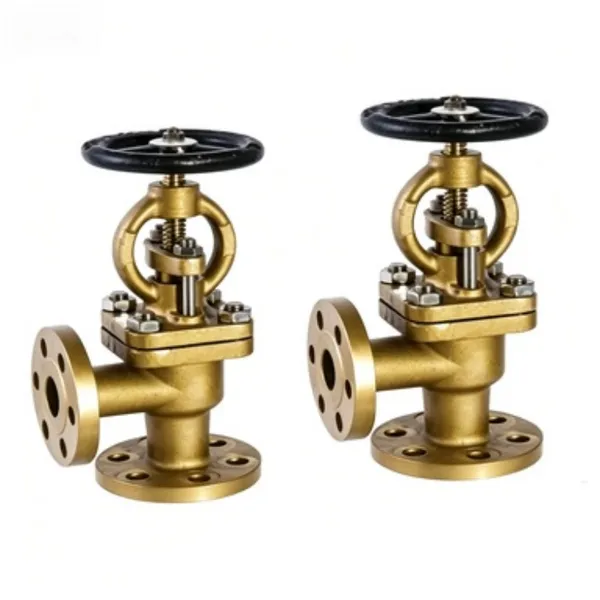
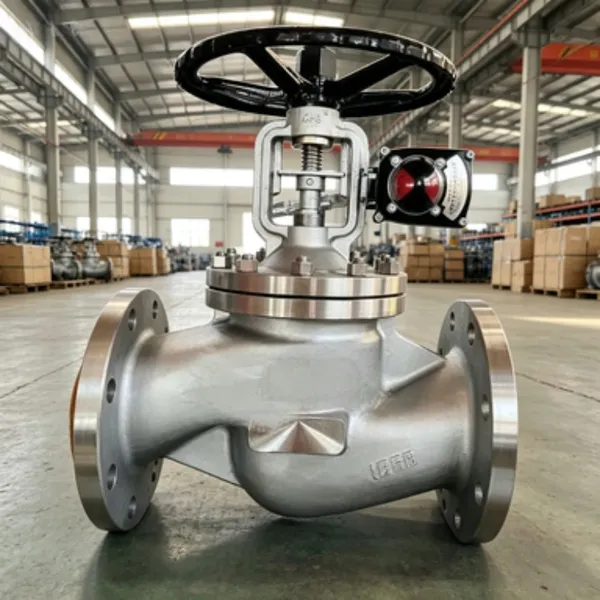
Fuel Oil Ball Valve CB/T3191 Standard, Full Port Design, Carbon Steel & F304 Trim, Fire-Safe API607
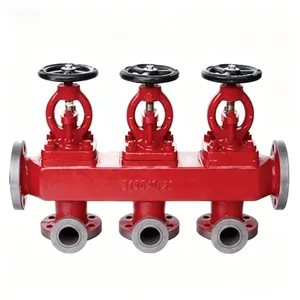
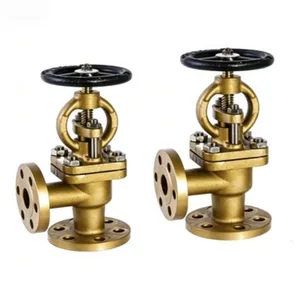
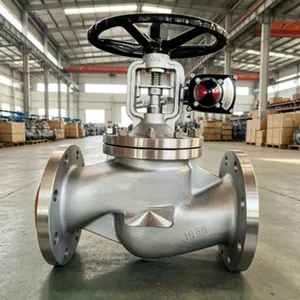
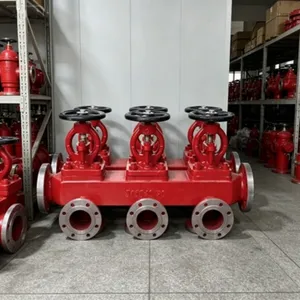
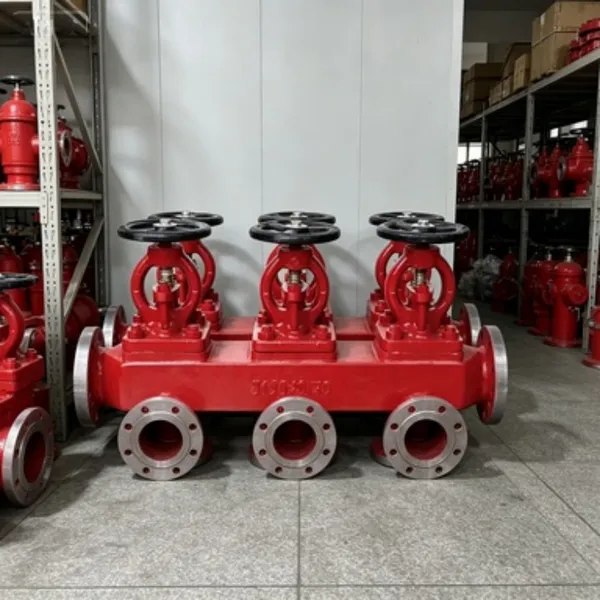
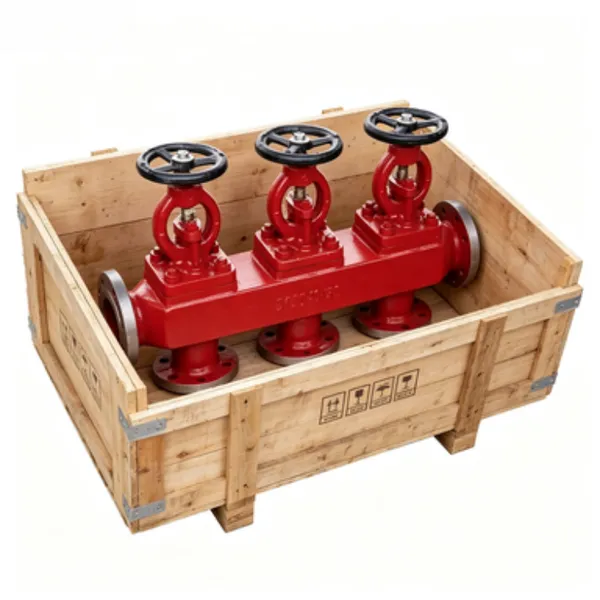
Product Spotlights



Related Products
-
 Three-Piece CB/T3191 Marine Ball Valve for Fuel Oil, Blow-Proof Stem, Anti-Static Device, DN15-DN150NegotiableMOQ: 1 Unit
 -
Marine Fuel Oil Ball Valve CB/T3191 Compliant, DN80 PN25 Rating for High-Pressure Fuel LinesNegotiableMOQ: 1 Unit
-
Ball Valve for Marine Engine Room Fuel Oil Piping per CB/T3191, Flanged Ends, Standard MountingNegotiableMOQ: 1 Unit
-
CB/T3191 Marine Ball Valve for Fuel Oil, Carbon Steel Body With Hardened Seat, Flanged DN50 PN16NegotiableMOQ: 1 Unit
-
Duplex Stainless Steel Ball Valve CB/T3191 With Locking Handle and Blowout-Proof StemNegotiableMOQ: 1 Unit
As a professional manufacturer with ISO9001 certification, Shanghai Zhibang Valve Manufacture Co., Ltd. specializes in delivering high-performance industrial valves for the global energy sector. Our Fuel Oil Ball Valve, engineered to the CB/T3191 standard with a full port design and constructed from carbon steel with F304 trim, is a robust solution designed for critical fuel handling applications. This valve integrates fire-safe API607 certification, ensuring operational integrity under emergency conditions, making it a reliable choice for refineries, power plants, and fuel distribution networks seeking safety, durability, and minimal flow restriction.
Core Product Features & Technical Advantages:
- Superior Flow Efficiency: The full port (full bore) design provides a flow path diameter equal to the pipeline's inner diameter, significantly reducing pressure drop and turbulence. This ensures maximum flow capacity, minimizes energy loss, and prevents residue buildup in fuel oil service.
- Robust Construction for Demanding Service: The valve body is made from durable carbon steel, offering excellent strength and corrosion resistance for industrial environments. The critical trim components (ball, stem, seats) utilize F304 (AISI 304) stainless steel, providing enhanced resistance to corrosion and wear from fuel oils and potential contaminants.
- Certified Fire Safety: The valve is designed and tested in compliance with API 607/API 6FA fire-safe standards. In the event of a fire, the unique seat design (often combining soft primary seats and secondary metal seats) maintains a seal, preventing catastrophic leakage and containing the hazard.
- Reliable Sealing Performance: Standard PTFE seats offer bubble-tight sealing for routine operations with low torque. The fire-safe design incorporates a secondary metal-to-metal sealing mechanism that engages under extreme heat, ensuring continued sealing integrity.
-
Versatile Operation & Configuration: Available with various actuation methods to suit different levels of automation:
- Manual operation with a locking lever handle for quick quarter-turn on/off control.
- Gearbox operator for high-torque applications or large valve sizes.
- Pneumatic or hydraulic actuators for remote, automated control integrated into SCADA systems.
- Broad Compatibility & Standards: Manufactured according to the Chinese CB/T3191 standard, which is widely recognized and compatible with international piping specifications. Flanged ends are available in RF (Raised Face) or RTJ (Ring Type Joint) to match common pipeline flange standards like ANSI/ASME.
Detailed Technical Specifications:
The following table outlines key parameters for the standard model range. Custom specifications for pressure rating, end connections, and trim materials are available upon request.
| Parameter | Specification |
|---|---|
| Product Standard | CB/T3191 |
| Design & Fire Test Standard | API 607, API 6FA |
| Body Material | Carbon Steel (WCB, LCB, etc.) |
| Trim Material | Ball & Stem: F304 Stainless Steel; Seats: PTFE + Metal (Fire-Safe) |
| Port Type | Full Port (Full Bore) |
| Pressure Class | Class 150, Class 300, Class 600 (ANSI) |
| End Connection | Flanged (RF/RTJ), Threaded (NPT/BSP) |
| Temperature Range | Standard: -29°C to 200°C; Extended ranges customizable |
| Operation | Lever, Gear Operator, Pneumatic/Hydraulic Actuator (Optional) |
Benefits for Your Operations:
- Enhanced Safety & Risk Mitigation: The API607 fire-safe certification provides a critical layer of protection for personnel, assets, and the environment, often a mandatory requirement in insurance and regulatory compliance for fuel oil systems.
- Reduced Operational Costs: The full port design lowers pumping energy requirements due to minimal pressure loss. The durable carbon steel and stainless steel trim construction extends service life, reducing maintenance frequency and replacement costs.
- Operational Flexibility & Reliability: Suitable for on/off and flow control applications in fuel oil transfer, loading/unloading, and distribution. The robust design ensures reliable performance even with viscous or contaminated fuels.
- Global Supply Chain Support: With annual export values between US$1-1.5 million and major shipment ports including Shanghai, Guangzhou, Hong Kong, and Beijing, we have the logistical expertise to deliver efficiently to your location, whether in North America, Europe, Southeast Asia, or other global markets we serve.
Backed by our ISO9001-certified manufacturing processes established in 2016, every valve undergoes rigorous quality checks to ensure it meets the promised specifications. Our experience supplying to diverse regions including North America, South America, Europe, Asia, Africa, and Oceania means we understand the specific requirements of international projects. Choosing our Fuel Oil Ball Valve means selecting a product that combines safety certification, engineering precision, and durable construction to safeguard your critical fuel handling processes. Contact us today to discuss your project specifications or to request a detailed quotation.
Frequently Asked Questions (FAQ)
-
Q: What is the main advantage of a "Full Port" design in a ball valve for fuel oil?
A: A full port (or full bore) ball valve has an internal bore diameter matching the pipeline's ID. This design drastically reduces flow resistance and pressure drop compared to standard or reduced port valves. For fuel oil, this means more efficient transfer, less pump energy required, and reduced risk of clogging or coking from slow-moving fluid. -
Q: What does "F304 Trim" mean, and why is it important?
A: "Trim" refers to the internal wetted parts (ball, stem, seats). F304 is a grade of stainless steel (AISI 304). In this valve, these critical parts are made from F304, offering superior corrosion resistance against fuel oils, sulfides, and other potentially corrosive elements compared to carbon steel trim, enhancing valve longevity and reliability. -
Q: Can this valve be used in applications other than fuel oil?
A: Absolutely. While optimized for fuel oil, its robust construction and fire-safe design make it suitable for a wide range of hydrocarbons and other fluids in petrochemical, refining, and power generation industries, including crude oil, diesel, kerosene, and certain chemicals, subject to compatibility checks with the specific fluid. -
Q: How does the API 607 fire-safe feature actually work?
A: The valve incorporates a special sealing system. Under normal conditions, soft seats (like PTFE) provide a tight seal. During a fire, these seats may degrade. The design includes secondary metal seats (often on the ball and body) that expand or are forced together by thermal pressure, creating a metal-to-metal seal that prevents major leakage even after the soft seats are compromised. -
Q: What end connection types are available, and how do I choose?
A: We offer flanged (RF or RTJ) and threaded (NPT, BSP) ends. Flanged connections are standard for larger pipelines and high-pressure systems, allowing for bolted, leak-resistant joints. Threaded ends are common for smaller line sizes. The choice depends on your existing pipeline design, pressure rating, and installation standards. -
Q: Is the valve suitable for high-temperature fuel oil service?
A: The standard temperature range is -29°C to 200°C, which covers most fuel oil applications. For services involving higher temperatures (e.g., pre-heated heavy fuel oil), we can provide options with different seat materials (like reinforced PTFE or PEEK) and extended temperature ratings upon request. -
Q: Do you offer actuated versions for automated control?
A: Yes. We can equip this ball valve with pneumatic (double-acting or spring-return) or hydraulic actuators. These can be fitted with limit switches, positioners, and other accessories for integration into automated control systems, enabling remote operation and monitoring. -
Q: What is the typical lead time for an order?
A: Lead time varies based on order quantity, specification (pressure class, end type, actuation), and current production schedule. Standard configurations often have shorter lead times. We provide accurate delivery estimates upon receipt of your detailed inquiry and work closely with you to meet project timelines.

Send Inquiry to This Supplier



You May Also Like
-
CB/T3191 Standard Ball Valve for Marine Fuel Oil Systems, Low Temperature Carbon Steel, Extended BonnetNegotiableMOQ: 1 Unit
-
2205 Duplex Stainless Steel Ball Valve Compliant With CB/T3191 Standard, Flanged EndNegotiableMOQ: 1 Unit
-
Marine Ball Valve for Fuel Oil CB/T3191, Factory Direct With Complete Dimensional DrawingsNegotiableMOQ: 1 Unit
-
CB/T3191 Duplex Stainless Steel Ball Valve for Offshore Platform Seawater Cooling SystemsNegotiableMOQ: 1 Unit
-
Marine Grade Duplex Stainless Steel Ball Valve CB/T3191, Fire-Safe Design API 607NegotiableMOQ: 1 Unit
-
CB/T3191 Marine Fuel Oil Ball Valve With Mill Test Report, Pressure Tested, 12-Month WarrantyNegotiableMOQ: 1 Unit
-
CB/T3191 Duplex Stainless Steel Ball Valve With PTFE Seats, Full Port Design DN50 PN16NegotiableMOQ: 1 Unit
-
CB/T3191 Duplex Stainless Steel Ball Valve for Chemical Tanker Cargo Line ApplicationsNegotiableMOQ: 1 Unit
-
Marine Fuel Oil Service Ball Valve, CB/T3191 Design With Locking Device, Suitable for Viscous OilNegotiableMOQ: 1 Unit
-
CB/T3191 Duplex Stainless Steel Ball Valve, Factory Direct With Technical Support AvailableNegotiableMOQ: 1 Unit


