








 Contact Platform Support
 Help Center
Steel Wire & Bright Steel Wire,Q195、Q215、Q235、Q255、45#、50#、55#、60#、65#、70#、75#、80#、85#、65Mn、60Si2Mn、55SiCr


Related Products
-
 Steel Wire & Bright Steel Wire,Q195、Q215、Q235、Q255、45#、50#、55#、60#、65#、70#、75#、80#、85#、65Mn、60Si2Mn、55SiCrNegotiableMOQ: 5 Metric Tons
 -
Steel Wire & Bright Steel Wire,Q195、Q215、Q235、Q255、45#、50#、55#、60#、65#、70#、75#、80#、85#、65Mn、60Si2Mn、55SiCrNegotiableMOQ: 5 Metric Tons
-
Steel Wire & Bright Steel Wire,Q195、Q215、Q235、Q255、45#、50#、55#、60#、65#、70#、75#、80#、85#、65Mn、60Si2Mn、55SiCrNegotiableMOQ: 5 Metric Tons
-
Steel Pipe & Tube,Precision Pipe Fitting,Reducer,NegotiableMOQ: 2 Metric Tons
-
Steel Wire & Bright Steel Wire,Q195、Q215、Q235、Q255、45#、50#、55#、60#、65#、70#、75#、80#、85#、65Mn、60Si2Mn、55SiCrNegotiableMOQ: 5 Metric Tons
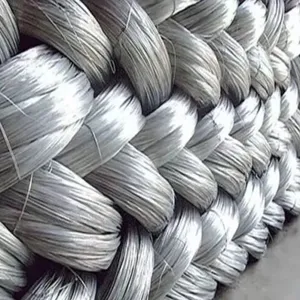
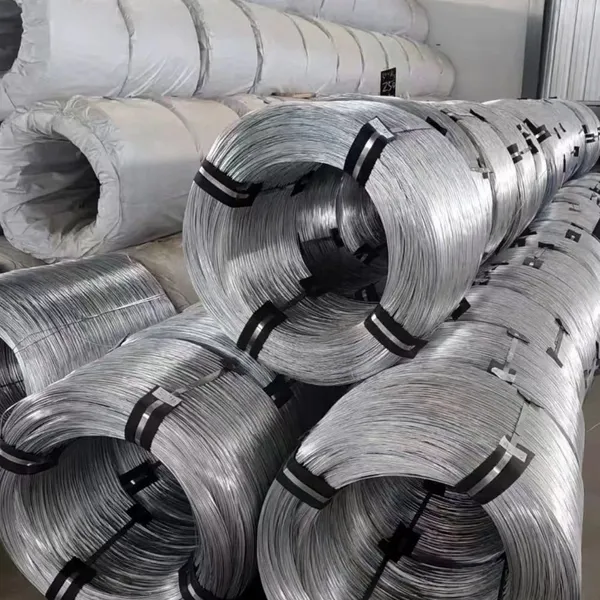
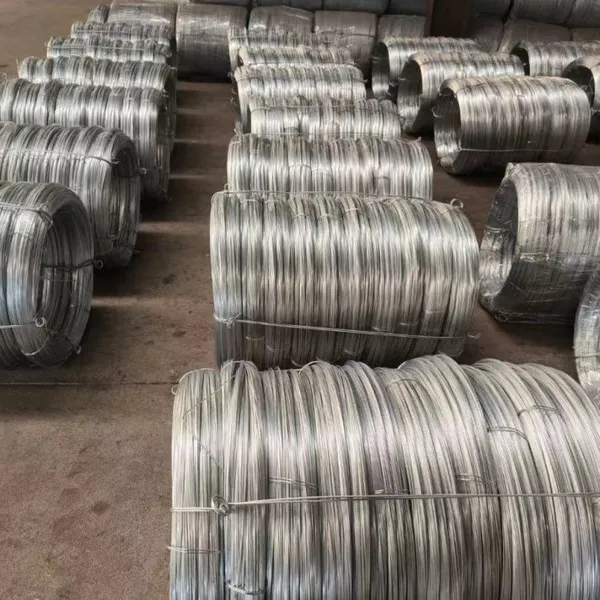
Steel wire is a metal wire processed from hot-rolled wire rods through multiple procedures including pickling, phosphating, cold drawing, heat treatment and surface coating. It features high strength, good toughness, excellent wear resistance, easy processing and molding, as well as corrosion resistance. It is a core basic material widely used in industrial, construction, transportation, energy, agriculture and forestry industries. The following is a complete introduction to product parameters, material grades, specifications, process performance and applications.
I. Core Materials and Corresponding Grades (Full Product Range)
Steel wire materials are divided into three categories: carbon steel, high-quality carbon steel and alloy steel. Different materials correspond to different application scenarios and serve as the core basis for product model classification.
1. Ordinary Carbon Steel Wire (Economical General Type)
Common Grades: Q195, Q215, Q235, Q255
Features: Moderate hardness, good toughness, easy bending and welding, high cost performance, strong versatility with no high-strength requirements.
Applications: Nail making, binding wire, packing wire, breeding netting, common fences and simple woven mesh.
2. High-Quality Carbon Steel Wire (Mainstream Industrial Type)
Common Grades: 45#, 50#, 55#, 60#, 65#, 70#, 75#, 80#, 85#
Features: Accurate carbon content, diverse strength grades, excellent fatigue resistance and wear resistance. It is the special base material for springs, steel wire ropes and prestressed products.
Specific Applications:
45#/50#: Cold heading steel wire, bolts, rivets and general industrial wire rods
60#/65#: Ordinary spring steel wire, screen mesh wire and rope-making steel wire
70#/80#/85#: High-strength springs, prestressed steel wires and hoisting steel wire ropes
3. Alloy Steel Wire (High-Performance Special Type)
Common Grades: 65Mn, 60Si2Mn, 55SiCr
Features: Alloyed with manganese and silicon elements, it has high elastic limit, high temperature resistance, excellent fatigue resistance and low deformation, suitable for harsh working conditions.
Applications: Precision springs, mechanical shrapnel, high-strength mining screen mesh and shock-absorbing accessories.
II. Mainstream Product Models (Industry Universal Models)
Classified by material, process and performance, the universal standard models below are applicable for product selection, quotation and contract labeling.
Black Annealed Wire (Soft Wire): Made of Q195/Q235 material with low-temperature annealing treatment, soft and easy to bend, mainly used for construction binding and tying wires.
Cold-Drawn Hard Wire: Made of Q235/45# material without annealing treatment, featuring high hardness and rigidity, applied for nail making, stamping and hard mesh weaving.
Galvanized Steel Wire (Hot-Dip/Electro-Galvanized): Divided into electro-galvanized (thin zinc layer, beautiful appearance) and hot-dip galvanized (thick zinc layer, high corrosion resistance), serving as universal anti-corrosion wire.
Spring Steel Wire: Made of 65Mn/60Si2Mn/70# material with oil tempering treatment, featuring high elasticity and fatigue resistance.
Prestressed Steel Wire: Made of 80#/85# high-carbon steel with low relaxation treatment, used for bridges, concrete sleepers and building beams and slabs.
Cold Heading Steel Wire: Made of 45#/50# high-quality carbon steel with crack-free surface and good plasticity, specially used for cold forging processing of bolts and rivets.
Rope-Making Steel Wire: Made of 80# high-carbon steel, featuring high strength, high torsion resistance and wear resistance, used for weaving steel wire ropes and steel strands.
III. Full Range of Standard Specifications & Dimensions
Covers ultra-fine, fine, medium, thick and extra-thick full specifications to meet all industrial demands. Dimensional tolerances strictly comply with national standards GB/T 341 and GB/T 5223.
1. Ultra-Fine Steel Wire (Precision Application)
Diameter Range: 0.02mm – 0.10mm
Common Specifications: 0.02mm, 0.05mm, 0.08mm, 0.10mm
Applications: Precision filter screens, instrument parts, textile accessories and micro springs.
2. Fine Steel Wire (Weaving & Light Industry)
Diameter Range: 0.12mm – 1.5mm
Common Specifications: 0.15mm, 0.2mm, 0.3mm, 0.4mm, 0.5mm, 0.6mm, 0.8mm, 1.0mm, 1.2mm, 1.5mm
Applications: Wire mesh weaving, electric welding mesh, breeding mesh, craft products and small springs.
3. Medium Steel Wire (Construction & General Industry)
Diameter Range: 1.6mm – 3.0mm
Common Specifications: 1.6mm, 1.8mm, 2.0mm, 2.2mm, 2.5mm, 2.8mm, 3.0mm
Applications: Construction binding wire, nail making, fence mesh and ordinary mechanical parts.
4. Thick Steel Wire (Heavy Industry & Load-Bearing)
Diameter Range: 3.2mm – 6.0mm
Common Specifications: 3.5mm, 4.0mm, 4.5mm, 5.0mm, 5.5mm, 6.0mm
Applications: Steel wire rope cores, heavy-duty screen meshes, mine protection and prestressed components.
5. Extra-Thick Steel Wire (Large-Scale Engineering)
Diameter Range: 6.0mm – 12.0mm
Common Specifications: 7.0mm, 8.0mm, 9.0mm, 10.0mm, 12.0mm
Applications: Bridge stay cables, large mechanical load-bearing parts, sleeper reinforcement and heavy industrial accessories.
6. Special-Shaped Steel Wire Specifications
Includes flat wire, square wire, triangular wire, spiral rib wire and indented wire. Non-standard sizes can be customized according to customer drawings, widely used in mechanical sealing, prestressed engineering and special spring accessories.
IV. Raw Materials & Chemical Composition
The base material adopts national standard hot-rolled wire rods (6–9mm in diameter) with controllable and accurate chemical composition. The core chemical standards for carbon steel are as follows:
Carbon (C): 0.4%–1.0% (determines steel wire strength and hardness)
Manganese (Mn): 0.3%–1.0% (improves toughness and impact resistance)
Silicon (Si): 0.1%–0.3% (deoxidizes and strengthens, enhances material stability)
Phosphorus (P), Sulfur (S): ≤0.045% (strict impurity control to avoid brittle fracture)
V. Complete Production Process
Raw material pretreatment (descaling by pickling, phosphating/saponification lubrication) → multi-pass cold drawing and diameter reduction → heat treatment (annealing/quenching & tempering/stabilization treatment) → surface treatment (bright/galvanized/copper-plated/plastic-coated) → straightening, inspection and packaging for storage.
Process Classification: Annealing produces soft wire; cold drawing without annealing produces hard wire; quenching and tempering produces high-elastic spring wire; stabilization treatment produces low-relaxation prestressed wire.
VI. Core Mechanical Performance Parameters
Tensile Strength: 390MPa–3135MPa (graded by material and model; high-strength products exceed 3135MPa)
Elongation: 4%–10%. Soft wire has higher toughness, while high-strength wire prioritizes strength with moderate plasticity.
Reduction of Area: ≥30%–50%, ensuring no cracking during bending and stamping.
Fatigue Resistance: Meets standard repeated bending and torsion times without fracture or cracks.
Low Relaxation Rate: The relaxation rate of prestressed steel wire within 1000 hours ≤ 2.5%.
VII. Dimensional Tolerance & Surface Quality Standards
Diameter Tolerance: Conventional ±0.01mm–±0.05mm; high-precision products up to ±0.005mm
Out-of-Roundness: ≤ 1/2 of the diameter tolerance to ensure regular and round wire shape
Surface Quality: Bright wire has no cracks, rust or burrs; coating is uniform and continuous without missing plating or peeling, and remains intact after bending and winding.
VIII. Applicable National Standards
GB/T 341 Classification and Terminology of Steel Wires
GB/T 5223 Prestressed Steel Wires for Concrete
GB/T 4357 Cold-Drawn Carbon Steel Spring Wires
GB/T 15393 Galvanized Steel Wires
GB/T 3206 High-Quality Carbon Structural Steel Wires
IX. Packaging & Marking
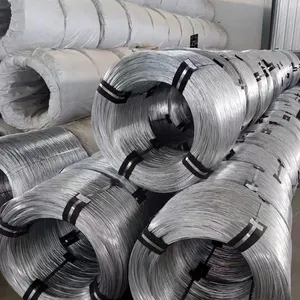
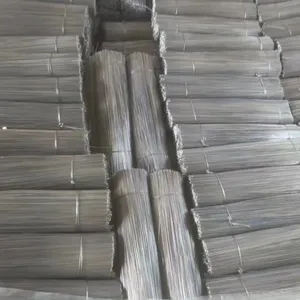
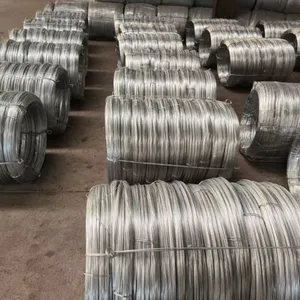
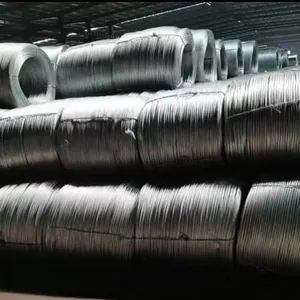
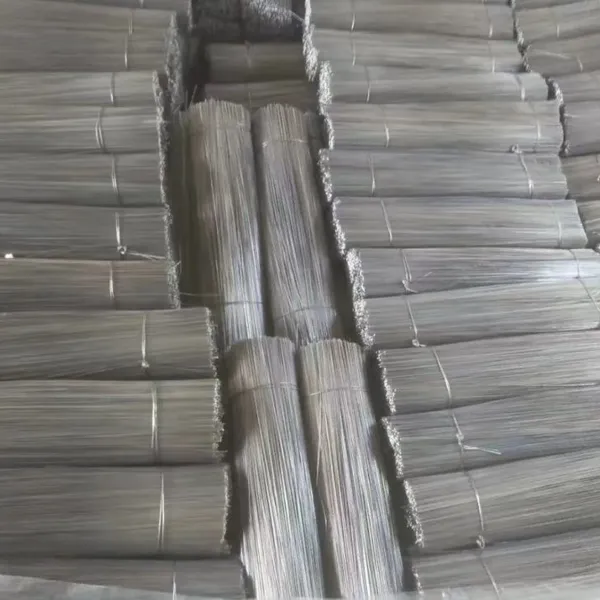
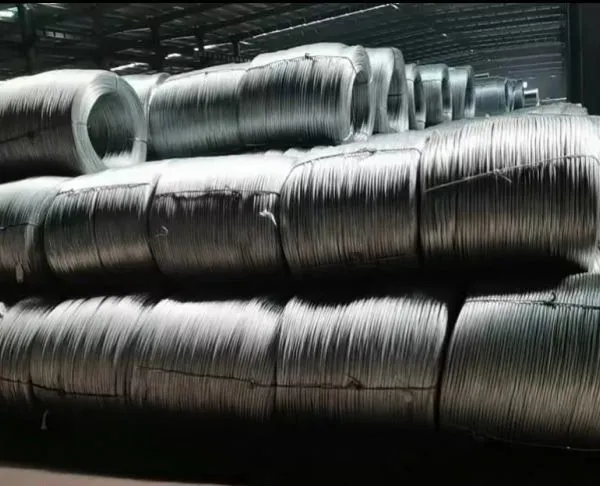
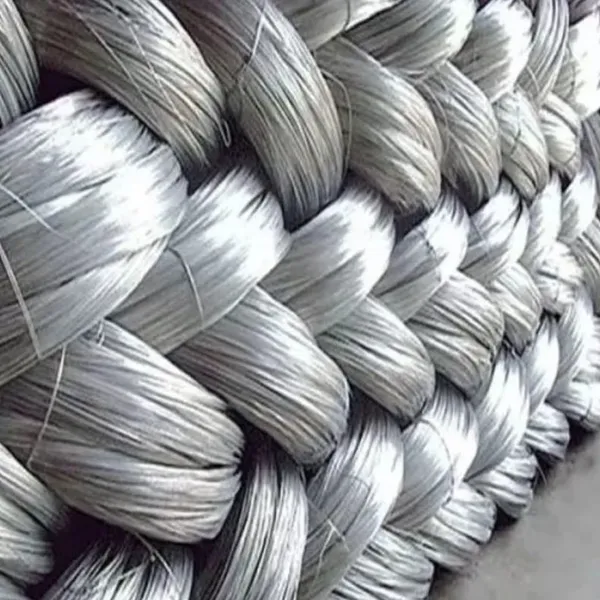
Conventional packaging is coiled (coil weight: 50–500kg); special specifications can be customized as fixed-length straight wires (1–6m). Each coil is wrapped with moisture-proof paper and plastic film internally and bundled with steel strips externally, featuring moisture-proof, rust-proof and anti-loose performance. Clear product markings include material grade, specification size, strength grade, execution standard, batch number, net weight and manufacturer information.
Delivery Cycle: Conventional in-stock products are delivered within 5-7 working days. The delivery time for customized special-shaped specifications, special tolerances and large-batch orders can be negotiated.
X. General Application Scenarios
Widely applied in construction binding, concrete prestressed engineering, mine hoisting, bridge engineering, wire mesh weaving, mechanical spring manufacturing, hardware nail making, electric cables, agricultural and forestry breeding fences, chemical anti-corrosion equipment and other fields.

Send Inquiry to This Supplier



You May Also Like
-
Steel Wire & Bright Steel Wire,Q195、Q215、Q235、Q255、45#、50#、55#、60#、65#、70#、75#、80#、85#、65Mn、60Si2Mn、55SiCrNegotiableMOQ: 5 Metric Tons
-
Steel Pipe & Tube,Precision Pipe Fitting,Reducer,NegotiableMOQ: 2 Metric Tons
-
Steel Wire & Bright Steel Wire,Q195、Q215、Q235、Q255、45#、50#、55#、60#、65#、70#、75#、80#、85#、65Mn、60Si2Mn、55SiCrNegotiableMOQ: 5 Metric Tons
-
Steel Wire & Bright Steel Wire,Q195、Q215、Q235、Q255、45#、50#、55#、60#、65#、70#、75#、80#、85#、65Mn、60Si2Mn、55SiCrNegotiableMOQ: 5 Metric Tons
-
Steel Wire & Bright Steel Wire,Q195、Q215、Q235、Q255、45#、50#、55#、60#、65#、70#、75#、80#、85#、65Mn、60Si2Mn、55SiCrNegotiableMOQ: 5 Metric Tons
-
Steel Rebar & Deformed Steel Bar,Φ12、14、16、18、20、22、25、28、32、36、40mmNegotiableMOQ: 5 Metric Tons
-
Steel Rebar & Deformed Steel Bar,Φ12、14、16、18、20、22、25、28、32、36、40mmNegotiableMOQ: 5 Metric Tons
-
Steel Rebar & Deformed Steel Bar,Φ12、14、16、18、20、22、25、28、32、36、40mmNegotiableMOQ: 5 Metric Tons
-
Steel Pipe & Tube,Precision Pipe Fitting,Reducer,NegotiableMOQ: 2 Metric Tons
-
Steel Rebar & Deformed Steel Bar,Φ12、14、16、18、20、22、25、28、32、36、40mmNegotiableMOQ: 5 Metric Tons


