








 Contact Platform Support
 Help Center
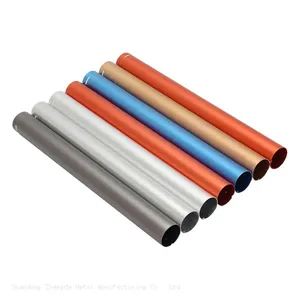
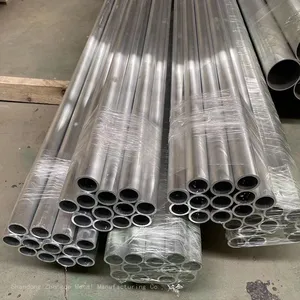
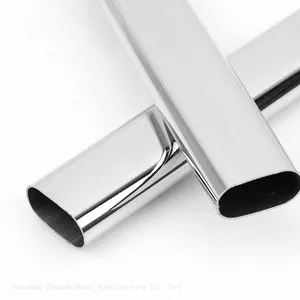
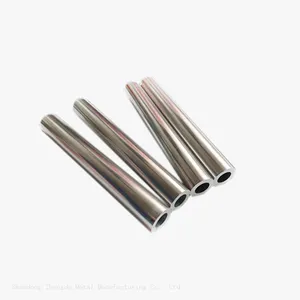
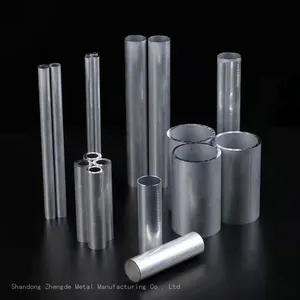
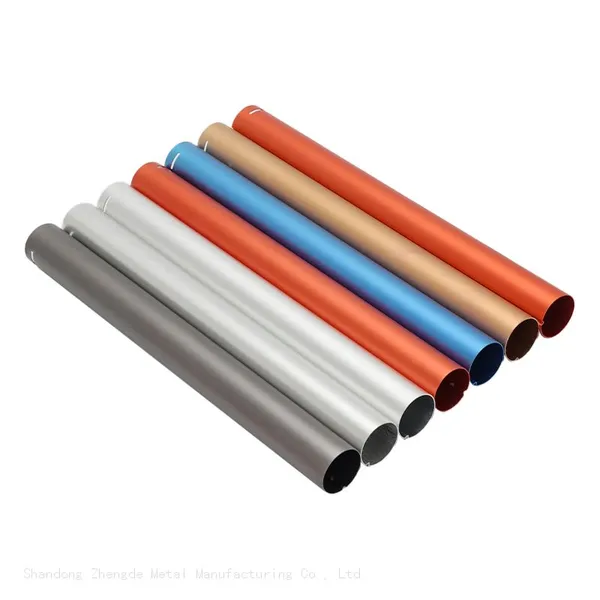
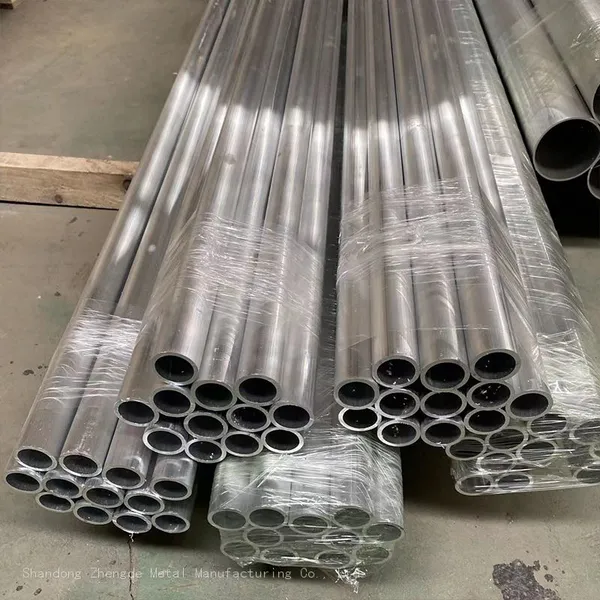
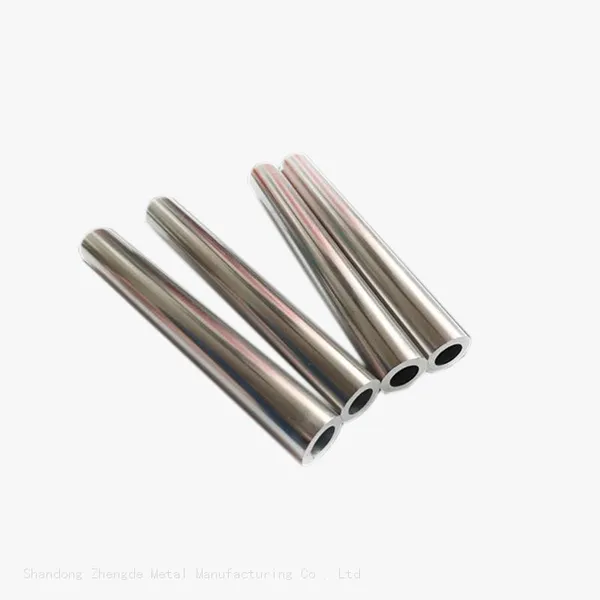
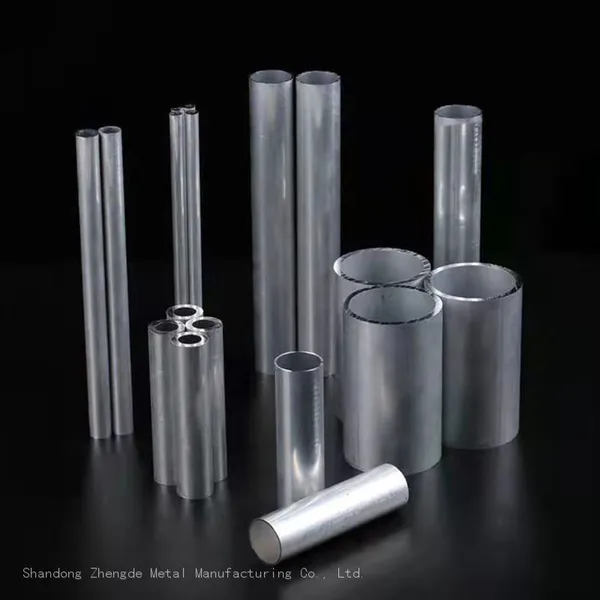
Alu 6061 Aluminum Tube Manufacturer 6061/6063 Tube Colorful Aluminum Alloy Pipe
Product Spotlights
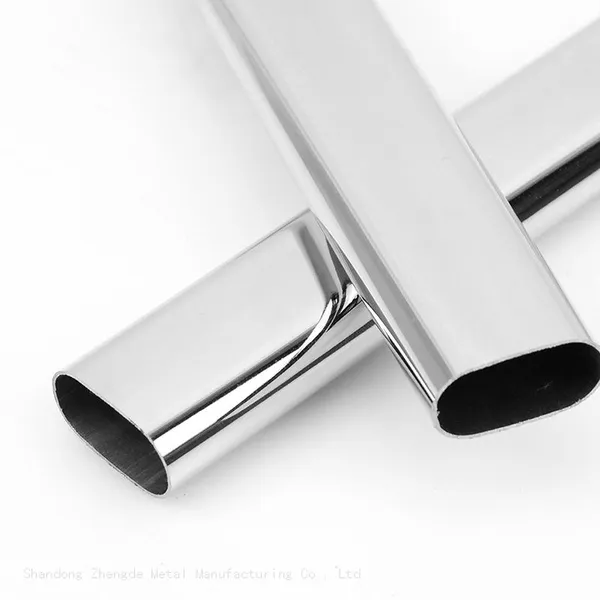
2. Aluminum pipe ensures easy bending and long-term durability.
3. Al tube provides smooth surface and cost-effective performance.


Related Products
-
 Alu 6061 Extruded Aluminum Tube 6061/6063 Tube Colorful Aluminum Alloy PipeUS$ 2850 - 2980MOQ: 10 Metric Tons
 -
6000 Series 100x100mm 80*80mm Aluminium Hollow Square PipeUS$ 2850 - 2980MOQ: 10 Metric Tons
-
Customized Size Colored Aluminium Square Pipe 6063 T5 6061 T6 Extruded Hollow TubeUS$ 2850 - 2980MOQ: 10 Metric Tons
-
Premium 6061-T6 Aluminum Alloy Square Tube Seamless Hollow Section Extrusion PipeUS$ 2850 - 2980MOQ: 10 Metric Tons
-
6061 6063 T3-T8 Aluminum Alloy Round Tube Extruded Aluminum PipeUS$ 2850 - 2980MOQ: 10 Metric Tons
Aluminum tube is a hollow, long product with a circular or non-circular cross-section, manufactured through extrusion, drawing, or seamless pipe production processes. It offers an excellent strength-to-weight ratio, outstanding corrosion resistance, good thermal and electrical conductivity, and ease of fabrication, making it a preferred material for fluid transport, structural frameworks, and heat exchange equipment across numerous industries. Common international standards include ASTM B210 (USA for drawn seamless aluminum tubes), ASTM B241 (USA for extruded seamless aluminum tubes), EN 755 (Europe for extruded aluminum tubes), EN 754 (Europe for drawn aluminum tubes), JIS H4080 (Japan for aluminum and aluminum alloy tubes), and BS 1471 (UK). Typical grades include 1050, 1060, 3003, 5052, 5083, 6061, and 6063. To compare aluminum tube standards globally, search “aluminum tube ASTM B210 vs EN 755 comparison”; for mechanical property data, use “6061 vs 6063 aluminum tube tensile strength chart”; to check standard diameter and wall thickness ranges, search “aluminum tube common size chart ASTM”; for alloy selection guidance, use “aluminum tube alloy selection guide for structural applications”.
China’s domestic standards for aluminum tubes mainly follow GB/T 4437 (extruded seamless aluminum tubes), GB/T 6893 (drawn aluminum tubes for general use), and GB/T 3190 (wrought aluminum and aluminum alloy chemical composition). Common Chinese grades include 1050A, 1060, 2A12, 3003, 5052, 5083, 6061, and 6063. Aluminum tubes are available in outer diameters ranging from 6mm to 400mm for extruded types and 3mm to 120mm for drawn types, with wall thicknesses from 0.5mm to 40mm depending on the manufacturing method. To cross-reference Chinese grades with international equivalents, search “6061 aluminum tube equivalent GB/T”; for Chinese aluminum tube dimension tables, use “GB/T 6893 aluminum tube size list”; to verify mechanical property requirements, search “Chinese aluminum tube tensile strength elongation chart”; for a sample Chinese mill test certificate, use “China aluminum tube MTC example”.
Aluminum tubes are widely used in transportation (automotive air conditioning lines, fuel lines, hydraulic systems, bicycle frames, and ship railings), HVAC and refrigeration (condenser coils, evaporator coils, and refrigerant piping), construction (curtain wall mullions, handrails, scaffolding, and greenhouse structures), aerospace (landing gear components and hydraulic tubing), industrial equipment (pneumatic cylinders, heat exchanger tubes, and instrument lines), and consumer goods (luggage handles, tent poles, and fishing rod blanks). For structural applications, 6061 and 6063 offer excellent extrudability and medium-to-high strength; for high-corrosion marine environments, 5052 and 5083 are preferred; for thermal conductivity requirements, 1050 and 1060 pure aluminum tubes are ideal. To select aluminum tube for automotive applications, search “aluminum tube for automotive AC lines ASTM B210”; for marine corrosion resistance requirements, use “5052 aluminum tube seawater resistance”; to review HVAC coil standards, search “aluminum tube for condenser coil manufacturing”; for aerospace application examples, use “aluminum tube for aircraft hydraulic system specification”.
When sourcing aluminum tubes internationally, critical parameters include alloy and temper designation, manufacturing method (seamless extruded, seamless drawn, or welded), outer diameter and wall thickness tolerances, length (straight lengths typically 1m to 6m or coils for small diameters), surface finish (mill finish, anodized, polished, or coated), and end condition (plain, deburred, threaded, or grooved). Also confirm whether the tube is suitable for bending, flaring, or welding applications, and whether hydrostatic or eddy current testing is required for pressure applications. For dimensional tolerance standards, search “aluminum tube wall thickness tolerance ASTM B210”; to compare seamless vs welded tube performance, use “seamless vs welded aluminum tube burst pressure”; for current international pricing trends, search “aluminum tube price per kg 2025”; to locate certified global suppliers, use “aluminum tube manufacturers Europe directory”.

Send Inquiry to This Supplier


You May Also Like
-
Aluminum Alloy Extruded Anodized Round Tube With Custom LengthUS$ 2850 - 2980MOQ: 10 Metric Tons
-
Extruded Aluminum Tubing-Silver Anodized Finish 6000 Series Alloy Alu TubeUS$ 2850 - 2980MOQ: 10 Metric Tons
-
Extruded Round Aluminum Tubing-Silver Anodized Aluminum Pipe With 6mUS$ 2850 - 2980MOQ: 10 Metric Tons
-
6061 T6 T3 5052 7075 H32 Extruded Aluminum Tubing-Silver Anodized Finish Aluminum PipeUS$ 2850 - 2980MOQ: 10 Metric Tons
-
Aluminum Alloy Profiles 6061 6063 T5 T6 Extruded Aluminum PipeUS$ 2850 - 2980MOQ: 10 Metric Tons
-
6061 6082 5083 2024 Aluminium Pipe / 7075 T6 Aluminum TubeUS$ 2850 - 2980MOQ: 10 Metric Tons
-
5052 6061 6082 5083 2024 T3 Aluminium Pipe / 7075 T6 Aluminum TubeUS$ 2850 - 2980MOQ: 10 Metric Tons
-
6061 6082 5083 2024 Aluminium Pipe Aluminum Alloy Pipe 1050 1060 3003 3004 Aluminum Round TubeUS$ 2850 - 2980MOQ: 10 Metric Tons
-
Round Pipe Aluminum Large Diameter Aluminum Extruded PipeUS$ 2850 - 2980MOQ: 10 Metric Tons
-
5052 6061 6082 5083 2024 T3 Aluminium Pipe 6063 7075 Extruded Aluminium Round TubeUS$ 2850 - 2980MOQ: 10 Metric Tons


