








 Contact Platform Support
 Help Center
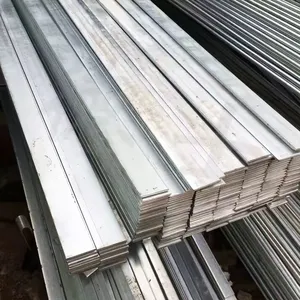
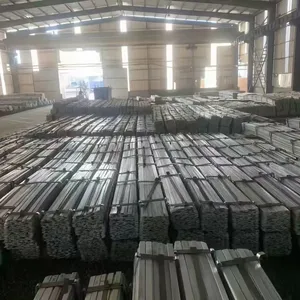
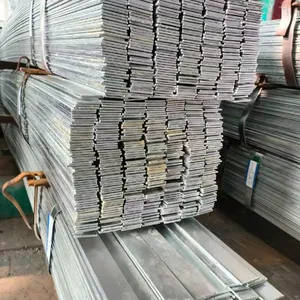
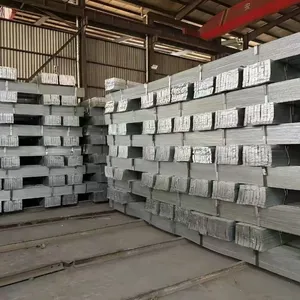
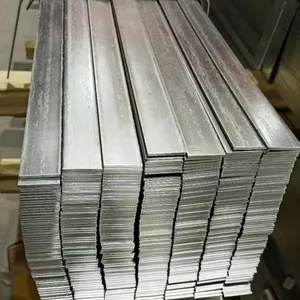
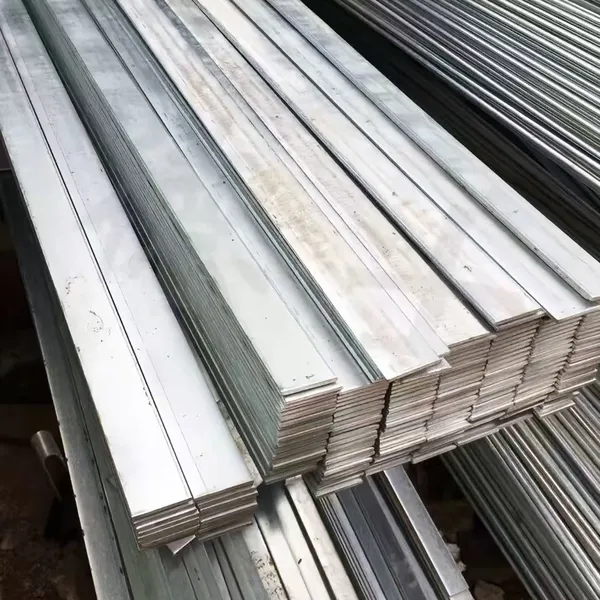
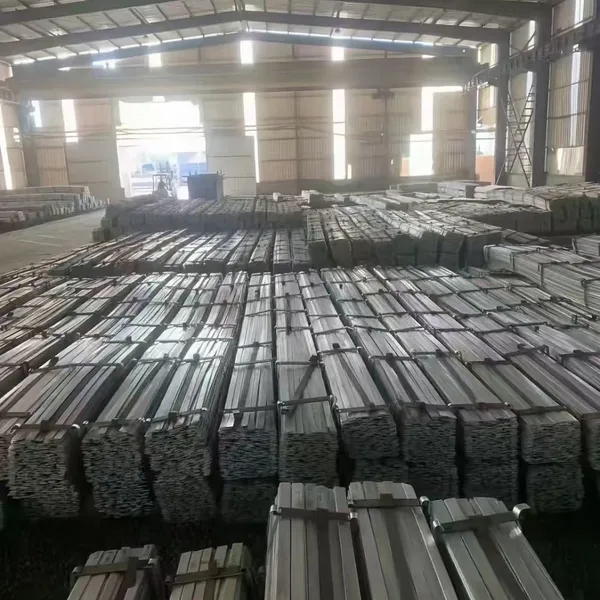
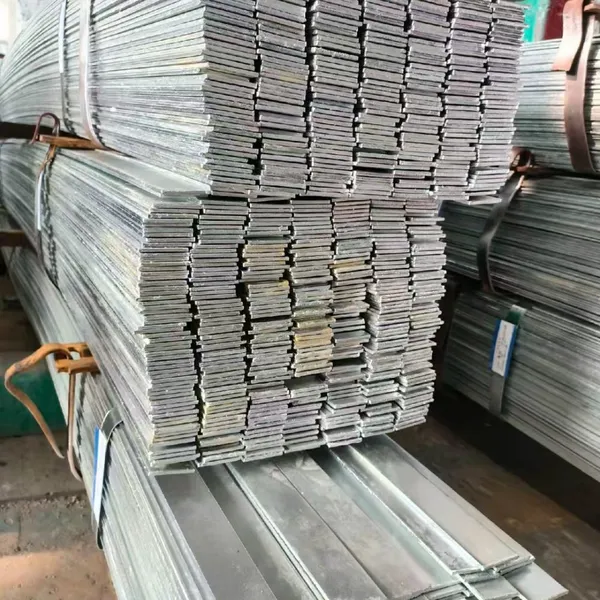
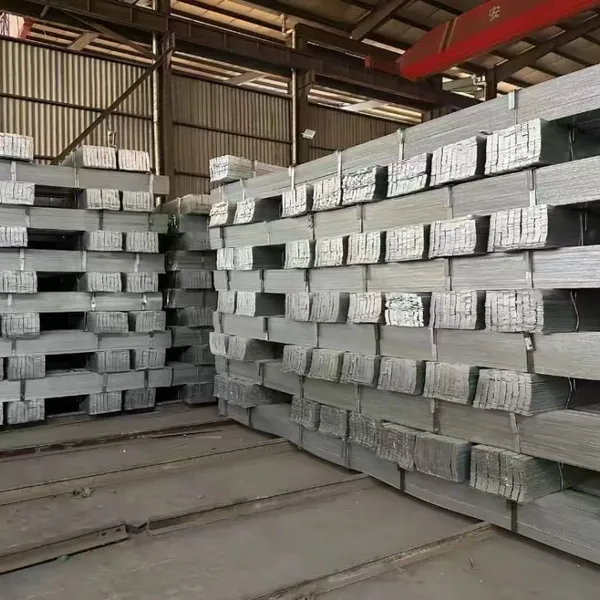
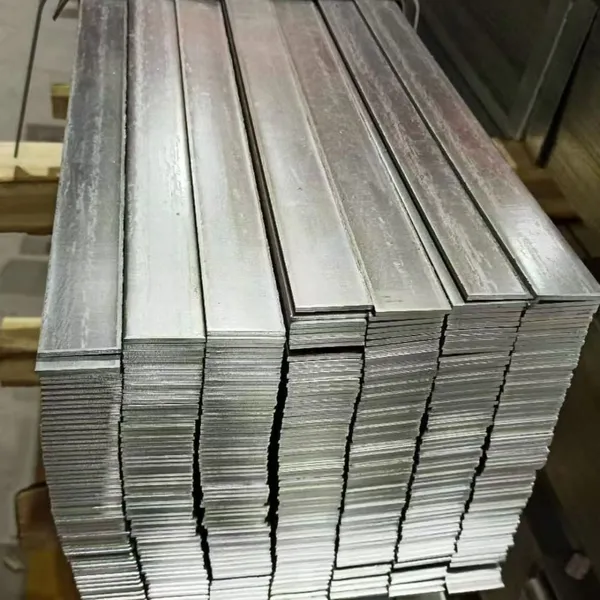
Flat Steel & Polished Flat Steel,20、25、30、40、50、60、80、100、120、150、200mm


Related Products
-
 Flat Steel & Polished Flat Steel,20、25、30、40、50、60、80、100、120、150、200mmNegotiableMOQ: 5 Metric Tons
 -
Flat Steel & Polished Flat Steel,20、25、30、40、50、60、80、100、120、150、200mmNegotiableMOQ: 5 Metric Tons
-
Flat Steel & Polished Flat Steel,20、25、30、40、50、60、80、100、120、150、200mmNegotiableMOQ: 5 Metric Tons
-
Flat Steel & Polished Flat Steel,20、25、30、40、50、60、80、100、120、150、200mmNegotiableMOQ: 5 Metric Tons
-
Flat Steel & Polished Flat Steel,20、25、30、40、50、60、80、100、120、150、200mmNegotiableMOQ: 5 Metric Tons
1. Basic Definition
Flat Steel, commonly known as flat iron, is a long strip section steel with a rectangular cross-section and slightly blunt edges. As a general-purpose profile, it features high flatness and regular side edges, serving as a core basic material for steel structure engineering, mechanical manufacturing and infrastructure construction.
Conventional size range: width 12–300mm, thickness 3–60mm. Core features: width-thickness ratio ≥ 3, rounded and burr-free corners, suitable for various processing and installation scenarios.
2. Main Classification
2.1 Classification by Production Process
Hot Rolled Flat Steel: Formed by high-temperature rolling with natural oxide scale on the surface. It features moderate dimensional accuracy, excellent overall toughness and tensile properties, and high structural stability at a low cost. As the most widely used mainstream product, it is applicable to most conventional engineering and mechanical structures.
Cold Drawn Flat Steel: Finely processed by cold drawing at room temperature. It has a smooth and bright surface, extremely small dimensional tolerance and high straightness with far higher precision than hot rolled flat steel, ideal for precision components with strict requirements on dimension, appearance and assembly accuracy.
Forged Flat Steel: Shaped by high-temperature forging with dense and uniform internal steel structure free of porosity and shrinkage defects. It boasts outstanding compression resistance, impact resistance and heavy-load bearing capacity, far exceeding ordinary hot rolled flat steel. It is mainly used for heavy-duty equipment, load-bearing structures and high-strength stressed components.
2.2 Classification by Material (Industrial General)
Ordinary Carbon Structural Steel: Main grades Q235B and Q195. It features stable material performance and high cost performance with excellent weldability, drillability and bendability, suitable for ordinary building structures, supports, guardrails, embedded parts and other conventional scenarios.
High-Strength Low-Alloy Steel: Main grades Q355 (original Q345), Q355ND and Q460C. Compared with ordinary carbon steel, it has higher strength, better impact resistance, and excellent low-temperature resistance and compression bearing performance, applicable to bridges, steel structure projects, infrastructure in alpine regions, heavy machinery and other harsh working conditions.
Spring & Tool Steel: Main grades 65Mn, 60Si2Mn, 45#, T8 and T10. It features excellent elasticity, high hardness and strong wear resistance, specially used for manufacturing elastic components, mechanical springs, cutting tools, mold blanks and wear-resistant accessories.
2.3 Classification by Application
General Structural Flat Steel: Applied to building steel structures, equipment supports, stairs, guardrails, wall embedded parts, lightning grounding, bridge frame bases and other general scenarios.
High-Strength Load-Bearing Flat Steel: Made of low-alloy materials, used for heavy-duty equipment bases, bridge reinforcement, stressed structures of engineering machinery, vehicle frames and other load-bearing parts.
Spring & Tool Flat Steel: Specially used for manufacturing various mechanical springs, shock-absorbing parts, hand tools, small molds and wear-resistant stamping accessories.
3. Specification, Size & Weight Standard (GB/T 704-2016)
Specification Representation: Width × Thickness (mm). Common specifications include 50×5, 80×6, 100×10, 40×4 (special for grounding engineering).
Conventional Size Range:
Common Width: 20, 25, 30, 40, 50, 60, 80, 100, 120, 150, 200mm
Common Thickness: 3, 4, 5, 6, 8, 10, 12, 16, 20mm
Standard Length: 6m, 9m, 12m. Custom non-standard lengths and cutting services are available.
Theoretical Weight Calculation Formula: Weight (kg/m) = Width(mm) × Thickness(mm) × 0.00785
Example: The weight of 50×5 flat steel per meter = 50×5×0.00785 = 1.96kg/m. The accurate weight facilitates engineering budgeting and blanking.
4. Brief Production Process
4.1 Hot Rolled Flat Steel Process
Steel billet inspection → High-temperature heating (1100–1250℃) → Multi-pass precision rolling → Air cooling shaping → Fixed-length cutting → Mechanical straightening → Surface quality inspection → Packaging and warehousing. The finished product features good flatness, no distortion and uniform stable mechanical properties.
4.2 Cold Drawn Flat Steel Process
Hot rolled base material selection → Pickling and descaling → Surface lubrication treatment → Precision cold drawing by cold drawing machine → Finishing and straightening → Fixed-length cutting → Polishing and quality inspection. The finished product has precise dimensions, bright surface and no oxide scale.
4.3 Forged Flat Steel Process
High-quality steel billet heating → Pressure forging shaping → Multiple compaction forging → Quenching and tempering heat treatment → Finishing processing → Quality inspection and warehousing. The internal grain structure of steel is refined with significantly improved strength, toughness and fatigue resistance.
5. Core Product Characteristics
Strong Compatibility: Complete and dense specifications for direct selection, eliminating extensive secondary processing and greatly saving materials and construction time.
Excellent Machinability: Uniform material properties support various mechanical processing including welding, bending, drilling, cutting and stamping, adapting to most processing technologies.
High Structural Stability: Good overall flatness with low distortion and deformation, featuring excellent load-bearing capacity, wind pressure resistance and impact resistance to ensure high safety of infrastructure and mechanical structures.
Optional Surface Treatments: Multiple surface treatments are available including hot rolled black surface, cold drawn bright surface, hot-dip galvanizing, electro-galvanizing, painting, rust removal and shot blasting to adapt to different service environments.
High Material Utilization Rate: Rolled per national standard negative tolerance with accurate dimensions, reducing waste and improving material utilization rate by 1%-5% compared with ordinary steel plate blanking.
6. Main Application Fields
Construction Engineering: Primary and secondary steel structure components, wall embedded parts, roof supports, stair handrails, guardrails, building lightning grounding, steel structure reinforcement parts.
Mechanical Manufacturing: Equipment bases, racks, guide rails, supports, flange blanks, mechanical shock-absorbing parts, mold blanks and general mechanical parts.
Transportation & Heavy Industry: Automobile chassis frames, engineering mechanical structural parts, bridge reinforcing ribs, marine ordinary structural parts, heavy-duty equipment load-bearing components.
Electric Power Infrastructure: Cable tray supports, fixed bases for electrical equipment, distribution cabinet components, special flat steel for grounding engineering.
Hardware Products: Hardware accessories, tool base materials, warehouse equipment frames, shelf supports, non-standard hardware processing parts.
7. Execution Standards
Core National Standard: GB/T 704-2016 Dimension, Shape, Weight and Allowable Deviation of Hot Rolled Steel Bars
Material Performance Standards: GB/T 700 Carbon Structural Steel, GB/T 1591 High-Strength Low-Alloy Structural Steel
International General Standards: ASTM A36/A572 Carbon and Low-Alloy Structural Steel Standards
8. Purchasing & Quality Inspection Guidelines
8.1 Material Selection
Ordinary indoor and outdoor structures, supports and embedded parts: Adopt Q235B for optimal cost performance;
Heavy-load, low-temperature, bridge and heavy machinery working conditions: Adopt Q355 high-strength material;
Springs, wear-resistant parts and tool accessories: Adopt special materials such as 65Mn, 45# and T8.
8.2 Process Selection
Conventional structures with no high precision or appearance requirements: Prefer hot rolled flat steel for low cost and stable performance;
Precision assembly scenarios with high appearance and strict tolerance requirements: Select cold drawn bright flat steel;
Ultra-high load-bearing, impact-resistant and high-strength working conditions: Select forged flat steel.
8.3 Appearance & Tolerance Inspection
No cracks, scabs, folds, inclusions or severe rust on the surface with flat and burr-free end faces;
Qualified overall flatness without obvious distortion or bending;
Dimensional tolerance complies with national standards: conventional width tolerance ±1.0mm, thickness tolerance ±0.3mm; the allowable tolerance range increases with thickness.
9. Packaging & Delivery Instructions
Packaging: Reinforced mechanical bundling, 2-5 tons per bundle. Exclusive labels are pasted on the ends, marking specifications, material, furnace number, weight, production date and execution standard for traceability.
Delivery Status: Hot rolled black surface, cold drawn bright surface, hot-dip galvanized, electro-galvanized, painted anti-corrosion and other customizable states.
Processing Services: Custom fixed-length cutting, random cutting, bending, drilling, polishing, anti-corrosion treatment and other deep processing services are available.

Send Inquiry to This Supplier



You May Also Like
-
Flat Steel & Polished Flat Steel,20、25、30、40、50、60、80、100、120、150、200mmNegotiableMOQ: 5 Metric Tons
-
Flat Steel & Polished Flat Steel,20、25、30、40、50、60、80、100、120、150、200mmNegotiableMOQ: 5 Metric Tons
-
Flat Steel & Polished Flat Steel,20、25、30、40、50、60、80、100、120、150、200mmNegotiableMOQ: 5 Metric Tons
-
Steel Wire & Stock Steel Wire,45#, 60#, 65#, 70#, 75#, SWRH45A, SWRH62A, SWRH72ANegotiableMOQ: 5 Metric Tons
-
Steel Wire & Stock Steel Wire,45#, 60#, 65#, 70#, 75#, SWRH45A, SWRH62A, SWRH72ANegotiableMOQ: 5 Metric Tons
-
Steel Wire & Stock Steel Wire,45#, 60#, 65#, 70#, 75#, SWRH45A, SWRH62A, SWRH72ANegotiableMOQ: 5 Metric Tons
-
Steel Wire & Stock Steel Wire,45#, 60#, 65#, 70#, 75#, SWRH45A, SWRH62A, SWRH72ANegotiableMOQ: 5 Metric Tons
-
Steel Wire & Stock Steel Wire,45#, 60#, 65#, 70#, 75#, SWRH45A, SWRH62A, SWRH72ANegotiableMOQ: 5 Metric Tons
-
Steel Wire & Stock Steel Wire,45#, 60#, 65#, 70#, 75#, SWRH45A, SWRH62A, SWRH72ANegotiableMOQ: 5 Metric Tons
-
Steel Wire & Stock Steel Wire,45#, 60#, 65#, 70#, 75#, SWRH45A, SWRH62A, SWRH72ANegotiableMOQ: 5 Metric Tons


