








 Contact Platform Support
 Help Center
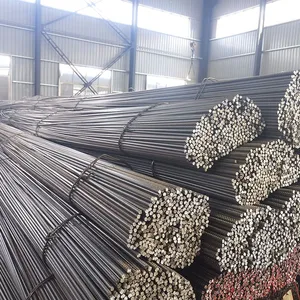
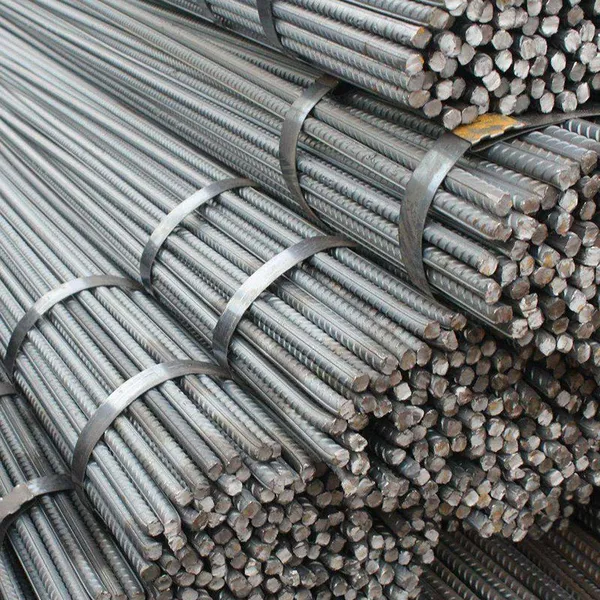
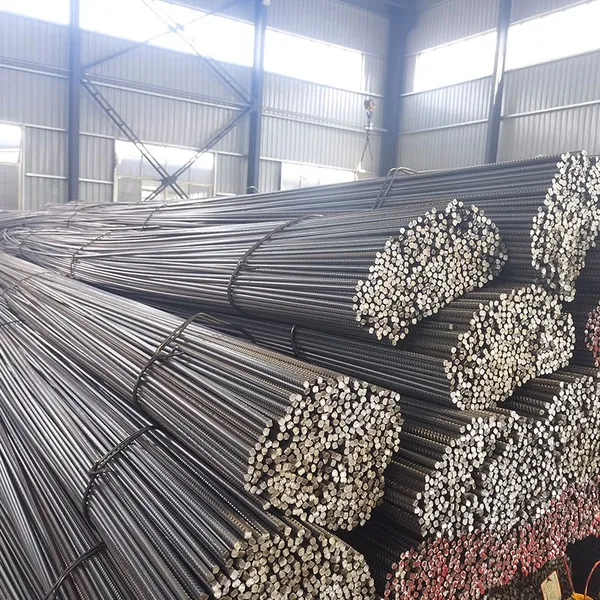
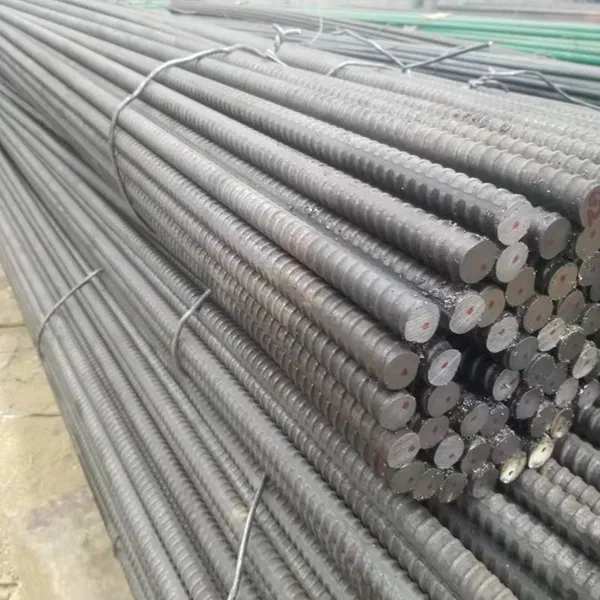
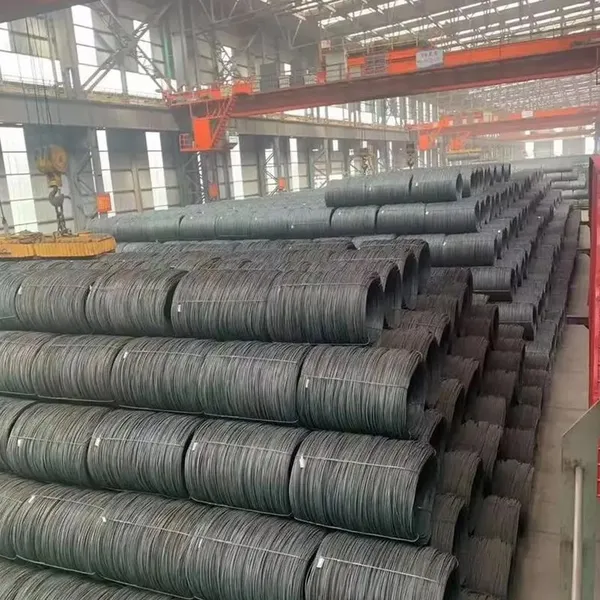
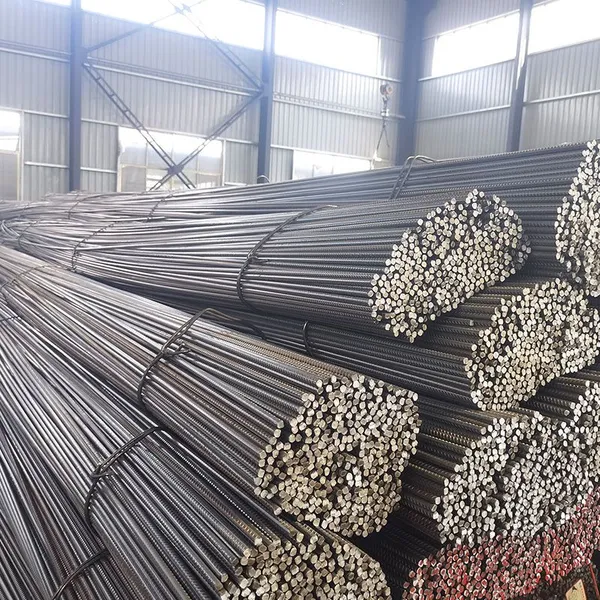
HRB400, HRB500, Deformed Steel Bars, Steel Bar Construction, 6mm, 8mm, 10mm Steel Bar Coiled Steel Bars
Product Spotlights
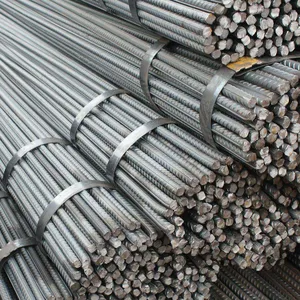
2. Deformed bar ensures strong bonding through ribbed surface design.
3. Reinforcing steel bar provides reliable corrosion resistance and durability.



Related Products
-
 Q235B Q355B A36 SS400 S235JR S355JR H Steel Beam For BridgeUS$ 465 - 495MOQ: 10 Metric Tons
 -
12m 6mm 8mm 10mm 12mm 14mm 16mm 18mm Steel Bar Steel RebarUS$ 420 - 455MOQ: 10 Metric Tons
-
Hot-rolled Steel Bars HRB355/HRB400/HRB500, Hot-rolled Non-alloy Steel Bars for Construction.US$ 420 - 455MOQ: 10 Metric Tons
-
8mm-16mm HRB355/HRB400/HRB500 Steel Bars, Cutting Service Available.US$ 420 - 455MOQ: 10 Metric Tons
-
6m 9m 12m HRB400 HRB400 Reinforcing Steel Rebar for ConstructionUS$ 420 - 455MOQ: 10 Metric Tons
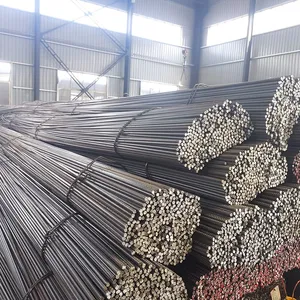
Steel rebar (reinforcing bar) is one of the most important steel products in construction engineering, typically manufactured through hot rolling with a deformed surface (ribs or lugs) to enhance the tensile strength of concrete. Rebars have a circular cross-section and offer excellent bond performance and mechanical strength. Common foreign grades include: ASTM A615 (USA) Grade 40, Grade 60, Grade 75; BS 4449 (UK) B500B; DIN 488 (Germany) BSt 500 S; JIS G3112 (Japan) SD295A, SD345, SD390; and EN 10080 (Europe) B500A, B500B, B500C. To look up technical parameters and mechanical properties, use the search term “rebar specifications” for detailed information.
Main Applications
Rebar is widely used in various concrete structures, including foundations, beams, columns, and slabs of high-rise buildings, as well as bridges, tunnels, hydraulic structures, port terminals, and nuclear reactor containments. Different rebar grades suit different stress applications: Grade 40 is suitable for low-rise or non-critical structures, while high-strength Grade 60 and Grade 75 are used in high-rise buildings and long-span bridges. The European B500B grade, known for its high ductility and weldability, is suitable for seismic zones. For seismic design considerations, search “seismic rebar grade” to find appropriate rebar grades.
Surface Deformation and Processing Properties
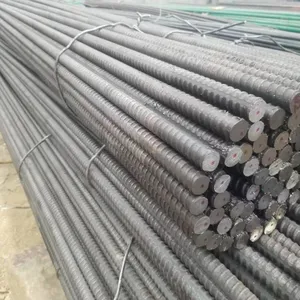
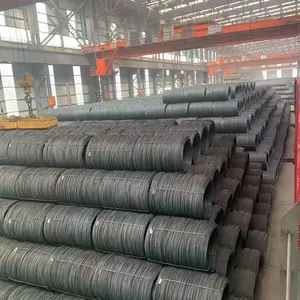
Rebar surfaces typically feature two longitudinal ribs and uniformly spaced transverse ribs (crescent or high ribs) to enhance mechanical interlocking with concrete. Rebar can be classified by diameter into small-diameter rebar (6 mm–12 mm, often supplied in coils) and large-diameter rebar (12 mm–50 mm, supplied as straight bars). For construction needs, rebar is often bent, cut, welded, or connected using threaded mechanical splices. For guidance on processing different diameters, search using “rebar bending and cutting guide” for fabrication instructions.
International Trade and Selection Suggestions
In international sourcing, key factors to consider include yield strength, tensile strength, elongation, chemical composition, and weldability class. Grade equivalences exist across different standards — for example, ASTM A615 Grade 60 may correspond to B500B in BS 4449 or B500B in EN 10080. For technical comparison and substitution, use the search term “rebar equivalent grade” for standard conversion. To find globally certified suppliers or current market prices, use “rebar suppliers USA” for reliable resources.

Send Inquiry to This Supplier



You May Also Like
-
High-quality Rebar, Deformed Carbon Steel, Manufactured in Chinese Factories, Low Price and Quality.US$ 420 - 455MOQ: 10 Metric Tons
-
Hot-rolled HRB400 ASTM Grade Deformable Steel Bars, With Cutting Service, Suitable for Concrete Construction.US$ 420 - 455MOQ: 10 Metric Tons
-
D10 D12 D16 D20 Hrb400 /500 Grade 60 6/10/12m and 10mm 12mm 16mm Steel RebarUS$ 420 - 455MOQ: 10 Metric Tons
-
10mm and 12mm Hot-rolled Steel BarsUS$ 420 - 455MOQ: 10 Metric Tons
-
Reinforcing Deformed Steel Rebars Iron Bar 6mm 8mm 10mm 12mmUS$ 420 - 455MOQ: 10 Metric Tons
-
HRB500E Rebar Binding Material, 8mm, 10mm, 12mm, Hot-rolled Deformed Steel Bars, Steel Bars, Construction Steel BarsUS$ 420 - 455MOQ: 10 Metric Tons
-
Building Materials: 6mm, 8mm, 10mm, 12mm, 16mm, 20mm, 25mm Reinforced and Deformable TMT Steel BarsUS$ 420 - 455MOQ: 10 Metric Tons
-
HRB400 HRB500 6m 9m 12m 6mm 8mm 10mm 12mm 32mm Concrete Deformed Steel RebarUS$ 420 - 455MOQ: 10 Metric Tons
-
High-quality Steel Rebar for Construction, Adn500 Threaded Steel, 12mUS$ 420 - 455MOQ: 10 Metric Tons
-
Customized Size 6m 9m 12m HRB400 HRB500 Reinforcing Steel Rebar for ConstructionUS$ 420 - 455MOQ: 10 Metric Tons


