








 Contact Platform Support
 Help Center
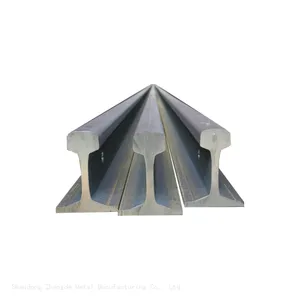
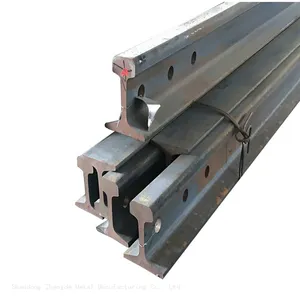
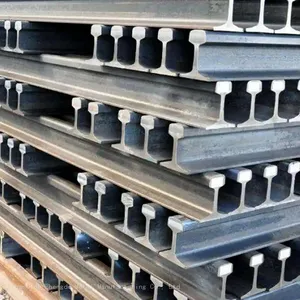
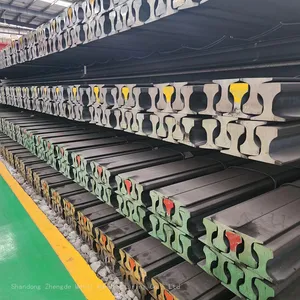
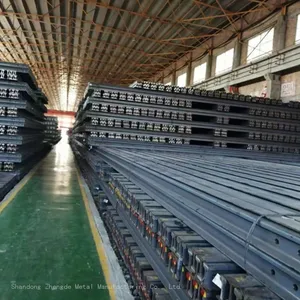
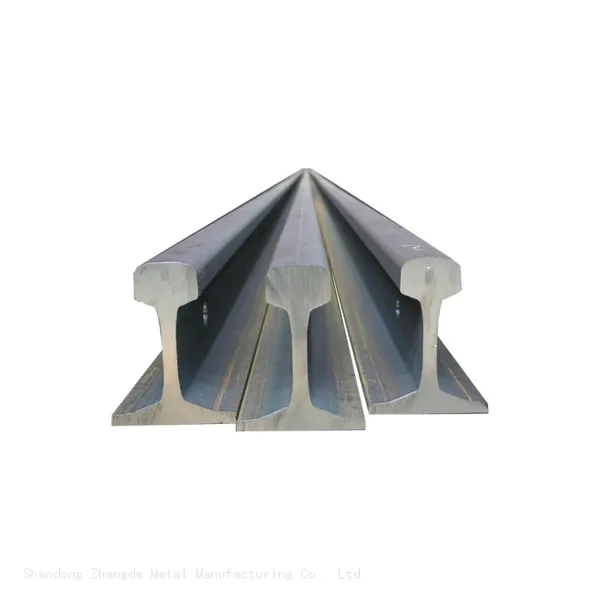
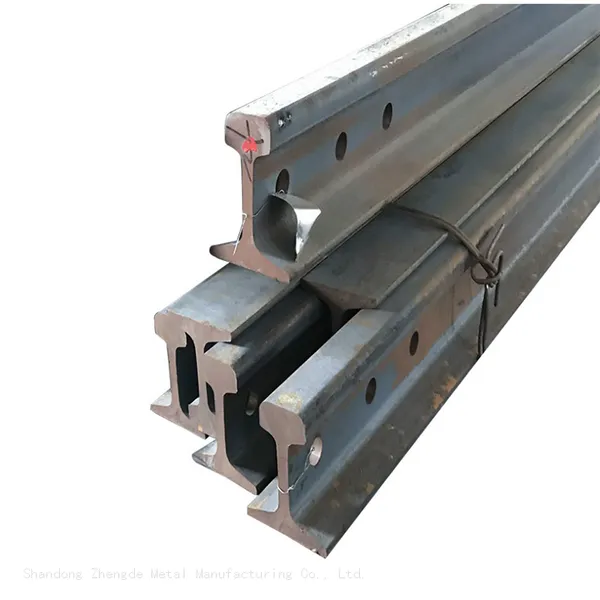
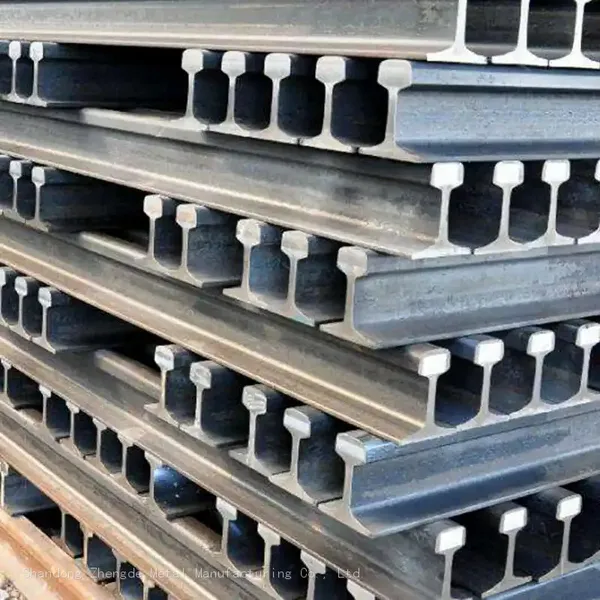
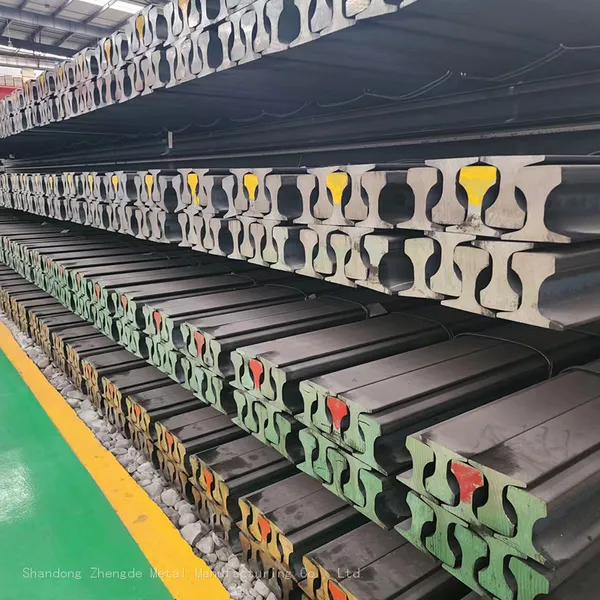
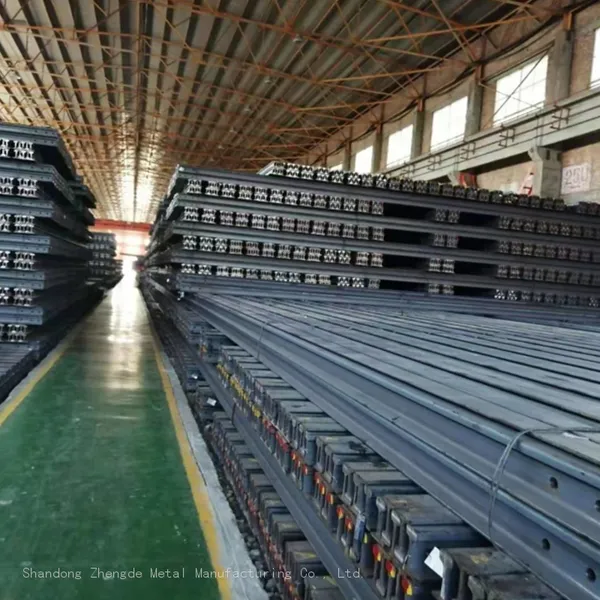
15KG/M Steel Rail/ Light Rail Track
Product Spotlights
2.Rails provide stable support for heavy trains.
3.Heavy rail ensures long service life under high loads.


Related Products
-
 Light Steel Rail 12kg/m for Mining TrackUS$ 550 - 650MOQ: 10 Metric Tons
 -
Steel Structure Warehouse Customizable Steel Building for Commercial UseUS$ 515 - 535MOQ: 50 Metric Tons
-
Refab Galvanized Steel Frame Light Warehouse Structure Workshop Building StructureUS$ 515 - 535MOQ: 50 Metric Tons
-
Prefabricated Warehouses Q345/Q235 Low Carbon Steel Workshop Light Steel StructureUS$ 515 - 535MOQ: 50 Metric Tons
-
Prefab Steel Frame Modular Aircraft Hangar With Hot Dip Galvanized Surface TreatmentreUS$ 515 - 535MOQ: 50 Metric Tons
Steel rail is the main component of railway tracks, used to guide the wheels of locomotives and rolling stock while withstanding train loads. Steel rails are typically manufactured from high-carbon or alloy steel through hot rolling, featuring an I-shaped cross-section with high bending strength, wear resistance, and fatigue resistance. Common foreign rail grades include: ASTM A1 (USA) series such as 70 lb, 90 lb, and 132 lb; EN standards (Europe) such as R260, R350HT, and R370CrHT; JIS E1101 (Japan) series such as 50N and 60 kg/m; and BS 11 (UK) series such as BS90A and BS113A. To look up technical parameters for different standards, use the search term “rail steel grades” for detailed information.
Main Applications
Steel rails are widely used in mainline railways, high-speed rail lines, subways and urban rail transit, as well as mining and port dedicated lines. Different service environments impose varying performance requirements on steel rails: high-speed railways demand extremely high straightness and low residual stress; heavy-haul railways emphasize wear resistance and contact fatigue resistance; mining lines often use light rails (e.g., 8 kg/m, 12 kg/m, 15 kg/m) for temporary transport or narrow-gauge railways. For high-speed rail selections, search “high speed rail grade” to find suitable steel types.
Heat Treatment and Performance Enhancement
To extend service life, steel rails are often subjected to full-body heat treatment or rail head quenching. Common strengthening methods include: online heat-treated R350HT (EN standard) offering high hardness and good toughness; hypereutectoid rails such as R370CrHT with added microalloying elements for further improved wear resistance. Additionally, rail surfaces can undergo laser hardening or oil application to reduce wheel-rail wear. To compare wear resistance performance, it is advisable to search using “rail hardness HB chart” for hardness reference data.
International Trade and Selection Suggestions
In international sourcing, key factors to consider include rail weight (kg/m), steel grade, hardness range, and heat treatment condition. Grade equivalents may exist across different standards — for example, EN R260 may correspond to JIS 50N or a medium-carbon steel rail under ASTM standards. For technical comparison and substitution, use the search term “rail equivalent grade” for standard conversion. To find global rail suppliers or current price quotes, use “rail suppliers Europe” for reliable resources.

Send Inquiry to This Supplier


You May Also Like
-
Prefab Welding Truss Steel Structure Hangars Garage Hall Building ConstructionUS$ 515 - 535MOQ: 50 Metric Tons
-
Galvanized Light Metal Frame PVC Hangar Steel Structure Storage Building ConstructionUS$ 515 - 535MOQ: 50 Metric Tons
-
Long-Life Modern Steel Frame Warehouse ShedUS$ 515 - 535MOQ: 50 Metric Tons
-
Prefabricated Galvanised Steel Frame Modern Design Factory BuildingUS$ 515 - 535MOQ: 50 Metric Tons
-
Square BarUS$ 475 - 515MOQ: 10 Metric Tons
-
Prefab Steel Industrial Shed Drawing Sandwich Panel Metal Structure for WorkshopsUS$ 515 - 535MOQ: 50 Metric Tons
-
Prefab Temporary Steel Structure With H Beams Hot Dip Galvanized Mezzanine WarehousesUS$ 515 - 535MOQ: 50 Metric Tons
-
Carbon Steel Square BarUS$ 475 - 515MOQ: 10 Metric Tons
-
Premium Q195 Q235 Q345 Square Carbon Flat Bar Square BarUS$ 475 - 515MOQ: 10 Metric Tons
-
3D Prefab Modern Customized Steel Structure Building Warehouse WorkshopUS$ 515 - 535MOQ: 50 Metric Tons
