








 Contact Platform Support
 Help Center
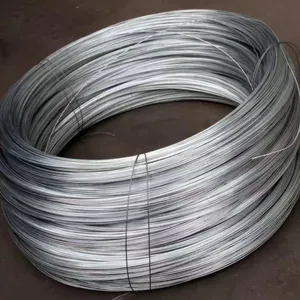
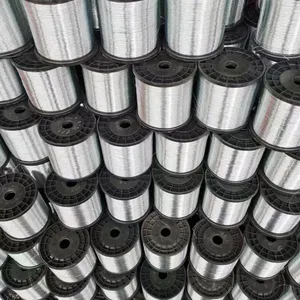
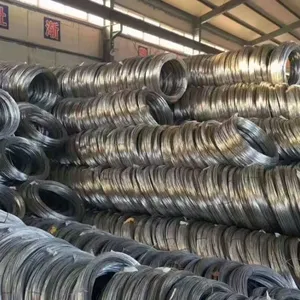
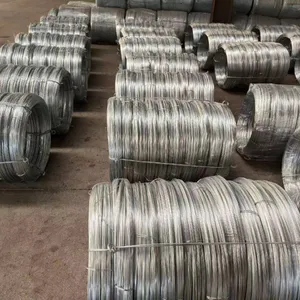
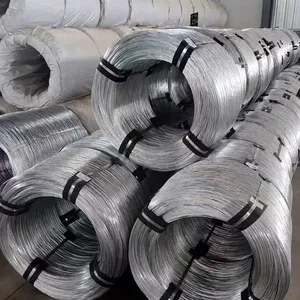
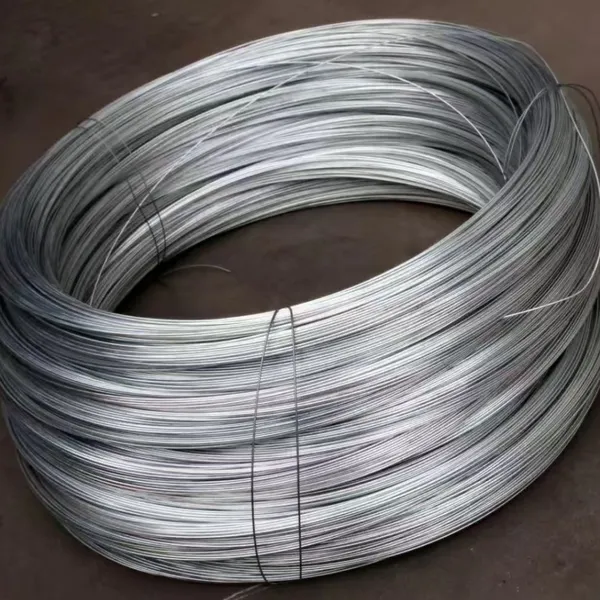
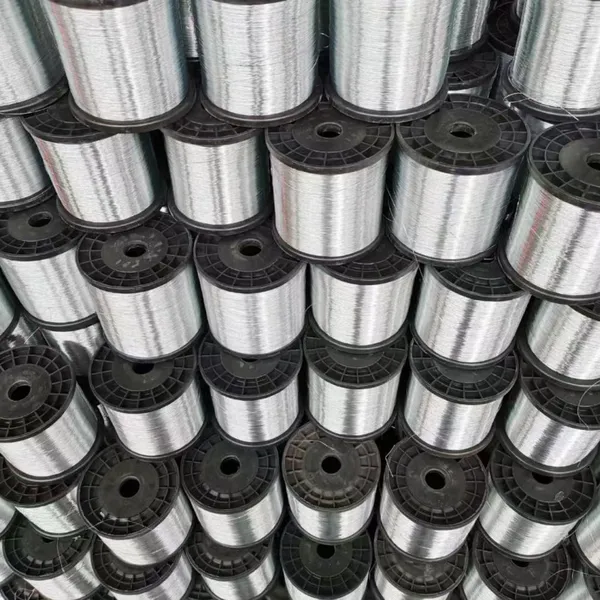
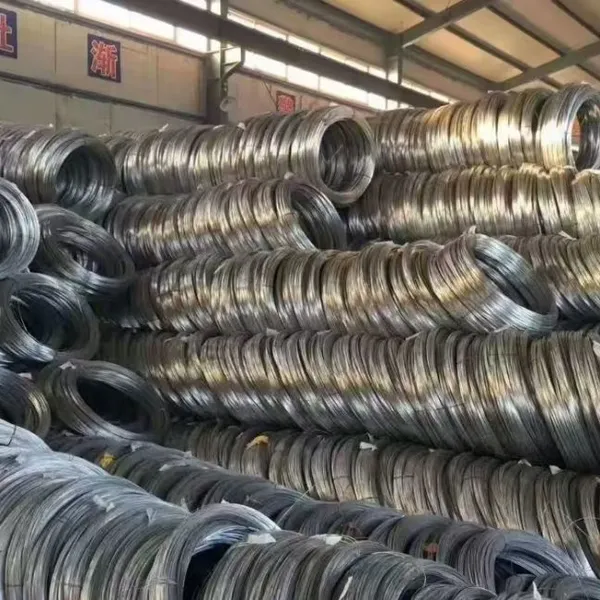
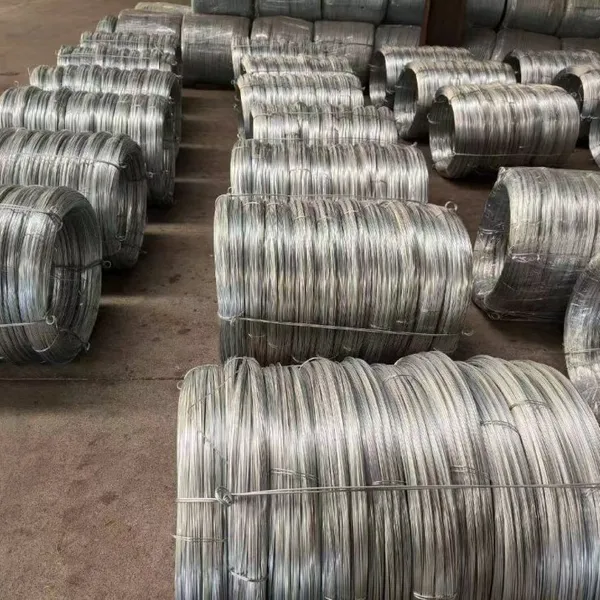
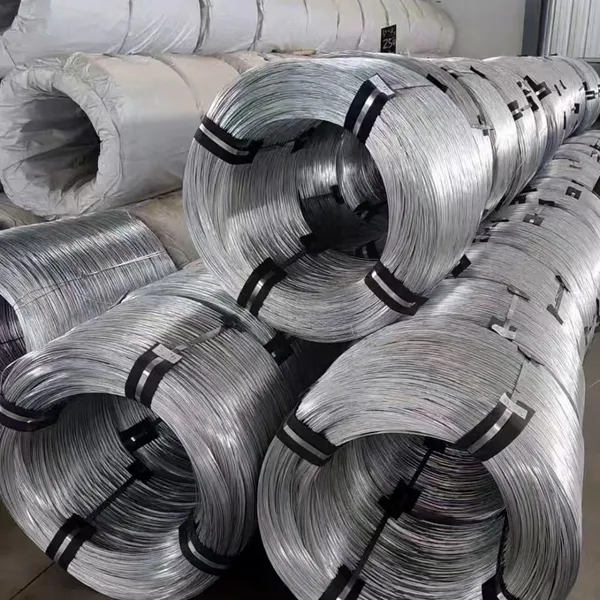
Steel Wire & Anti Rust Steel Wire,GB/T 341-2008、GB/T 17101-2008、GB/T 3091-2008


Related Products
-
 Steel Wire & Anti Rust Steel Wire,GB/T 341-2008、GB/T 17101-2008、GB/T 3091-2008NegotiableMOQ: 5 Metric Tons
 -
Steel Wire & Anti Rust Steel Wire,GB/T 341-2008、GB/T 17101-2008、GB/T 3091-2008NegotiableMOQ: 5 Metric Tons
-
Steel Wire & Anti Rust Steel Wire,GB/T 341-2008、GB/T 17101-2008、GB/T 3091-2008NegotiableMOQ: 5 Metric Tons
-
Steel Rebar & Ribbed Rebar,ISO 6935‑2、ASTM A615、BS 4449、JIS G3112NegotiableMOQ: 5 Metric Tons
-
Steel Rebar & Ribbed Rebar,ISO 6935‑2、ASTM A615、BS 4449、JIS G3112NegotiableMOQ: 5 Metric Tons
Detailed Description of Steel Wire Products
I. Product Overview
Steel Wire is one of the four major types of steel products (plates, pipes, sections, wires). It is a linear metal product made from hot-rolled wire rod through cold drawing, heat treatment and surface treatment.
II. Material and Chemical Composition
It is mainly made of carbon steel, with the core components as follows:
Mild Steel: C≤0.25%, such as Q195, Q235, which is soft and easy to process.
Medium Carbon Steel: C=0.25%–0.60%, such as 45# steel, with medium strength, used for springs and mechanical parts.
High Carbon Steel: C≥0.60%, such as 65#, 70# steel, with high hardness and strength, used for piano strings and tire cords.
III. Product Classification (GB/T 341-2008)
(1) By Cross-Section Shape
Round Steel Wire: The most common, with a diameter of 0.1–20mm.
Special-Shaped Steel Wire: Square, rectangular, triangular, elliptical, flat, trapezoidal, Z-shaped, etc.
(2) By Diameter Specification
Extra Fine:
Fine: 0.1–0.5mm
Thin: 0.5–1.5mm
Medium: 1.5–3.0mm
Thick: 3.0–6.0mm
Extra Thick: 6.0–8.0mm
Super Thick: >8.0mm
(3) By Tensile Strength (MPa)
Low Strength:
Lower Strength: 390–785
Ordinary Strength: 785–1225
Higher Strength: 1225–1960
High Strength: 1960–3135
Extra High Strength: >3135
(4) By Application
Ordinary Steel Wire: Welding electrodes, nail making, netting, packaging.
Cold Heading Steel Wire: Rivets, screws.
Electrical Steel Wire: Overhead communication lines, cable cores.
Spring Steel Wire: Automobile, machinery, furniture springs.
Prestressed Steel Wire: Concrete bridges, construction.
IV. Production Process
Raw Material: Hot-rolled wire rod (diameter 5.5–14mm).
Pickling: Remove oxide scale to prevent surface damage during drawing.
Cold Drawing: Draw to the target diameter through a wire drawing die to improve strength and precision.
Heat Treatment:
Annealing: For mild steel, to soften and increase plasticity.
Lead Bath Quenching: For high carbon steel, to achieve high strength and toughness (steel wire ropes, springs).
Quenching and Tempering: For medium carbon steel wire, to obtain comprehensive mechanical properties.
Surface Treatment:
Bright Surface (U): No coating, natural color.
Hot-Dip Galvanizing: Hot-dip galvanizing (Grade A/B), corrosion-resistant, service life 20–30 years.
Copper Plating: Enhance conductivity and adhesion (tire cords, hoses).
Plastic Coating: Outer layer of PE/PVC, wear-resistant, insulating and corrosion-resistant.
V. Core Performance Indicators
(1) Mechanical Properties
Tensile Strength: Maximum tensile force before fracture (MPa).
Elongation: Elongation at fracture (%), a plasticity indicator.
Number of Repeated Bending/Torsion: Toughness and fatigue resistance.
(2) Corrosion Resistance
Galvanized/plastic-coated steel wire can be used in humid, acid and alkali environments.
(3) Electrical Conductivity
Copper-plated/mild steel wire has good conductivity, used for electrical appliances and cables.
VI. Main Application Scenarios
Construction Engineering: Binding wire, steel mesh, prestressed steel strands, fencing nets.
Industrial Manufacturing: Springs, steel wire ropes, tire cords, hose reinforcement, welding electrodes.
Agriculture and Protection: Breeding fences, grassland nets, airport/highway guardrails.
Daily Necessities: Clothes hangers, luggage frames, crafts, cleaning balls.
VII. Packaging and Storage
Packaging: Large coils (50–1000kg/coil), small coils (5–50kg/coil) or straight bars.
Storage: Store in a dry and ventilated place to prevent moisture and rust; galvanized/plastic-coated products should avoid direct exposure to sunlight.
VIII. Executive Standards
GB/T 341-2008 Classification and Terminology of Steel Wire
GB/T 17101-2008 Hot-Dip Galvanized Steel Wire for Bridge Cables
GB/T 3091-2008 Welded Steel Pipes for Low Pressure Fluid Transport (Related to Galvanized Layer)

Send Inquiry to This Supplier



You May Also Like
-
Steel Rebar & Ribbed Rebar,ISO 6935‑2、ASTM A615、BS 4449、JIS G3112NegotiableMOQ: 5 Metric Tons
-
Steel Rebar & Ribbed Rebar,ISO 6935‑2、ASTM A615、BS 4449、JIS G3112NegotiableMOQ: 5 Metric Tons
-
Steel Rebar & Ribbed Rebar,ISO 6935‑2、ASTM A615、BS 4449、JIS G3112NegotiableMOQ: 5 Metric Tons
-
Steel Rebar & Ribbed Rebar,ISO 6935‑2、ASTM A615、BS 4449、JIS G3112NegotiableMOQ: 5 Metric Tons
-
Steel Rebar & Ribbed Rebar,ISO 6935‑2、ASTM A615、BS 4449、JIS G3112NegotiableMOQ: 5 Metric Tons
-
Steel Rebar & Ribbed Rebar,ISO 6935‑2、ASTM A615、BS 4449、JIS G3112NegotiableMOQ: 5 Metric Tons
-
Steel Rebar & Ribbed Rebar,ISO 6935‑2、ASTM A615、BS 4449、JIS G3112NegotiableMOQ: 5 Metric Tons
-
Steel Rebar & Ribbed Rebar,ISO 6935‑2、ASTM A615、BS 4449、JIS G3112NegotiableMOQ: 5 Metric Tons
-
Steel Sheet & Plate & Steel Sheet Pile,PU120、PU140、PU180NegotiableMOQ: 5 Metric Tons
-
Steel Sheet & Plate & Steel Sheet Pile,PU120、PU140、PU180NegotiableMOQ: 5 Metric Tons


