Contact Platform Support
 Help Center
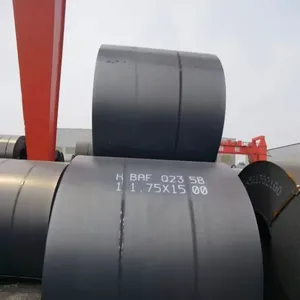
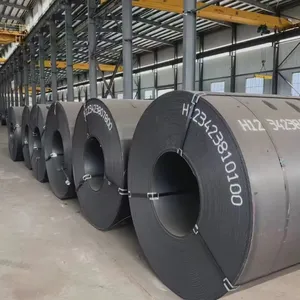
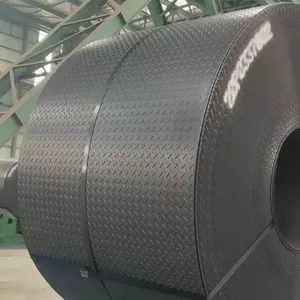
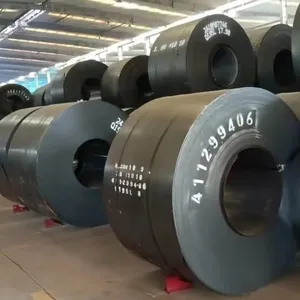
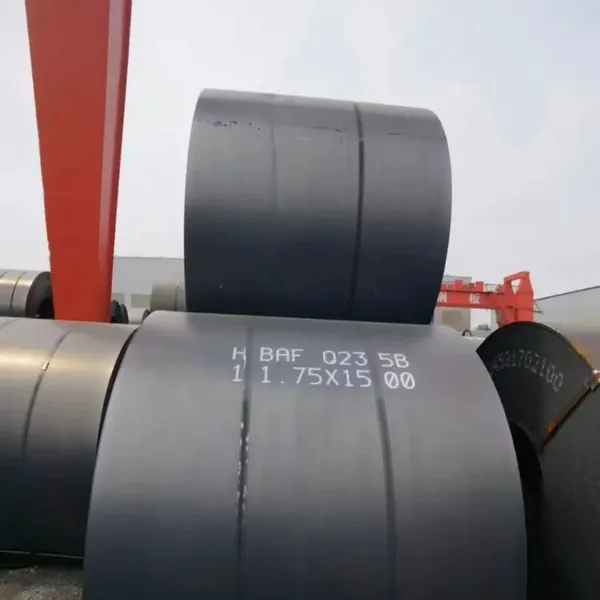
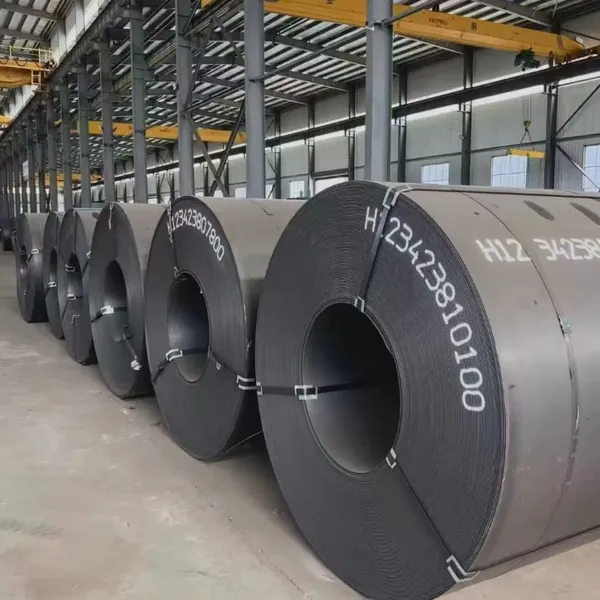
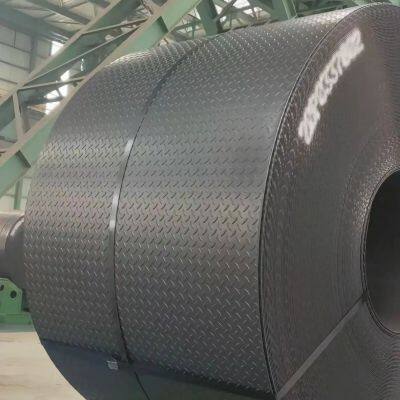
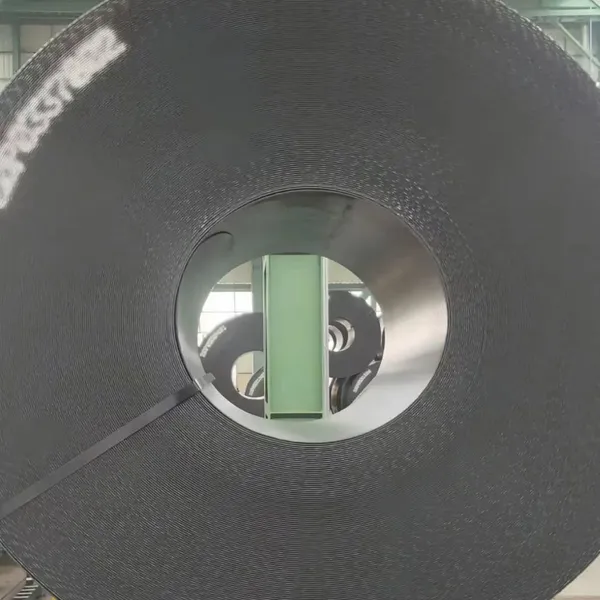
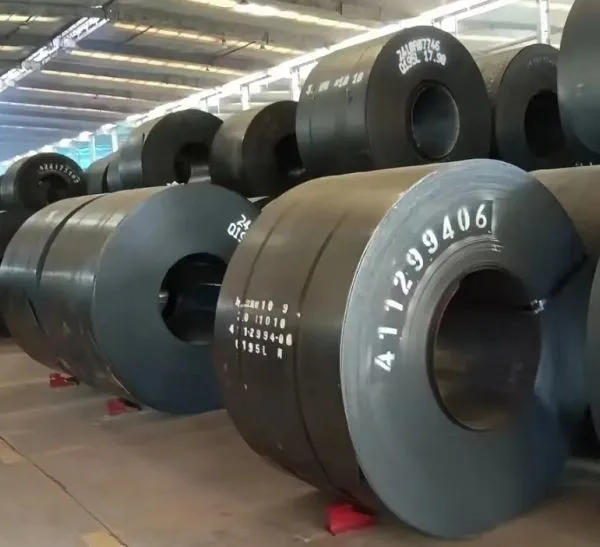
Steel Coil & Strip & Hot Rolled Pipe Coil,Q235、SS400、ASTM A36


Related Products
-
 Steel Coil & Strip & Hot Rolled Pipe Coil,Q235、SS400、ASTM A36NegotiableMOQ: 5 Metric Tons
 -
Steel Coil & Strip & Hot Rolled Pipe Coil,Q235、SS400、ASTM A36NegotiableMOQ: 5 Metric Tons
-
Steel Coil & Strip & Hot Rolled Pipe Coil,Q235、SS400、ASTM A36NegotiableMOQ: 5 Metric Tons
-
Steel Coil & Strip & Hot Rolled Pipe Coil,Q235、SS400、ASTM A36NegotiableMOQ: 5 Metric Tons
-
Steel Coil & Strip & Hot Rolled Pipe Coil,Q235、SS400、ASTM A36NegotiableMOQ: 5 Metric Tons
I. Product Overview
Hot-Rolled Pipe Coil (HRC for short) is a tubular coil product made from continuous casting slabs or blooming slabs through hot rolling process, which undergoes high-temperature heating, rolling, and laminar cooling. It is one of the widely used basic steel products in the metallurgical industry. Its production process relies on the high plasticity of metals at high temperatures to achieve efficient rolling. The product has both strength, toughness and processability, and can be subjected to subsequent finishing, cutting, coating and other treatments according to customer needs. It is widely used in various industrial fields such as construction, machinery, automobile, and pipeline transportation. It is the core base material for cold-rolled pipe processing, and also a key raw material for various structural parts and fluid conveying parts.
This product is produced in strict accordance with relevant domestic and international standards, balancing production efficiency and product quality. With cost advantages, excellent mechanical properties and wide adaptability, it has become an indispensable core steel product in industrial production.
II. Core Production Process
The production process of hot-rolled pipe coil is scientific and rigorous. The core link relies on high-temperature rolling technology to realize plastic deformation and performance optimization of raw materials. The specific process is as follows:
Raw Material Preparation: Select high-quality continuous casting slabs or blooming slabs, strictly control the chemical composition and surface quality of raw materials, remove defects such as slag inclusions and air holes, and ensure the stability of subsequent rolling;
High-Temperature Heating: Send the raw materials into a walking beam heating furnace and heat them to 1000℃~1300℃ (above the metal recrystallization temperature) to fully refine the metal grains, improve plasticity and reduce deformation resistance;
Rolling Processing: After descaling the heated billet with high-pressure water, it enters the roughing mill and finishing mill for successive rolling. The rolling parameters are controlled by computer to achieve precise control of thickness and width. The single-pass deformation can reach more than 80%, with extremely high production efficiency;
Laminar Cooling: After rolling, laminar cooling technology is used to cool the high-temperature pipe coil to the specified temperature, avoiding defects such as warping and cracks caused by uneven cooling, and optimizing the metal grain structure;
Coiling Forming: The cooled pipe billet is coiled into a coil by a coiler. The tension is strictly controlled during the coiling process to ensure the coil is neatly formed and avoid problems such as tower shape and edge folding;
Finishing and Inspection: According to customer needs, the coil is subjected to finishing treatments such as head cutting, tail cutting, straightening, leveling, pickling, and oiling, and then passed through physical and chemical testing and appearance inspection. After passing the inspection, it is marked, packaged and put into storage.
Core Process Advantages: High-temperature rolling can effectively eliminate casting defects in raw materials, refine the grain structure, and improve the mechanical properties of the product; at the same time, it simplifies the production process, reduces energy consumption and processing costs, and is suitable for large-scale continuous production. The unit processing cost is 30%~50% lower than that of the cold rolling process.
III. Specification Parameters
The specifications of this product can be customized according to customer's actual needs. The conventional specifications cover general industrial scenarios. The specific parameters are as follows (conventional range), and special specifications can be negotiated and customized:
Parameter Category |
Conventional Specification Range |
Description |
Thickness |
1.2mm~25mm |
The thickness can be customized within the range of 0.8mm~25.4mm according to requirements, and the thickness deviation ≤ ±0.05mm (precision grade) |
Width |
800mm~2050mm |
The conventional general width is 1200mm~1500mm, special width can be customized, and the width deviation ≤ ±1mm |
Coil Weight |
5 tons~28 tons |
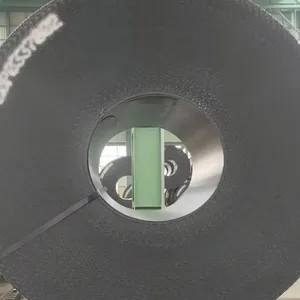
The conventional coil weight is 10 tons~20 tons, the maximum coil weight can reach 28 tons, and the inner diameter of the steel coil is usually 760mm |
Length |
Customizable |
It can be customized to any length according to customer's cutting needs, without fixed standards |
Surface State |
Uncoated, Coated |
The uncoated product has natural oxide scale on the surface, which can be treated by pickling and sandblasting; the coated product can be customized with anti-corrosion coatings such as galvanizing |
HS Code |
7208519000 |
General code, which can be adjusted according to the product's sub-specifications |
IV. Material and Grade Classification
The materials of hot-rolled pipe coils are mainly carbon structural steel and alloy structural steel. Different grades correspond to different chemical compositions and mechanical properties, adapting to different application scenarios. The common materials and grades are as follows:
Carbon Structural Steel
Ordinary Carbon Structural Steel: Q235 series, SS400 (JIS G3106), ASTM A36. It has moderate carbon content, balanced mechanical properties and low cost, and is suitable for general construction, mechanical processing and general fluid transportation scenarios;
High-Quality Carbon Structural Steel: C1010, C1018, C1026, C1045. It has high purity, low impurity content and excellent processing performance, and is suitable for precision machinery and parts processing;
Stamping Carbon Steel: SPHC, SPHD (JIS G3131). It has high elongation and excellent stamping performance, and can be used to make formed parts, automobile compartment panels, etc.
Alloy Structural Steel
Low Alloy High Strength Steel: Q345B, ASTM A572. It adds alloy elements such as manganese and vanadium, has high yield strength (≥345MPa) and excellent impact toughness, and is suitable for heavy-load scenarios such as high-rise buildings, bridges and construction machinery;
Automotive Structural Steel: SAPH400, SAPH440 (JIS G3113). It has a good match between strength and plasticity, and is suitable for automobile beams, wheels, axle housings and other parts;
Special Alloy Steel: SG255, SG295 (JIS G3116), suitable for special scenarios such as liquefied petroleum gas cylinders.
Note: Hot-rolled pipe coils of special materials and grades can be customized according to customer needs, and the chemical composition (such as sulfur and phosphorus content ≤ 0.015%) is strictly controlled to meet the performance requirements of specific scenarios.
V. Core Performance Characteristics
Relying on the unique production process, hot-rolled pipe coils have the following core performance advantages, adapting to multi-scenario application needs. Different from the high-precision characteristics of cold-rolled pipe coils, they take "high efficiency, high quality and low cost" as the core competitiveness:
Balanced Mechanical Properties: During the high-temperature rolling process, the metal grains are fully refined, casting defects are eliminated, and a uniform deformed structure is formed. It has both moderate strength and excellent toughness, with an elongation of more than 38%~40%, avoiding the risk of brittle fracture, and excellent subsequent processing performance;
Excellent Processing Performance: It has good weldability, stampability and machinability. When the carbon equivalent Ceq ≤ 0.40%, it can be directly welded without special processes, and can be subjected to secondary processing such as bending, stamping and cutting according to needs, adapting to various processing scenarios;
Controllable Dimensional Accuracy: Through computer-controlled rolling and cooling processes, the thickness and width deviations are controlled within a reasonable range, the roundness error ≤ 1% of the diameter, and the wall thickness uniformity is good (the minimum wall thickness is not less than 80% of the design value), meeting the installation and use needs of different scenarios;
Significant Cost Advantage: The production process is simplified, energy consumption is low, the unit processing cost is lower than that of cold-rolled products, and the raw material utilization rate is high. It is suitable for large-scale procurement and mass production, which can effectively reduce the customer's production cost;
Strong Durability: After heat treatment such as normalizing, it can eliminate rolling stress, improve hardness (up to 250HBW) and dimensional stability. In the salt spray test, there are no obvious rust points within 24 hours, adapting to complex working conditions such as outdoors and humidity;
Environmental Protection and Energy Saving: The production process adopts continuous and automated processes, and the energy consumption and pollutant emissions are in line with industry standards. It is recyclable, meeting the needs of green industrial development.
Supplement: Typical Mechanical Performance Reference (conventional material):
Thickness Range (mm) |
Yield Strength (MPa) |
Tensile Strength (MPa) |
Elongation A50mm (%) |
180° Bending Test |
1.5~2.5 |
≤290 |
≥310 |
≥38 |
D=0a |
2.5~3.0 |
≤290 |
≥300 |
≥38 |
D=0a |
3.0~4.0 |
≤290 |
≥300 |
≥40 |
D=1/2a |
VI. Application Fields
With excellent performance and cost advantages, hot-rolled pipe coils cover a variety of industrial fields and are basic raw materials in industrial production. The specific applications are as follows:
Construction and Infrastructure Field: Used to make building steel structures, bridge components, pile pipes, scaffolding, plant columns, etc. Especially the low-alloy high-strength grades can meet the needs of heavy load and earthquake resistance;
Mechanical Manufacturing Field: As a raw material for mechanical parts, it is used to process gears, shafts, flanges, bases, etc. High-quality carbon structural steel grades can be adapted to precision mechanical processing;
Automotive Industry Field: Used to make automobile beams, wheels, axle housings, compartment panels and other parts, adapting to the lightweight needs of commercial vehicles and passenger vehicles, and realizing the supply of vehicle steel;
Pipeline Transportation Field: Used to make ordinary fluid conveying pipes, welded steel pipes, oil casings, boiler pipes, etc., adapting to the transportation of water, gas, oil and other media, especially suitable for large-diameter pipeline scenarios;
Cold-Rolled Base Material Field: As the core raw material for cold-rolled pipes and cold-rolled plates, after pickling and cold rolling, it can produce thinner and more precise cold-rolled products, which are used in precision instruments, medical equipment and other scenarios;
Other Fields: Used to make containers, storage shelves, agricultural machinery, ship components, etc. At the same time, it can be coated according to needs to adapt to special working conditions such as outdoors and humidity.
VII. Implementation Standards
This product is produced and inspected in strict accordance with relevant domestic and international standards to ensure the consistency of product quality. The main implementation standards are as follows:
Domestic Standards: GB/T 3088 (Seamless Steel Pipe Standard), GB/T 3088.1 (Carbon Structural Steel Seamless Pipe Standard), GB/T 228.1 (Tensile Test Standard), GB/T 229 (Impact Test Standard);
International Standards: ASTM A36, ASTM A572, ASTM A1011 (American Standards), JIS G3101, JIS G3131, JIS G3106 (Japanese Standards), ISO 3183, ISO 10018 (International General Standards);
Enterprise Standards: On the basis of complying with national and international standards, formulate enterprise internal control standards to further improve dimensional accuracy, surface quality and mechanical properties, and meet higher customer needs.
VIII. Inspection Standards and Quality Control
To ensure product quality, each batch of hot-rolled pipe coils undergoes a strict inspection process, and the production links and finished product quality are controlled throughout the process. The specific inspection contents are as follows:
Raw Material Inspection: Conduct chemical composition analysis and appearance inspection on the incoming slabs, remove defects such as slag inclusions, air holes and cracks, and ensure the raw materials are qualified;
Process Inspection: During the rolling process, real-time detect parameters such as temperature, rolling speed, thickness and width to ensure that the process parameters meet the standards and avoid problems such as dimensional deviation and poor forming;
Finished Product Inspection:
Appearance Inspection: Check whether the coil surface has defects such as cracks, slag inclusions, scratches and excessive oxide scale. The defect depth does not exceed 10% of the wall thickness, and the width does not exceed 1mm;
Physical and Chemical Inspection: Sampling for tensile test, impact test and hardness test to ensure that the mechanical properties meet the corresponding grade standards;
Dimensional Inspection: Detect dimensional parameters such as thickness, width, coil diameter and roundness to ensure that the deviation meets the standard requirements;
Anti-Corrosion Inspection: For coated products, detect the coating thickness (galvanized layer not less than 70μm) and coverage rate to ensure that the anti-corrosion performance meets the standard.
Unqualified Handling: Unqualified products after inspection shall not leave the factory. They shall be reworked or scrapped according to the defects to ensure that 100% of the products leaving the factory are qualified.
IX. Packaging, Storage and Transportation
Packaging: Adopt double-layer packaging of waterproof wrapping paper and plastic film, and the outer layer is wrapped and fixed with steel strips to prevent moisture, scratches and deformation during transportation; protective plates are installed at both ends of the coil, marked with product name, grade, specification, coil weight, production date, inspection qualification mark and other information for easy identification and traceability;
Storage: Store in a dry, ventilated and flat warehouse, avoid outdoor storage to prevent rain, moisture and rust; the stacking height should not be too high to avoid coil deformation due to pressure. Products of different grades and specifications should be stacked separately with clear marks;
Transportation: Transport by flatbed truck, the coil is firmly fixed to avoid shaking and collision during transportation; take waterproof and scratch-proof measures during transportation, and it is strictly prohibited to handle roughly to ensure that the products are delivered to customers in good condition.
X. Product Advantage Summary
The hot-rolled pipe coils produced by our company rely on advanced rolling equipment and strict quality control system, and have the following core advantages:
Reliable Quality: Produced in strict accordance with domestic and international standards, inspected throughout the process to ensure that the product's dimensional accuracy and mechanical properties meet the standards, and the quality is stable between batches;
Complete Specifications: Full coverage of conventional specifications, and products with special thickness, width and material can be customized to adapt to different application scenarios;
Controllable Cost: Large-scale production reduces processing costs, with high cost performance, helping customers reduce procurement and production costs;
Perfect Service: Provide customized services, quality traceability and after-sales technical support, timely solve problems encountered by customers in the use process, and protect customer rights and interests.

Send Inquiry to This Supplier



You May Also Like
-
Steel Coil & Strip & Hot Rolled Pipe Coil,Q235、SS400、ASTM A36NegotiableMOQ: 5 Metric Tons
-
Steel Coil & Strip & Hot Rolled Pipe Coil,Q235、SS400、ASTM A36NegotiableMOQ: 5 Metric Tons
-
Steel Coil & Strip & Hot Rolled Pipe Coil,Q235、SS400、ASTM A36NegotiableMOQ: 5 Metric Tons
-
Steel Coil & Strip & Cold Rolled Steel Coil,St37、St44、St52、Q195、Q215、Q235NegotiableMOQ: 5 Metric Tons
-
Steel Coil & Strip & Cold Rolled Steel Coil,St37、St44、St52、Q195、Q215、Q235NegotiableMOQ: 5 Metric Tons
-
Steel Coil & Strip & Cold Rolled Steel Coil,St37、St44、St52、Q195、Q215、Q235NegotiableMOQ: 5 Metric Tons
-
Steel Coil & Strip & Cold Rolled Steel Coil,St37、St44、St52、Q195、Q215、Q235NegotiableMOQ: 5 Metric Tons
-
Steel Coil & Strip & Cold Rolled Steel Coil,St37、St44、St52、Q195、Q215、Q235NegotiableMOQ: 5 Metric Tons
-
Steel Coil & Strip & Cold Rolled Steel Coil,St37、St44、St52、Q195、Q215、Q235NegotiableMOQ: 5 Metric Tons
-
Steel Coil & Strip & Cold Rolled Steel Coil,St37、St44、St52、Q195、Q215、Q235NegotiableMOQ: 5 Metric Tons