








 Contact Platform Support
 Help Center
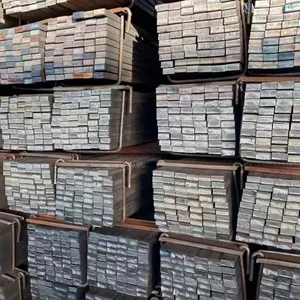
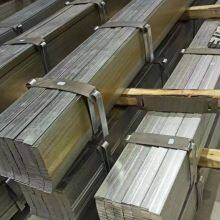
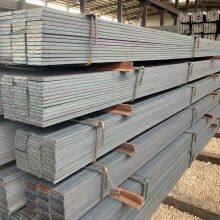
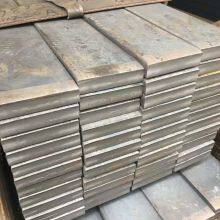
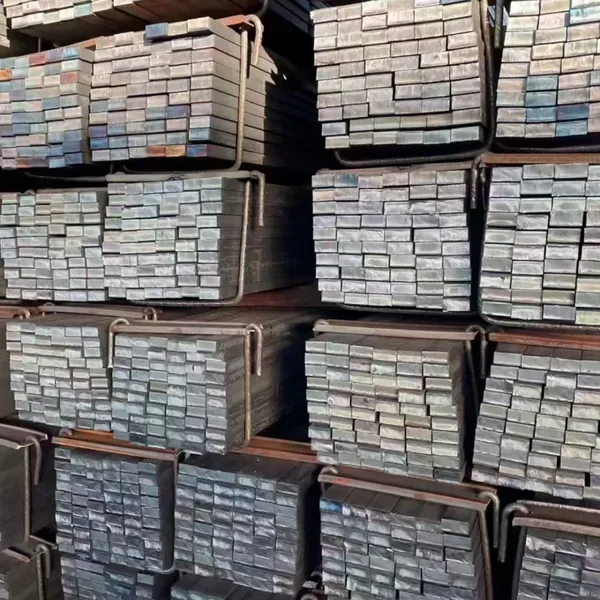
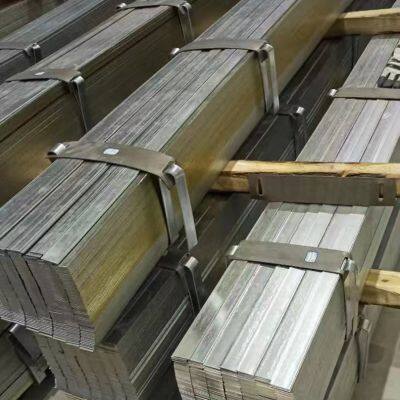
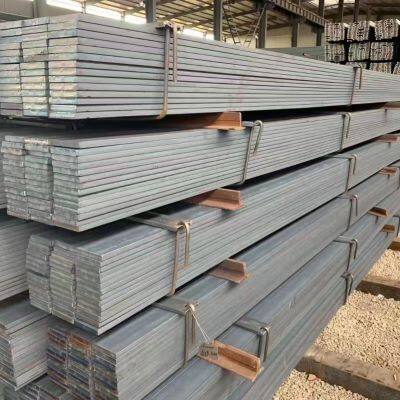
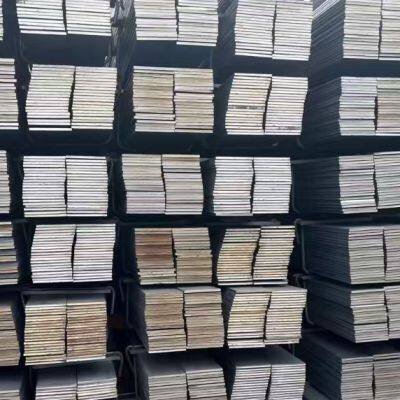
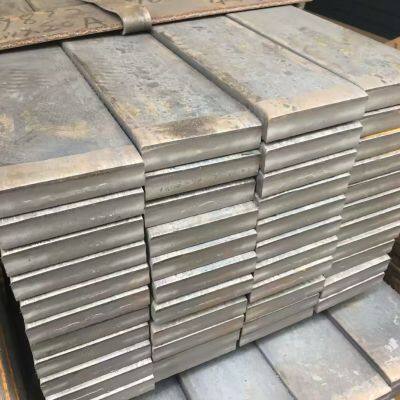
Flat Steel & Thickened Flat Steel,Q235B/A3、Q355B (16Mn) 、20#、45#



Related Products
-
 Flat Steel & Thickened Flat Steel,Q235B/A3、Q355B (16Mn) 、20#、45#NegotiableMOQ: 5 Metric Tons
 -
Flat Steel & Thickened Flat Steel,Q235B/A3、Q355B (16Mn) 、20#、45#NegotiableMOQ: 5 Metric Tons
-
Flat Steel & Thickened Flat Steel,Q235B/A3、Q355B (16Mn) 、20#、45#NegotiableMOQ: 5 Metric Tons
-
Flat Steel & Thickened Flat Steel,Q235B/A3、Q355B (16Mn) 、20#、45#NegotiableMOQ: 5 Metric Tons
-
Flat Steel & Thickened Flat Steel,Q235B/A3、Q355B (16Mn) 、20#、45#NegotiableMOQ: 5 Metric Tons
I. Product Definition
Flat Steel is a long strip of steel with a rectangular cross-section, vertical sides, clear edges and slightly blunt corners. It belongs to the section steel category and is an economical steel widely used in industrial production and construction.
Size Range: Width 12–300 mm, Thickness 3–60 mm
Common Lengths: 6 m, 12 m (Customized fixed length or multiple length can be provided according to customer requirements)
II. Main Materials and Grades
Material Category |
Typical Grade |
Core Characteristics and Application Scenarios |
Ordinary Carbon Structural Steel |
Q235B, A3 |
Low production cost, moderate comprehensive strength, good welding performance and processing performance. It is suitable for conventional building structures, general brackets, basic components and other scenarios, and is the most commonly used basic material in the industry. |
Low Alloy High Strength Steel |
Q355B (16Mn) |
Its strength is much higher than that of ordinary carbon steel, with excellent toughness, seismic performance and fatigue resistance, and strong load-bearing capacity. It is suitable for heavy-duty steel structures, large brackets, mechanical load-bearing components and other scenarios with high strength requirements. |
High-Quality Carbon Structural Steel |
20#, 45# |
Uniform internal structure, stable mechanical properties, good cutting performance, and can be subjected to subsequent heat treatments such as quenching and tempering. It is suitable for precision mechanical parts, tool blanks, transmission components and other scenarios with high requirements on material precision and performance. |
III. Production Process and Product Characteristics
(1) Hot-Rolled Flat Steel (Mainstream and Commonly Used)
Production Process: Qualified steel billets are heated to a high temperature of 1100–1250℃ and continuously rolled into shape by a rolling mill, which belongs to the hot working process.
Product Characteristics: It has a natural oxide scale on the surface, relatively moderate dimensional tolerance (width ±3 mm, thickness ±0.5 mm), high production efficiency, low cost, good overall toughness, and not easy to bend or break.
Application Scenarios: Building structure construction, various bracket production, escalator railings, protective railings, embedded parts and other conventional engineering and general components.
(2) Cold-Rolled/Cold-Drawn Flat Steel
Production Process: Under normal temperature conditions, the hot-rolled semi-finished products are subjected to secondary rolling or die cold drawing without high-temperature heating, which belongs to the cold working process.
Product Characteristics: Smooth and flat surface without oxide scale, extremely high dimensional accuracy (width ±0.1 mm, thickness ±0.05 mm), good straightness, regular cross-section, slightly improved strength and slightly lower toughness.
Application Scenarios: Precision mechanical parts, special equipment brackets, high-end hardware components, decorative metal parts, mold accessories and other scenarios with strict requirements on dimensional accuracy.
(3) Conventional Surface Treatment Methods
Black Surface Treatment: Retain the original hot-rolled color, the lowest cost, suitable for indoor or dry environments without special anti-corrosion requirements.
Pickling and Polishing: Remove surface oxide scale, improve smoothness, and facilitate subsequent processing and painting.
Hot-Dip Galvanizing Treatment: Form an anti-corrosion coating through hot-dip galvanizing, with excellent anti-corrosion performance, in line with GB/T 13912 standard, suitable for outdoor, humid and other easily corrosive environments.
Painting/Powder Coating: Customized protective coating, color can be selected on demand, with both anti-corrosion and decorative effects.
IV. Specification Expression and Common Sizes
Specification Expression Method: Thickness × Width × Length (mm), Standard Label Example: 5×50×6000
Common Width Specifications (mm): 20, 25, 30, 40, 50, 60, 80, 100, 120, 150, 200
Common Thickness Specifications (mm): 3, 4, 5, 6, 8, 10, 12, 16, 20, 25
V. Implemented National Standards
Dimensions, Shape, Weight and Allowable Deviations of Hot-Rolled Flat Steel: GB/T 704-2019
Technical Requirements for Carbon Structural Steel: GB/T 700-2006
Technical Requirements for Low Alloy High Strength Structural Steel: GB/T 1591-2018
Technical Requirements for High-Quality Carbon Structural Steel: GB/T 699-2015
VI. Core Product Advantages
Dense and Complete Specifications: Small size interval, can directly replace part of the steel plate for cutting, reduce on-site cutting procedures, and save materials and processing costs.
Regular and Precise Cross-Section: Vertical sides, clear edges, up-to-standard straightness and flatness, high welding and assembly accuracy, suitable for batch standardized production.
High Cost-Effectiveness: Under the same load-bearing strength, it is lighter in weight, more material-saving, and its purchase and processing costs are much lower than other section steels.
Strong Processing Plasticity: Can be freely cut, drilled, bent, welded, stamped and other secondary processing, suitable for various complex processing scenarios.
VII. Main Application Fields
Construction Engineering Field: Roof truss structures, stair steps, handrails, curtain wall keel embedded parts, steel structure support beams, foundation reinforcement components.
Lightning Protection and Grounding Engineering: Special grounding electrodes, lightning strips, equipotential connection components, commonly used industry specifications 40×4, 50×5.
Mechanical Manufacturing Field: Equipment bases, load-bearing brackets, connecting rod components, tool blanks, mechanical accessories.
Hardware Products Field: Shelf columns, door and window reinforcement components, furniture metal accessories, general hardware accessories.
Outdoor Anti-Corrosion Scenarios: Outdoor brackets, municipal guardrails, pipeline brackets, storage shelves (hot-dip galvanized flat steel is selected).
VIII. Packaging, Transportation and Storage Specifications
(1) Packaging Requirements
Steel strip bundling packaging is adopted. The number of each bundle is adjusted according to the specifications (50–200 pieces). The ends are treated with simple anti-rust treatment. Each bundle is pasted with an exclusive label, clearly indicating the specifications, material, production batch number, implementation standard and other information to facilitate verification and acceptance.
(2) Transportation Requirements
Ordinary highway and railway transportation are supported. During transportation, it must be fixed firmly to avoid severe collision, extrusion and bending, so as to prevent product deformation from affecting use. Handle with care during loading and unloading.
(3) Storage Requirements
Store in a dry, ventilated, rainproof and moisture-proof site. The bottom is padded with square wood or brackets to prevent deformation caused by long-term suspension; flat steels of different materials and specifications are stacked in separate areas to avoid mixing; galvanized flat steels should not be stored with corrosive substances in the same warehouse to extend the anti-corrosion service life.
IX. Product Selection Suggestions
Select Material According to Load-Bearing Capacity: For conventional indoor and light-load scenarios, Q235B is preferred; for heavy-load, seismic and outdoor load-bearing scenarios, Q355B is selected; for precision mechanical processing and heat treatment scenarios, 20# and 45# high-quality carbon steel are selected.
Select Process According to Processing Accuracy: Hot-rolled flat steel is selected for ordinary engineering and load-bearing structures; cold-rolled/cold-drawn flat steel is selected for precision assembly, high appearance requirements and strict dimensional tolerance scenarios.
Select Type According to Size Requirements: Priority is given to national standard specifications to reduce the cost of non-standard customization and shorten the delivery cycle.

Send Inquiry to This Supplier



You May Also Like
-
Steel Wire & GB Standard Steel Wire,Q195、Q215、Q235、SWRM10、SWRM12、35#、45#、50#、SWRH45A、SWRH50A、65#、70#、75#、80#NegotiableMOQ: 5 Metric Tons
-
Steel Wire & GB Standard Steel Wire,Q195、Q215、Q235、SWRM10、SWRM12、35#、45#、50#、SWRH45A、SWRH50A、65#、70#、75#、80#NegotiableMOQ: 5 Metric Tons
-
Steel Wire & GB Standard Steel Wire,Q195、Q215、Q235、SWRM10、SWRM12、35#、45#、50#、SWRH45A、SWRH50A、65#、70#、75#、80#NegotiableMOQ: 5 Metric Tons
-
Steel Wire & GB Standard Steel Wire,Q195、Q215、Q235、SWRM10、SWRM12、35#、45#、50#、SWRH45A、SWRH50A、65#、70#、75#、80#NegotiableMOQ: 5 Metric Tons
-
Steel Wire & GB Standard Steel Wire,Q195、Q215、Q235、SWRM10、SWRM12、35#、45#、50#、SWRH45A、SWRH50A、65#、70#、75#、80#NegotiableMOQ: 5 Metric Tons
-
Steel Wire & GB Standard Steel Wire,Q195、Q215、Q235、SWRM10、SWRM12、35#、45#、50#、SWRH45A、SWRH50A、65#、70#、75#、80#NegotiableMOQ: 5 Metric Tons
-
Steel Wire & GB Standard Steel Wire,Q195、Q215、Q235、SWRM10、SWRM12、35#、45#、50#、SWRH45A、SWRH50A、65#、70#、75#、80#NegotiableMOQ: 5 Metric Tons
-
Steel Wire & GB Standard Steel Wire,Q195、Q215、Q235、SWRM10、SWRM12、35#、45#、50#、SWRH45A、SWRH50A、65#、70#、75#、80#NegotiableMOQ: 5 Metric Tons
-
Steel Wire & GB Standard Steel Wire,Q195、Q215、Q235、SWRM10、SWRM12、35#、45#、50#、SWRH45A、SWRH50A、65#、70#、75#、80#NegotiableMOQ: 5 Metric Tons
-
Steel Wire & GB Standard Steel Wire,Q195、Q215、Q235、SWRM10、SWRM12、35#、45#、50#、SWRH45A、SWRH50A、65#、70#、75#、80#NegotiableMOQ: 5 Metric Tons


