








 Contact Platform Support
 Help Center
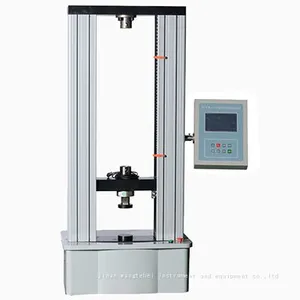
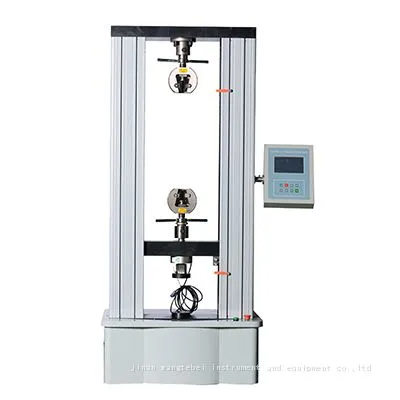
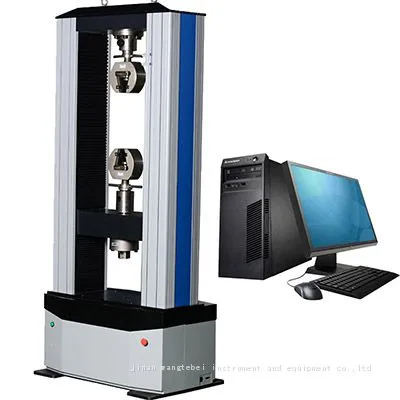
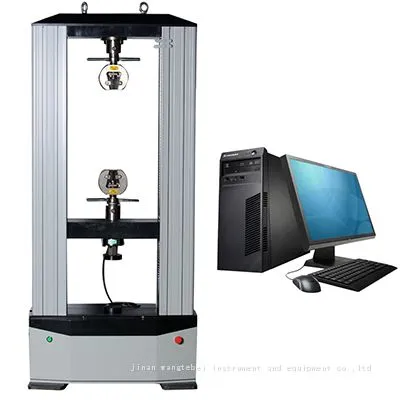
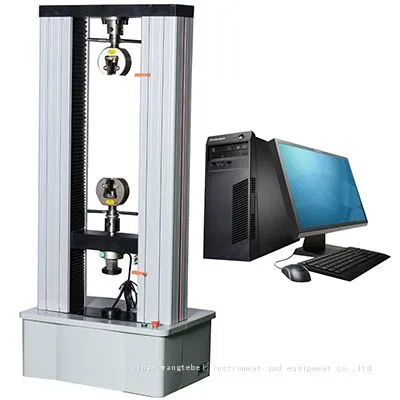
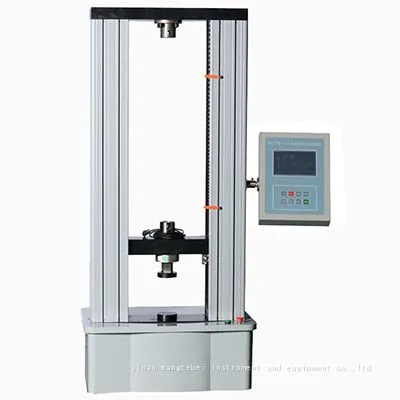
Dual-Sensor Strain Hardening Exponent Tester for Steel and Aluminum Alloys
Product Spotlights


Related Products
-
 Metallic Strain Hardening Tester for Automotive Sheet Metal Quality ControlUS$ 3000 - 20000MOQ: 1 Set
 -
Automatic Metallic Tensile Strain Hardening Tester With 0.5% AccuracyUS$ 3000 - 20000MOQ: 1 Set
-
Precision Strain Hardening Exponent Tester for Metal Sheets per ISO 10275 StandardUS$ 3000 - 20000MOQ: 1 Set
-
High-Precision ISO 10275 Strain Hardening Tester With Data Export FunctionUS$ 3000 - 20000MOQ: 1 Set
-
ISO 10275 Compliant Metallic Tensile Strain Hardening Exponent Tester With Digital DisplayUS$ 3000 - 20000MOQ: 1 Set
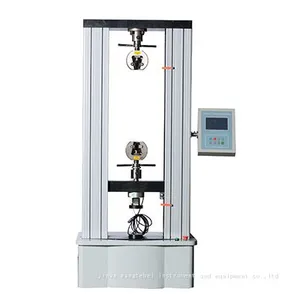
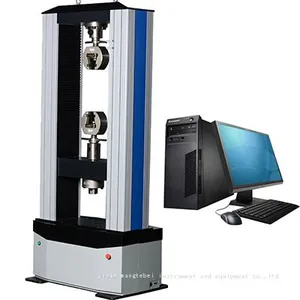
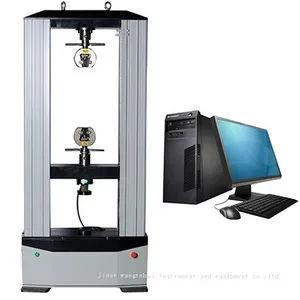
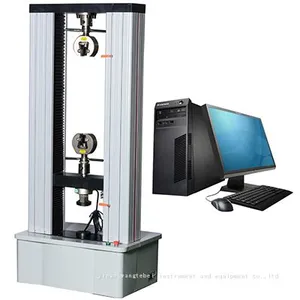
As a specialized manufacturer since 2016, Jinan Wangtebei Instrument And Equipment Co., Ltd. delivers precision engineering with our Dual-Sensor Strain Hardening Exponent Tester. Designed specifically for steel and aluminum alloys, this instrument provides laboratory-grade accuracy in determining critical material deformation properties. Our decade-long expertise ensures reliable performance for global quality control applications.
Core Technical Advantages:
- Dual-sensor redundancy system enhances measurement accuracy by cross-validating data points
- Automated curve-fitting algorithms calculate n-values with minimized human error
- Temperature-compensated readings ensure consistency across varying testing environments
- Modular design allows integration with existing tensile testing machines
| Parameter | Specification | Unit |
|---|---|---|
| Measurement Range | 0.05 - 0.50 | n-value |
| Repeatability | ±0.5% | Full Scale |
| Sample Thickness | 0.5 - 5.0 | mm |
| Data Sampling Rate | 1000 | Hz |
The integrated software suite generates comprehensive reports including:
- True stress-strain curves with automatic n-value calculation
- Material anisotropy analysis for sheet metal applications
- Batch comparison tools for quality trend monitoring
Operational benefits include 30% faster testing cycles compared to single-sensor systems and predictive maintenance alerts that reduce downtime. The intuitive interface requires minimal training, while Ethernet connectivity enables seamless data transfer to LIMS.
Trusted across 15 global markets including North America, Western Europe, and Southeast Asia, our instruments ship efficiently from Qingdao, Shanghai, Ningbo, and Guangzhou ports. With over 8 years of manufacturing excellence in Jinan, China, we provide responsive technical support and customization options. This tester delivers the precision needed for critical material certification - contact us today for performance validation data.
Frequently Asked Questions
-
How does dual-sensor technology improve n-value accuracy?
Dual sensors simultaneously capture strain data from different sample regions, enabling statistical averaging that reduces local material heterogeneity effects. -
Can this tester handle different alloy grades?
Yes, the system includes preset calibration profiles for common steel and aluminum grades, with custom settings available. -
What sample preparation is required?
Standard tensile specimens per ASTM E8 with parallel gauge sections are recommended for optimal results. -
Is temperature control integrated?
While ambient compensation is standard, external environmental chambers can be interfaced for elevated temperature testing. -
How often is calibration needed?
Annual calibration is recommended, with verification jigs provided for interim checks. -
What file formats are supported for data export?
CSV, XML, and PDF formats are generated for compatibility with common analysis software. -
Can the system be upgraded for additional parameters?
Modular firmware allows future expansion to r-value and yield point measurements.

Send Inquiry to This Supplier


You May Also Like
-
ISO 10275 Strain Hardening Exponent Tester for Aerospace Material TestingUS$ 3000 - 20000MOQ: 1 Set
-
Metallic Tensile Strain Hardening Tester With 1-Year Warranty and Calibration ReportUS$ 3000 - 20000MOQ: 1 Set
-
n Value Testing Machine With 3-Year Warranty - ISO 10275 Metallic Material AnalysisUS$ 3000 - 20000MOQ: 1 Set
-
Automatic n Value Testing Equipment for Metal Sheets - ISO 10275 StandardUS$ 3000 - 20000MOQ: 1 Set
-
ISO 10275 Compliant Metallic Material n Value Testing Machine for Sheet Metal AnalysisUS$ 3000 - 20000MOQ: 1 Set
-
Metallic Material n Value Tester With 10kN Load Capacity - ISO 10275 CertifiedUS$ 3000 - 20000MOQ: 1 Set
-
ISO 10275 n Value Tester With Free Calibration Service - Metallic Material TestingUS$ 3000 - 20000MOQ: 1 Set
-
Laboratory-Grade n Value Tester for Metallic Materials - ISO 10275 CompliantUS$ 3000 - 20000MOQ: 1 Set
-
Digital n Value Tester With 0.5% Accuracy for ISO 10275 Metallic MaterialsUS$ 3000 - 20000MOQ: 1 Set
-
n Value Testing Machine for Automotive Grade Metal Sheets - ISO 10275 StandardUS$ 3000 - 20000MOQ: 1 Set


