








 Contact Platform Support
 Help Center
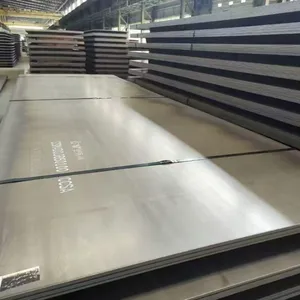
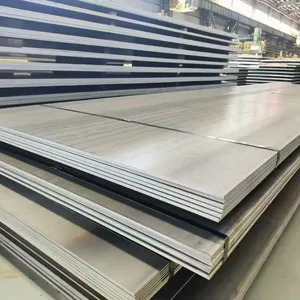
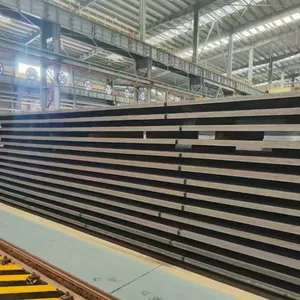
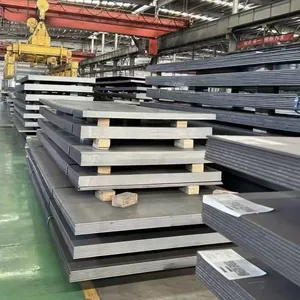
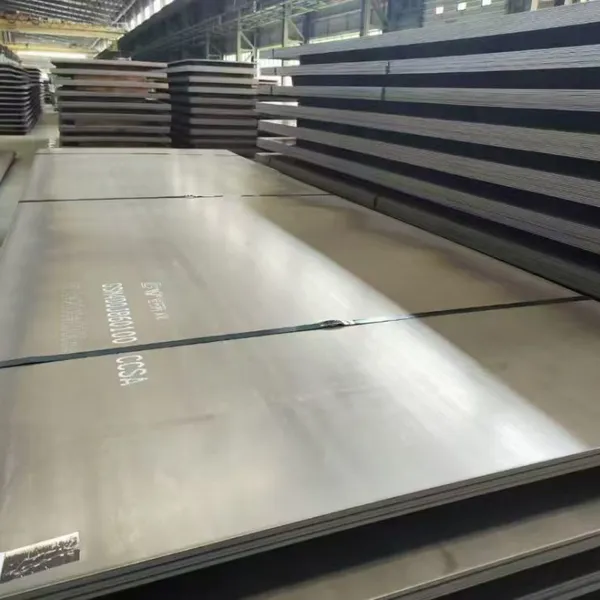
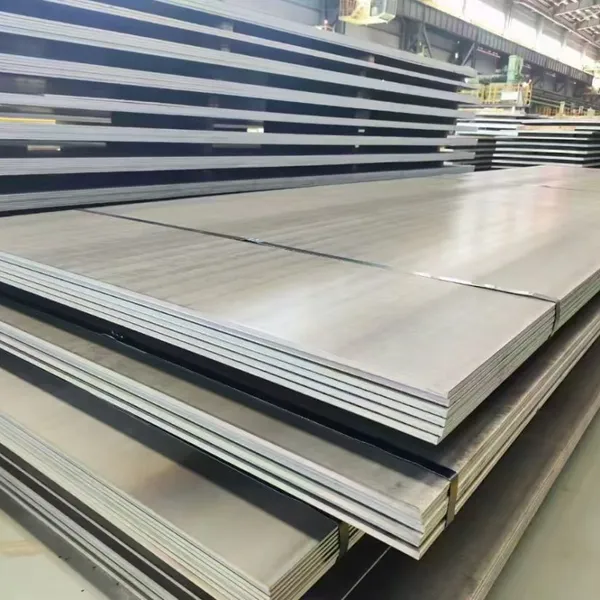
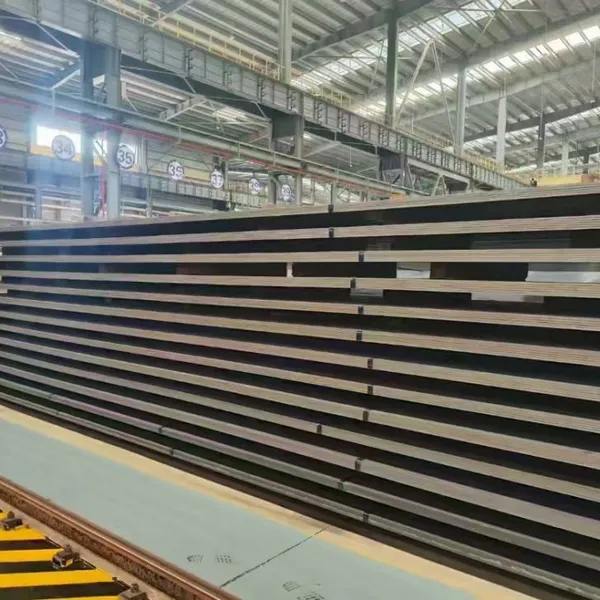
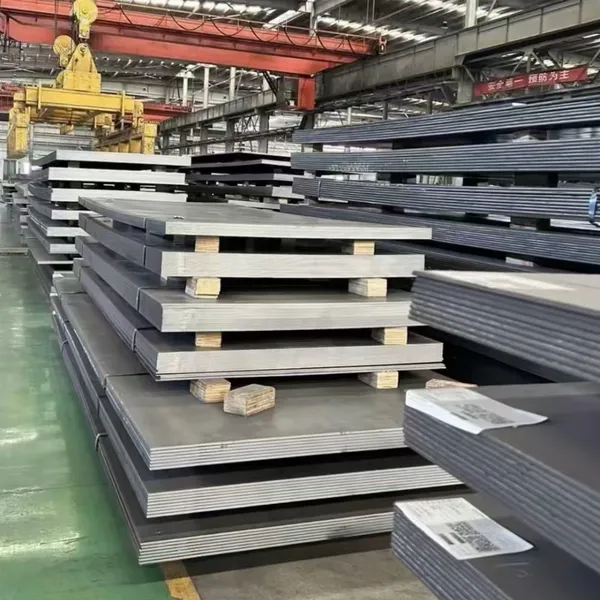
Steel Sheet & Plate & Shipbuilding Steel Plate,CCS、ABS、DNV、LR



Related Products
-
 Steel Wire , Iron Wire,Q195, Q235, GB/T 343, ASTM, BSNegotiableMOQ: 1 Metric Ton
 -
Steel Coil & Strip & Cold Rolled Steel Coil,SPCC、SPCD、SPCE、Q355、Q460NegotiableMOQ: 5 Metric Tons
-
Steel Wire, Galvanized Steel Wire, GB/T 343, ASTM, BS,Q195, Q235NegotiableMOQ: 1 Metric Ton
-
Steel Coil & Strip & Cold Rolled Steel Coil,SPCC、SPCD、SPCE、Q355、Q460NegotiableMOQ: 5 Metric Tons
-
Steel Wire ,Iron Wire Q195, Q235, GB/T 343, ASTM, BSNegotiableMOQ: 1 Metric Ton
Ship Plate Product Detailed Description
Ship plates (also known as shipbuilding plates, marine steel plates) are core structural materials for shipbuilding and offshore engineering equipment. They are mainly used to construct key parts such as ship hull shells, decks, bulkheads, and keels, which directly determine the structural strength, corrosion resistance, and navigation safety of ships. They are suitable for various civil ships, military ships, offshore platforms, port machinery, etc., and are widely used in ocean transportation, offshore operations, marine engineering, port construction and other fields. They have the core characteristics of high strength, corrosion resistance, impact resistance, and excellent welding performance, and can adapt to the harsh marine environment with high salt, high humidity, and strong corrosion.
I. Product Application
The ship plates produced by our company strictly comply with the requirements of shipbuilding industry standards and classification society certification, and are suitable for the manufacture and maintenance of ships and marine equipment of different tonnages and types. The specific applications include:
Civil ships: Manufacture of hull structural parts (shells, decks, bulkheads, ribs, keels) for bulk carriers, container ships, oil tankers, passenger ships, fishing boats, etc.;
Military ships: Processing of core structural and protective parts for frigates, destroyers, supply ships, etc.;
Marine engineering: Structural manufacture of offshore platforms, drilling platforms, submarine pipeline supports, port cranes and other marine equipment;
Ship maintenance: Renovation of old ships, replacement of damaged parts, structural reinforcement, etc.
The products can meet the needs of ships in complex working conditions such as ocean navigation, offshore operations, resisting wind and wave impact, seawater corrosion, and cargo extrusion, ensuring the long-term safe and stable operation of ships.
II. Material Characteristics and Model Designations
Ship plates are made of special shipbuilding steel, and their material model designations strictly comply with national standards and the certification requirements of international classification societies (such as CCS, ABS, DNV, LR, etc.). According to the ship's tonnage, navigation environment, and structural stress requirements, they are divided into different grades. The core materials and designations are as follows:
Ordinary Strength Ship Plates: Adopt Grade A, B, D, E marine structural steel (GB/T 712-2011 standard), among which Grades A and B are normal temperature impact steel, Grade D is -20℃ low temperature impact steel, and Grade E is -40℃ low temperature impact steel. They are mainly used for non-core structures of small ships and coastal ships, such as in-cabin partitions and secondary supports. They have high cost performance, excellent welding performance, and easy processing and forming.
High Strength Ship Plates: Adopt Grade AH32, AH36, DH32, DH36, EH32, EH36 high-strength marine structural steel, which belongs to low-alloy high-strength steel. It has high tensile strength, excellent toughness, and outstanding low-temperature impact performance, and can bear greater structural stress. It is mainly used for core stress-bearing parts such as hull shells, decks, and keels of large ocean-going ships, oil tankers, and container ships, and is the mainstream material for current shipbuilding.
Special Ship Plates: According to special navigation environments and uses, special materials and designations are selected, including: 1. Corrosion-Resistant Ship Plates: Adopt seawater corrosion-resistant steel (such as 10CrNiCuP, 09CuPTiRE), and the surface can be additionally subjected to anti-corrosion treatment (galvanizing, anti-corrosion coating spraying), which is suitable for the marine high-salt environment and prolongs the service life; 2. Low-Temperature Ship Plates: Adopt ultra-low temperature impact steel such as Grade EH40 and FH36, which are suitable for ships sailing in polar and frigid sea areas, can resist impact at temperatures below -60℃, and avoid hull brittle fracture; 3. Offshore Engineering Ship Plates: Adopt Offshore series high-strength steel (such as API 2H Grade 50), which are suitable for offshore platforms, drilling platforms, etc., and have comprehensive performance of wind and wave resistance, fatigue resistance, and corrosion resistance.
All ship plate materials have undergone strict physical and chemical testing, and comply with classification society certification standards. The welding performance, impact performance, and corrosion resistance all meet the core requirements of shipbuilding, ensuring the safety and reliability of the hull structure.
III. Specifications and Models
The product covers a variety of standard specifications and supports customization on demand to meet the size requirements of different ships and marine equipment. The specific parameters are as follows:
Thickness: 6mm-150mm (conventional thickness 6mm-50mm, thick plates 50mm-150mm are used for core structures of large ships and offshore platforms);
Width: 1500mm-4800mm, Length: 6000mm-12000mm (longer and wider specifications can be customized according to customer needs);
Grade Classification: Divided by strength into ordinary strength (Grades A, B, D, E) and high strength (AH32-AH36, DH32-DH36, EH32-EH36); divided by use into hull plates, deck plates, bulkhead plates, keel plates;
Applicable Standards: Can meet domestic and foreign standards such as GB/T 712-2011 (Chinese standard), ABS (American Bureau of Shipping), DNV (Det Norske Veritas), CCS (China Classification Society), and corresponding classification society certification certificates can be provided.
IV. Product Performance
High Strength and Impact Resistance: The tensile strength of high-strength ship plates can reach 355MPa-510MPa, with excellent toughness and outstanding low-temperature impact performance. It can withstand external forces such as wind and wave impact, cargo extrusion, and ship bumping, and is not easy to crack or brittle fracture, ensuring the stability of the hull structure.
Excellent Welding Performance: The material has low carbon content and is added with alloy elements such as manganese and silicon. It is not easy to produce defects such as pores and cracks during welding. The strength of the welding joint is consistent with the base material, which can meet the needs of large-area welding in shipbuilding and improve construction efficiency.
Strong Corrosion Resistance: Special seawater corrosion-resistant materials and surface anti-corrosion treatment can effectively resist corrosion in the marine high-salt and high-humidity environment, reduce hull rust, prolong the service life of ships, and reduce maintenance costs.
High Dimensional Accuracy: Produced by advanced hot rolling and cold rolling processes, it has uniform thickness, flat surface, and dimensional deviation in line with industry standards. It has good installation fit, no additional processing is required, and the construction difficulty is reduced.
Strong Adaptability: It can customize ship plates of different thicknesses, specifications, and material designations according to the ship's tonnage, navigation environment, and structural needs. At the same time, it can provide deep processing services such as cutting, bending, and welding, which are suitable for the manufacturing needs of various ships and marine equipment.
V. Processing Technology
Ship plates are processed by advanced production and processing technologies, and each process is strictly controlled to ensure stable product quality. The specific processes are as follows:
Raw Material Screening: Select high-quality scrap steel and pig iron as raw materials, and go through electric furnace smelting and secondary refining to remove impurities, ensuring material purity and mechanical properties;
Rolling Process: Adopt hot rolling process, and ensure uniform thickness and flat surface of the plate by precisely controlling the rolling temperature and rolling speed, so as to improve the strength and toughness of the plate;
Heat Treatment Process: According to the material designation, conduct targeted heat treatment such as normalizing, tempering, and quenching to optimize the organizational structure of the plate, and improve low-temperature impact performance, welding performance, and corrosion resistance;
Deep Processing: According to customer needs, provide deep processing services such as CNC cutting, bending, welding, and surface anti-corrosion (galvanizing, spraying), which can accurately match the size of the ship structure and be directly used for construction;
Quality Inspection: Each batch of products undergoes multiple processes such as physical and chemical performance testing, non-destructive testing (ultrasonic testing, magnetic particle testing), and dimensional testing to ensure that the products meet standards and classification society certification requirements.
VI. Quality and After-Sales Service
Products are produced in strict accordance with national standards, industry standards, and classification society certification requirements, and a complete quality control system is established. From raw material procurement, production and processing to finished product delivery, the whole process is traceable to ensure that each batch of ship plates is stable and reliable in quality.
Quality Assurance: Provide relevant qualification documents such as classification society certification certificates, material testing reports, and non-destructive testing reports to ensure that the products can be directly used in shipbuilding and marine engineering;
Delivery Cycle: The delivery cycle for conventional specification ship plates is 5-7 days, and the delivery cycle for customized specifications and thick plates is adjusted according to the production difficulty. Bulk purchase and emergency orders are supported;
After-Sales Service: Provide comprehensive technical support, recommend suitable material designations and specifications according to customer needs, and provide processing technology guidance; if there is a quality problem with the product, free return and exchange are available, and technical solutions are provided;
Customization Service: Support customized ship plates of different thicknesses, widths, lengths, and materials on demand. According to the ship drawings and technical parameters provided by customers, precise matching production is carried out to meet personalized needs.

Send Inquiry to This Supplier



You May Also Like
-
Steel Coil & Strip & Cold Rolled Steel Coil,SPCC、SPCD、SPCE、Q355、Q460NegotiableMOQ: 5 Metric Tons
-
Steel Coil & Strip & Cold Rolled Steel Coil,SPCC、SPCD、SPCE、Q355、Q460NegotiableMOQ: 5 Metric Tons
-
Steel Pipe & Tube,Seamless Steel Pipe,GB/T3091、GB/T8163、ASTM A53、ASTM A106、BS1387,Q235B、Q355B、20#、45#、NegotiableMOQ: 2 Metric Tons
-
Steel Pipe & Tube,Seamless Steel Pipe,Q235B、Q355B、20#、45#、GB/T3091、GB/T8163、ASTM A53、ASTM A106、BS1387NegotiableMOQ: 2 Metric Tons
-
Steel Coil & Strip & Hot Rolled Steel Coil,Q235、SS400、Q355、SPHCNegotiableMOQ: 5 Metric Tons
-
Steel Coil & Strip & Hot Rolled Steel Coil,Q235、SS400、Q355、SPHCNegotiableMOQ: 5 Metric Tons
-
Steel Pipe & Tube,Seamless Steel Pipe,GB/T3091、GB/T8163、ASTM A53、ASTM A106、BS1387,Q235B、Q355B、20#、45#、NegotiableMOQ: 2 Metric Tons
-
Steel Coil & Strip & Hot Rolled Steel Coil,Q235、SS400、Q355、SPHCNegotiableMOQ: 5 Metric Tons
-
Steel Coil & Strip & Hot Rolled Steel Coil,Q235、SS400、Q355、SPHCNegotiableMOQ: 5 Metric Tons
-
Steel Pipe & Tube,Seamless Steel Pipe,GB/T3091、GB/T8163、ASTM A53、ASTM A106、BS1387,Q235B、Q355B、20#、45#、NegotiableMOQ: 2 Metric Tons


