








 Contact Platform Support
 Help Center
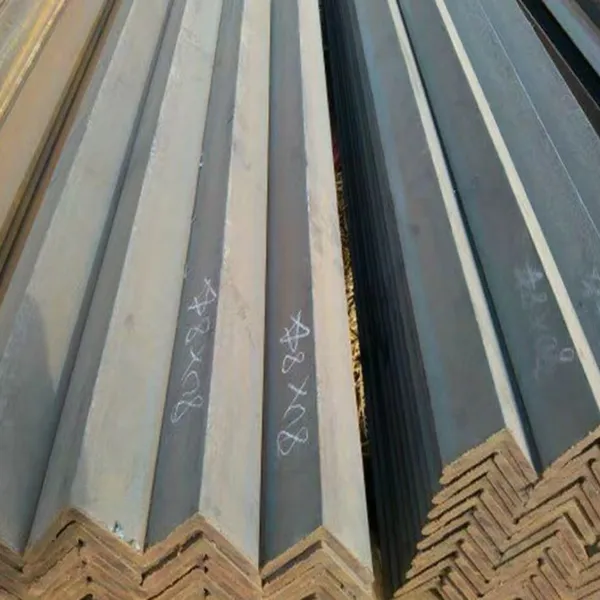
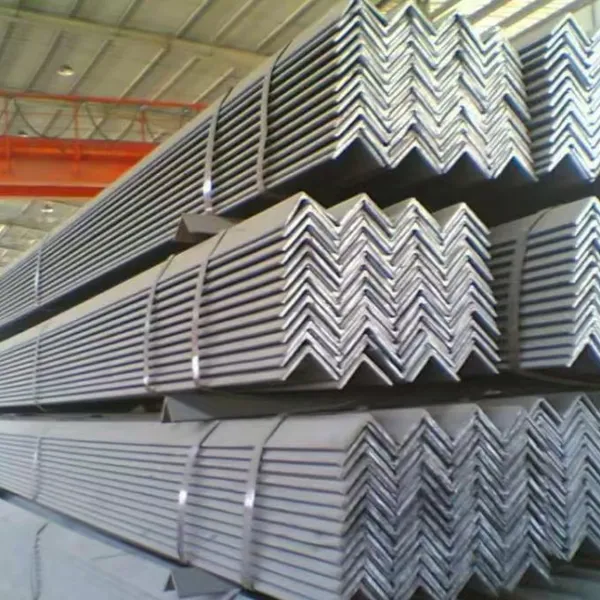
Steel Angle & Angle Steel For Construction,GB/T 706、GB/T 700、GB/T 1591、ASTM、JIS


Related Products
-
 Steel Coil & Strip& Cold Rolled Coil,SPCC, SPCD, SPCE, DC01, DC02, DC03, DC04, ST12, ST13, ST14, Q195, Q235NegotiableMOQ: 5 Metric Tons
 -
Steel Angle & Angle Steel For Construction,GB/T 706、GB/T 700、GB/T 1591、ASTM、JISNegotiableMOQ: 5 Metric Tons
-
Steel Coil & Strip& Cold Rolled Coil,SPCC, SPCD, SPCE, DC01, DC02, DC03, DC04, ST12, ST13, ST14, Q195, Q235NegotiableMOQ: 5 Metric Tons
-
Steel Angle & Angle Steel For Construction,GB/T 706、GB/T 700、GB/T 1591、ASTM、JISNegotiableMOQ: 5 Metric Tons
-
Steel Coil & Strip& Cold Rolled Coil,SPCC, SPCD, SPCE, DC01, DC02, DC03, DC04, ST12, ST13, ST14, Q195, Q235NegotiableMOQ: 5 Metric Tons
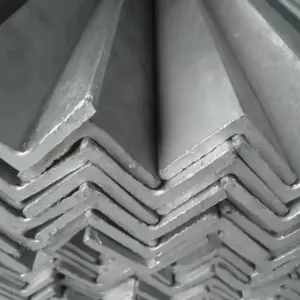
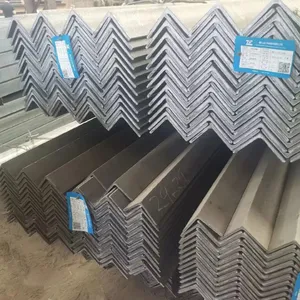
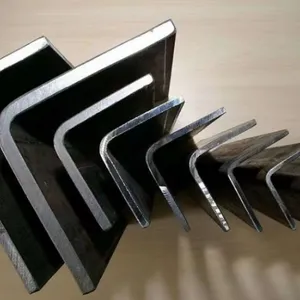
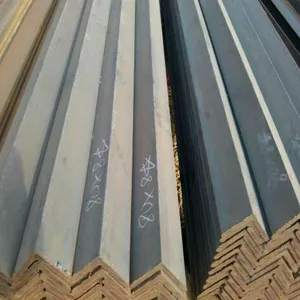
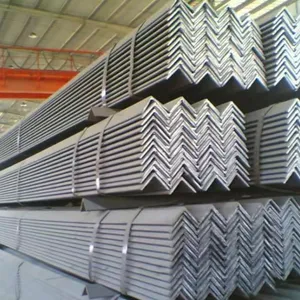
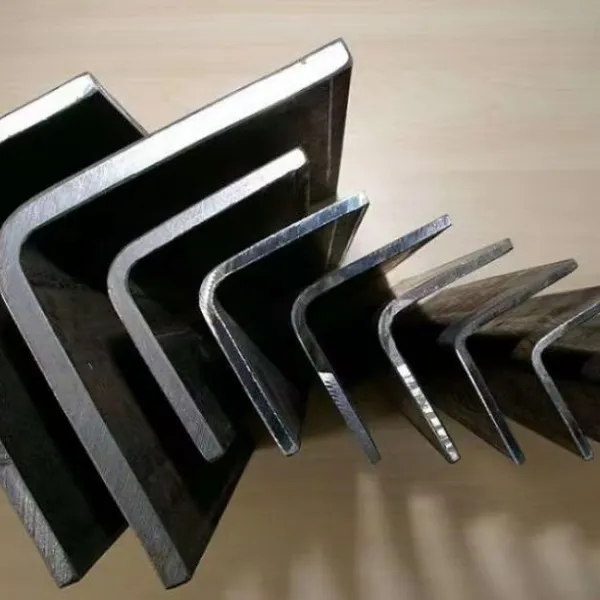
Angle Steel, commonly known as angle iron, is a hot-rolled long steel with an L-shape where the two sides are perpendicular to each other. It belongs to economic steel with a simple cross-section. With the advantages of stable mechanical properties, excellent welding performance, convenient processing and outstanding cost-effectiveness, it has become one of the most widely used basic profiles in industrial production, construction engineering and steel structure fields. It is widely applied in various industrial, construction and infrastructure construction scenarios around the world, and can provide customized processing and export supporting services according to customer needs.
I. Detailed Product Specifications
Our company offers a complete range of angle steel specifications, covering conventional and special sizes, which can meet the bearing and installation needs of different scenarios. All specifications comply with international export standards, with high dimensional accuracy and deviations controlled within the allowable range of the industry, ensuring the adaptability of subsequent processing and installation.
1. Equal Angle Steel
Definition: Both sides have equal width, with a symmetrical L-shaped cross-section. It is the most widely used type of angle steel, suitable for various symmetrically stressed structures.
Specification Range: Side width 20×20mm ~ 200×200mm, side thickness 3mm ~ 24mm. The conventional lengths are 6m, 9m and 12m. Custom length cutting can be carried out according to specific customer needs, with the custom length range of 3m ~ 12m. The cutting accuracy is high, without burrs or deformation, and it can be directly used without secondary processing.
Typical Specifications: ∠20×20×3, ∠50×50×5, ∠80×80×8, ∠100×100×10, ∠160×160×12, ∠200×200×24, etc. Sufficient inventory is available for quick stock preparation.
2. Unequal Angle Steel
Definition: The two sides have unequal widths, with an asymmetric L-shaped cross-section. It is suitable for structural scenarios with uneven stress, which can effectively save materials and optimize the structural stress performance.
Specification Range: Long side width 25mm ~ 200mm, short side width 16mm ~ 125mm, side thickness 3mm ~ 18mm. The conventional lengths are 6m, 9m and 12m. It supports custom length cutting and on-demand customization, and the size can be adjusted according to customer drawings to meet special engineering needs.
Typical Specifications: ∠25×16×3, ∠50×32×4, ∠100×63×8, ∠125×80×10, ∠200×125×18, etc. Mass customization is available, and small-batch trial orders are supported.
II. Implementation Standards and Material Description
1. Implementation Standards
Production is strictly in accordance with mainstream domestic and foreign standards. Corresponding standard products and quality assurance documents can be provided according to the customer's export destination to ensure that the products meet local import requirements. The main implementation standards are as follows:
Chinese Standards: GB/T 706-2016 (Hot-Rolled Section Steel), GB/T 700-2006 (Carbon Structural Steel), GB/T 1591-2018 (High-Strength Low-Alloy Steel)
International Standards: ASTM A36 (American Standard), JIS G3101 (Japanese Standard), EN 10025 (European Standard), BS 4360 (British Standard)
All products can provide quality assurance certificates (Mill Test Certificate) corresponding to the standards, including detailed test data such as chemical composition and mechanical properties. Third-party testing institutions (SGS, BV, TUV, etc.) are supported for inspection to ensure that the product quality meets the standards.
2. Common Materials
We mainly focus on carbon structural steel and high-strength low-alloy steel. The materials are selected from high-quality raw materials, and undergo strict smelting and rolling processes to ensure high steel purity and stable mechanical properties, adapting to different bearing needs. The common materials are as follows:
Q235B (Most Commonly Used): Carbon structural steel with moderate strength, good toughness, excellent welding performance and economical price. It is suitable for general load-bearing building structures, mechanical brackets, shelves and other scenarios, and is the most widely used material with the largest dosage.
Q355B: High-strength low-alloy steel. On the basis of carbon steel, trace alloying elements (Nb, V, Ti) are added. Its bearing capacity, wear resistance and impact resistance are all better than Q235B. It is suitable for heavy-duty structures, bridge brackets, power transmission towers, construction machinery and other scenarios with high strength requirements.
SS400: Japanese standard carbon structural steel, with performance similar to Q235B, good toughness and easy processing. It is mainly used for orders exported to Japan and Southeast Asia, adapting to local industrial and construction needs.
A36: American standard carbon structural steel with uniform strength and good welding performance. It is widely used in construction, machinery, bridges and other fields in North America, and can provide test reports and customs clearance documents complying with ASTM standards.
Other Materials: Q420 (high-strength low-alloy steel), Q195, Q215 and other materials can be provided according to customer needs to meet the special performance requirements of different scenarios.
III. Chemical Composition Table of Common Materials (Mass Fraction, %)
Material |
C ≤ |
Si ≤ |
Mn ≤ |
P ≤ |
S ≤ |
Remarks |
Q235B |
0.22 |
0.35 |
1.40 |
0.045 |
0.045 |
Carbon structural steel, the most widely used |
Q355B |
0.24 |
0.50 |
1.60 |
0.035 |
0.035 |
Low-alloy steel, containing Nb/V/Ti microalloying elements |
SS400 |
0.25 |
0.35 |
1.40 |
0.045 |
0.045 |
Japanese standard, excellent toughness |
A36 |
0.26 |
0.30 |
0.90 |
0.040 |
0.050 |
American standard, suitable for North American market |
Note: 1. The values in the table are typical chemical compositions, and the specific ones shall be subject to the quality assurance certificate of each batch; 2. Complete heat number test reports can be provided according to customer requirements to ensure that the materials meet the standards; 3. The chemical composition of special materials can be customized to meet the personalized needs of customers.
IV. Mechanical Properties (Typical Values)
All materials have undergone strict mechanical property testing to ensure that indicators such as strength, toughness and elongation meet the standards, adapting to the stress requirements of different scenarios. The specific typical mechanical properties are as follows:
Q235B: Yield strength ≥ 235MPa, tensile strength 400 ~ 550MPa, elongation ≥ 17%, impact energy (20℃) ≥ 27J. It has excellent welding performance and can be directly welded, bent, drilled and processed.
Q355B: Yield strength ≥ 355MPa, tensile strength 470 ~ 630MPa, elongation ≥ 15%, impact energy (20℃) ≥ 34J. It has outstanding impact resistance and wear resistance, suitable for heavy-duty and low-temperature environments.
SS400: Yield strength ≥ 245MPa, tensile strength 400 ~ 510MPa, elongation ≥ 21%. It has good toughness and easy processing, adapting to the industrial needs of Japan and Southeast Asia.
A36: Yield strength ≥ 250MPa, tensile strength 400 ~ 550MPa, elongation ≥ 20%. It has uniform strength and good welding performance, complying with the use standards of the construction and machinery fields in the North American market.
V. Surface Treatment Methods
According to the customer's service environment and anti-corrosion needs, a variety of surface treatment methods are provided to ensure the service life of the product and adapt to different scenarios. The main surface treatment methods are as follows:
Black Material Delivery (Original Hot-Rolled Surface): Retain the original hot-rolled texture of the steel, with no coating on the surface. It is economical in price and suitable for indoor dry environments, temporary brackets or scenarios that need to be self-anti-corrosion treated later. It can be directly welded and processed.
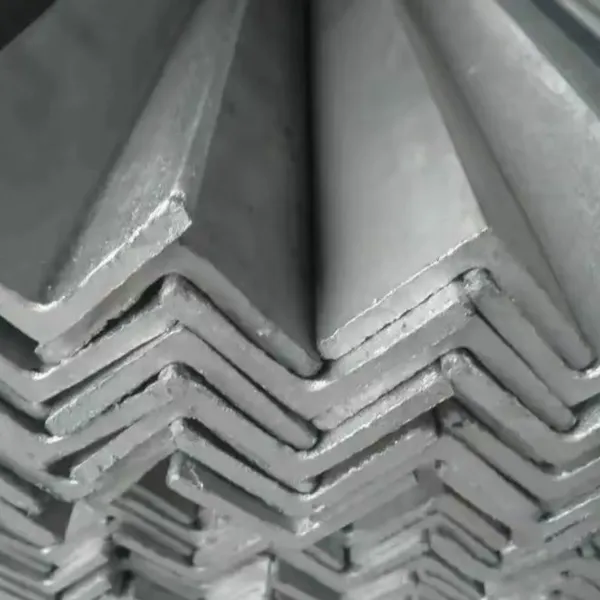
Hot-Dip Galvanizing Treatment: Immerse the angle steel into the molten zinc liquid to form a uniform zinc layer. The thickness of the galvanized layer is ≥ 80μm, with excellent anti-rust and anti-corrosion performance, which can effectively extend the service life of the product by 3 ~ 5 times. It is suitable for outdoor, humid environments, coastal areas and chemical fields, and is the most commonly used anti-corrosion treatment method.
Electro-Galvanizing Treatment: Adopt electro-galvanizing process, with uniform and beautiful galvanized layer, thickness 20 ~ 50μm, good anti-rust performance. It is suitable for indoor humid environments and scenarios with mild anti-corrosion needs, with a clean appearance, which is convenient for subsequent painting and modification.
Painting/Oiling Treatment: Use high-quality anti-rust paint or anti-rust oil, which is evenly applied to the surface of the steel to form a protective film and play an anti-rust role. The paint color (such as gray, red, blue, etc.) can be selected according to customer requirements. It is suitable for indoor, mechanical equipment brackets and other scenarios, with low cost and convenient construction.
All surface treatments comply with industry standards, with strong coating adhesion and not easy to fall off. Surface treatment test reports can be provided according to customer requirements to ensure that the anti-corrosion effect meets the standards.
VI. Packaging Standards
Adopt packaging methods that meet international maritime and land transportation standards to ensure that the products are not damaged or unpacked during transportation, adapting to the transportation needs around the world. The specific packaging details are as follows:
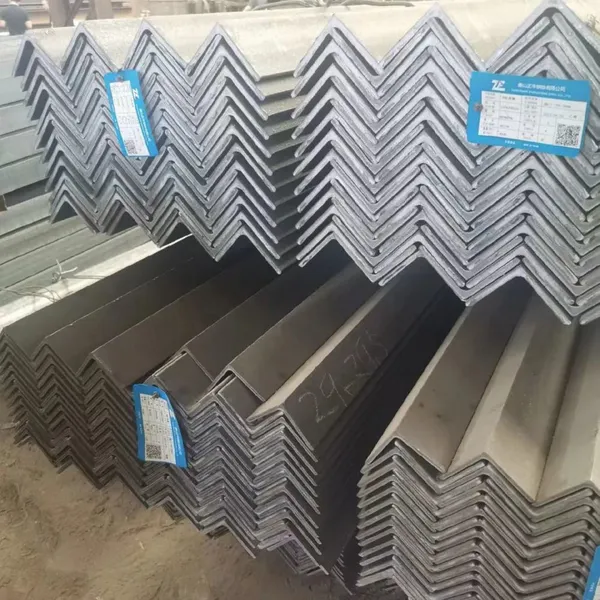
Conventional Packaging: Use high-strength steel strip bundling. The weight of each bundle is adjusted according to the specifications (usually 200 ~ 500kg). The bundling is firm to prevent loosening and deformation during transportation. Each bundle is affixed with a product label, indicating the material, specification, length, weight, heat number and other information, which is convenient for customers to count and check.
Customized Packaging: Pallet packaging, film coating packaging, waterproof packaging, etc. can be provided according to customer requirements. The pallets are made of solid wood or plywood, which is convenient for container loading and unloading. Film coating packaging can effectively prevent moisture and rust during transportation, suitable for long-distance maritime transportation and transportation in rainy areas.
Export Packaging: Strictly packaged according to export standards, marked with English product information, destination, gross weight, net weight and shipping mark (can be printed according to customer requirements), ensuring compliance with the packaging specifications of the importing country and facilitating customs clearance and inspection.
VII. Delivery Cycle (Key Description)
Our company has sufficient inventory and high production efficiency, and strictly guarantees the delivery cycle to ensure that customers receive the goods on time. The specific delivery cycle is explained as follows:
Conventional In-Stock Orders: A large number of in-stock products are available for all conventional specifications (common specifications of Q235B and Q355B). After confirming the order and receiving the advance payment or relevant payment certificate, the delivery cycle is strictly controlled within 5 ~ 7 days to ensure timely delivery from the warehouse and loading, without delaying the customer's construction period.
Bulk Orders: For bulk purchase orders (single purchase volume ≥ 50 tons), even if some specifications are out of stock, we will give priority to production scheduling, optimize the production process, and ensure that production, inspection, packaging and delivery are completed within 5 ~ 7 days to ensure stable delivery time.
Customized Processing Orders: For orders with custom length cutting, special specifications and special surface treatment (such as custom painting, thick galvanizing), after confirming the processing details, the production and delivery will also be arranged in strict accordance with the 5 ~ 7-day cycle without additional extension of the delivery time, meeting the personalized needs of customers.
Logistics Guarantee: Adopt direct port delivery (main ports: Shanghai Port, Ningbo Port, Guangzhou Port, Tianjin Port). Cooperate with many well-known logistics and shipping companies, with efficient logistics and stable time limit, ensuring that the goods are quickly delivered to the destination after shipment. At the same time, provide full logistics tracking service to timely feedback the goods transportation status to customers.
Long-Term Cooperation Guarantee: For long-term cooperative customers, we will establish an exclusive inventory, fixedly implement the 5 ~ 7-day delivery cycle, give priority to stock preparation and delivery, ensure stable delivery time, and provide reliable supply guarantee for customers.
VIII. Quality Assurance System
We always put product quality in the first place, and have established a complete quality control system. Every link from raw material procurement to production, inspection and delivery is strictly checked to ensure that the product quality meets the standards:
Raw Material Control: Select high-quality raw materials from well-known steel mills. Strictly audit the qualification of steel mills before procurement. After the raw materials arrive at the factory, sampling tests of chemical composition and mechanical properties are carried out. Unqualified raw materials are resolutely not put into production.
Production Control: Adopt advanced hot-rolling production equipment, strictly control the process parameters such as rolling temperature and speed, ensure the stability of product dimensional accuracy and mechanical properties. The production process is monitored throughout to timely find and solve problems in the production process.
Finished Product Inspection: Before delivery, each batch of products undergoes sampling inspection, including dimensional accuracy, surface quality, chemical composition, mechanical properties, etc. Only after passing the inspection can they be delivered from the warehouse. At the same time, inspection reports are provided to ensure that the product quality meets the standards.
Third-Party Inspection: Support customers to entrust third-party testing institutions such as SGS, BV and TUV for inspection. The inspection fee can be borne through negotiation to ensure that the products meet the quality requirements of customers and importing countries.
Surface Quality Requirements: No serious defects such as cracks, folds, scars, delamination and inclusions are allowed on the product surface. Minor hairline cracks, pits, pitting and scratches (which do not affect the mechanical properties and use of the product) are allowed. The surface is clean and free of obvious rust.
IX. Application Fields
Angle steel has a wide range of application scenarios, covering construction, machinery, electric power, communication, bridges, ships and many other fields. With its excellent performance and high cost-effectiveness, it has become the core profile of various engineering construction and industrial production. The specific applications are as follows:
Building Steel Structure: Plant frame, workshop purlin, inter-column support, stair handrail, balcony guardrail, curtain wall keel, roof bracket, etc. It is an indispensable basic profile in building structures.
Electric Power and Communication: Power transmission towers, substation frames, cable trench brackets, communication base station brackets, power equipment bases, etc., adapting to outdoor high-strength and weather resistance needs.
Mechanical Manufacturing: Equipment brackets, machine tool bases, construction machinery components, conveying equipment frames, agricultural machinery accessories, etc., adapting to mechanical processing needs with good welding performance and mechanical properties.
Bridges and Transportation: Bridge brackets, guardrails, traffic sign poles, street lamp poles, highway guardrails, etc., suitable for outdoor heavy-duty and impact-resistant scenarios.
Other Fields: Shelves, warehousing equipment, ship components, container accessories, outdoor facilities, chemical equipment brackets, etc. Customized processing services can be provided according to the needs of different scenarios.

Send Inquiry to This Supplier



You May Also Like
-
Steel Coil & Strip& Cold Rolled Coil,SPCC, SPCD, SPCE, DC01, DC02, DC03, DC04, ST12, ST13, ST14, Q195, Q235NegotiableMOQ: 5 Metric Tons
-
Flat Steel & Customized Flat Steel,3×10×6000、5×20×6000、8×30×9000、10×50×12000、12×60×6000、15×80×9000NegotiableMOQ: 5 Metric Tons
-
Flat Steel & Customized Flat Steel,3×10×6000、5×20×6000、8×30×9000、10×50×12000、12×60×6000、15×80×9000NegotiableMOQ: 5 Metric Tons
-
Steel Coil & Strip&Hot Rolled Coil,Q235B, Q355B, SPHC, SPHD, SPHE, SS400, A36, ST37, S235JRNegotiableMOQ: 5 Metric Tons
-
Steel Coil & Strip&Hot Rolled Coil,Q235B, Q355B, SPHC, SPHD, SPHE, SS400, A36, ST37, S235JRNegotiableMOQ: 5 Metric Tons
-
Flat Steel & Customized Flat Steel,3×10×6000、5×20×6000、8×30×9000、10×50×12000、12×60×6000、15×80×9000NegotiableMOQ: 5 Metric Tons
-
Steel Coil & Strip&Hot Rolled Coil,Q235B, Q355B, SPHC, SPHD, SPHE, SS400, A36, ST37, S235JRNegotiableMOQ: 5 Metric Tons
-
Flat Steel & Customized Flat Steel,3×10×6000、5×20×6000、8×30×9000、10×50×12000、12×60×6000、15×80×9000NegotiableMOQ: 5 Metric Tons
-
Steel Coil & Strip&Hot Rolled Coil,Q235B, Q355B, SPHC, SPHD, SPHE, SS400, A36, ST37, S235JRNegotiableMOQ: 5 Metric Tons
-
Steel Wire & High Quality Steel Wire,GB/T 343-2015、ASTM A475NegotiableMOQ: 5 Metric Tons


