








 Contact Platform Support
 Help Center
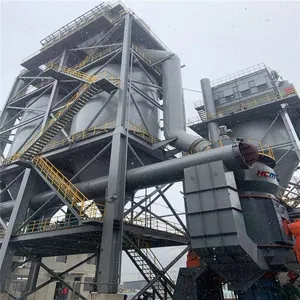
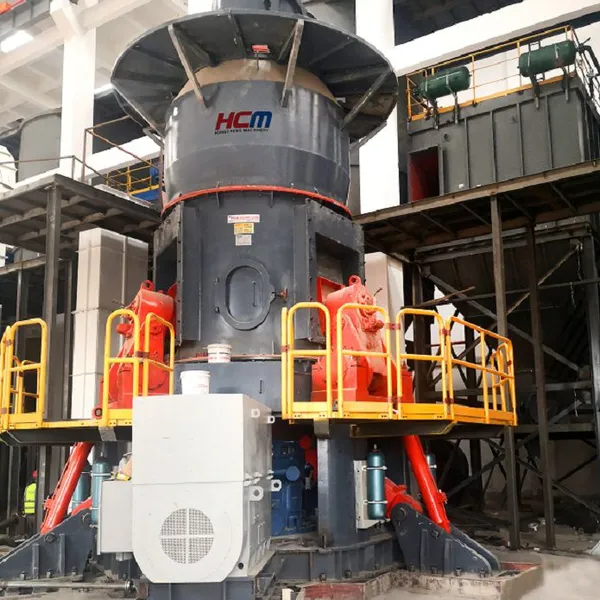
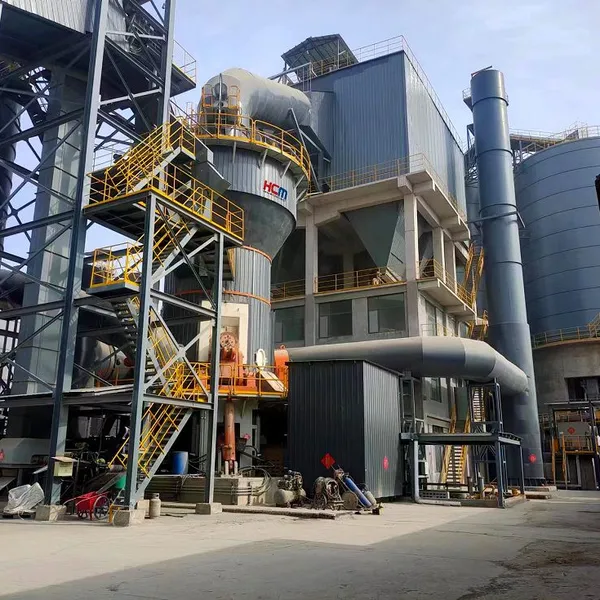
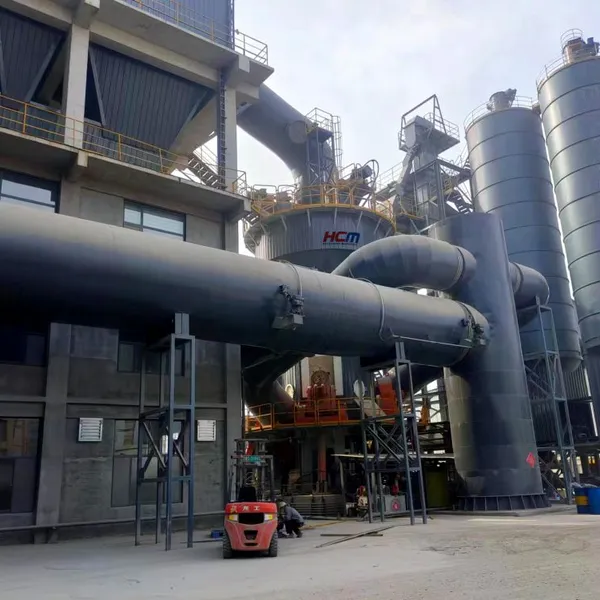
China HCM HLM Large Vertical Roller Mill for Talc Kaolin Grinding 325 Mesh D99 14 TPH for Glass Fiber Industry

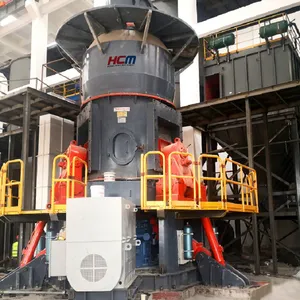
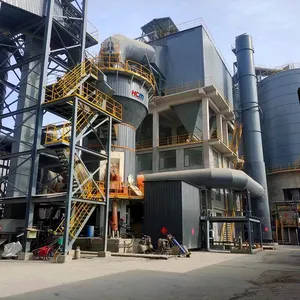
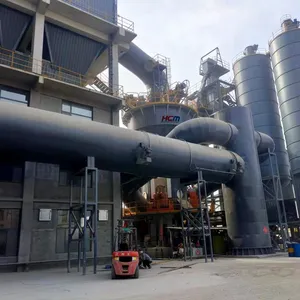
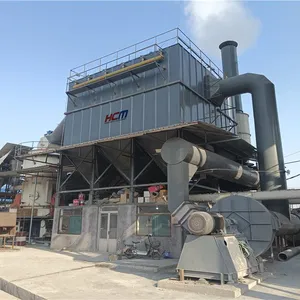
Product Spotlights


Related Products
-
 HCM Calcined Vanadium Titanium Slag Ultrafine Grinding Equipment | HLM Vertical Mill | 20 TPH CapacityNegotiableMOQ: 1 Combo
 -
HCM S95-grade Blast Furnace Slag Grinding Mill, Achieving a Fineness of 430 Specific Surface Area With a Production Capacity of 40 T/hNegotiableMOQ: 1 Combo
-
Customized Lepidolite Grinding Production Line 30TPH Vertical Roller Mill for Battery Grade Lithium Mineral ProcessingNegotiableMOQ: 1 Combo
-
High Efficiency HCM Vertical Mill Bauxite Grinding Plant 44 Ton Per HourNegotiableMOQ: 1 Combo
-
China HCM Manufacturer HLM2000 Vertical Coal Mill - 200 Mesh, 28 Ton/HourNegotiableMOQ: 1 Combo
1. Product Overview:
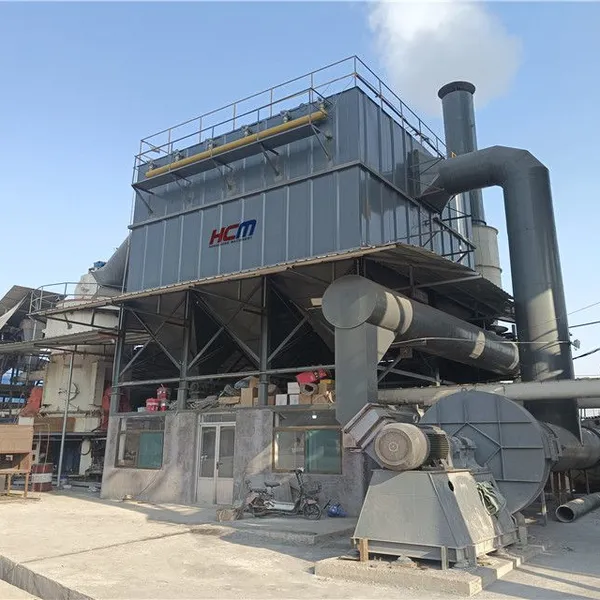
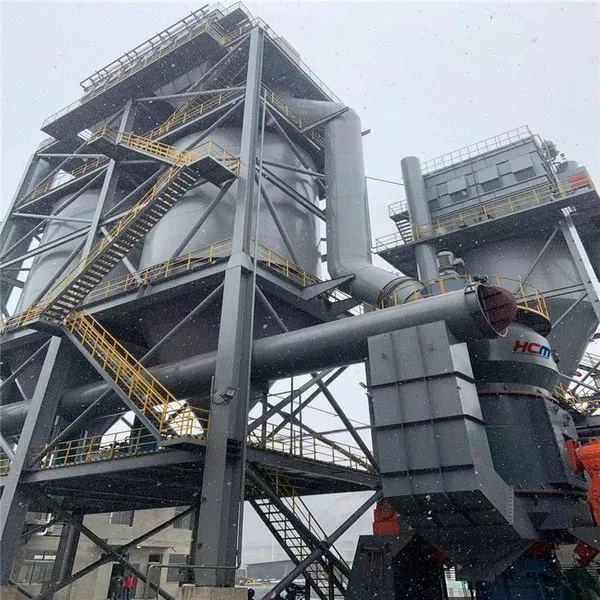
HCM, a professional Chinese vertical roller mill manufacturer, independently researches and produces the HLM series large vertical roller mill, which is specially designed for talc and kaolin grinding for the glass fiber industry. This mill can stably grind talc and kaolin into 325 mesh fine powder with D99 passing rate, and the hourly output reaches about 14 tons (TPH). It fully meets the strict requirements of glass fiber production for the fineness, purity and particle size uniformity of talc and kaolin raw materials, providing high-quality powder support for the efficient operation of glass fiber production lines worldwide.
As key raw materials in the glass fiber industry, talc and kaolin play an irreplaceable role in improving the mechanical properties, heat resistance and insulation performance of glass fiber. HLM series vertical roller mill integrates crushing, grinding, grading and conveying functions, realizing efficient, energy-saving and environmentally friendly grinding of talc and kaolin, and is widely praised by glass fiber manufacturers at home and abroad.
2. Product Parameters:
3. Product Features & Advantages
• Stable Fineness & High Passing Rate: Equipped with high-efficiency classifier system, it ensures that talc and kaolin powder reaches 325 mesh with D99 passing rate, uniform particle size distribution, no coarse particles, and fully meets the technical requirements of glass fiber production for raw material fineness.
• Efficient & Stable Output: The hourly output is stably around 14 tons under the condition of 325 mesh D99, which is suitable for large-scale continuous production of glass fiber plants, improving production efficiency and reducing production costs.
• Energy-Saving & Low Consumption: Adopting advanced vertical grinding technology, compared with traditional ball mills, the energy consumption is reduced by 30%-40%, the operation cost is greatly reduced, and it conforms to the global energy-saving and environmental protection production concept.
• High Purity of Finished Powder: Closed-loop grinding system with high-efficiency dust collector, which avoids pollution of talc and kaolin powder during the grinding process, ensures the purity of the powder, and meets the requirements of glass fiber production for raw material impurity content.
• Durable & Easy Maintenance: The key parts are made of high-quality wear-resistant materials, with long service life and strong adaptability to harsh industrial environments; the automatic control system is adopted, the operation is simple, and the maintenance is convenient, reducing labor costs.
• Customizable Design: According to the specific requirements of glass fiber manufacturers for talc/kaolin fineness, output and impurity content, we can provide customized solutions to meet different production needs.
4. Talc & Kaolin: Application in Glass Fiber Industry
4.1 Main Uses
Talc and kaolin are important silicate mineral raw materials in the glass fiber industry, providing essential SiO₂ and Al₂O₃ components for glass fiber melting, and their properties directly determine the quality of glass fiber products:
• Talc: As a key raw material for glass fiber production, talc with Al₂O₃ content of 18%-22% (medium aluminum type) is preferred. It can adjust the aluminum-silicon ratio of glass fiber raw materials, replace aluminum powder to reduce production costs, and significantly improve the mechanical strength, heat resistance and corrosion resistance of glass fiber. It is widely used in the production of ordinary and high-strength glass fiber.
• Kaolin: High-purity kaolin is mainly used in the production of high-strength and electronic-grade glass fiber. Its tubular or flaky crystal structure, high whiteness, good suspension and plasticity can improve the insulation, acid and alkali resistance and high-temperature stability of glass fiber. It is an ideal raw material for high-end glass fiber products such as electronic cloth.
4.2 Technical Index Requirements for Glass Fiber Industry
To ensure the performance of glass fiber, talc and kaolin powder ground by HLM series vertical mill must meet the following strict technical indicators, which are fully matched by our equipment:
• Fineness Requirement: 325 mesh, D99 passing rate, particle size uniformity (no coarse particles), which is conducive to uniform mixing of raw materials and full melting in the kiln.
• Impurity Content Requirement: Fe₂O₃ ≤0.6% (key harmful impurity, which will affect the whiteness and mechanical properties of glass fiber), SiO₂ content meets the formula requirements (about 55%-70%), Al₂O₃ content: talc 18%-22%, kaolin ≥37% (for high-strength glass fiber)superscript:5kiej>.
• Other Indicators: Whiteness ≥85%, moisture content ≤10% (optimal 7%-9%), no harmful impurities such as K₂O, Na₂O (content ≤0.4% in total), ensuring the melting effect and product quality of glass fibersuperscript:5kiej>.
4.3 Brief Application Process Flow
The grinding process of talc and kaolin by HLM series vertical mill is closely connected with the glass fiber production process, and the whole process is efficient and continuous. The brief flow is as follows:
1. Raw Material Pretreatment: Talc and kaolin raw ore are crushed to ≤30mm (no need for secondary crushing), and impurities are removed to ensure the purity of raw materials.
2. Efficient Grinding: The pretreated raw materials are fed into HLM series vertical roller mill, and under the action of hydraulic pressure and grinding roller, they are ground into fine powder. The built-in classifier screens the powder in real time, and the unqualified coarse powder is returned to the mill for re-grinding.
3. Powder Collection: The 325 mesh D99 qualified powder is collected by the dust collector, and the closed-loop system ensures no dust pollution and high powder collection rate.
4. Glass Fiber Production: The ground talc and kaolin powder are mixed with quartz sand, alumina and other raw materials according to the formula, then sent to the high-temperature kiln for melting (1100-1300℃), and after bubble removal, they are drawn into glass fiber through the leakage plate, realizing the full application of talc and kaolin in glass fiber productionsuperscript:6kiej>.
Note: The main production process of glass fiber is tank kiln wire drawing (accounting for 85%-90% of the global total), which has the advantages of simple process, high efficiency and stable forming. HLM series vertical mill is perfectly matched with this process, providing stable and high-quality raw material powder for itsuperscript:6kiej.
5. Why Choose HCM HLM Series Vertical Mill?
• Professional Manufacturer: HCM is a professional Chinese vertical mill R&D and production manufacturer, with rich experience in grinding equipment for the glass fiber industry, and has served hundreds of glass fiber and mineral processing enterprises around the world.
• Product Adaptability: HLM series is specially optimized for talc and kaolin grinding, which can stably achieve 325 mesh D99 fineness and 14 TPH output, fully matching the technical requirements of the glass fiber industry.
• Quality Assurance: Strict quality control system, all parts are selected from high-quality materials, and the equipment has passed ISO9001 and CE certification, with stable performance and long service life.
• Global Service: Provide one-stop service including overseas installation, commissioning, operator training and after-sales maintenance, solving the worries of foreign customers in use.
• Cost-Effective: High efficiency, low energy consumption and low maintenance cost, helping glass fiber manufacturers reduce production costs and improve market competitiveness.

Send Inquiry to This Supplier


You May Also Like
-
HCM China HLM1700 Large Vertical Roller Mill for Water Slag Grinding | 325 Mesh 99% Passing Rate, 10-15t/h OutputNegotiableMOQ: 1 Combo
-
Kaolin Vertical Roller Mill HCM China Kaolin Vertical Mill ManufacturerNegotiableMOQ: 1 Combo
-
1.HCM HLM3400 Vertical Roller Mill for Cement Additive Grinding 325 Mesh D99.5 | Overseas Cement Plant SolutionNegotiableMOQ: 1 Combo
-
HCM HLM2000 Vertical Grinding Mill for Yellow Phosphorus Slag, 400 Mesh, 15 TPH CapacityNegotiableMOQ: 1 Combo
-
HCM 2 Sets HLM2400 Vertical Mill for Manganese Carbonate | 80 Mesh Full Pass | 100 TPH Large Project SolutionNegotiableMOQ: 1 Combo
-
HCM Vertical Roller Mill Grinding Iron Ore To 200 Mesh 50 TPH For Steel Plant Pellet Production LineNegotiableMOQ: 1 Combo
-
Industrial Graphite Ultrafine Grinding Mill HLMX, 1.5-3 TPH Capacity, 3μm/13μm Finished Graphite Powder ManufacturerNegotiableMOQ: 1 Combo
-
Compact Small Limestone Pulverizer (Raymond Type), 1-2 Workers Operation, 1-5 T/H OutputNegotiableMOQ: 1 Combo
-
HCM Copper Ore Grinding Machine, High Efficiency Copper Ore Slag Grinding Processing Equipment for Smelting IndustryNegotiableMOQ: 1 Combo
-
Bauxite Fine Processing Machine for Refractory/Ceramic/Abrasive | 325-2500 Mesh Powder Making PlantNegotiableMOQ: 1 Combo


