








 Contact Platform Support
 Help Center
Experienced Rubber Dam Manufacturer for Global Projects
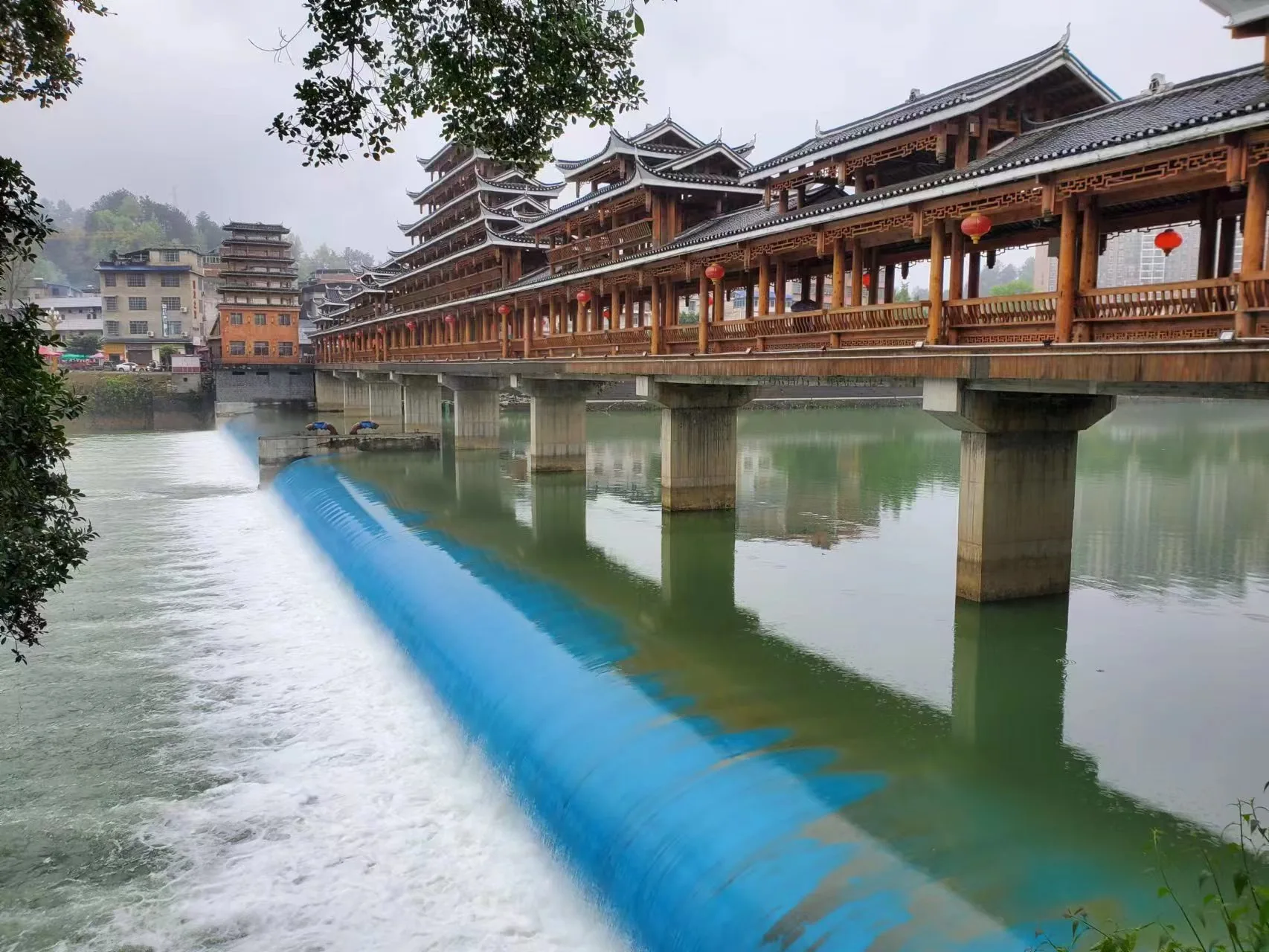
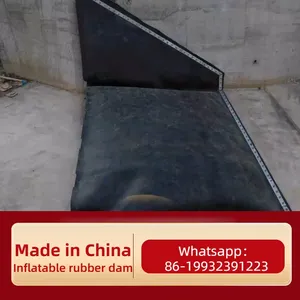
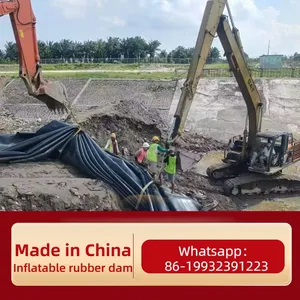
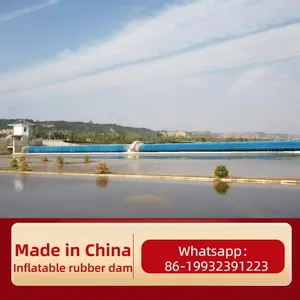
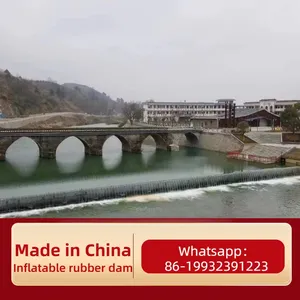
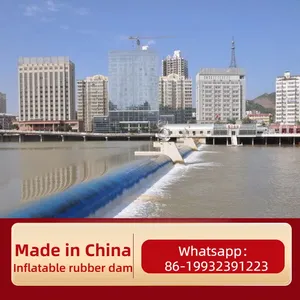
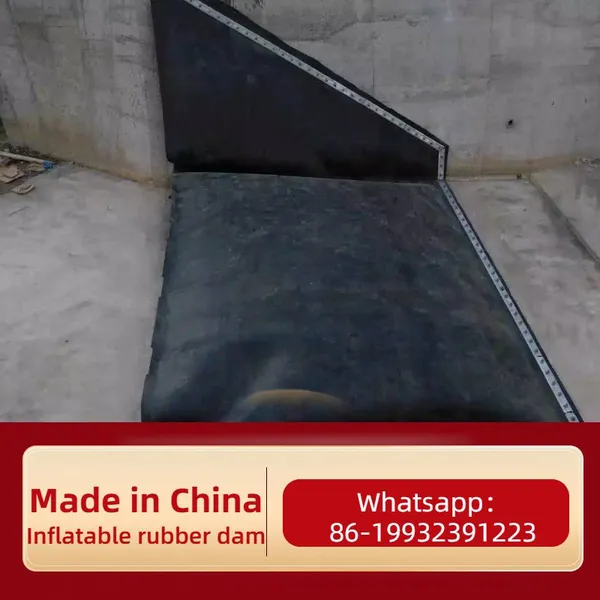
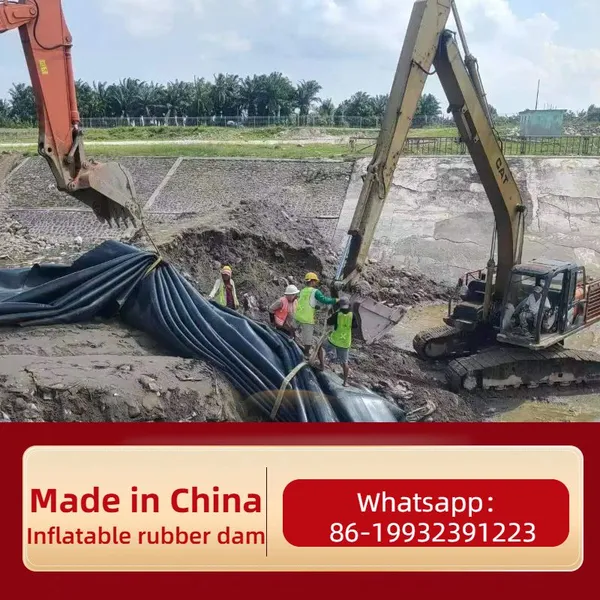
Product Spotlights
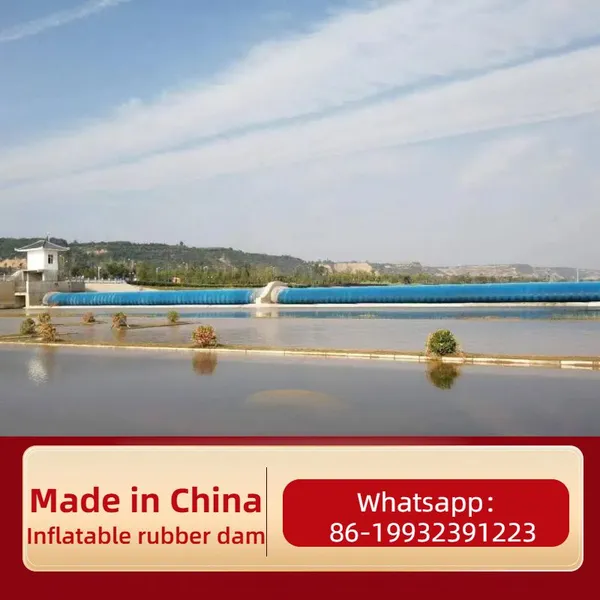
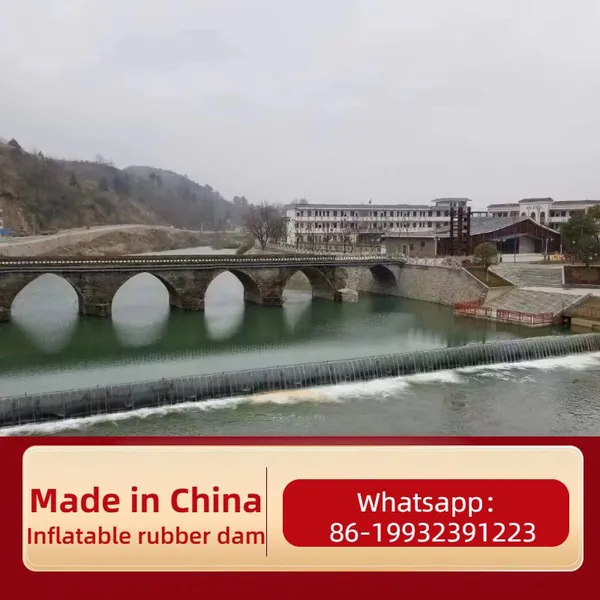
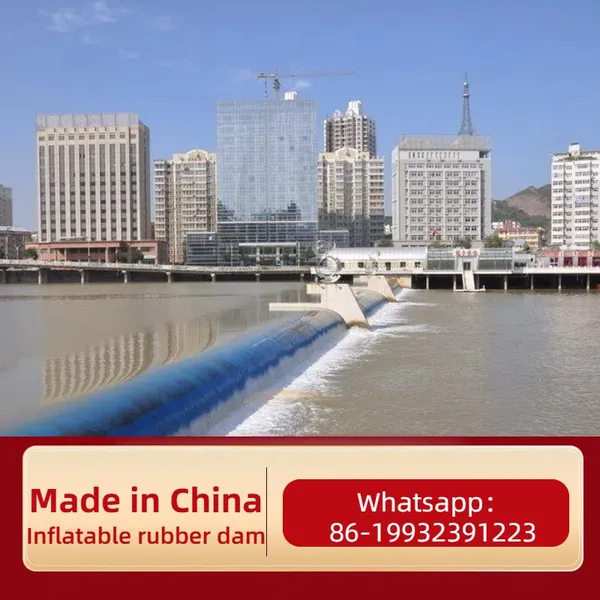
Environmentally friendly, no damage to ecological environment
Stable structure, safe and reliable operation
Wide application in irrigation, flood control and water storage
Customizable size and pressure to meet project requirements



Related Products
-
 Inflatable Rubber Dam for Irrigation, Flood Control & Water StorageUS$ 170 - 250MOQ: 20 Meters
 -
Flexible Rubber Weir Dam for Hydraulic EngineeringUS$ 170 - 250MOQ: 20 Meters
-
Rubber Dam | Inflatable Rubber WeirUS$ 170 - 250MOQ: 20 Meters
-
Rubber Dam ManufacturerUS$ 170 - 250MOQ: 20 Meters
-
Custom Rubber Dam SupplierUS$ 170 - 250MOQ: 20 Meters
Detailed Introduction to Inflatable Rubber Dams
Inflatable rubber dams, also known as pneumatic rubber dams or inflatable flexible dams, are innovative hydraulic structures designed for water resource management, flood control, irrigation, and ecological restoration. Unlike traditional rigid dams (such as concrete dams or stone dams), inflatable rubber dams are characterized by their flexibility, portability, and adjustable functionality, making them an ideal solution for modern hydraulic engineering projects of various scales.
1. Basic Structure & Material Composition
The core structure of an inflatable rubber dam consists of three main components: the dam body, the inflation/deflation system, and the foundation anchoring system, all of which work together to ensure stable operation and long service life.
The dam body is the key part, made of high-strength synthetic rubber composites, typically including neoprene (CR), ethylene-propylene-diene monomer (EPDM), or chlorosulfonated polyethylene (CSM). These materials are selected for their excellent resistance to aging, UV radiation, corrosion, and mechanical wear. To enhance structural strength and load-bearing capacity, the dam body is reinforced with multiple layers of high-tensile fiber fabrics (such as polyester or nylon), which are embedded in the rubber matrix to prevent tearing and deformation under high water pressure.
The inflation/deflation system is composed of air compressors, water pumps, control valves, and pipelines. Depending on the project requirements, the dam can be inflated with air or water: air-inflated dams are lighter and easier to deflate quickly, while water-inflated dams have better stability and resistance to external impacts. The control system allows for automatic or manual adjustment of the inflation pressure, enabling precise control of the dam height and water level.
The foundation anchoring system is used to fix the dam body to the riverbed or channel banks, ensuring that the dam does not shift or float during operation. It usually includes anchor bolts, steel plates, and concrete foundations, which are designed according to the geological conditions of the project site to withstand the horizontal and vertical forces generated by water pressure and water flow.
2. Working Principle
The working principle of an inflatable rubber dam is simple yet efficient. When the dam is not in use, it is deflated and lies flat on the riverbed, allowing unobstructed water flow. When water storage, flood control, or water level adjustment is required, the inflation system is activated to fill the dam body with air or water. As the dam inflates, it rises vertically to form a barrier across the river or channel, blocking water flow and raising the water level to the desired height.
The height of the dam can be flexibly adjusted by controlling the inflation pressure: higher pressure results in a taller dam, while lower pressure reduces the dam height. When the dam needs to be deflated (e.g., during flood discharge or maintenance), the control valves are opened to release air or water, and the dam body collapses back to the riverbed, restoring normal water flow. This adjustable functionality makes inflatable rubber dams highly versatile and suitable for dynamic water management scenarios.
3. Core Advantages
Compared with traditional rigid dams, inflatable rubber dams offer a range of unique advantages that make them increasingly popular in hydraulic engineering:
Flexibility & Adjustable Height: The dam can be inflated and deflated quickly, allowing for real-time adjustment of water levels according to project needs. This flexibility is particularly useful for flood control, where rapid deflation can help discharge excess water and prevent flooding.
Lightweight & Easy Installation: The dam body is lightweight (much lighter than concrete or stone dams), making transportation and installation convenient. The construction period is significantly shorter—usually a few weeks to a few months, compared to several years for traditional dams—greatly reducing project time and labor costs.
Cost-Effective: The material and construction costs of inflatable rubber dams are much lower than those of rigid dams, especially for small to medium-sized projects. Additionally, their low maintenance requirements (simple inspection and occasional rubber repair) further reduce long-term operational costs.
Excellent Adaptability: Inflatable rubber dams can be installed on various terrain types, including uneven riverbeds and soft soil foundations, which are not suitable for traditional dams. They can also be customized in size (length, height, width) to meet the specific requirements of different projects.
Environmentally Friendly: The materials used in inflatable rubber dams are non-toxic and environmentally friendly, causing no harm to aquatic ecosystems. When deflated, the dam lies flat on the riverbed, minimizing interference with water flow and aquatic life, which is crucial for ecological restoration projects.
Durable & Reliable: High-quality synthetic rubber and reinforced fiber materials ensure excellent resistance to aging, UV radiation, corrosion, and mechanical damage. With proper maintenance, the service life of an inflatable rubber dam can reach 15-20 years, comparable to traditional dams.
4. Wide Application Scenarios
Inflatable rubber dams are widely used in various hydraulic and water resource management projects, including:
Irrigation: Raising water levels in channels to ensure adequate water supply for agricultural irrigation, especially in arid and semi-arid regions.
Flood Control: Acting as a temporary barrier to block floodwater and protect downstream areas, with the ability to deflate quickly to discharge excess water when needed.
Water Storage: Storing water in rivers, reservoirs, or lakes for domestic water supply, industrial use, or hydropower generation.
River Management & Ecological Restoration: Regulating water flow to improve water quality, restore river ecosystems, and prevent riverbed erosion.
Urban Water Conservancy: Beautifying urban water landscapes, maintaining water levels in artificial lakes or rivers, and preventing waterlogging in urban areas.
Diversion Projects: Diverting water from one channel to another for irrigation, water supply, or hydropower generation.
5. Key Technical Parameters & Customization
Inflatable rubber dams can be customized according to the specific needs of each project, with key technical parameters including:
Dam length: 10m-1000m (can be extended by connecting multiple dam sections)
Dam height: 0.5m-5m (adjustable according to inflation pressure)
Inflation medium: air or water
Working pressure: 0.02MPa-0.15MPa
Material thickness: 1.5mm-5.0mm (depending on the required strength)
Service life: 15-20 years (under normal maintenance)
Manufacturers can also provide customized solutions for special environments, such as high-temperature, low-temperature, or highly corrosive areas, by selecting appropriate materials and optimizing the structure.
6. Maintenance & Service
To ensure the long-term stable operation of inflatable rubber dams, regular maintenance is essential. Routine maintenance includes inspecting the dam body for cracks, leaks, or damage, checking the inflation/deflation system for proper operation, cleaning the dam surface to remove debris, and testing the anchoring system for stability. Minor damage (such as small cracks or punctures) can be repaired with special rubber adhesives, while major damage may require replacing the affected section of the dam body.
Most manufacturers provide professional after-sales service, including on-site installation guidance, maintenance training, and technical support, to help customers maximize the service life of their inflatable rubber dams.
In summary, inflatable rubber dams are a flexible, cost-effective, and environmentally friendly hydraulic solution that offers significant advantages over traditional rigid dams. With their wide application range, adjustable functionality, and long service life, they have become an indispensable part of modern water resource management and hydraulic engineering projects worldwide.

Send Inquiry to This Supplier



You May Also Like
-
High Quality Rubber Dam for Water Control & IrrigationUS$ 170 - 250MOQ: 20 Meters
-
Customized Inflatable Rubber Dam ManufacturerUS$ 170 - 250MOQ: 20 Meters
-
Durable Rubber Weir Dam for River & ReservoirUS$ 170 - 250MOQ: 20 Meters
-
Professional Inflatable Rubber Dam SupplierUS$ 170 - 250MOQ: 20 Meters
-
Reliable Rubber Dam for Flood Control ProjectUS$ 170 - 250MOQ: 20 Meters
-
Professional Rubber Dam Manufacturer With Full CertificationsUS$ 170 - 250MOQ: 20 Meters
-
Custom Inflatable Rubber Dam From China Reliable FactoryUS$ 170 - 250MOQ: 20 Meters
-
Long Service Life Inflatable Rubber Dam Direct SupplyUS$ 170 - 250MOQ: 20 Meters
-
China Top Rubber Dam Manufacturer & Global ExporterUS$ 170 - 250MOQ: 20 Meters
-
Factory Price High Quality Rubber Dam for ProjectsUS$ 170 - 250MOQ: 20 Meters


