








 Contact Platform Support
 Help Center
How to Choose Between Small Craft Beer Equipment, Large Craft Beer Equipment, and Automation Control Systems

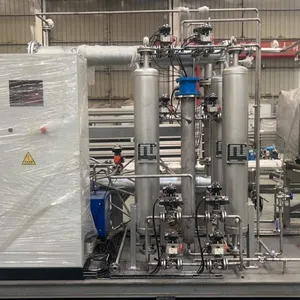
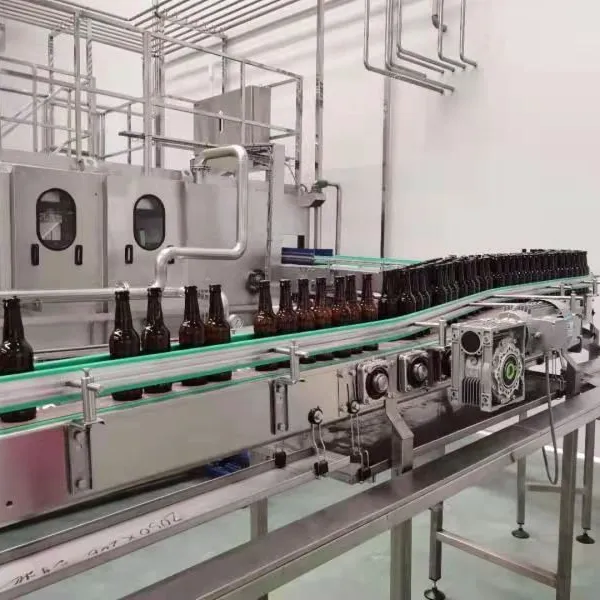
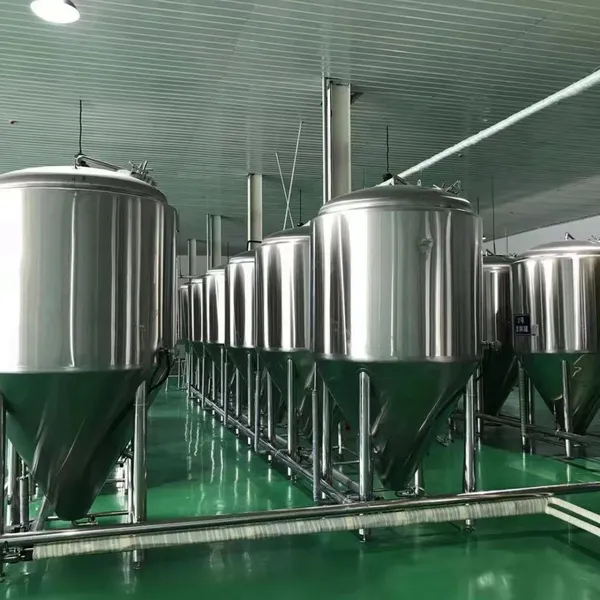
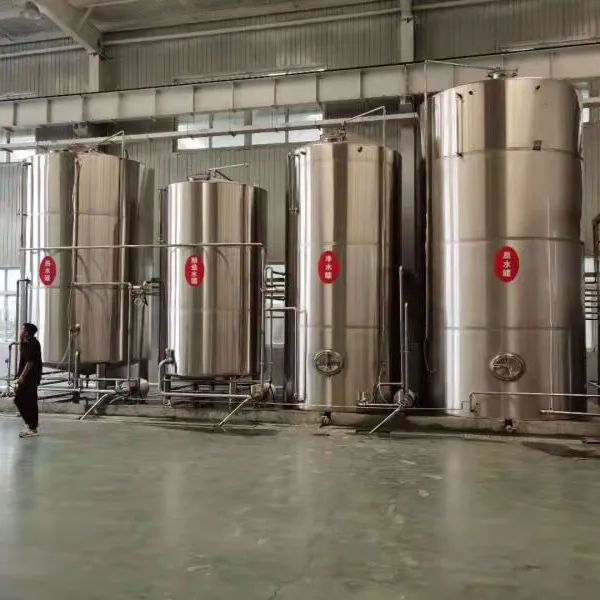
Product Spotlights


Related Products
-
 How Much Investment is Needed to Open a Craft Beer Workshop? A Startup Guide That Focuses Only on the Core, Not on Prices.NegotiableMOQ: 1 Combo
 -
Equipment Needed for Homebrewed Beer • 100L American-Style Three-Vessel System • Craft Beer Bar Equipment ManufacturerNegotiableMOQ: 1 Combo
-
Precise Temperature Control, Efficient Mashing, Stable Fermentation: The Core Systems of SMLW Craft Brewing EquipmentNegotiableMOQ: 1 Combo
-
Craft Beer Bar Equipment Layout Solutions | 300L 500L Craft Beer Brewing Equipment ManufacturerNegotiableMOQ: 1 Combo
-
Craft Beer Brewing Equipment: 2026 Trends and Investment GuideNegotiableMOQ: 1 Combo
What Can Automation Control Really Bring You?
1. Recreate the Classic, Drop by Drop
The subtle variations of manual operation are part of craft beer's charm, but they can also be its flavor's downfall. Through precise programming, an automation control system locks in key process parameters like the mashing temperature curve, boiling time, and hop addition points. This means that once you've perfected a hit IPA, batches 100 and 1,000 can maintain completely consistent flavor and quality, building an unshakable brand reputation.
2. Free Your Brewer from Repetitive Labor
Features like "one-touch mashing" and "automatic CIP cleaning" are no longer exclusive to large breweries. Modern automation systems in craft equipment can take over vast amounts of repetitive, time-consuming manual work. Your brewer can evolve from an "equipment operator" into a "flavor designer," focusing more energy on recipe development, process optimization, and customer experience. Data shows that full-process automation can reduce manual intervention by up to 90%, which is especially valuable for startups looking to lower training costs and operational errors.
3. Tangible Savings: Energy and Ingredients
Intelligent systems utilize heat recovery to use excess heat from the boil kettle to preheat water for the next mash, reducing overall energy consumption by over 30%. Precise temperature control (with deviations as low as ±0.5°C or less) means less energy waste and a more stable fermentation process, thereby reducing raw material loss due to process fluctuations.
4. Command Your Operations from Anywhere
Through remote monitoring via a phone or computer, you can check the temperature and pressure of every fermenter in real time—whether you're at home or traveling—and receive immediate alerts for any equipment anomalies. Production data is automatically logged and compiled into reports, giving you clear insights into the cost and efficiency of every single batch. Your management decisions will now be firmly data-driven.
Find Your "Perfect Match" Control System in Three Steps
Choosing a control system isn't about the highest price, but the best fit. You can easily find the right one in just three steps:
Step 1: Assess Your Scale, Determine the Level
• Homebrew/Microbrewery (
• Small Craft Beer Bar/Brewery (500L - 3000L): You face the challenge of stable mass production and consistent quality. A PLC-based semi-automatic/fully automatic control system offers the best value. It enables one-touch mashing processes and independent temperature control for multiple tanks, forming the cornerstone for stable commercial output.
• Medium-sized and Larger Breweries (>3000L): You pursue efficiency, scale, and ultimate stability. You must opt for a fully automatic PLC central control system, potentially integrated with an MES (Manufacturing Execution System). Achieving full-process automation, data tracking, and traceability from raw material input to finished product filling is the inevitable choice for scaled production.
Step 2: Understand PID vs. PLC, Don't Be a Tech "Newbie"
These are the two most common terms you'll encounter. Here's a simple breakdown:
• PID Control: Acts like a dedicated temperature nanny. Its core task is singular and excellent—it relentlessly monitors temperature, making rapid adjustments via Proportional, Integral, and Derivative calculations to maintain a constant temperature. It's lower cost, simpler to operate, and suits scenarios requiring high precision for a single parameter (like fermentation temperature).
• PLC Control: Is the all-around commander of the entire brewhouse. It not only controls temperature but also manages pump start/stop, valve opening/closing, process sequences, and records all data. It's more complex, more powerful, and more expensive. It's the core for automating complex brewing processes.
Simply put: If you just need a "constant temperature box," choose PID. If you want an "automated brewing workshop," choose PLC.
Step 3: Focus on These Four Core Selection Criteria
1. Precision is the Soul: Fermentation tank temperature control precision must reach ±0.5°C. This is the lifeline for brewing distinctive styles like Lagers or fruit-infused craft beers. Mashing temperature precision should also be within ±1°C.
2. Stability is the Foundation: Check the brand of the core controller (e.g., Siemens, Schneider). They represent the system's reliability and anti-interference capability. Ask the manufacturer if they conduct uninterrupted stress tests for over 72 hours.
3. Plan for Expansion: Choose a modularly designed system. If you have 2 fermenters today but plan for 8 tomorrow, can the control system easily add control points? This reserves space for your future growth.
4. Service Ensures Peace of Mind: Even the best system might need maintenance. Confirm if the manufacturer provides 24/7 fault response, remote diagnostics, and maintains a sufficient spare parts inventory. A "turnkey project" approach and lifelong technical support will make your path to production smooth and worry-free.
Take Action, Let Intelligent Brewing Create Value for You
Choosing an automation control system is an investment in your future. What you're buying isn't just cold hardware, but consistent output, greater efficiency, lower costs, and the precious creativity and time of you and your team.
Stop letting inconsistent quality trouble you. Stop allowing manpower bottlenecks to limit your growth. Start now by having an in-depth discussion with an equipment manufacturer that possesses independent R&D capability, a wealth of industry case studies, and a comprehensive service system.
Tell them about your dream scale, flagship beers, and unique process features to obtain a tailored automation control system solution designed specifically for you. Take this step, and your next craft beer will be purer because of intelligence, and more captivating because of its stability.
Your craft beer dream deserves a smarter, more reliable start.

Send Inquiry to This Supplier


You May Also Like
-
From Home Brewing to Startups: Pick the Best Craft Beer Systems. Factory Direct Sales.NegotiableMOQ: 1 Combo
-
Direct Factory Supply: Full-Set Craft Beer Equipment & Tech Support. Your One-Stop Brewing Solution.NegotiableMOQ: 1 Combo
-
From Recipe to Mass Production: Full-Process Guidance From Your Craft Beer Equipment Manufacturer.NegotiableMOQ: 1 Combo
-
2026 Latest Craft Beer Equipment Price List | Factory Direct SalesUS$ 200000 - 1000000MOQ: 1 Combo
-
Craft Beer Equipment: From Small-scale Experimental Systems to Large-scale Production LinesNegotiableMOQ: 1 Combo
-
Factory Direct Craft Beer Equipment: One-Stop Solution With Full Set & Tech SupportUS$ 10000 - 15000MOQ: 1 Combo
-
A Complete Analysis of the Standard Configuration of Craft Beer EquipmentUS$ 150000 - 200000MOQ: 1 Combo
-
From Novice to Expert: The Ultimate Guide to Craft Beer Equipment Selection – Taught by a Manufacturer's EngineerUS$ 200000 - 250000MOQ: 1 Combo
-
Simuliwei: The Efficient Choice for Craft Brewing - Core Configuration Analysis of the Four-Vessel Mashing SystemUS$ 80000 - 100000MOQ: 1 Combo
-
New Benchmark for Efficient Craft Brewing: The Simalvic Five-Vessel Mashing System, Unlocking Ultra-Large-Scale Brewing Potential.US$ 160000 - 180000MOQ: 1 Combo


