








 Contact Platform Support
 Help Center
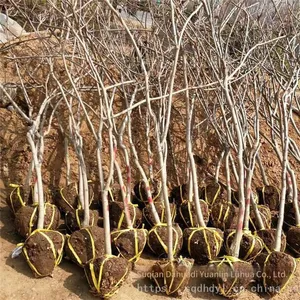
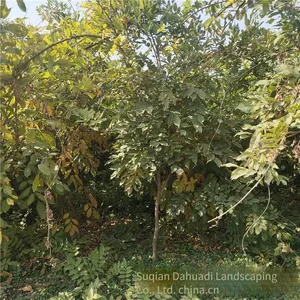
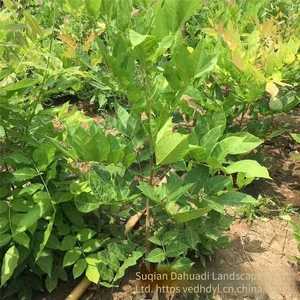
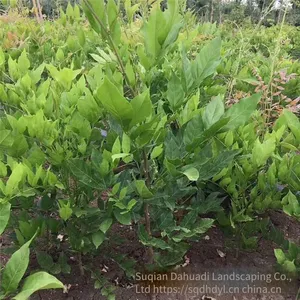
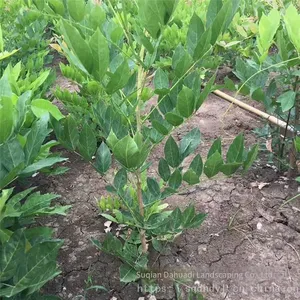
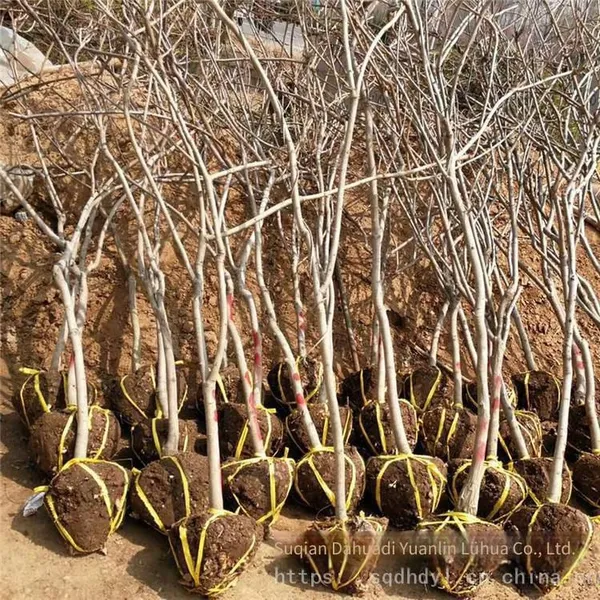
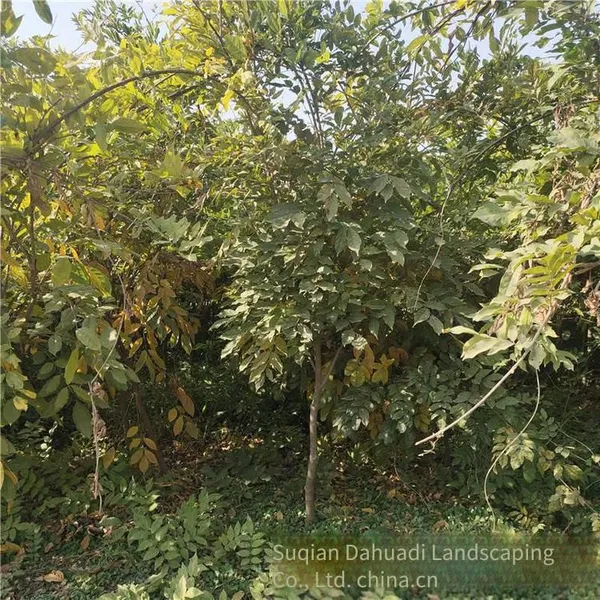
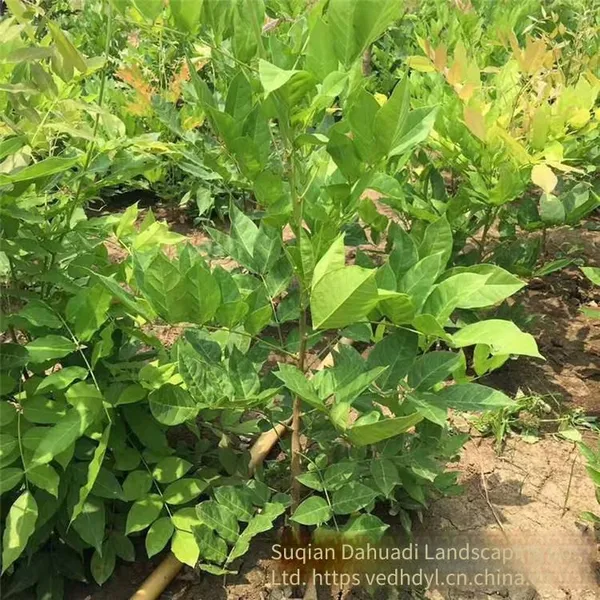
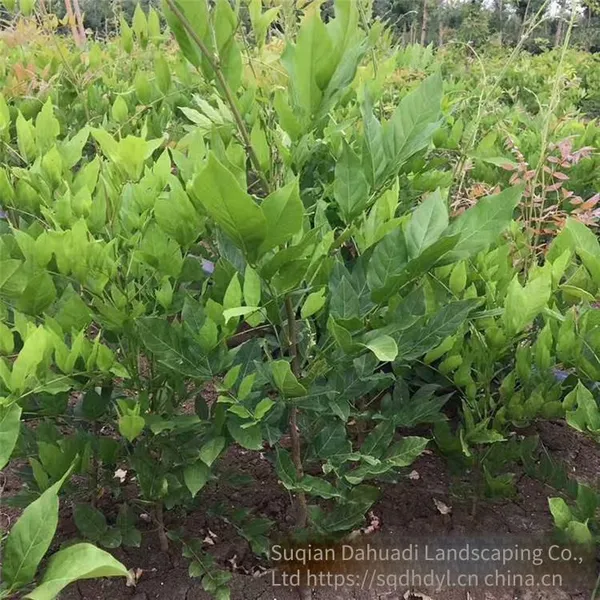
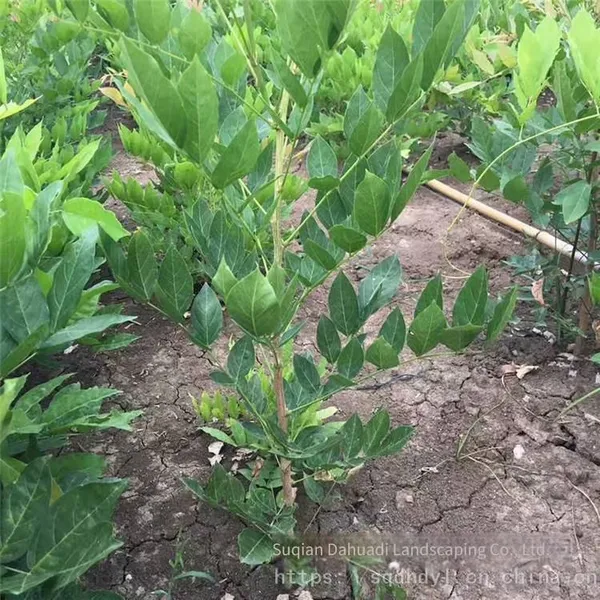
This Year, the Price of Wisteria Saplings With a Ground Diameter of 2 cm in the Climbing Plant Area of Zhejiang Region. One Sapling is From a Ground Cover Plant Base.


Related Products
-
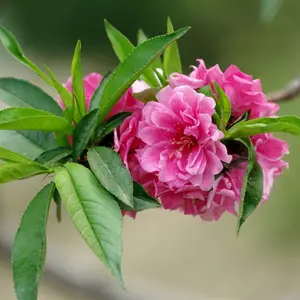
 Price List of Small Prunus Persica Var. Duplex Seedlings, Quotation of Prunus Persica Var. Duplex, One Prunus Persica Var. Duplex TreeUS$ 0.31 - 0.62MOQ: 100 Pieces
 -
This Year, the Price of a Wisteria Sapling With a Ground Diameter of 1 Cm, a Climbing Plant in Jiangsu Area, From a Ground Cover Plant BaseUS$ 0.11 - 0.15MOQ: 1000 Pieces
-
Prices of Jiangsu Chinese Swamp Cypress, Price List of Chinese Swamp Cypress Base, Chinese Swamp Cypress ManufacturersUS$ 1.08 - 1.38MOQ: 100 Pieces
-
in the Shuyang Area, the Price of Centimeter-sized Golden Privet Seedlings is Cheap and the Survival Rate is High.US$ 0.03 - 0.04MOQ: 10000 Pieces
-
Price of Shandong Golden Sophora Japonica. Base Quotation ListUS$ 0.15 - 0.46MOQ: 500 Pieces
Name, Ground Diameter, Price
Wisteria sinensis, 2, 20 - 35
Wisteria sinensis, 3, 38 - 80
Wisteria sinensis, 4, 85 - 140
Wisteria sinensis, 5, 140 - 220
Wisteria sinensis, 6, 230 - 300
Wisteria sinensis, 7, 430 - 550
Wisteria sinensis, 8, 570 - 650
Edit of Morphological Characteristics
Deciduous liana. The stem twines clockwise. The branches are relatively thick. The young branches are covered with white pubescence and then glabrous; the winter buds are ovoid. The odd-pinnate compound leaves are 15 - 25 cm long; the stipules are linear and caducous; there are 3 - 6 pairs of leaflets, papery, ovate-elliptic to ovate-lanceolate. The upper leaflets are larger, and the basal pair is smaller, 5 - 8 cm long and 2 - 4 cm wide. The apex is acuminate to caudate, the base is obtuse-rounded or cuneate, or oblique. The young leaves are covered with appressed hairs on both sides and then glabrous; the petiolules are 3 - 4 mm long and pubescent; the stipels are spinulose, 4 - 5 mm long and persistent. [2]
Wisteria sinensis (Picture source: Baidu Images) (44 pieces)
The racemes originate from the axillary or terminal buds of one-year-old short branches, 15 - 30 cm long and 8 - 10 cm in diameter. The rachis is covered with white pubescence; the bracts are lanceolate and caducous; the flowers are 2 - 2.5 cm long and fragrant; the pedicels are thin, 2 - 3 cm long; the calyx is cup-shaped, 5 - 6 mm long and 7 - 8 mm wide, densely covered with fine sericeous hairs. The upper two teeth are very obtuse, and the lower three teeth are ovate-triangular; the corolla is purple. The standard petal is circular, slightly concave at the apex, reflexed after flowering, with two callosities at the base. The wing petals are oblong, with a rounded base. The keel petals are shorter than the wing petals, broadly falcate. The ovary is linear and densely covered with villi. The style is glabrous and curved upwards. There are 6 - 8 ovules. [2]
The pods are oblanceolate, 10 - 15 cm long and 1.5 - 2 cm wide, densely covered with villi, hanging on the branches without falling off, with 1 - 3 seeds; the seeds are brown, shiny, circular, 1.5 cm wide and flat. The flowering period is from mid-April to early May, and the fruiting period is from May to August. [2]
Edit of Growth Habits
Wisteria sinensis (8 pieces)
Wisteria sinensis is a plant of warm temperate and temperate zones. It has strong adaptability to climate and soil, is relatively cold-resistant, can tolerate waterlogging and poor soil, likes sunlight and is relatively shade-tolerant. It is suitable to be cultivated in places with deep soil layers, good drainage, sunny and sheltered from the wind. The main root is deep, and the lateral roots are shallow, so it is not resistant to transplantation. It grows relatively fast and has a long lifespan. It has strong twining ability and has a strangling effect on other plants. [3]
Wisteria sinensis has strong adaptability, is heat-resistant and cold-resistant, and is cultivated from south to north in China. So in Guangdong, it can adapt to the temperature throughout the year. During wintering, it should be placed in a low-temperature place at about 0℃, and the potting soil should be kept slightly moist to make the plant fully dormant.
Geographical Distribution - Edit
In ancient times, it was also known as tengluo and zhaodouteng. It is native to China and is also distributed in Korea and Japan. It is widely distributed in North China, commonly found in Hebei, Henan, Shanxi, and Shandong. It is cultivated in East China, Central China, South China, Northwest China, and Southwest China. In China, it is commonly cultivated in gardens for ornamental purposes, as far south as Guangdong.
Common varieties include Wisteria floribunda, Wisteria sinensis 'Alba', Wisteria benryi, Wisteria venusta, and Nanjing Wisteria. There is a Wisteria Town and a Wisteria Garden in Shanghai, and there are also ancient wisteria vines in Suzhou. The main cultivation and propagation bases are in Jiangsu, Zhejiang, Hunan and other places. [2]
It is produced in the Yellow River Basin south of Hebei, as well as in Shaanxi, Henan, Guangxi, Guizhou, and Yunnan.
Cultivation Techniques - Edit
Propagation Methods
Wisteria is easy to propagate. Methods such as sowing, cuttings, layering, division, and grafting can be used. Sowing and cuttings are mainly used. However, since it takes a long time to cultivate seedlings from seeds, cuttings are more commonly used.
Wisteria
Propagation by Cuttings
Hardwood cuttings are generally used for propagation. Before the branches germinate in mid - to late March, select 1 - 2 - year - old thick branches and cut them into cuttings about 15cm long. Insert the cuttings into the pre - prepared seedbed. The cutting depth is 2/3 of the length of the cutting. After cutting, spray water for maintenance and keep the seedbed moist. The survival rate is very high. The plant height can reach 20 - 50cm in the same year, and it can be out of the nursery after two years.
Root cuttings take advantage of the fact that the roots of wisteria can easily produce adventitious buds. Dig out roots with a diameter of 0.5 - 2.0cm in mid - to late March and cut them into cuttings 10 - 12cm long. Insert the cuttings into the seedbed, keeping the upper cut of the cutting level with the ground. Other management measures are the same as those for branch cuttings.

Send Inquiry to This Supplier


You May Also Like
-
Magnolia Denudata Prices, Quotation Table From Origin, PicturesUS$ 0.31 - 0.62MOQ: 100 Pieces
-
in 2020, the Price of a Chinese Tallow Tree With a Trunk Diameter of 8 cm is 150 Yuan per Tree. Chinese Tallow Tree Base for Street TreesUS$ 16.92 - 20MOQ: 500 Pieces
-
Price List of Red Plum Trees in Hunan Market, BaseUS$ 0.38 - 0.46MOQ: 500 Pieces
-
Prices of Bauhinia Trees in 2020US$ 0.15 - 0.46MOQ: 10000 Pieces
-
Price of Japanese Maple With Ground Diameters of 2 Cm, 3 cm and 4 Cm. Quotation List for Japanese Maple SeedlingsUS$ 2 - 2.31MOQ: 10000 Pieces
-
Magnolia Denudata Prices, Free Consultation, Base Quotation ListUS$ 0.31 - 0.62MOQ: 100 Pieces
-
Price of Red Plum Trees. Base Price at the Red Plum Tree Base.US$ 0.38 - 0.46MOQ: 500 Pieces
-
in 2020, the Price of a Chinese Tallow Tree With a Trunk Diameter of 10 Centimeters is 220 Yuan per Tree. Chinese Tallow Tree Base for Street TreesUS$ 30.77 - 35.38MOQ: 500 Pieces
-
6 - Centimeter Chinese Tallow Trees, Cheap Price, Guaranteed Survival RateUS$ 10.92 - 11.23MOQ: 10000 Pieces
-
Price of Prunus × Blireana 'meiren' and Quotation List of Prunus × Blireana 'meiren' Seedlings. Cheap and High Survival RateUS$ 0.15 - 0.46MOQ: 500 Pieces


