








 Contact Platform Support
 Help Center
Saltwater-Resistant ABS Lockers for Beach Resorts | Corrosion Resistance & Rustproof | Ideal for Coastal Areas

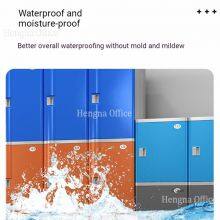
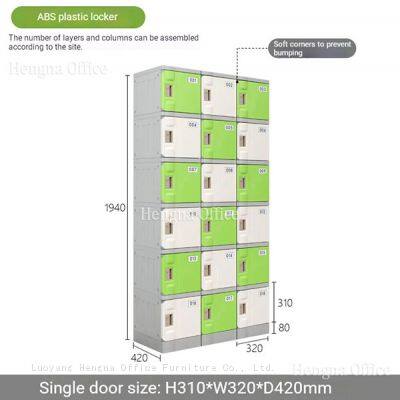
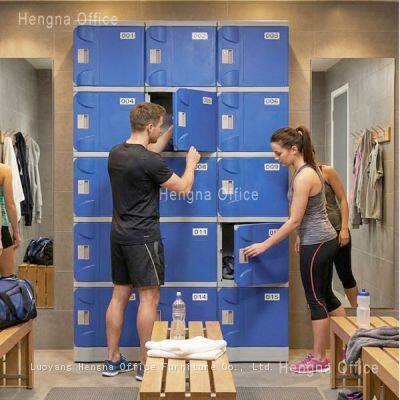
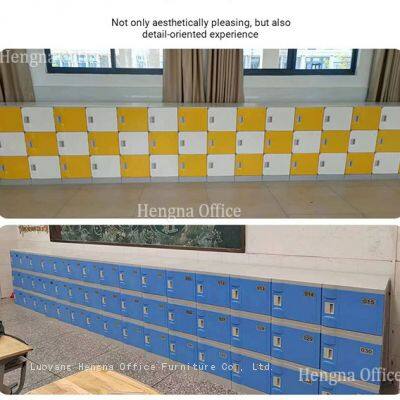


Related Products
-
 1800mmx300mm Waterproof ABS Plastic Locker Cabinet for Gym Changing Rooms – Rust-Free & Easy to CleanUS$ 19 - 100MOQ: 5 Sets
 -
Outdoor ABS Locker Cabinet – UV-Resistant Plastic Storage for Poolside or Beach Resorts-Hengna OfficeUS$ 19 - 100MOQ: 5 Sets
-
6-door Compact ABS Locker Cabinet for Spa and Wellness Centers – Waterproof and StylishUS$ 19 - 100MOQ: 5 Sets
-
Industrial-Grade ABS Plastic Locker for Factory Staff and Warehouse Workers|Hengna OfficeUS$ 19 - 100MOQ: 5 Sets
-
Modular ABS Locker Cabinet - Customizable Plastic Storage Solutions for Gym, School & Office With Waterproof DesignUS$ 19 - 100MOQ: 5 Sets
Engineered for the Shoreline, Built to Last
The defining feature of a beach resort is its breathtaking proximity to the ocean. Yet, this very attribute presents a relentless assault on materials: the corrosive power of salt. Saltwater spray, wind-borne salt aerosols, and pervasive humidity create an environment that rapidly deteriorates unprotected metals, turning functional fixtures into maintenance liabilities and eyesores. Saltwater-Resistant ABS Lockers are meticulously designed to provide a permanent solution for coastal storage challenges. By utilizing corrosion-inert ABS plastic and a design that eliminates vulnerable metal components, these lockers offer beach resorts, cabana clubs, pool decks, and marina facilities a storage option that maintains its structural integrity, security, and aesthetic appeal despite constant, direct exposure to marine conditions.
This guide explains the science of salt-driven corrosion and how the material selection and engineering of these lockers ensure lasting performance in salt-air environments.
Deconstructing the Coastal Corrosion Challenge
The beachfront environment subjects materials to a potent combination of factors:
Salt as an Electrolyte: Salt dissolved in moisture (from spray or humidity) forms a highly conductive solution that drastically accelerates the electrochemical corrosion (rusting) of metals.
Hygroscopic Action: Salt crystals attract and retain atmospheric water, keeping surfaces damp long after the initial exposure, thereby perpetuating the corrosion cycle.
Abrasive Wear: Sand and salt particles carried by wind act as a gentle abrasive, slowly wearing away protective coatings on metals and plastics, exposing fresh material to attack.
Intense UV Radiation: Prolonged sunlight can degrade and fade many materials, weakening their structure and appearance.
For coastal properties, this translates to a constant battle against rust, pitting, seized mechanisms, and the frequent need for repainting or replacement of metal-based items.
Material Science at Work: Why ABS Prevails
The locker's primary line of defense is its core construction material: Acrylonitrile Butadiene Styrene (ABS) plastic.
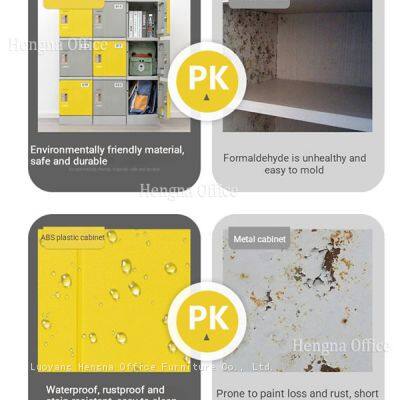
Chemically Inert to Salt: ABS does not participate in galvanic or oxidation reactions. Saltwater has no corrosive effect on its polymer structure.
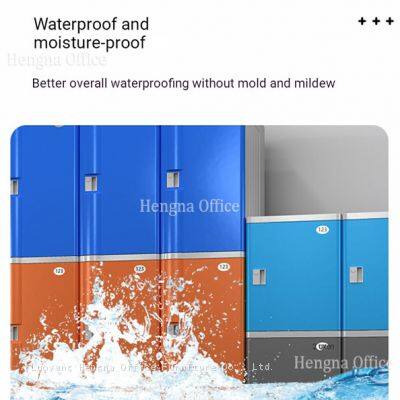
Non-Hygroscopic: It does not absorb salt-laden moisture. Any salt deposit on the surface remains external and can be rinsed away without causing internal damage.
Inherent Toughness and Impact Resistance: ABS provides excellent durability against physical impacts from beach equipment, luggage, and environmental stresses.
UV-Stabilized Formulations: The material is compounded to resist degradation from prolonged sunlight exposure, preventing significant fading, brittleness, or loss of strength.
Design Fortifications for the Marine Environment
The construction methodology ensures there are no introduced weak points.
Elimination of Corrodible Fasteners: Assembly is achieved through a precision mortise-and-tenon interlocking system and high-strength polymer connectors. There are no steel screws, bolts, or hinges to corrode, seize, or create unsightly rust stains.
Marine-Grade Moving Parts: Critical components like hinges are crafted from engineered polymers (e.g., high-strength nylon) that are inherently immune to salt corrosion and require no lubrication.
Streamlined, Rendered Surfaces: Textured finishes help shed water and minimize salt residue adherence. Rounded corners and edges enhance safety and prevent chipping.
Uncompromised Security: Features like an internal anti-theft deadbolt ensure security remains robust, a vital aspect for guest belongings in open resort settings.
Tangible Benefits for Beach Resort Operations
Dramatic Reduction in Maintenance: Eliminates the endless cycle of sanding, repainting, lubricating, and replacing corroded parts endemic to metal lockers.
Superior Lifecycle Cost-Effectiveness: The higher initial investment is offset by a vastly extended service life and the virtual elimination of corrosion-related repair costs.
Preserved Curb Appeal and Ambiance: Lockers retain their clean, as-new appearance for years, contributing to the resort's well-maintained, premium image. No rust stains or peeling paint to detract from the scenery.
Enhanced Guest Trust and Experience: Provides reliable, trouble-free storage. Guests will not encounter stuck locks, rusty surfaces, or concerns about damaged belongings.
Simplified Cleaning Protocol: Accumulated salt and sand can be easily rinsed off with a hose or wiped down with fresh water.
Performance Comparison: Material Behavior in Saltair Environments
| Material Type | Reaction to Coastal Conditions | Long-Term Outcome for Lockers |
|---|---|---|
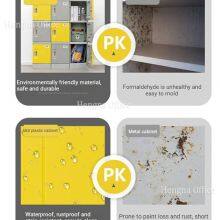
| Painted Mild Steel | Paint blisters/chips; underlying steel rusts rapidly. Visible staining. | Frequent repainting required; structural compromise; short service life. |
| Powder-Coated Steel | Coating can be compromised by abrasion (sand); corrosion begins at damage points. | Better than paint, but eventual failure at scratches; requires touch-ups and monitoring. |
| 304 Stainless Steel | Can suffer from pitting and crevice corrosion in aggressive salt environments; may discolor. | Generally good but requires regular cleaning; higher cost; potential for cosmetic degradation. |
| Marine Aluminum | Resists corrosion well but requires proper anodization; can oxidize. | Good performance but often comes at a premium cost and may use metal fasteners. |
| Saltwater-Resistant ABS Plastic | No corrosion. Material is unaffected by salt. Surface may require occasional cleaning. | No rust. Maintains structural integrity and appearance with minimal upkeep. Predictably long lifespan. |
The Strategic, Long-Term Investment for Coastal Hospitality
For beach resorts where the natural environment is the core asset, choosing fixtures that can endure that environment is a strategic business decision. Saltwater-Resistant ABS Lockers move beyond simply surviving the coastal elements to being fundamentally immune to their most destructive effect: corrosion. This translates directly into reduced operational overhead, sustained guest satisfaction, and a property image that consistently reflects quality and care. Choose the storage solution that is as resilient and enduring as the coastline itself.

Send Inquiry to This Supplier


You May Also Like
-
Durable ABS Plastic Lockers With Multiple Compartments - Ideal for Public Facilities, Easy to Clean & MaintainUS$ 19 - 100MOQ: 5 Sets
-
Lightweight ABS Plastic Student Lockers for Primary & Middle Schools - Durable Safe Storage Cabinet With Soft Corner ProtectionUS$ 19 - 100MOQ: 5 Sets
-
Durable ABS Plastic School Lockers With Multiple Lock Options - Secure Storage Solution for High School StudentsUS$ 19 - 100MOQ: 5 Sets
-
Heavy Duty ABS Plastic Lockers for Offices | Durable Employee Storage SolutionsUS$ 19 - 100MOQ: 10 Sets
-
Waterproof ABS Plastic Gym Locker for Fitness Center Changing Room OEM/ODMUS$ 19 - 100MOQ: 10 Sets
-
Hengna Office Durable ABS Plastic Locker for Gym and Spa Use, Rust-Free and Easy to CleanUS$ 19 - 100MOQ: 10 Sets
-
Anti-Rust ABS Locker for Gym Locker Rooms, Custom Size and Color Available 6-doorUS$ 19 - 100MOQ: 10 Sets
-
Sweat-Proof ABS Plastic Storage Locker for Fitness Club and Yoga StudioUS$ 19 - 100MOQ: 10 Sets
-
12-door ABS Plastic Gym Locker With Ventilation and Secure Lock Options OEM SupplyUS$ 19 - 100MOQ: 10 Sets
-
Heavy-Duty ABS Locker for Sports Center and Fitness Facilities|9-door CabinetUS$ 19 - 100MOQ: 10 Sets


