








 Contact Platform Support
 Help Center
Home > 5-ton Electric Flatbed Truck for In-plant Use, Suitable for Warehouse Turnover and In-plant Material Transportation
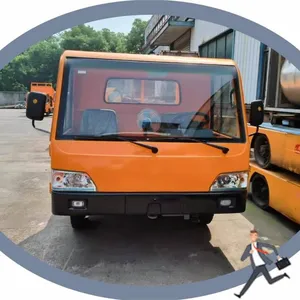
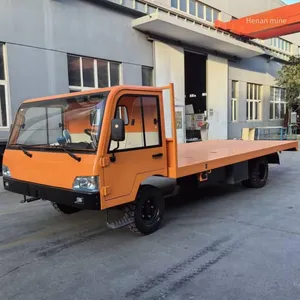
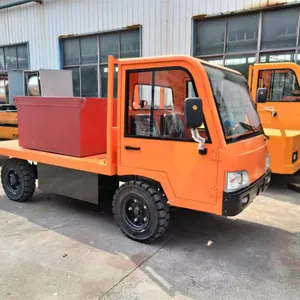
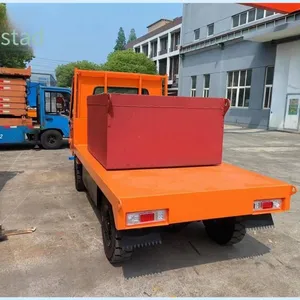
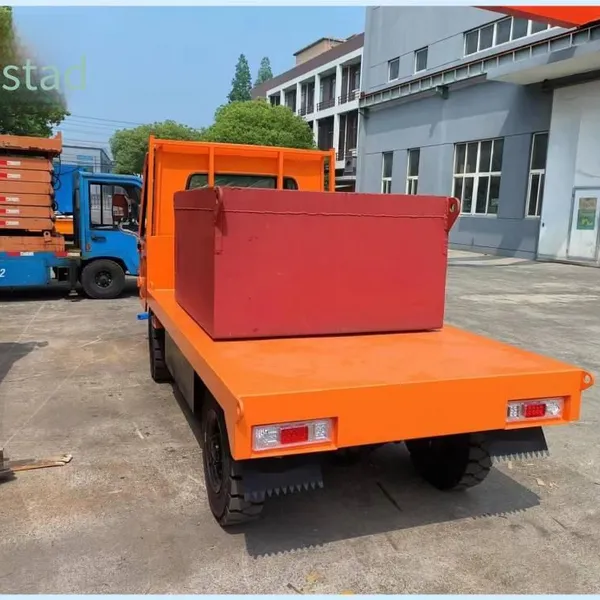
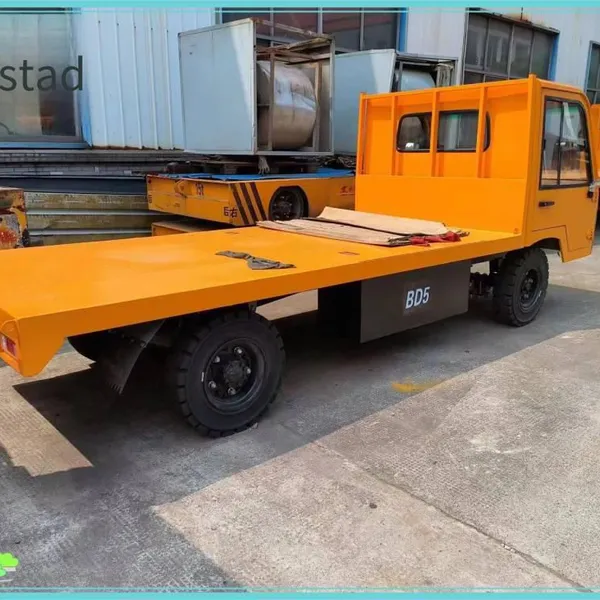
5-ton Electric Flatbed Truck for In-plant Use, Suitable for Warehouse Turnover and In-plant Material Transportation
US$ 11230.77
≥1 set
Key Specifications
Get Latest Price
Main Markets:
North America, South America, Eastern Europe, Southeast Asia, Africa, Oceania, Mid East, Eastern Asia, Western Europe, Central America, Northern Europe, Southern Europe, South Asia, Domestic Market
Location:
Suzhou, Jiangsu, China

Payment & Shipping
Payment Methods:


Port of Shipment:
China
Delivery Detail:
Delivery time depends on order quantity.
Related Products
-
 New 8-seater Enclosed Electric Sightseeing Patrol Vehicle With Heating and Cooling Air Conditioner, Rainproof and Sunproof, for Park Property ManagementUS$ 8923.08MOQ: 1
 -
Powerful 14-seater Enclosed Gasoline Sightseeing Vehicle With Gasoline Engine, Suitable for Mountain Scenic Areas and Long-distance ShuttleUS$ 11230.77MOQ: 1
-
Factory Direct Sales, 11-seater Enclosed Electric Sightseeing Vehicle, With Options of Lead-acid or Lithium Batteries, Suitable for Scenic Spots and ResortsUS$ 9692.31MOQ: 1
-
Shijiazhuang 2-ton Electric Truck - Warehouse Finished Electric Vehicle - Electric Vehicle for Transporting Semi-finished Products on the Production LineUS$ 8923.08MOQ: 1
-
14-seater Enclosed Electric Sightseeing Vehicle With Doors for Parks, Schools and Scenic Spots in XuzhouUS$ 10461.54MOQ: 1
Basic vehicle configuration and features
-
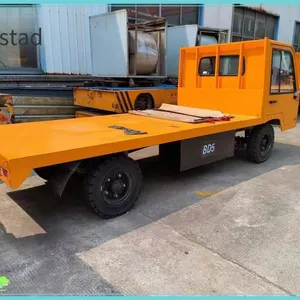
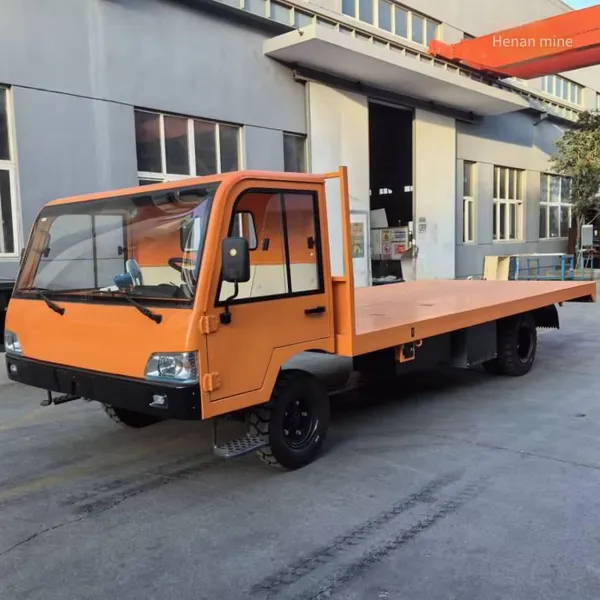
Load capacity and dimensions: Its core feature is the rated load capacity of 5 tons, which can handle the transportation tasks of most industrial raw materials, semi-finished products, and finished products. The vehicle has various dimensions and can be customized according to the application scenario. Common tabletop dimensions are about 4 - 6 meters in length and about 1.5 - 2 meters in width, which can stably accommodate large or heavy goods. -
Power and endurance: Usually, batteries or cable power supply are used as the power source. The battery power supply method is flexible and not limited by fixed power points. After a single charge, the endurance mileage can reach dozens of kilometers (e.g., 45 - 60 kilometers), which can meet the daily turnover needs in the factory area. Cable drum power supply is suitable for occasions where the operating distance is relatively fixed (e.g., less than 200 meters) and AC power supply is convenient. -
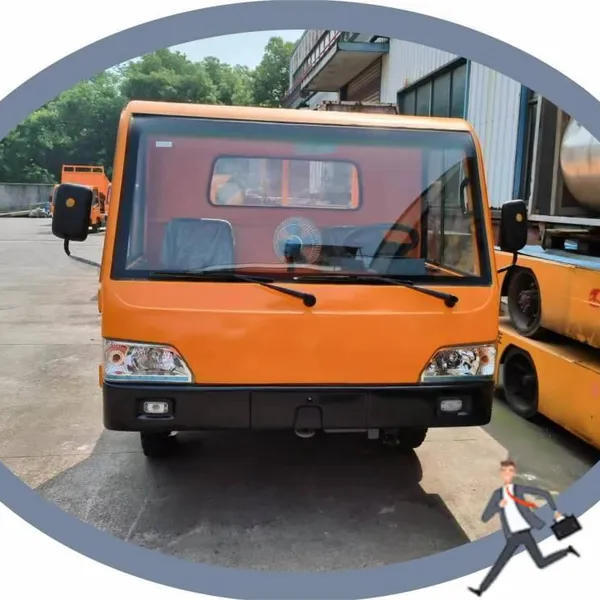
Control and safety: The vehicle supports multiple operation methods such as manual driving, on-board wire control, or wireless remote control to adapt to different working environments. Some models also have the potential for automatic driving and path planning, which helps to improve the level of logistics automation. The vehicle structure is sturdy, often using a high-strength steel frame, and is equipped with a reliable braking system (e.g., hydraulic braking) to ensure safe operation under heavy loads.
Key applications in warehouse and factory area logistics
-
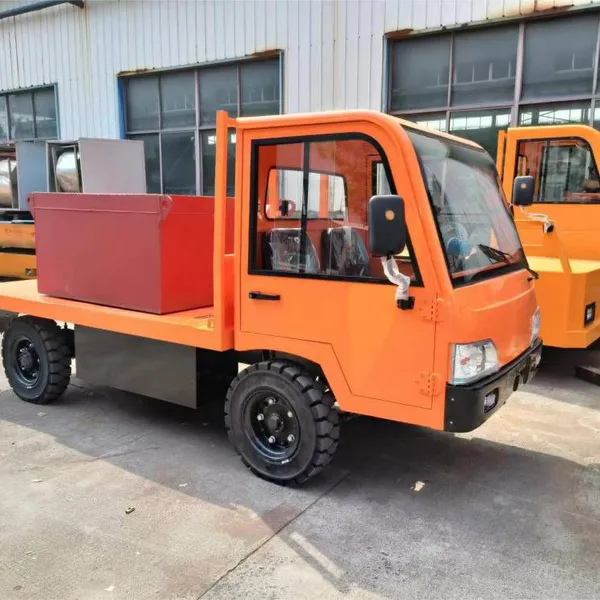
Internal warehouse turnover: Inside the warehouse, it is mainly used to transport goods from the storage area to the sorting area or the loading platform. Due to its relatively compact body design, it can flexibly move through the narrow aisles in the warehouse to complete the task of transferring large quantities of materials. -
Inter - workshop material transportation: It is the "artery" connecting different production workshops or processes. For example, transporting raw materials from the warehouse to the production workshop or transporting semi - finished products from the previous process to the next process to ensure the continuity of the production process. -
Connection between the loading and unloading area and the production line: At the loading and unloading points, it can cooperate with forklifts and other tools to quickly distribute goods to each production line or transport finished products out in a centralized manner, effectively reducing the waiting time for materials on the production line.
Advantages and precautions for use
-
Core advantages: -
Improve efficiency: Compared with manual handling, it can quickly complete the transfer of large - quantity materials and shorten the logistics cycle. -
Reduce costs: Electrically driven, compared with internal combustion vehicles, has lower energy costs and is relatively easy to maintain, which helps to reduce long - term operating costs. -
Environmentally friendly: During operation, there is no exhaust emission and the noise is relatively low. It is especially suitable for use in enclosed or semi - enclosed workshops with high environmental requirements. -
Enhanced safety: Proper use can reduce the risk of work - related injuries caused by manual handling and the possibility of goods damage during handling. -
Precautions: -
Avoid overloading: Use it strictly according to the rated load of 5 tons. Overloading will seriously affect the vehicle's service life and pose safety hazards. -
Secure the goods properly: Ensure that the goods are placed stably on the platform and secured to prevent sliding or overturning during transportation. -
Plan the driving route: When driving in the factory area, pay attention to observation, avoid pedestrians, and especially control the speed in areas such as intersections. -
Regular maintenance: Regularly check the key components of the vehicle, such as wheels, bearings, braking systems and batteries, and perform lubrication and maintenance in a timely manner to keep them in good condition
.
Model selection and future development

Send Inquiry to This Supplier


Main Markets
North America, South America, Eastern Europe, Southeast Asia, Africa, Oceania, Mid East, Eastern Asia, Western Europe, Central America, Northern Europe, Southern Europe, South Asia, Domestic Market
Location
Suzhou, Jiangsu, China
You May Also Like
-
Xingtai 2-ton Electric Flatbed Truck - 2-ton Electric Cargo Truck - Four-wheel Electric Transport Truck - Factory Electric Freight Truck - Flatbed TruckUS$ 8923.08MOQ: 1
-
High-endurance Sightseeing Bus, 23-seater Enclosed Fuel-powered Sightseeing Bus With Large Fuel Tank Configuration to Meet the Long-term Passenger Transfer NeedsUS$ 18923.08MOQ: 1
-
Handan 2-ton Flatbed Truck - Battery-powered Forklift - Electric Forklift - Four-wheel Electric Vehicle for Transporting Goods in the Factory AreaUS$ 8923.08MOQ: 1
-
Baoding 2-ton Electric Truck - Electric Cargo Truck for Industrial Parks - Electric Vehicle for Material Transportation in FactoriesUS$ 8923.08MOQ: 1
-
20-ton Trackless Flatbed Truck, Flatbed Truck for Handling Large Cargo, Remotely Controlled Electric TruckUS$ 27384.62MOQ: 1
-
an Electric Truck Used for Transporting Materials From the Factory Area to the Workshop, With a Load Capacity of 2 TonsUS$ 8923.08MOQ: 1
-
(wind and Rainproof) 14-seater Enclosed Electric Sightseeing Vehicle for Scenic Spots and Real Estate Reception, Equipped With Air Conditioning for Both Heating and CoolingUS$ 10000MOQ: 1
-
Tangshan 2-ton Electric Truck - 2-ton Electric Flatbed Truck - Battery-powered Forklift - 2-ton Flatbed TruckUS$ 8923.08MOQ: 1
-
Beijing 10-seater Luxury Electric Sightseeing Bus, Botanical Garden Tour Sightseeing BusUS$ 19384.62MOQ: 1
-
Anti-involution: Factory Area Electric Logistics Vehicle Series - 3-ton Electric Truck, an Electric Vehicle for Freight and Material Transportation Within the Factory AreaUS$ 10000MOQ: 1