Home > Agriculture & Food > Food Additive > Food Sweeteners > Fuyang Zero Caolorie Sweetner D-allulose Powder
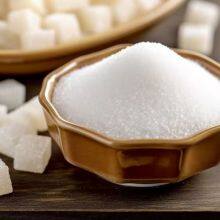
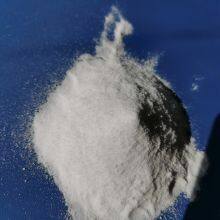
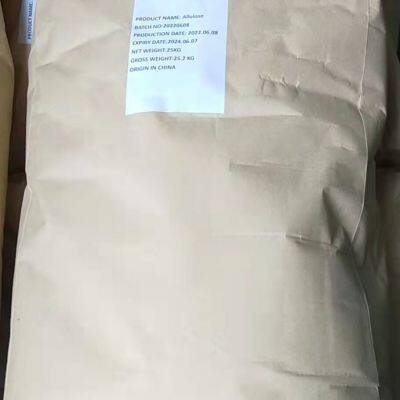
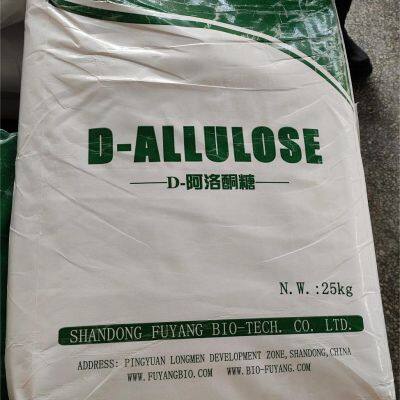
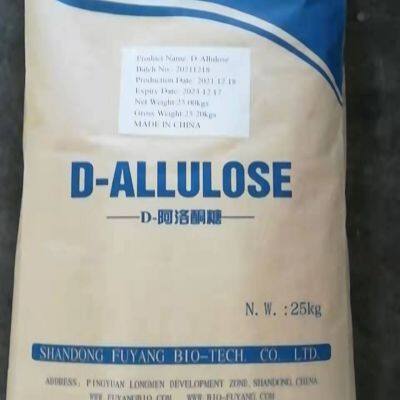
Fuyang Zero Caolorie Sweetner D-allulose Powder
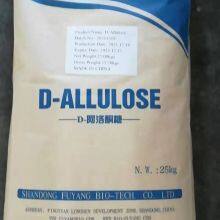
Fuyang Zero Caolorie Sweetner D-allulose Powder photo-1

Fuyang Zero Caolorie Sweetner D-allulose Powder photo-2
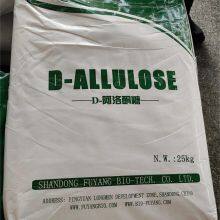
Fuyang Zero Caolorie Sweetner D-allulose Powder photo-3
Fuyang Zero Caolorie Sweetner D-allulose Powder photo-4
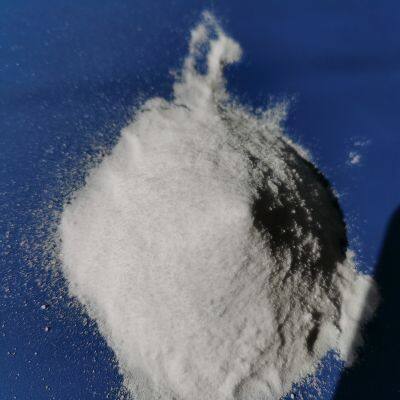
Fuyang Zero Caolorie Sweetner D-allulose Powder photo-5
US$ 2 ≥25 Kilograms
Key Specifications
Get Latest Price
Location:
Dezhou, Shandong, China
Payment & Shipping
Payment Methods:
Port of Shipment:
Qingdao/ Shanghai/guangzhou
Delivery Detail:
7 days
Allulose: The Low-Calorie Sweetener Redefining Sugar Alternatives

Allulose, also known as D-psicose, is a naturally occurring rare sugar that has garnered significant attention in recent years as a revolutionary low-calorie sweetener. Chemically classified as a monosaccharide and a C-3 epimer of fructose, allulose possesses approximately 70% of the sweetness of sucrose (table sugar) while contributing only a fraction of the calories. Its unique metabolic properties and clean, sugar-like taste profile position it as a promising ingredient in the global pursuit of healthier food options without compromising on sensory pleasure.

Chemical Identity and Natural Occurrence

Discovered in the 1940s, allulose is a hexose sugar with the molecular formula C6H12O6. It exists in small quantities in certain natural food sources. Wheat, figs, raisins, molasses, and maple syrup contain trace amounts of allulose. It is also found in jackfruit and other dried fruits. Despite its natural origin, the concentrations in these sources are too low for commercial extraction, making large-scale production dependent on enzymatic or microbial conversion from more abundant sugars like fructose or corn-based substrates.

Metabolic Pathway and Health Implications

The most remarkable characteristic of allulose lies in its distinct metabolic fate within the human body. Unlike regular sugars, the body absorbs but does not metabolize allulose for energy. It is rapidly excreted in the urine, with minimal to no contribution to blood glucose or insulin levels. Clinical studies have consistently demonstrated that allulose does not raise postprandial blood glucose or insulin, making it safe and suitable for individuals with diabetes or those following low-glycemic diets.

Research suggests allulose may offer benefits beyond being a non-caloric sweetener. Some studies indicate it can help modulate blood glucose levels by inhibiting intestinal enzymes like alpha-glucosidase, potentially slowing the digestion and absorption of other carbohydrates consumed concurrently. Animal and human studies have also pointed to its potential role in reducing body fat accumulation and improving markers of metabolic health, although more long-term human trials are needed to confirm these effects.

Regulatory Status and Safety

Allulose has received Generally Recognized As Safe (GRAS) status from the U.S. Food and Drug Administration (FDA). In a landmark decision in 2019, the FDA issued guidance excluding allulose from the total and added sugars declarations on Nutrition Facts labels, acknowledging its unique physiological properties. This regulatory clarity has accelerated its adoption by food manufacturers. It is also approved for use in several other countries, including Japan (where it was first commercialized), South Korea, Mexico, and Singapore. The European Food Safety Authority (EFSA) is currently reviewing its safety dossier for market authorization in the European Union.

Functional Properties in Food Applications

Allulose excels not just as a sweetener but as a multifunctional food ingredient. Its chemical structure closely resembles that of sugar, allowing it to participate in key food chemistry reactions:

  • Browning and Flavor Development: It undergoes the Maillard reaction and caramelization, contributing to the desirable brown color, aroma, and complex flavors in baked goods, sauces, and thermally processed foods.

  • Freezing Point Depression: It effectively lowers the freezing point, improving the texture and scoopability of frozen desserts like ice cream.

  • Bulking Agent: It provides volume and mouthfeel similar to sugar, which is crucial for the texture of products like COOKIEs and cakes.

  • Moisture Retention: It helps retain moisture in baked goods, extending shelf life and preventing staling.

These properties make it a superior choice compared to many high-intensity sweeteners (like sucralose or stevia) that often require bulking agents and can leave undesirable aftertastes.

Industrial Production

Commercial production of allulose relies on enzymatic bioconversion, making it a bio-based ingredient. The most common method involves the use of the enzyme D-tagatose 3-epimerase (or D-psicose 3-epimerase). This enzyme catalyzes the epimerization of fructose, typically derived from corn starch, into allulose. The process is followed by purification and crystallization. Advances in enzyme engineering and process optimization continue to improve yield and efficiency, making allulose more cost-competitive.

Market Applications and Challenges

Allulose is rapidly finding its way into a diverse range of products:

  • Beverages: Soft drinks, ready-to-drink teas, sports drinks, and dairy alternatives.

  • Dairy: Yogurt, ice cream, and flavored milks.

  • Baked Goods and Confections: COOKIEs, nutrition bars, chocolates, and gums.

  • Sauces and Dressings: Where it provides sweetness and body.

The primary challenge remains its current cost, which is higher than that of conventional sweeteners like high-fructose corn syrup. However, as production scales up, prices are expected to decrease. Another minor challenge is that, in very high concentrations, it can have a slight cooling effect on the palate, a trait common to some sugar alcohols, which formulators must manage.

Conclusion

Allulose stands at the forefront of the next generation of sugar alternatives. It successfully bridges the gap between consumer demand for natural, low-calorie ingredients and the industry's need for functional, sugar-like performance. Its regulatory approvals, proven safety, and exceptional functional profile make it a key tool for food formulators battling the global rise of obesity and diabetes. As research continues to uncover its potential health benefits and production costs decline, allulose is poised to become a mainstream ingredient, fundamentally changing the landscape of reduced-sugar and "better-for-you" food products. It represents not just a sweetener, but a holistic solution for creating healthier versions of the foods we love.


Product Tags: zero calorie , sugar substitute , sweetner

Send Inquiry to This Supplier

Message
0/5000

Want the best price? Post an RFQ now!

Recommended Categories

Explore top categories and find suppliers for your specific needs