Home > Metallurgy, Mineral & Energy > Aluminum > Aluminum Sheet > 3004 3104 5182 Aluminum Coil for Beverage Can Manufacturer

3004 3104 5182 Aluminum Coil for Beverage Can Manufacturer
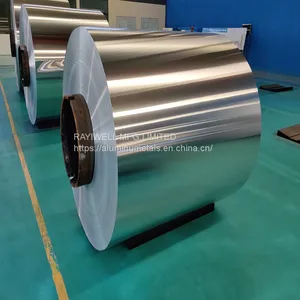
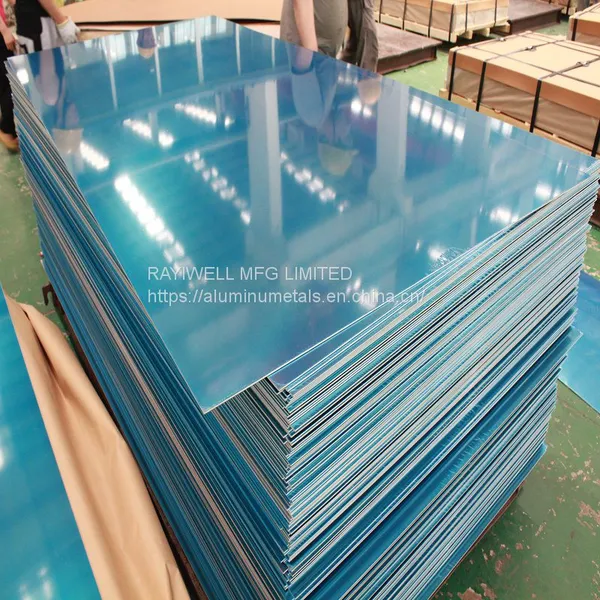
3004 3104 5182 Aluminum Coil for Beverage Can Manufacturer photo-1
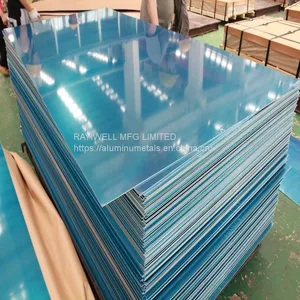
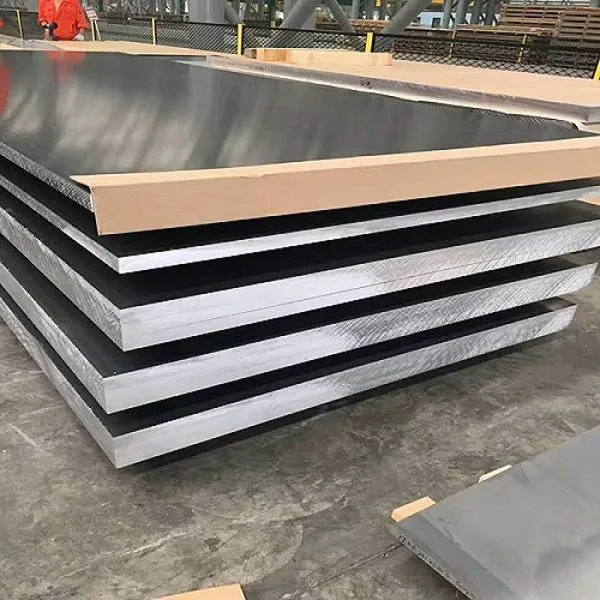
3004 3104 5182 Aluminum Coil for Beverage Can Manufacturer photo-2
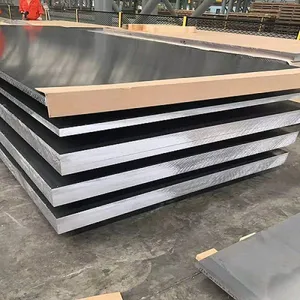
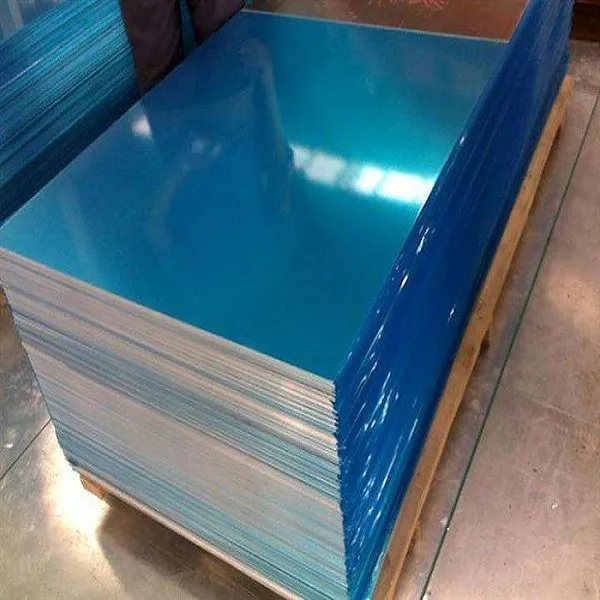
3004 3104 5182 Aluminum Coil for Beverage Can Manufacturer photo-3
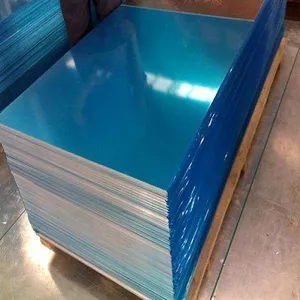
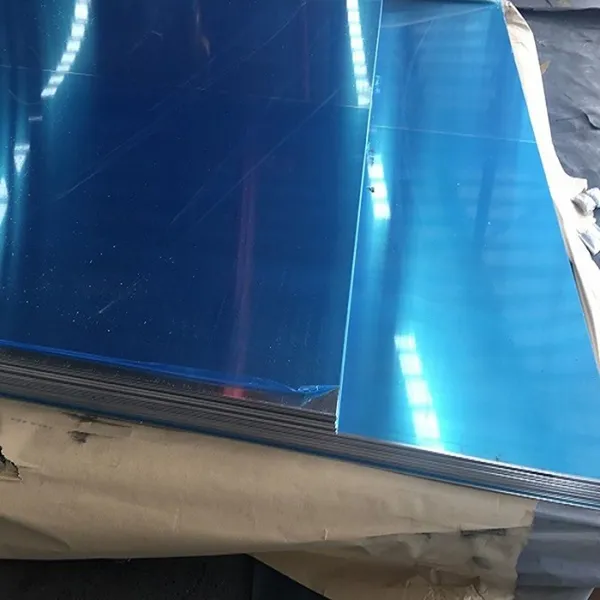
3004 3104 5182 Aluminum Coil for Beverage Can Manufacturer photo-4
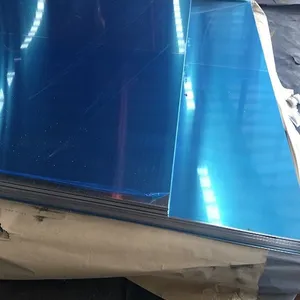
3004 3104 5182 Aluminum Coil for Beverage Can Manufacturer photo-5
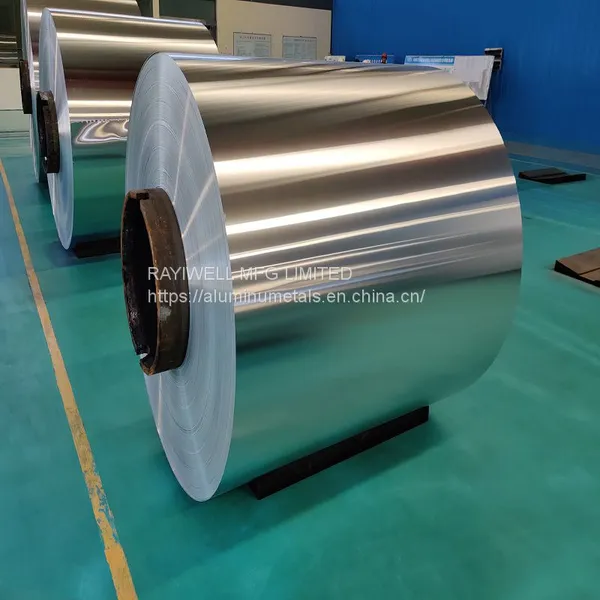
US$ 2900 - 3800 MOQ: 5 Tons
Key Specifications
Get Latest Price
Certification:
ISO9001, ASTM, GB, EN, ASTMB
Grade:
3000 Series
Color:
Silver

Payment & Shipping
Payment Methods:
Port of Shipment:
Qingdao
Delivery Detail:
35 days
Certification ISO9001, ASTM, GB, EN, ASTMB
Grade 3000 Series
Color Silver
Technique Other, Cold Rolled
Application Transportation Tools, Door & Window, Glass Wall, Heat Sink, Decorations
Surface Treatment Mill Finish
Alloy Alloy
Temper O - H112
Width 10-2600mm
MOQ 5tons
Transport Package Pallet
Specification 0.1-300
Trademark RAYIWELL
Origin China

Beverage can aluminum coil is a critical material in the packaging industry, serving as the foundation for producing lightweight, durable, and recyclable aluminum cans.

Aluminum alloys for beverage cans are carefully selected to balance strength, formability, and corrosion resistance:

  • 3004 Aluminum Alloy:
    • Composition: Aluminum-manganese alloy with 1% magnesium.

    • Use: Primarily for can bodies due to its high ductility and deep-drawing capabilities. It allows manufacturers to reduce wall thickness (e.g., from 0.42 mm in the 1970s to as low as 0.254 mm today) while maintaining structural integrity 411.

    • Advantages: Excellent corrosion resistance against carbonated beverages and high recyclability.

  • 5182 Aluminum Alloy:
    • Composition: Aluminum-magnesium alloy with higher magnesium content (4-5%) and trace silicon.

    • Use: Ideal for pull tabs and lids due to its superior weldability and medium strength. It withstands the stress of opening mechanisms 25.

  • 5052 Aluminum Alloy:
    • Composition: Aluminum-magnesium alloy with 2.2-2.8% magnesium.

    • Use: Commonly used for can lids and bottoms. It offers good cold workability and corrosion resistance for non-pressurized applications like juice cans 56.

  • 3104 Aluminum Alloy:
    • Composition: A variant of 3004 with improved formability.

    • Use: Replaces 3004 in some applications, particularly for thinner gauges, to reduce material usage and costs .

Beverage can aluminum coils are primarily used in the production of aluminum beverage cans, but their versatility extends to related applications in packaging and manufacturing. Below are their common uses, categorized by end-product and industry:
1. Core Use: Manufacturing Beverage Cans
The majority of beverage can aluminum coils are transformed into three key components of aluminum cans, each tailored for specific mechanical and functional requirements:
(1) Can Bodies
  • Alloy Used: Typically 3004 or 3104 aluminum alloy (aluminum-manganese with low magnesium content).

  • Process:

    • The coil is first cut into circular “can blanks,” which are then deep-drawn into cylindrical bodies using a series of presses.

    • The walls are thinned (ironing process) to achieve lightweight durability (e.g., wall thickness as low as 0.2 mm).

  • Purpose: Holds carbonated drinks, beer, juices, energy drinks, etc., requiring high pressure resistance and corrosion resistance against acidic liquids.

(2) Can Lids and Ends
  • Alloy Used:

    • 5182 aluminum alloy (aluminum-magnesium, 4-5% Mg) for pressurized lids (e.g., carbonated drinks) due to its high strength and weldability.

    • 5052 aluminum alloy (2-3% Mg) for non-pressurized lids (e.g., juice cans) for better formability.

  • Process:

    • Coil is stamped into lids with integrated pull tabs (made from the same alloy).

    • Lids are coated with resin liners to create a hermetic seal and protect against corrosion.

  • Purpose: Provides a secure, easy-to-open closure while maintaining product freshness.

(3) Closures and Tabs
  • Alloy: 5182 or 5042 aluminum alloy for tabs, chosen for their ability to withstand the stress of opening mechanisms.

  • Design: Tabs are integral to the lid design, allowing consumers to puncture the can without tools.

2. Related Packaging Applications
Beyond traditional beverage cans, aluminum coils are used in similar packaging products that require lightweight, corrosion-resistant materials:
(1) Food Cans and Aerosol Cans
  • Food Cans: Aluminum coils are used for non-beverage food containers (e.g., pet food, ready meals), though less common than steel due to cost.

  • Aerosol Cans: For products like spray paints, deodorants, or air fresheners, where the material must withstand internal pressure.

(2) Composite Packaging
  • Aluminum Foil Laminates: Coils are rolled into thin foil and laminated with plastic or paper for flexible packaging (e.g., snack bags, coffee pouches) to block light, oxygen, and moisture.

  • Caps and Closures: Smaller components like bottle caps or screw-on lids for glass / containers.

3. Industrial and Structural Uses
While less common, beverage-grade aluminum coils may be repurposed for specialized industrial applications due to their unique properties:
(1) Lightweight Structural Components
  • In industries where weight reduction is critical (e.g., automotive, aerospace), leftover or recycled coil material may be used for:

    • Heat shields or radiator components.

    • Lightweight brackets or panels in machinery.

(2) Thermal Management
  • Aluminum’s high thermal conductivity makes it suitable for heat sinks or cooling fins in electronics, though this is more common with specialized alloys.

(3) Construction and Architecture
  • Rarely, but in niche applications:

    • Decorative panels or cladding.

    • Lightweight roofing or siding in temporary structures.

4. Recycling and Secondary Uses
  • Infinitely Recyclable: Used beverage cans are melted down to produce new aluminum coils, closing the circular economy loop. Recycled aluminum retains 100% of its properties and requires only 5% of the energy needed for virgin production.

  • Secondary Products: Scrap or recycled coil material may be repurposed into:

    • Aluminum sheets for packaging (e.g., foil for baking).

    • Extruded profiles for furniture, automotive parts, or consumer goods.

Key Advantages Driving Their Use
  • Lightweight: Aluminum cans are ~60% lighter than steel cans, reducing transportation costs and carbon footprints.

  • Corrosion Resistance: Ideal for acidic beverages (e.g., soda, citrus juice) without requiring internal coatings.

  • Sustainability: High recyclability aligns with eco-friendly packaging trends (e.g., zero-waste goals).

  • Speed and Efficiency: Aluminum coils can be rapidly formed into cans at high volumes (e.g., up to 2,000 cans per minute in modern lines).


Send Inquiry to This Supplier

Message
0/5000

Want the best price? Post an RFQ now!
Verified Business License
Business Type
Trading Company
Year Established
2021
Annual Export Value
US$1 Million - US$1.5 Million
Port of Shipment
Qingdao, Tianjin, Shanghai

Recommended Categories

Explore top categories and find suppliers for your specific needs