








 Contact Platform Support
 Help Center
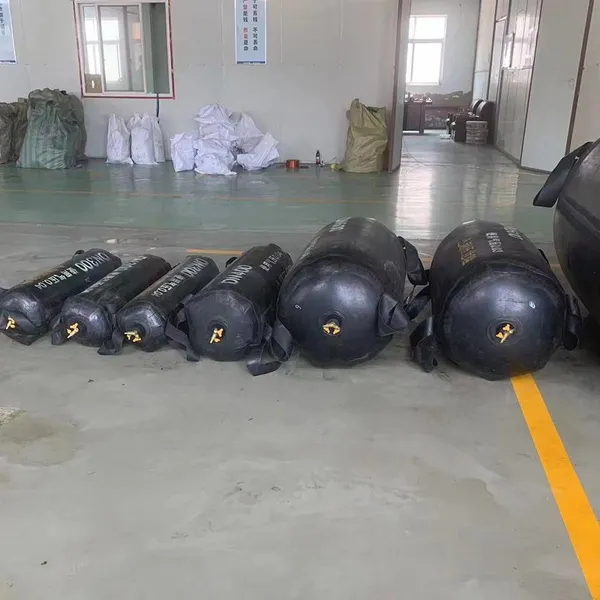
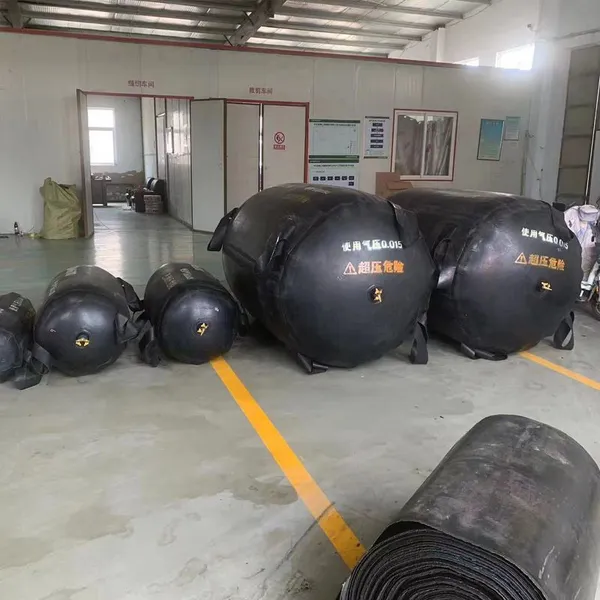
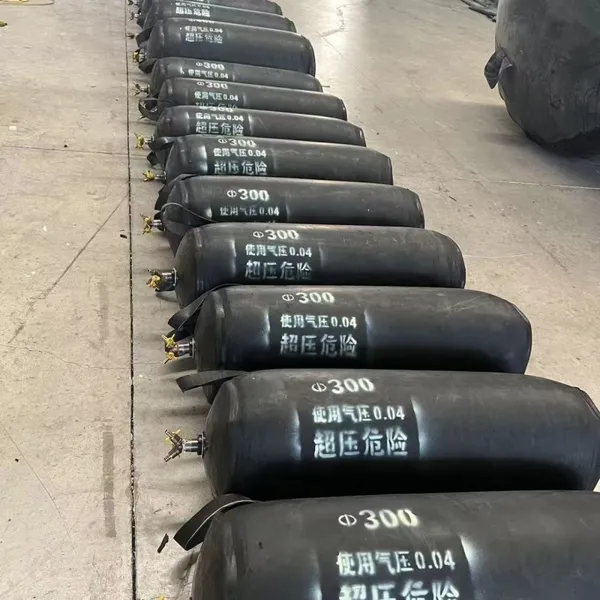
Quick-Sealing Inflatable Pipe Plug Wear-Resistant Water Blocking Balloon for Industrial Repair



Related Products
-
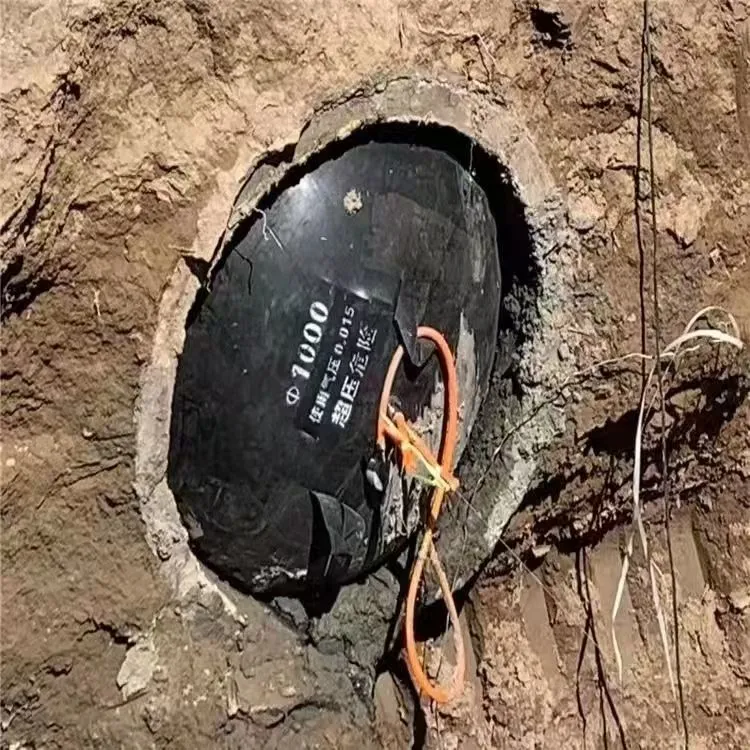
 Custom Size Pneumatic Pipe Stopper Flexible Pipe Sealing Airbag for Closed Water TestUS$ 12 - 16MOQ: 10 Combos
 -
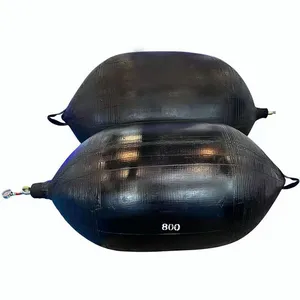
Large Diameter Pipe Blocking Balloon (2"-72") Emergency Flood Control Water Blocking Tool Wear-resistant Pipe Plugging BagUS$ 12 - 16MOQ: 10 Combos
-
Industrial Pipeline Repair Airbag Reusable Pipe Plugging Bag Compatible With Chemical Pipeline IsolationUS$ 12 - 16MOQ: 10 Combos
-
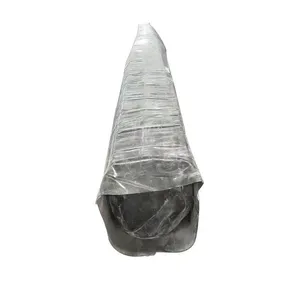
Oil Pipeline Blocking Airbag High-Pressure Pneumatic Pipe Stopper Reusable Sealing SolutionUS$ 12 - 16MOQ: 10 Combos
-
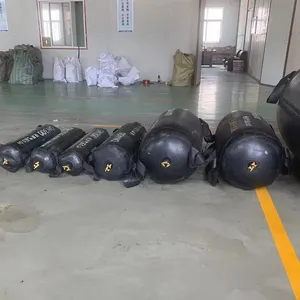
Flexible Pipe Blocking Balloon Custom Size Inflatable Pipe Plug for Municipal EngineeringUS$ 12 - 16MOQ: 10 Combos
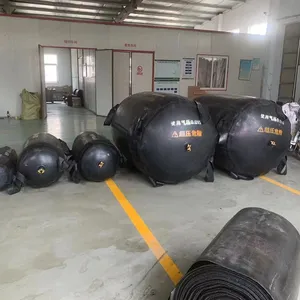
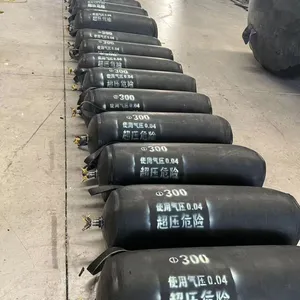
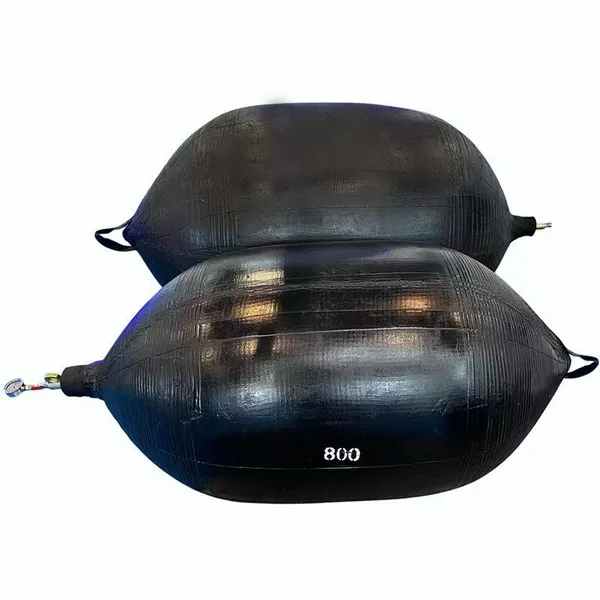
Pipeline Plugging Airbag: A Convenient Tool for Temporary Blockage
I. Basic Concept and Core Structure1. Core Functions
2. Main Structure
II. Working Principle
III. Common Types (Classified by Application/Pipeline Type)
| Type | Applicable Scenarios | Features |
|---|---|---|
| Drainage Pipeline Airbag | Municipal rainwater pipes, sewage pipes (DN50-DN2000) | Resistant to sewage corrosion, can withstand 0.1-0.3MPa water pressure, suitable for water-tightness tests |
| Gas Pipeline Airbag | Low-pressure gas pipelines (natural gas, liquefied gas) | Made of gas-corrosion-resistant rubber, low inflation pressure (to avoid damaging the pipeline), anti-static required |
| Fire Pipeline Airbag | Pressure testing of fire water pipes | High-strength rubber, can withstand high pressure (0.8-1.6MPa), strong sealing performance |
| Mini Airbag | Small-diameter household pipelines (DN20-DN50) | Small size, light weight, can be inflated manually, suitable for temporary blocking in household maintenance |
IV. Usage Precautions (Key Points to Avoid Problems)
How to Use a Pipe Plugging Airbag
A pipe plugging airbag (also called a pipe blocking balloon) is a practical tool for temporarily sealing or unclogging pipes during maintenance, repair, or clog-clearing work. Below is a step-by-step guide to its safe and effective use, along with key safety tips.
1. Preparation: Gather Tools and Inspect Equipment
Before starting, ensure you have all necessary items and confirm the airbag is in good condition—this prevents leaks or tool failure mid-operation.
Tools needed:
· Pipe plugging airbag (select the correct size for your pipe diameter; mismatched sizes cause poor sealing).
· Manual or electric air pump (equipped with a pressure gauge to monitor inflation).
· Protective gloves (to avoid hand contact with dirty water or sharp pipe edges).
· Bucket or towel (to catch residual water in the pipe).
· Pipe inspection tool (optional, e.g., a small camera, to locate the clog more accurately).
Safety check:
· Examine the airbag’s surface for cracks, holes, or worn seams. If any damage is found, do not use it.
· Check the air pump and pressure gauge for accuracy (ensure the gauge can display the airbag’s rated pressure—usually marked on the airbag’s label).
· Turn off the main water supply to the pipe (critical to avoid water backflow during operation).
2. Locate the Pipe Clog (or Sealing Point)
Identify where the clog is or where you need to seal the pipe:
· For clogs: Run a small amount of water (before turning off the supply) to observe drainage—slow drainage or standing water usually indicates the clog’s general area.
· For sealing (e.g., to isolate a pipe section): Mark the area 10–15 cm away from the clog or repair point (this ensures the airbag seals the pipe tightly without blocking access to the target area).
3. Insert the Airbag into the Pipe
· Put on protective gloves and wipe the airbag’s surface dry (moisture may cause it to slip during insertion).
· Gently insert the deflated airbag into the pipe, aligning it with the marked sealing point.
· Ensure the airbag is fully inside the pipe (at least 80% of its length) to avoid it popping out when inflated. If the pipe is narrow, twist the airbag slightly while inserting to reduce friction.
4. Inflate the Airbag to the Rated Pressure
· Connect the air pump’s hose to the airbag’s inflation valve (ensure a tight fit to prevent air leakage).
· Inflate the airbag slowly while monitoring the pressure gauge. Never exceed the airbag’s rated pressure (typically 0.2–0.5 MPa for household pipes)—overinflation can burst the airbag or damage the pipe.
· Stop inflating once the pressure reaches the rated value. Disconnect the air pump and close the inflation valve (some airbags have a one-way valve to keep air in if the pump is removed).
· Test the seal: Pour a small amount of water into the pipe. If no water leaks past the airbag, the seal is successful. If leaks occur, deflate the airbag slightly, reposition it, and inflate again.
5. Perform Clog-Clearing or Maintenance Work
With the airbag sealed:
· For unclogging: Use a plunger, drain snake (auger), or chemical drain cleaner (follow the cleaner’s instructions) to clear the clog. The airbag will prevent water or debris from flowing back into other pipe sections.
· For maintenance/repair: Work on the isolated pipe section (e.g., replacing a fitting, patching a leak). The airbag keeps the pipe dry and free from water flow.
6. Deflate and Remove the Airbag
Once the work is done:
· Open the airbag’s deflation valve to release air slowly (sudden deflation may cause the airbag to shift and splash dirty water).
· Wait until the airbag is fully deflated, then gently pull it out of the pipe.
· Clean the airbag with mild soap and water, dry it thoroughly, and inspect it again for damage (store it in a cool, dry place for future use).
· Turn the main water supply back on and run water through the pipe to confirm the clog is cleared and there are no leaks.
Key Safety & Usage Tips
· Size matters: Always use an airbag that matches your pipe’s diameter (e.g., a 50mm airbag for 50mm household drain pipes).
· Avoid overinflation: Exceeding the rated pressure is the most common cause of airbag failure—always watch the pressure gauge.
· No hot pipes: Do not use the airbag in pipes carrying hot water (temperatures over 60°C can damage the airbag’s material).
· Chemical caution: If using chemical drain cleaners, ensure the airbag’s material is resistant to the cleaner (check the airbag’s user manual) to avoid corrosion.

Send Inquiry to This Supplier



You May Also Like
-
Wholesale Reusable Water Blocking Balloon Large Diameter Pipe Airbag for Emergency Pipe RepairUS$ 12 - 16MOQ: 10 Combos
-
Inflatable Pipeline Plugging Airbag Sewer Pipe Drainage Plugging Leak Closed WaterNegotiableMOQ: 1 Combo
-
Multi-Pipe Diameter Universal Reducer Airbag Pipe Inflatable Water Stop Blocking Airbag High Pressure Reducing Plugging AirbagNegotiableMOQ: 1 Combo
-
High-Pressure Pipeline Blocking Airbag Rubber Pipeline Plugging AirbagNegotiableMOQ: 1 Combo
-
Inflatable Pipeline Plugging Rubber Airbag Blocking Rubber Airbag for Highway Bridges, TunnelsNegotiableMOQ: 1 Combo
-
Pipeline Plugging Airbag Municipal Sewage Pipe Water Blocking Airbag Closed Water Test Custom Rubber Inflatable AirbagNegotiableMOQ: 1 Combo
-
Rubber Sewage Pipe Stopper Pipeline Plugging Airbag Pipe Sealing Rubber Inflatable BalloonsNegotiableMOQ: 1 Combo
-
Big Size Water Blocking Airbag Pipeline Plugging Rubber Airbag for Mining Foundation, Highway BridgeNegotiableMOQ: 1 Combo
-
High Pressure Pipeline Blocking Airbag Rubber and Fiber Fabrics Material Leak Water Plugging Airbag Used for Plug PipesNegotiableMOQ: 1 Combo
-
Water Blocking Airbag Natural Rubber Material Sewer Pipe Drainage Plugging Leak Closed Water Test Plugging AirbagNegotiableMOQ: 1 Combo

