








 Contact Platform Support
 Help Center
Home > Construction & Decoration > Waterproof Building Materials > Waterproof Coating > Two-component Polyurethane PU Foam Sealing Foam a B Glue Chemicals
Two-component Polyurethane PU Foam Sealing Foam a B Glue Chemicals

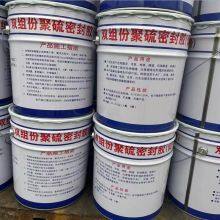
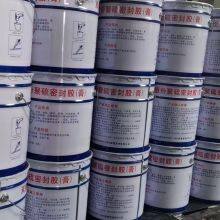
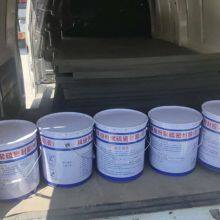
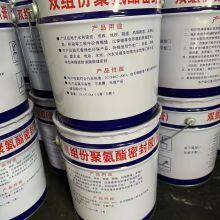
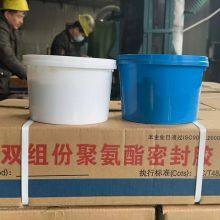
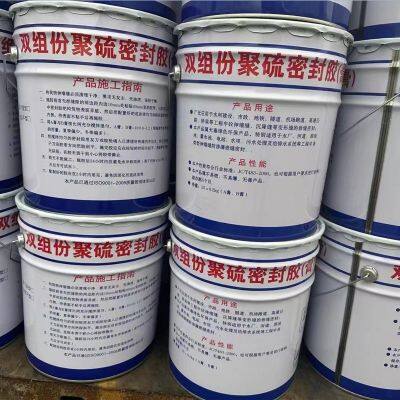
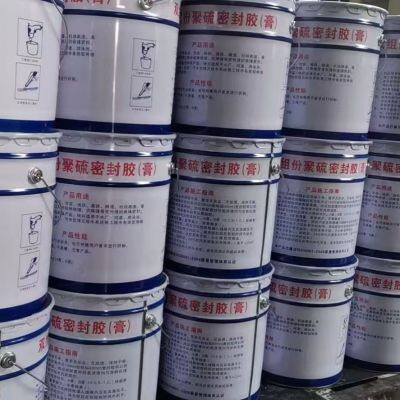
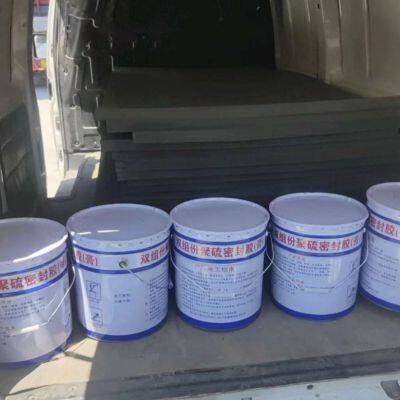
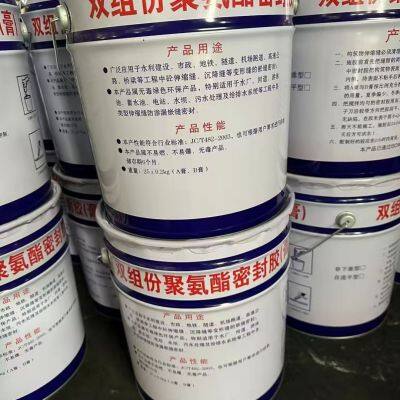
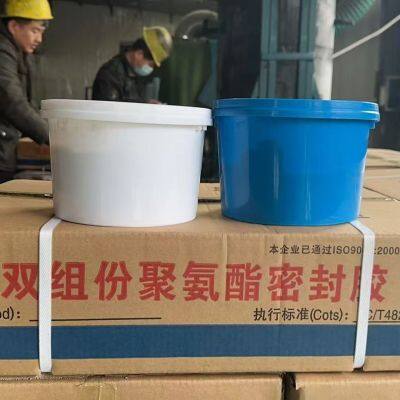
US$ 0.5
100 - 999 Metric Tons
US$ 0.4
≥1000 Metric Tons
Key Specifications
Get Latest Price
Certification:
CE
Material:
Polyurethane
After-sales Service:
Remote guidance
Payment & Shipping
Payment Methods:


Port of Shipment:
Tianjin/Qingdao
Delivery Detail:
15 days
Related Products
-
 Construction Material Liquid Polysulfide Rubber Polymer Glue Polysulfide Sealant Selante PolysulfideUS$ 0.4 - 0.5MOQ: 100 Metric Tons
 -
Wholesale 600ml Polyurethane Sealant Adhesive White PU Sealant for Expansion JointUS$ 0.4 - 0.5MOQ: 100 Metric Tons
-
Bicomponent Polysulfide Sealant PU Sealant Two-component Polysulfide SealantUS$ 0.4 - 0.5MOQ: 100 Metric Tons
-
Factory Hot Sales Pour Grade Polysulphide Sealant for Concrete Joints Two-component Polysulfide SealantUS$ 0.4 - 0.5MOQ: 100 Metric Tons
-
High Modulus UV Resistant Construction 310 Ml White Paintable Polyurethane Sealant Joints PU Sealant For Construction LeaksUS$ 0.4 - 0.5MOQ: 100 Metric Tons
Certification
CE
Material
Polyurethane
After-sales Service
Remote guidance
Usage Method
Roller
Transport Package
Cardboard packaging
Specification
10Kg
Trademark
HaoGu
Origin
Hengshui
Application Scenarios of Two-Component Polysulfide Sealant
1. Construction Engineering: Sealing for Building Envelopes & Wet Areas
1.1 Curtain Wall Sealing
1.2 Door & Window Sealing
1.3 Roof & Exterior Wall Sealing
2. Hydraulic Engineering: Sealing for Water-Immersed Structures
2.1 Dam & Sluice Sealing
2.2 Water Pipeline & Tank Sealing
3. Transportation Engineering: Sealing for Vibration & Weather-Exposed Infrastructure
3.1 Bridge Sealing
3.2 Tunnel Sealing
3.3 Highway & Railway Sealing
4. Industrial Equipment: Sealing for Chemical & Special Environments
4.1 Chemical Storage Tank Sealing
4.2 Industrial Pipeline Sealing
4.3 Electrical Equipment Sealing
Summary

Send Inquiry to This Supplier

* Email
Want the best price?
Post an RFQ now!

1Yr

Year Established
2025
Factory Size
3,000-5,000 square meters
Annual Export Value
US$5 Million - US$10 Million
Total Employees
51 - 100 People
You May Also Like
-
Polyurethane Resin Waterproofing Resin Construction Glue Polyurethane Resin Polyurethane SealantUS$ 0.4 - 0.5MOQ: 100 Metric Tons
-
Custom Two-component Polysulfide Sealant Waterproof Glue Polyurethane Sealant Polyurethane Adhesive SealantUS$ 0.4 - 0.5MOQ: 100 Metric Tons
-
Find Similar Icon Runli Outdoor Waterproof Two-Component Polysulfide Based Sealant Concrete ApplicationUS$ 0.4 - 0.5MOQ: 100 Metric Tons
-
Natural Rubber Pipeline Blocking Airbag For Natural Gas Pipeline Water Stop Blockage AirbagUS$ 12 - 16MOQ: 10 Combos
-
China Factory High Pressure Water Blocking Rubber Balloon Airbag All Sizes for Sewer Line All-Inclusive Hose IncludedUS$ 12 - 16MOQ: 10 Combos
-
Rubber Water Shut-off Airbag Inflatable Pipe StopperUS$ 12 - 16MOQ: 10 Combos
-
Customized Municipal Sewer Pipe Repair Pipe Blockage Diameter 800 Rubber Airbag Rubber Pipe Sealing AirbagUS$ 12 - 16MOQ: 10 Combos
-
Flexible Inflatable Rubber Airbag for Sewer and Drainage Pipe Blocking,Simple OperationUS$ 12 - 16MOQ: 10 Combos
-
Spot Inflatable Pipeline Plugging Airbag Sewer Pipe Drainage Plugging Leak Closed Water Test Plugging Water Plugging AirbagUS$ 12 - 16MOQ: 10 Combos
-
High Pressure Good Tightness Pipeline Block Airbag With High QualityUS$ 12 - 16MOQ: 10 Combos

