








 Contact Platform Support
 Help Center
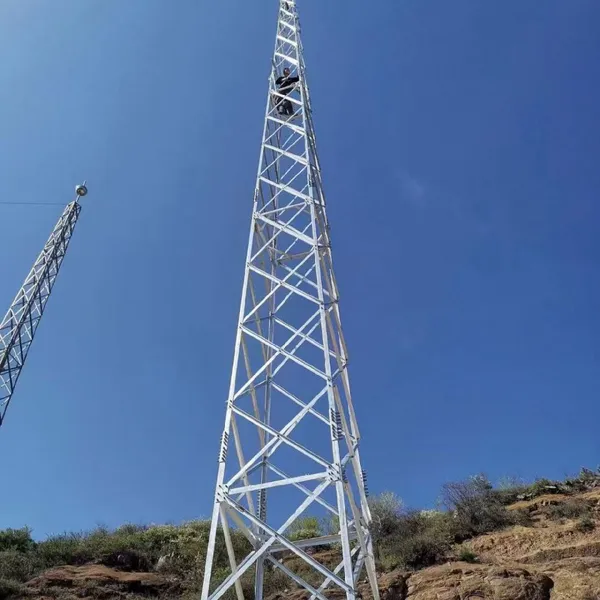
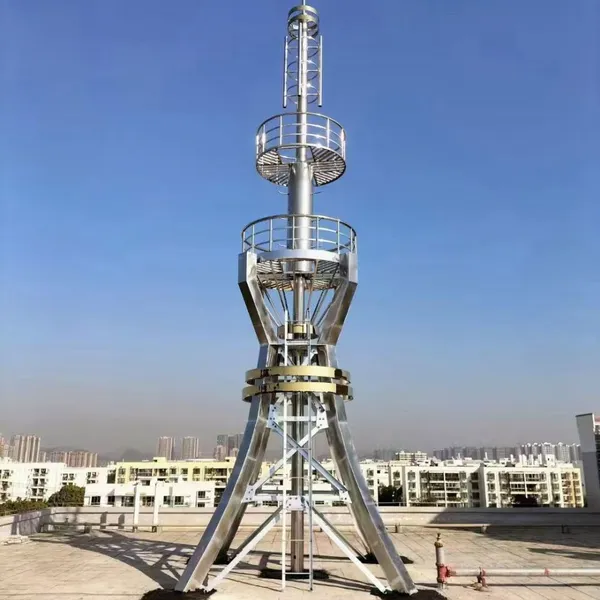
Durable Low-Cost Telecom Towers, Galvanized Steel, Height Options 10-60m
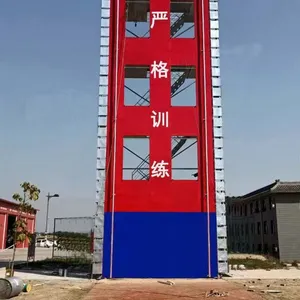
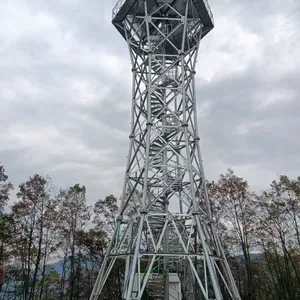
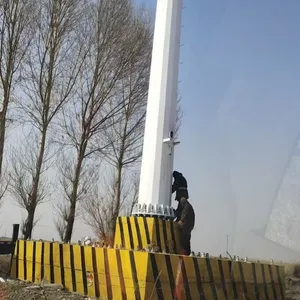
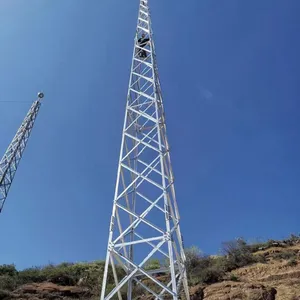



Related Products
-
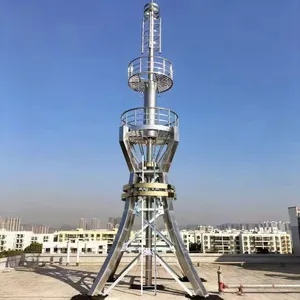
 Hot Dip Galvanized Telecommunication Steel Tower Custom Height Antenna Signal Tower For Communication TransmissionUS$ 556 - 600MOQ: 1 Ton
 -
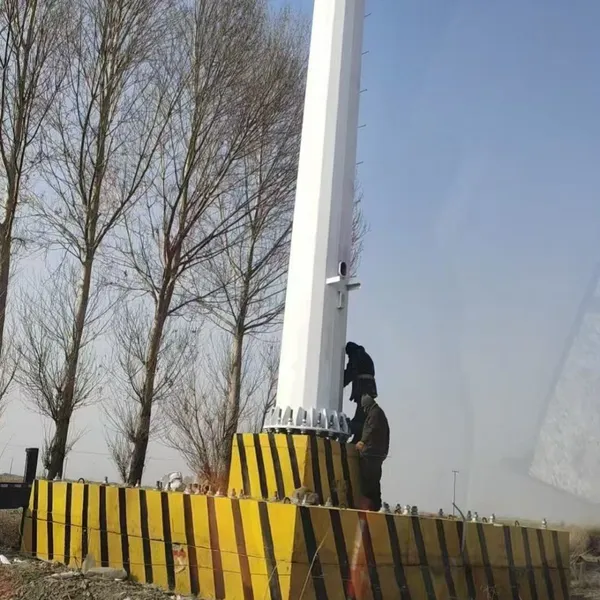
Guyed Wind Measurement Tower, Seaside Meteorological Monitoring Tower, Elegant Appearance, Customizable as per RequirementsUS$ 556 - 600MOQ: 1 Ton
-
Manufacturer of Steel Structure Watchtowers and Monitoring Towers for Landscape, Forest, and Grassland Fire Prevention SurveillanceUS$ 556 - 600MOQ: 1 Ton
-
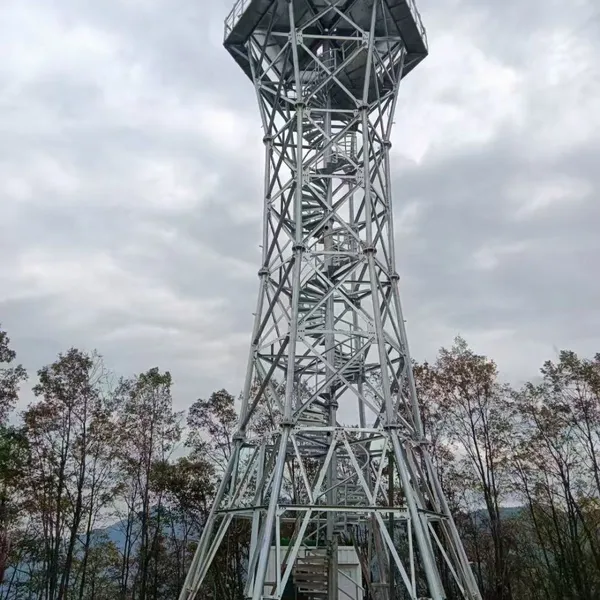
20-meter Forest Fire Prevention Monitoring Tower, Four-column Angle Steel Monitoring Iron Tower, Meteorological Observation TowerUS$ 556 - 600MOQ: 1 Ton
-
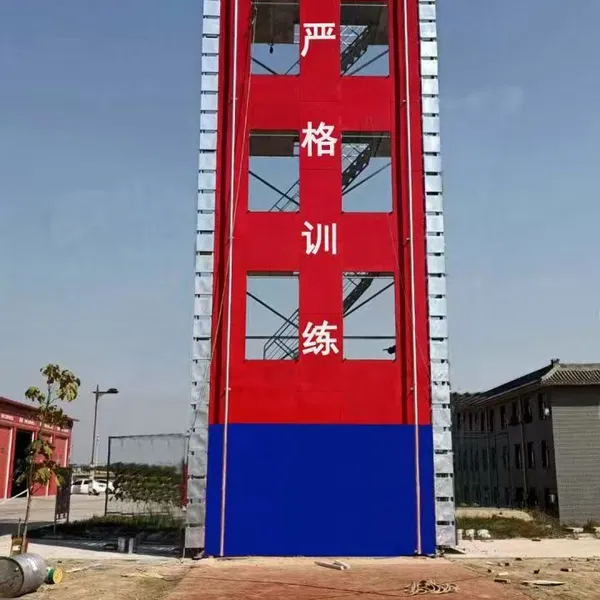
Grassland Forest Oil Observation Tower, Monitoring Iron Tower, Electric Angle Steel Processing Plant, Hydrological Observation and Monitoring TowerUS$ 556 - 600MOQ: 1 Ton
Electricity Transmission: Enabling long-distance transport of electricity from power generation facilities (e.g., thermal power plants, hydropower stations, wind farms) to distribution substations, minimizing energy loss during transmission.
Line Support: Maintaining a safe distance between power lines and the ground, as well as between adjacent lines, to prevent electrical leakage, short circuits, or risks to human life and wildlife.
-
Terrain Adaptation: Being constructed in various terrains (mountains, plains, riversides) to ensure the continuity of the power grid, even in harsh geographical conditions.
Lattice Towers: The most widely used type, featuring a framework of steel angles or bars connected by bolts. They are lightweight, cost-effective, and easy to assemble. Lattice towers are suitable for most voltage levels (110kV to 1000kV) and various terrains.
Tubular Towers: Made of seamless steel pipes, these towers have a smooth, cylindrical structure. They are more aesthetically pleasing than lattice towers and have better wind resistance, making them ideal for urban areas or scenic zones where appearance matters.
Concrete Towers: Constructed with reinforced concrete, they are durable, corrosion-resistant, and require minimal maintenance. However, their heavy weight limits transportation and installation, so they are often used in fixed locations (e.g., near substations) or areas with high corrosion risks (e.g., coastal regions).
-
Guyed Towers: Supported by several guy wires (steel cables) anchored to the ground, these towers have a simple main structure and are suitable for crossing wide rivers or valleys. The guy wires distribute the tower’s load, reducing the need for a heavy self-supporting structure.
Tower Body (Pole/Framework): The main load-bearing structure that supports the entire tower. For lattice towers, it is a triangular or square framework; for tubular towers, it is a single cylindrical pole.
Crossarms: Horizontal beams extending from the tower body, used to attach insulators and power lines. The number of crossarms depends on the number of power lines (e.g., 2-4 crossarms for double-circuit or four-circuit lines).
Insulators: Made of ceramic, glass, or composite materials (fiberglass reinforced plastic), insulators separate power lines from the tower body (which is grounded) to prevent electrical current from flowing into the tower. They also withstand high voltage and environmental impacts (rain, dust, ice).
Grounding System: Includes grounding rods, wires, and plates connected to the tower base. It diverts lightning strikes or leakage current to the ground, protecting the tower and power lines from damage.
-
Foundation: The base structure (e.g., concrete piles, spread footings) that anchors the tower to the ground. It must be strong enough to resist the tower’s weight, wind loads, ice loads, and seismic forces.
Visual Inspections: Conducted quarterly or semi-annually to check for damage (e.g., cracked insulators, loose bolts, rusted steel parts) or foreign objects (e.g., bird nests, tree branches) near power lines.
Corrosion Protection: For steel towers, apply anti-corrosion coatings (e.g., zinc plating, epoxy paint) every 5-10 years to prevent rust caused by rain, humidity, or coastal salt spray.
Load Testing: Periodically test the tower’s ability to withstand extreme loads (e.g., heavy ice, strong winds) using sensors or structural analysis tools. Replace weakened components (e.g., bent crossarms) promptly.
Lightning Protection Check: After thunderstorm seasons, inspect the grounding system’s resistance (it should be less than 10 ohms) and replace damaged grounding rods or wires to ensure effective lightning diversion.
Vegetation Management: Trim trees or shrubs within the "safety zone" (usually 5-10 meters around the tower and power lines) to prevent contact with lines, which could cause short circuits or power outages.

Send Inquiry to This Supplier



You May Also Like
-
110kv Power Tower, Double-circuit Angle Steel Tower, Hot-dip Galvanized Power Iron Tower, Corrosion-resistantUS$ 556 - 600MOQ: 1 Ton
-
10-meter Surveillance Tower, Observation Tower in Scenic Areas and Factory Areas, Monitoring Towers, Various Types of Monitoring Iron TowersUS$ 556 - 600MOQ: 1 Ton
-
Forest Fire Prevention Monitoring Tower, Grassland Forestry Monitoring Tower, Environmental Hydrological Observation Tower, Various StylesUS$ 556 - 600MOQ: 1 Ton
-
Forest Fire Prevention Monitoring Towers, Observation Towers, Surveillance Towers, and Various Types of Monitoring TowersUS$ 556 - 600MOQ: 1 Ton
-
Steel Structure, Angle Steel Lightning Tower, Compression and Impact Resistance, Customizable, Lightning Receiving TowerUS$ 556 - 600MOQ: 1 Ton
-
25-meter Power Station Triangular Tower, Triangular Electric Power Tower, 110kv High-voltage Tower, Round Steel Triangular Lightning Protection TowerUS$ 556 - 600MOQ: 1 Ton
-
Forest Fire Prevention Monitoring Tower Manufacturer, Tourist Attraction Monitoring Tower, Complete SpecificationsUS$ 556 - 600MOQ: 1 Ton
-
Electricity Tower, 10KV-500KV Transmission Line Angle Steel Tower, Customization of High-voltage Transmission Iron TowerUS$ 556 - 600MOQ: 1 Ton
-
Lightning Tower, Steel Pipe Lightning Rod, Hot-dip Galvanized Tower, Galvanized Independent Lightning TowerUS$ 556 - 600MOQ: 1 Ton
-
15-meter Forest Fire Prevention Monitoring Tower, Steel Structure, Galvanized Angle Iron, Four-column Tower, Monitoring Iron TowerUS$ 556 - 600MOQ: 1 Ton


