Geotextiles: Essential Synthetic Fabrics for Civil & Environmental Engineering
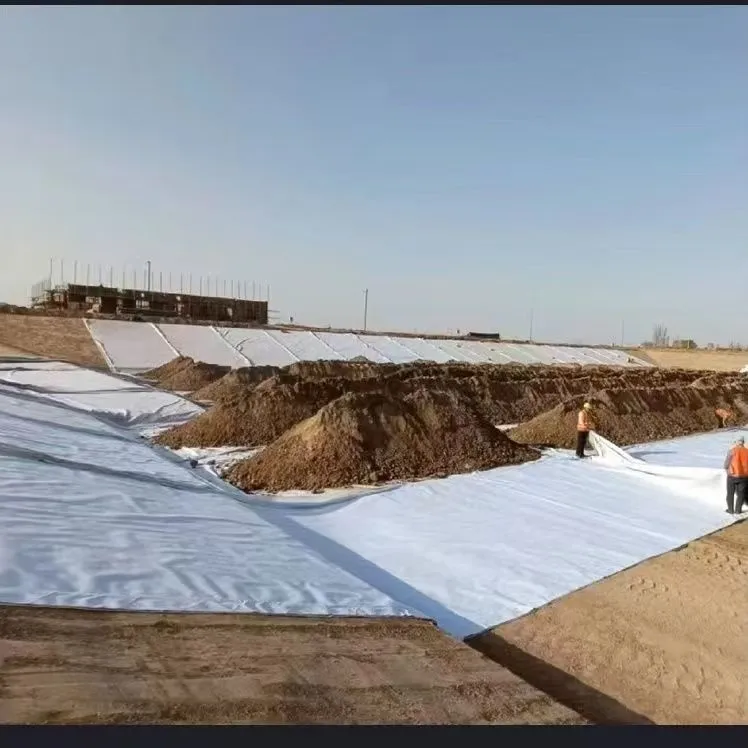
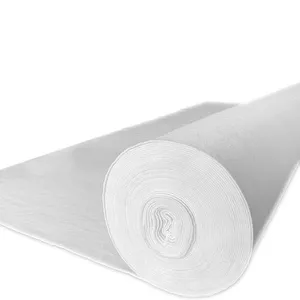
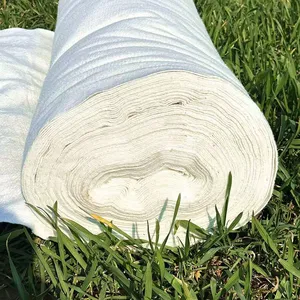
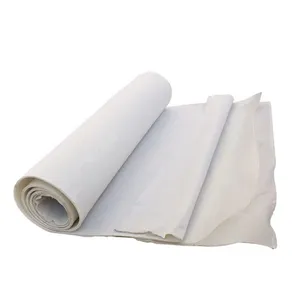
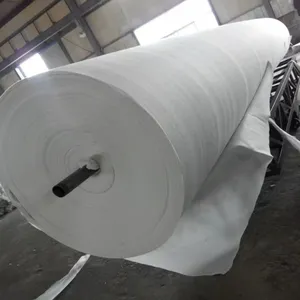
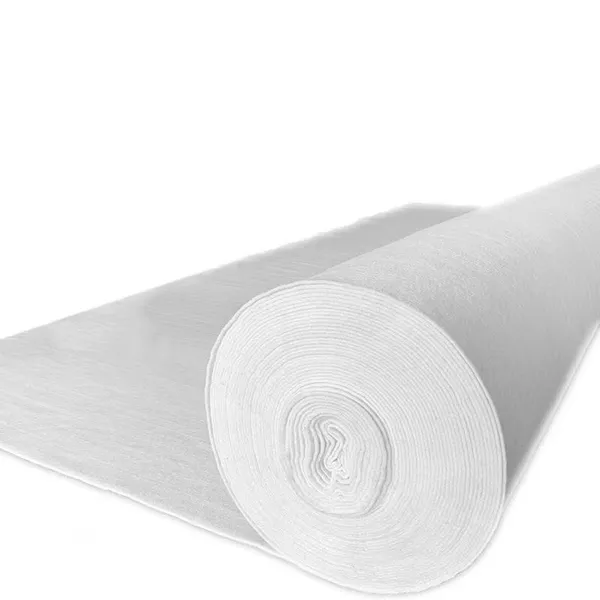
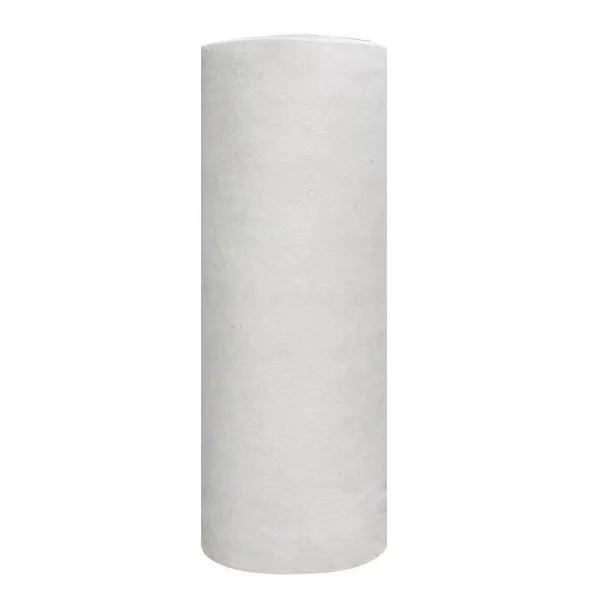
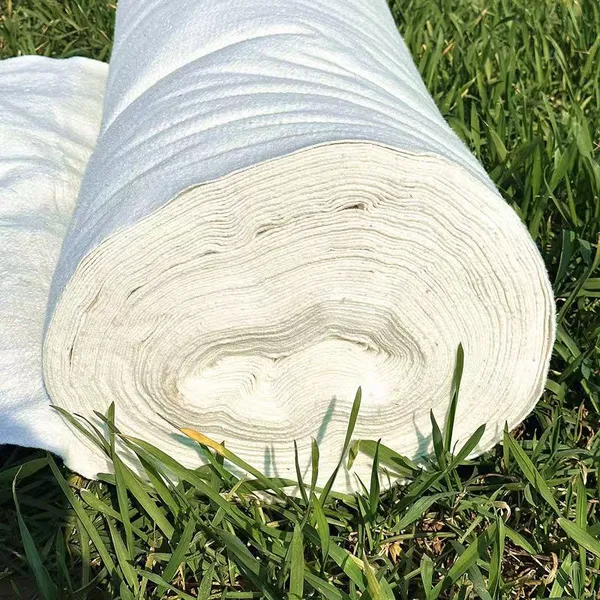
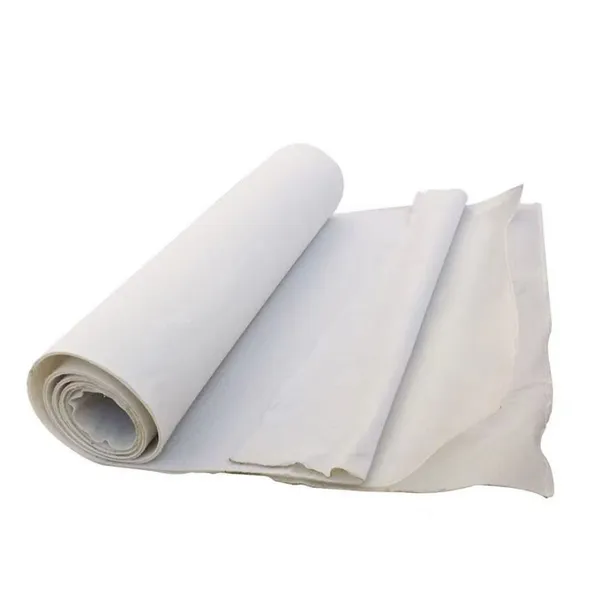
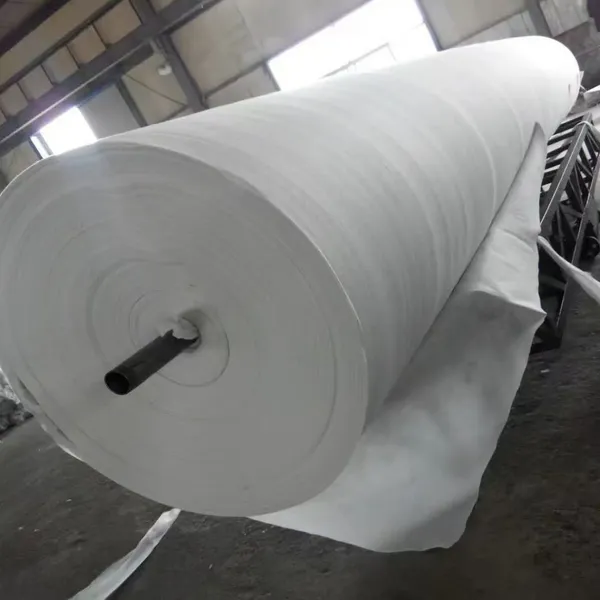
Geotextiles are permeable, engineered fabrics made from synthetic polymers—primarily polypropylene (PP), polyester (PET), or polyethylene (PE)—designed to interact with soil, water, and other geotechnical materials. They replace traditional materials like straw or jute in civil engineering projects, addressing critical challenges such as soil erosion, poor drainage, and structural instability. Their versatility, durability, and cost-effectiveness make them a staple in modern infrastructure, from roads and dams to landfills and ecological restoration sites. Below is a detailed breakdown of their key attributes, classifications, functions, applications, and best practices

1. Core Characteristics & Material Traits
Geotextiles’ performance stems from three fundamental properties that align with engineering needs:
Permeability: Most geotextiles allow water to flow through (permeability rates range from 10⁻³ to 10⁻⁶ m/s) while retaining soil particles. This balance is critical for filtration and drainage without causing soil loss.
Durability: Synthetic fibers resist biological degradation (rot, mold), chemical corrosion (acids/alkalis in soil), and UV radiation. Under standard conditions, their service life spans 10–50 years—longer than natural alternatives like jute (which degrades in 1–3 years).
Mechanical Strength: High tensile strength (10–100 kN/m) and tear resistance enable geotextiles to withstand construction loads, soil pressure, and environmental stress (e.g., freeze-thaw cycles or wave impact).
2. Classification by Manufacturing Process
Geotextiles are grouped into three main types based on production methods, each optimized for specific functions. The table below outlines their key differences:
3. Core Functions in Engineering Projects
Geotextiles solve six critical engineering problems, making them indispensable across project types:
3.1 Filtration (Soil Particle Retention)
How it works: Geotextiles act as a barrier between soil layers or soil and water, trapping fine particles (silt, clay) while allowing water to drain. This prevents "piping"—a process where water washes away fine soil, weakening foundations or embankments.
Example: In road construction, a non-woven geotextile placed between the soft subgrade and gravel base filters out silt, stopping the gravel from sinking into the subgrade and degrading road performance.
3.2 Drainage (Water Conduction)
How it works: The porous structure of non-woven geotextiles creates channels for horizontal or vertical water flow, accelerating the removal of excess groundwater or surface runoff from soil.
Example: In sports fields (e.g., soccer pitches), non-woven geotextiles under the turf drain rainwater quickly, preventing waterlogging and maintaining playable conditions
3.3 Separation (Material Isolation)
How it works: Geotextiles separate dissimilar materials (e.g., soil and concrete, gravel and asphalt) to avoid mixing, which would reduce the strength or functionality of each material.
Example: In highway construction, a woven geotextile separates the asphalt surface layer from the granular base course. This prevents asphalt from seeping into the base and causing cracks or potholes over time.
3.4 Reinforcement (Structural Strengthening)
How it works: High-tensile woven or composite geotextiles distribute loads across a wider area, improving the bearing capacity of weak soils (e.g., clay, marshland) and reducing settlement.
Example: In coastal reclamation projects, woven geotextiles reinforce soft marine clay, allowing it to support heavy infrastructure like ports, airports, or high-rise buildings.
3.5 Protection (Damage Prevention)
How it works: Geotextiles act as a buffer between rigid structures (e.g., concrete pipes, geomembranes) and rough soil/rocks, preventing abrasion, puncture, or erosion.
Example: Underground drainage pipes are wrapped in non-woven geotextiles to protect them from sharp soil particles that could crack the pipe walls over time.
3.6 Erosion Control (Soil Stabilization)
How it works: Geotextiles (often non-woven or biodegradable blends) cover bare soil, reducing raindrop impact and wind erosion. They stabilize the soil until vegetation establishes.
Example: On construction slopes or mine reclamation sites, biodegradable geotextiles (e.g., jute-polyester mixes) protect soil while plants grow. The geotextile gradually decomposes, leaving no waste.
4. Typical Application Scenarios
Geotextiles are used across diverse engineering sectors, with tailored solutions for each:
4.1 Road & Railway Construction
Reinforce soft soil subgrades to meet strict settlement limits (critical for high-speed railways).
Separate asphalt/concrete layers from granular bases to prevent material mixing.
Drain excess water from embankments to avoid frost heave in cold climates.
4.2 Hydraulic & Coastal Engineering
Line riverbanks and coastal dunes with erosion-control geotextiles to resist wave/current damage.
Filter water in dam spillways and irrigation canals to prevent sediment buildup.
Protect geomembranes in reservoirs or tidal barriers from puncture by rocks or debris.
4.3 Environmental Engineering
In landfills: Act as a secondary liner (with geomembranes) to contain leachate; filter and drain leachate for treatment.
In contaminated soil remediation: Isolate polluted soil from clean areas; facilitate water flow for in-situ treatments (e.g., bioremediation).
4.4 Building & Landscape Engineering
Reinforce foundations for low-rise buildings on soft soil (e.g., in floodplains).
Drain water in green roofs and urban parks to maintain soil structure and plant health.
Stabilize slopes in residential areas to prevent landslides during heavy rains.
5. Selection & Installation Best Practices
To maximize geotextile performance, follow these guidelines:
5.1 Material Selection
Match function to type: Choose non-woven geotextiles for filtration/drainage; woven types for reinforcement/separation; composites for multi-functional needs (e.g., reinforcement + waterproofing).
Adapt to environment: For acidic/alkaline soils, select chemical-resistant PP/PET geotextiles; for UV-exposed areas, use UV-stabilized variants.
Verify mechanical specs: Ensure tensile strength, tear resistance, and permeability meet project design standards (e.g., 20 kN/m tensile strength for road subgrade reinforcement).
5.2 Installation Tips
Prepare the site: Clear sharp rocks, debris, or vegetation that could puncture the geotextile. Level the soil to ensure uniform contact.
Lay correctly: Unroll geotextiles parallel to water flow (for drainage) or load direction (for reinforcement). Overlap adjacent rolls by 15–30 cm (50 cm on steep slopes) and secure overlaps with stitches, adhesives, or soil anchors.
Avoid damage: Cut geotextiles with sharp tools carefully; never drag them over rough surfaces. Place a protective layer (e.g., gravel) before heavy equipment passes over installed geotextiles.
5.3 Quality Control
Inspect geotextiles upon delivery for defects (tears, holes, uneven thickness).
Conduct on-site tests: Measure permeability (via water flow tests) and tensile strength (via sample pulls) to confirm compliance with design requirements.
Summary
Geotextiles are a foundational material in modern engineering, offering sustainable, cost-effective solutions to soil, water, and structural challenges. Their ability to filter, drain, reinforce, and protect makes them applicable to nearly every infrastructure project—from small urban landscapes to large-scale dams and highways. As material technology advances (e.g., biodegradable fibers, high-performance composites), geotextiles will continue to play a key role in building resilient, eco-friendly infrastructure worldwide.