








 Contact Platform Support
 Help Center
Home > Chemicals > Airbag > Plugging Airbag > Pipeline Plugging Airbag is Made of Reinforced Natural Rubber
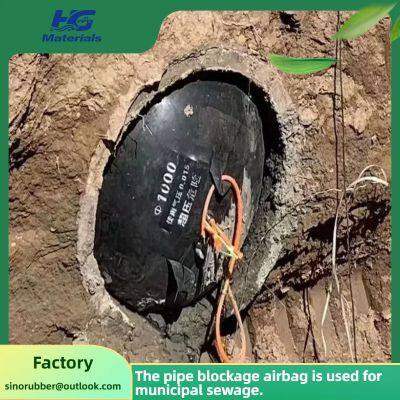
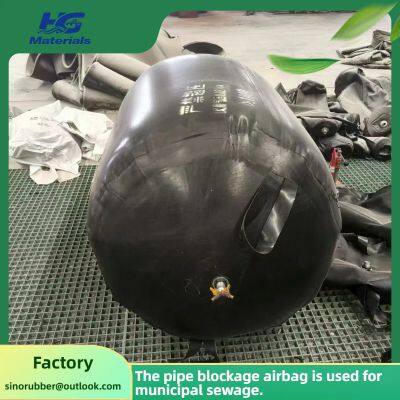
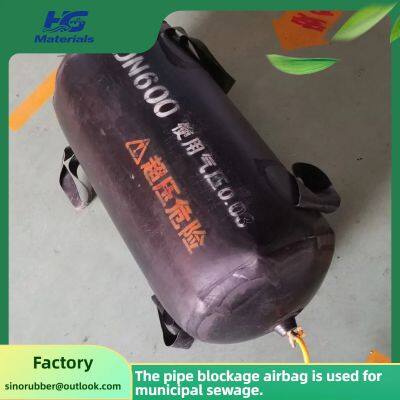
Pipeline Plugging Airbag is Made of Reinforced Natural Rubber

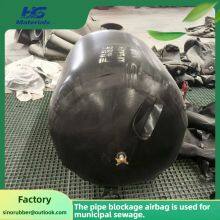
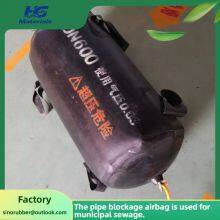
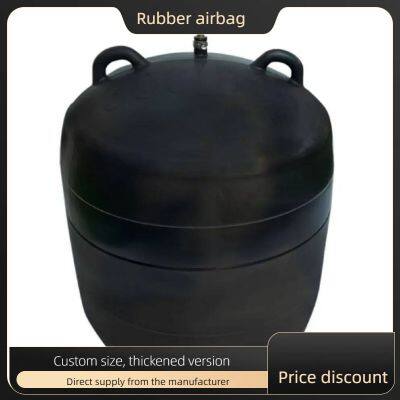
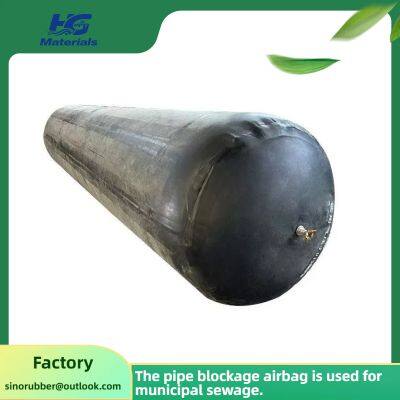
US$ 16
10 - 99 Combos
US$ 12
≥100 Combos
Key Specifications
Get Latest Price
Material:
Composite Rubber
Certification:
ISO9001
Shape:
Cylindrical
Payment & Shipping
Payment Methods:


Port of Shipment:
Tianjin/Qingdao
Delivery Detail:
3 days
Related Products
-
 Pipeline Plugging Airbag; Pipeline Water Plugging Airbag; High Pressure Rubber Water Plugging Airbag.US$ 12 - 16MOQ: 10 Combos
 -
Natural Rubber Pipeline Blocking Airbag For Natural Gas Pipeline Water Stop Blockage AirbagUS$ 12 - 16MOQ: 10 Combos
-
China Factory High Pressure Water Blocking Rubber Balloon Airbag All Sizes for Sewer Line All-Inclusive Hose IncludedUS$ 12 - 16MOQ: 10 Combos
-
Rubber Water Shut-off Airbag Inflatable Pipe StopperUS$ 12 - 16MOQ: 10 Combos
-
Customized Municipal Sewer Pipe Repair Pipe Blockage Diameter 800 Rubber Airbag Rubber Pipe Sealing AirbagUS$ 12 - 16MOQ: 10 Combos
Material
Composite Rubber
Certification
ISO9001
Shape
Cylindrical
Function
Closure Type
Condition
NEW
Transport Package
Cardboard packaging
Specification
Manufacturer custom-made
Trademark
HaoGu
Origin
HengShui
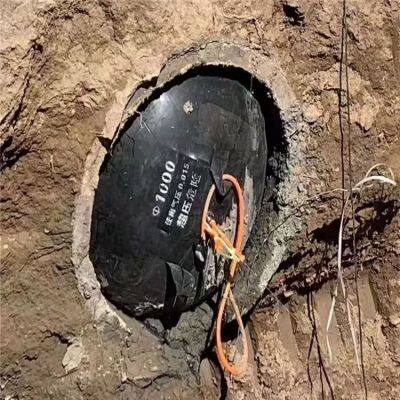
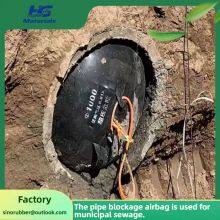
Pipeline Plugging Airbag: A Convenient Tool for Temporary Blockage
I. Basic Concept and Core Structure1. Core Functions
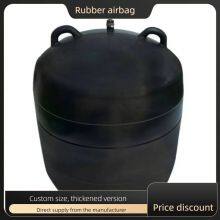
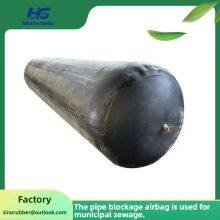
2. Main Structure
II. Working Principle
III. Common Types (Classified by Application/Pipeline Type)
IV. Usage Precautions (Key Points to Avoid Problems)

Send Inquiry to This Supplier

* Email
Want the best price?
Post an RFQ now!

1Yr

Year Established
2025
Factory Size
3,000-5,000 square meters
Annual Export Value
US$5 Million - US$10 Million
Total Employees
51 - 100 People
You May Also Like
-
Flexible Inflatable Rubber Airbag for Sewer and Drainage Pipe Blocking,Simple OperationUS$ 12 - 16MOQ: 10 Combos
-
Spot Inflatable Pipeline Plugging Airbag Sewer Pipe Drainage Plugging Leak Closed Water Test Plugging Water Plugging AirbagUS$ 12 - 16MOQ: 10 Combos
-
High Pressure Good Tightness Pipeline Block Airbag With High QualityUS$ 12 - 16MOQ: 10 Combos
-
Inflatable Sealing Airbag Rubber Sewer Pipe Plug Balloon Stopper Inflatable Pipe Stopper Pipeline Plugging AirbagUS$ 12 - 16MOQ: 10 Combos
-
Inflatable Rubber Pipeline Blocking Airbag for Pipeline Solution at HomeUS$ 12 - 16MOQ: 10 Combos
-
Inflatable High Pressure Pipeline Plugging Rubber AirbagsUS$ 12 - 16MOQ: 10 Combos
-
DN1500 Inflatable High Pressure Pipeline Plugging Rubber AirbagsUS$ 12 - 16MOQ: 10 Combos
-
High-Quality Inflatable Water Stop Blockage Airbag for Pipeline Sealing and Leak PreventionUS$ 12 - 16MOQ: 10 Combos
-
Pneumatic Inflatable Sewer Drain Pipeline Stopper Rubber Airbag Pipe PlugUS$ 12 - 16MOQ: 10 Combos
-
New 2024 Product High Pressure Pipeline Blocking Rubber Airbag/balloon for Sewer Line 0.1~1.5 MPAUS$ 12 - 16MOQ: 10 Combos
