








 Contact Platform Support
 Help Center
Bridge Expansion Devices, Bridge Materials, Settlement, Loads, Temperature Deformation
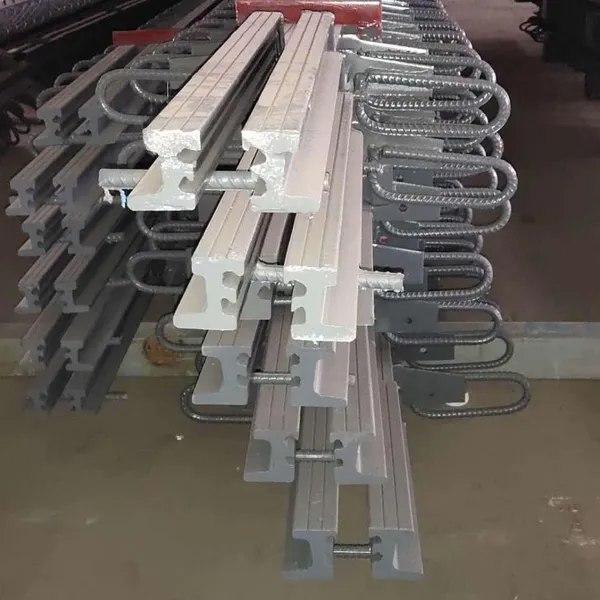
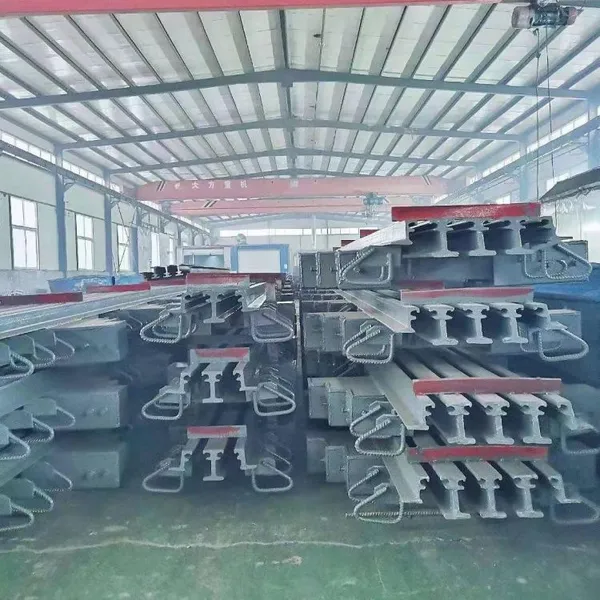




Related Products
-
 Modular Expansion Joint, Comb Plate Expansion Joint, Rubber Plate Expansion JointUS$ 34 - 35MOQ: 10 Meters
 -
Displacement Expansion Joint Load-bearing Capacity Suitable for Medium and Small Span Highway BridgesUS$ 34 - 35MOQ: 10 Meters
-
Municipal Bridge Expansion Joints, Expansion Joint Corrosion Treatment, Anti-corrosion Coating, Extending Service Life by Over 10 YearsUS$ 34 - 35MOQ: 10 Meters
-
Bridge Expansion Joint Device, Modular Steel Expansion Joint for Highway and Municipal Use, Customizable InstallationUS$ 69 - 80MOQ: 100 Meters
-
Supply of Bridge Expansion Joints, Installation of Modular Expansion Devices, and Highway Ground DevicesUS$ 69 - 80MOQ: 100 Meters
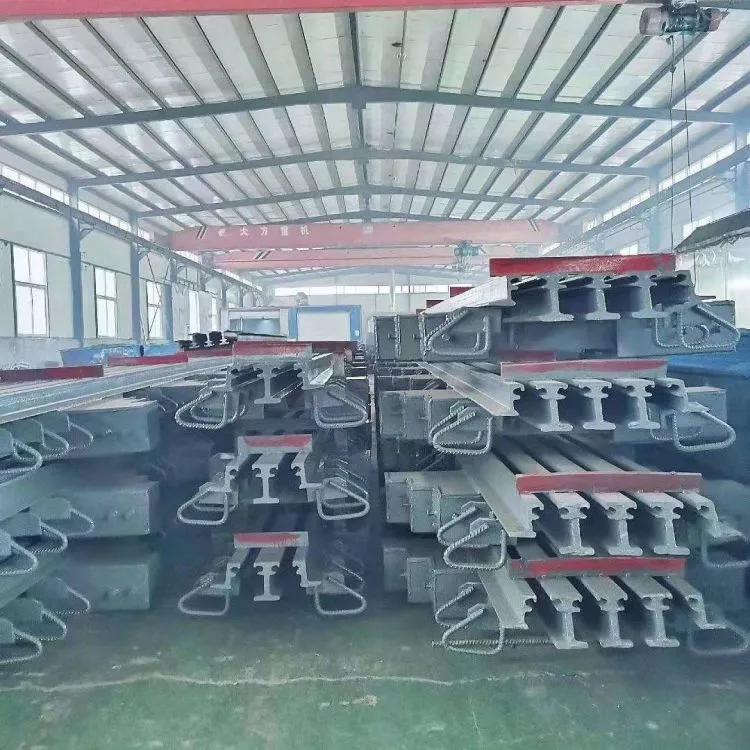
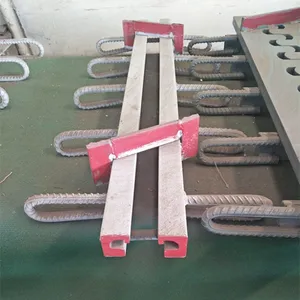
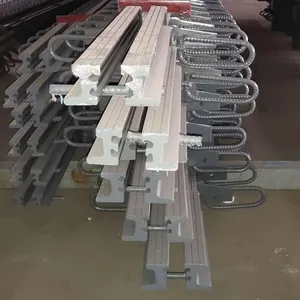
Function: The core part that directly accommodates structural expansion, contraction, or lateral displacement.
Common Materials: Rubber (neoprene, EPDM for good elasticity and weather resistance), steel (for heavy-load scenarios like bridges), or composite materials (combining rubber’s flexibility and steel’s strength).
Typical Forms: Modular (for large displacement), strip-type (for small/medium displacement), or bridge-specific grid-type structures.
Function: Prevent water, debris, dust, and chemical impurities from infiltrating the joint gap, which could cause corrosion of internal steel bars or damage to the structure’s base.
Common Materials: Elastic rubber strips, foam rubber, or waterproof sealants (e.g., polyurethane sealants with strong adhesion).
Function: Fix the expansion device body to the main structure (e.g., bridge beam, building floor) to ensure the joint bears vertical and horizontal loads (such as vehicle weight, pedestrian pressure) without detachment.
Components: Anchoring bolts, steel plates, and embedded parts (pre-embedded in the structure during construction to connect with the expansion device).
Function: Control the direction of structural displacement (e.g., limit lateral deviation of bridges) to avoid misalignment of the expansion joint and ensure stable operation.
-
Common Form: Steel guide rails or rubber limit blocks.

Send Inquiry to This Supplier



You May Also Like
-
GQF-C40D80160 Type Maurer Joint Comb Plate Modular Expansion Joint Device for Highway Bridge Expansion JointsUS$ 69 - 80MOQ: 100 Meters
-
GQF Modular Installation, D40 and F80 Bridge Expansion Joints, Processing Deformation Joints According to the DrawingsUS$ 69 - 80MOQ: 100 Meters
-
GQF80 Type Highway Bridge Expansion Joint, Supplied by the Manufacturer, Features Stable Structure and SF Comb Plate JointUS$ 69 - 80MOQ: 100 Meters
-
Bridge Expansion Joints, D-80 Expansion Device Deformation Joints, Various SpecificationsUS$ 69 - 80MOQ: 100 Meters
-
Bridge Expansion Joints, Complete Steel Rubber Strips for Expansion Joints, Corrosion-resistant and Anti-settlement Road and Bridge Expansion DevicesUS$ 69 - 80MOQ: 100 Meters
-
Highway Bridge Expansion Joint GQF-C40D80160 Type Maurer Joint Comb Plate Modular Expansion Joint DeviceUS$ 69 - 80MOQ: 100 Meters
-
GQF-C60 Type Bridge Expansion Joint, C80 Type Bridge Expansion JointUS$ 69 - 80MOQ: 100 Meters
-
Installation of E60 Type Steel Expansion Device Plate With Manganese Steel Strip and Rubber Strip for Highway Bridge Expansion JointsUS$ 69 - 80MOQ: 100 Meters
-
Q235 Profiled Steel Bridge Expansion Joint Anti-fatigue Structural Gap for Expressway PavementUS$ 69 - 80MOQ: 100 Meters
-
Hot Rolled Steel Bridge Deck Expansion Joint Impact Resistant for Heavy Load Highway TrafficUS$ 69 - 80MOQ: 100 Meters