








 Contact Platform Support
 Help Center
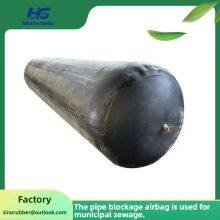
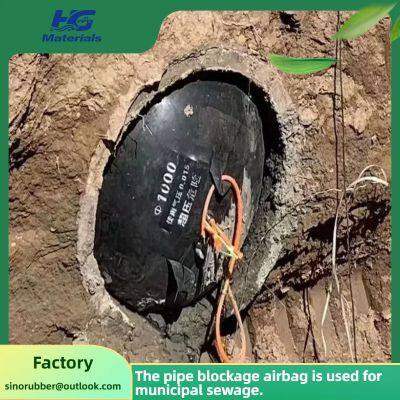
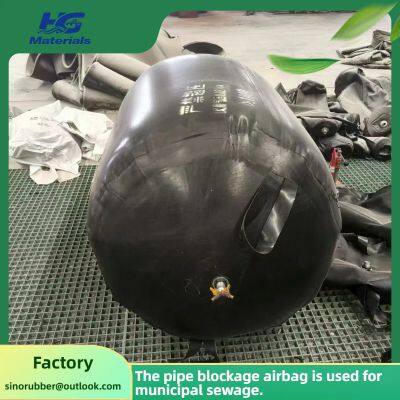
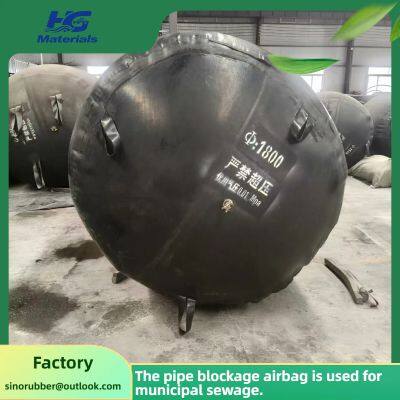
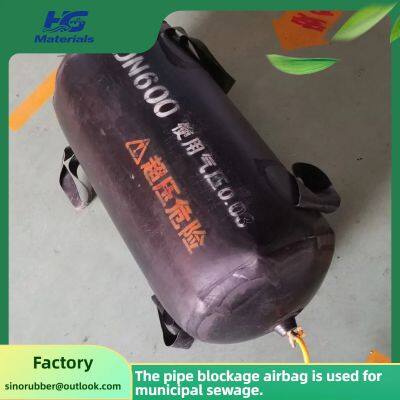
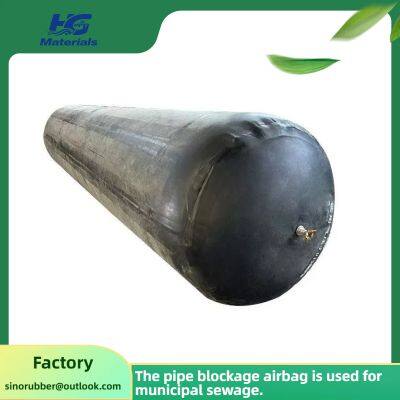
HG003 Customized Municipal Sewer Pipe Repair Pipe Blockage Diameter 800 Rubber Airbag Rubber Pipe Sealing Airbag


Related Products
-
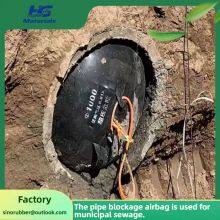
 Pipeline Blockage Water Balloon, Sewer Sewage Pipe Leak Sealing Rubber Balloon, Thickened Inflatable Pipeline BalloonUS$ 5 - 100MOQ: 10 Combos
 -
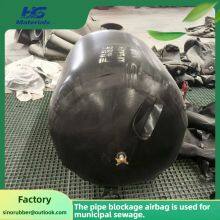
Pipeline Water Plugging Airbag; Water Plugging, Pipeline Plugging Airbag, Pipeline Plugging Device, Water Plugging Test AirbagUS$ 12 - 16MOQ: 10 Combos
-
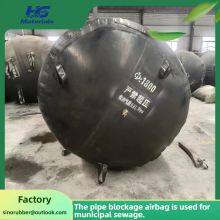
DN800 Pipeline Blockage Balloon, Water Pipe Maintenance, Water Shut-off Experiment and Pressure TestUS$ 12 - 16MOQ: 10 Combos
-
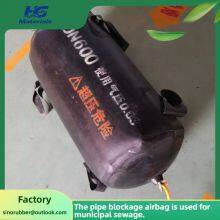
Inspection of Pipeline Sealing Airbags, Sealing Capsules, Drainage Pipe Maintenance, Water Blockage, Water Shut-off TestUS$ 12 - 16MOQ: 10 Combos
-
Wholesale Municipal Sewage Pipeline Sealing Airbag Water Shutoff Test Rubber Water-blocking Airbag, Thickened Leak-blocking AirbagUS$ 12 - 16MOQ: 10 Combos
Industrial high-pressure pipelines (petrochemical, power generation, and chemical processing systems)
Municipal high-pressure water supply networks
Oil and gas transmission pipelines
High-pressure sewage and wastewater pipelines in heavy industries
Inflatable Bladder: The core sealing element, typically made of multi-layered high-strength rubber (e.g., nitrile rubber, EPDM, or neoprene) reinforced with polyester or nylon fabric. This structure resists tearing, abrasion, and chemical corrosion under high pressure.
Pressure Relief Valve: A safety-critical component that prevents over-inflation by automatically releasing excess air when the internal pressure exceeds the rated limit (prevents bladder rupture).
Inflation Port: Equipped with a high-pressure quick-connect fitting compatible with standard air compressors or hydraulic pumps, ensuring fast and secure inflation.
End Plates/Collar: Rigid or semi-rigid components (usually made of aluminum alloy or reinforced plastic) at both ends of the bladder, enhancing stability and preventing the airbag from slipping inside the pipeline during pressure loading.
High Pressure Resistance: Reinforced rubber layers maintain structural integrity even under 10+ MPa pressure, meeting international standards (e.g., ISO 4413 for hydraulic fluid power systems).
Chemical Compatibility: Resists corrosion from oils, solvents, acids, and alkalis—suitable for both water-based and industrial fluid pipelines.
Abrasion Resistance: Reinforced fabric layers reduce wear caused by pipeline inner-wall friction or sediment, extending service life to 500+ usage cycles (under proper maintenance).
Preparation: Select an airbag with a diameter matching the pipeline (typically 5%–10% larger than the pipeline ID for interference fit). Inspect the bladder for cracks, leaks, or damage, and ensure the pressure relief valve is functional.
Insertion: Place the deflated airbag into the target pipeline section (use guide ropes for large-diameter pipelines to avoid misalignment).
Inflation: Connect the inflation port to a high-pressure air compressor or hydraulic pump. Inflate the bladder gradually (pressure rise rate ≤ 0.2 MPa/min) until reaching the recommended operating pressure (80%–90% of the rated pressure, specified by the manufacturer).
Sealing & Operation: As the bladder inflates, it expands to fit the pipeline inner wall tightly, creating a leak-proof seal that blocks fluid flow. Perform maintenance, testing, or repair work downstream.
Deflation & Removal: After completion, release air from the bladder via the inflation port. Once fully deflated, pull the airbag out of the pipeline using guide ropes.
Pressure Category |
Pressure Range |
Typical Applications |
Medium-High Pressure |
1.6–4.0 MPa |
Municipal high-pressure water supply pipelines, small-diameter industrial fluid pipelines |
High Pressure |
4.0–10.0 MPa |
Petrochemical process pipelines, power plant cooling water pipelines |
Ultra-High Pressure |
>10.0 MPa |
Oil and gas transmission pipelines, offshore drilling fluid pipelines |
Rapid Deployment: Inflates/deflates in 5–15 minutes (depending on size), significantly faster than traditional mechanical plugs (e.g., steel plugs), reducing pipeline downtime.
Secure Sealing: Interference fit design and high-pressure resistance ensure zero or minimal leakage (meets API 6D standards for pipeline leakage control).
Versatility: Available in diameters from 50 mm to 3000 mm, compatible with carbon steel, stainless steel, and PVC pipelines.
Cost-Effective: Reusable design (500+ cycles) and low maintenance requirements (no regular part replacement) lower long-term operational costs compared to disposable plugs.
After each use, clean the bladder with water or neutral detergent to remove sediment, oil, or chemicals.
Inspect the bladder for cuts, bulges, or rubber degradation—replace damaged bladders immediately.
Lubricate the inflation port and quick-connect fitting with silicone grease to prevent corrosion.
Store in a cool, dry, and shaded area (avoid direct sunlight or extreme temperatures, which accelerate rubber aging).
Never exceed the rated pressure (risk of bladder rupture and pipeline damage).
Use only compatible inflation equipment (high-pressure pumps with pressure gauges calibrated annually).
Ensure the pipeline is depressurized as much as possible before inserting the airbag (do not use for blocking fully pressurized pipelines without professional guidance).
Post warning signs around the work area to prevent accidental inflation/deflation during operation.
ISO 4413 (Hydraulic fluid power systems and components—General rules and safety requirements)
API 6D (Pipeline and piping valves—Specification for ball valves, gate valves, and check valves)
DIN 30650 (German standard for pipe plugs and test plugs)
ASME B31.3 (Process piping—Code for pressure piping in chemical, petrochemical, and related processes)

Send Inquiry to This Supplier



You May Also Like
-
Municipal Pipeline High-Pressure Water Blocking Airbag Sealing Test Inflatable Rubber Thickened AirbagUS$ 12 - 16MOQ: 10 Combos
-
Rubber Water Plug; High Pressure Plugging Airbag; Rubber Airbag.US$ 12 - 16MOQ: 10 Combos
-
Blocking Airbag for Sewage Pipeline DN1000 Water Plugging Airbag DN300 Drainage Pipeline Blockage AirUS$ 12 - 16MOQ: 10 Combos
-
DN400 Sewage Pipeline Blockage Airbag 1 Meter Diameter Rubber Plugging Airbag Resisting ImpactUS$ 12 - 16MOQ: 10 Combos
-
Factory Supply Rubber Water Plug; Inflatable Rubber Plugging for Multiple Sewage Pipes; Water-blocking Plug; Air Bag.US$ 12 - 16MOQ: 10 Combos
-
Pipeline Plugging Airbag; Fabric Rubber Airbag; Bridge Inflation Core Mold; Octagonal Airbag.US$ 12 - 16MOQ: 10 Combos
-
Pipeline Water Plugging Airbag Inflation Core Mold Double Layer Inflation Airbag Octagonal Airbag SupplyUS$ 12 - 16MOQ: 10 Combos
-
City Block Water and Gas Bag; City Pipeline Air Bag; Large Bore Pipeline Block Air Bag.US$ 12 - 16MOQ: 10 Combos
-
DN300 Water Pipeline Blockage Airbag;drainage Pipeline Plugging Airbag; Corrosion ResistanceUS$ 12 - 16MOQ: 10 Combos
-
Rubber Water Plug Airbag; Rubber Water Plug; Pipe Blocker; Hengshui Haogu Bridge Rubber Inflation AirbagUS$ 12 - 16MOQ: 10 Combos
