








 Contact Platform Support
 Help Center
Home > Chemicals > Plastic & Polymer > Polymer & Resin > Jiangyin Xingye Blow Molded Grade PET Glycol Plastic Raw Materials CZ-302
Jiangyin Xingye Blow Molded Grade PET Glycol Plastic Raw Materials CZ-302

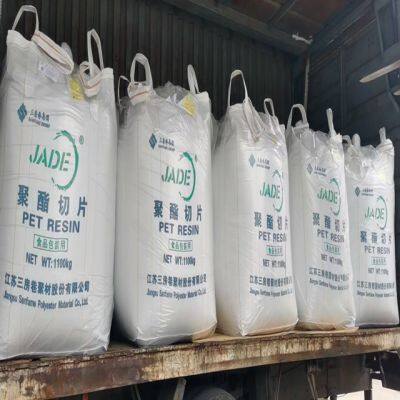
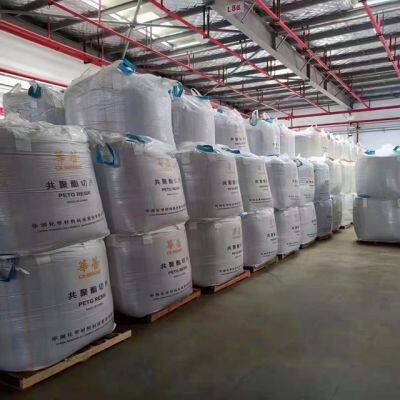
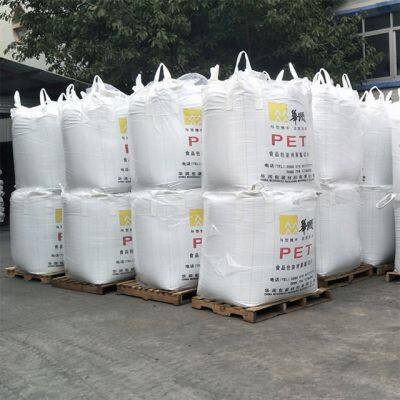
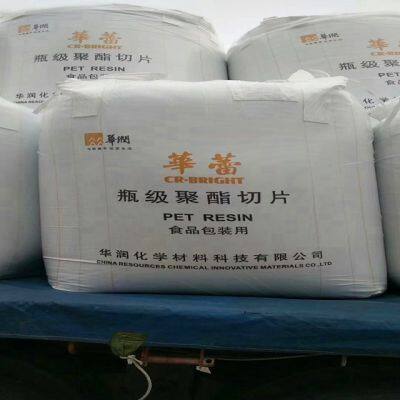
US$ 1.50
25 - 499 Kilograms
US$ 1.48
500 - 49999 Kilograms
US$ 1.30
50000 - 4999999 Kilograms
US$ 1.28
≥5000000 Kilograms
Key Specifications
Get Latest Price
Color:
White
Brand Name:
Jiangyin Xingye Sanfang Lane
Place of Origin:
Jiangsu, China
Payment & Shipping
Payment Methods:


Port of Shipment:
China
Delivery Detail:
Delivery time depends on order quantity.
Related Products
-
 Injection Molding Food Grade Fiber Polyester Film Packaging Material in PET Jiangsu Sanfangxiang CZ-5011US$ 1.28 - 1.50MOQ: 25 Kilograms
 -
Sanfang Lane High Rigidity Toughened PET Extrusion Grade Thin Wall Products CZ-328US$ 1.28 - 1.50MOQ: 25 Kilograms
-
Bottle-grade Material China's Low Price PET Polyethylene Glycol Terephthalate Wankai WK821 From ZhejiangUS$ 1.28 - 1.50MOQ: 25 Kilograms
-
Copolymer Polymer Container Made of PET Material Polyethylene Glycol Terephthalate Model WK881US$ 1.28 - 1.50MOQ: 25 Kilograms
-
Affordable Polyethylene Glycol Terephthalate Injection Grade Polyester Chip in PET Zhejiang Wankai WK-601US$ 1.28 - 1.50MOQ: 25 Kilograms
Color
White
Brand Name
Jiangyin Xingye Sanfang Lane
Place of Origin
Jiangsu, China
Application
Water Bottle
Product name
Polyethylene Terephthalate PET Resin
Grade
Virgin Bottle Grade
Type
Virgin PET Raw Material
Material
PET Raw Material Granule
Appearance
White Granular
Keyword
Pet Granules Virgin
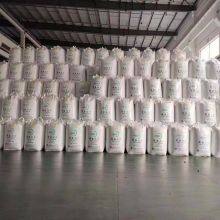
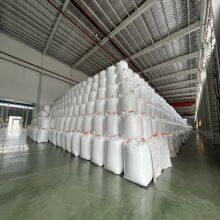
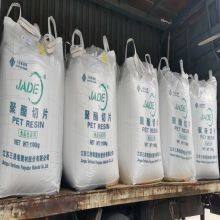
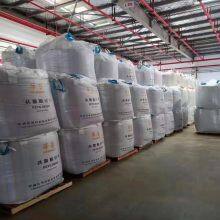
Packing
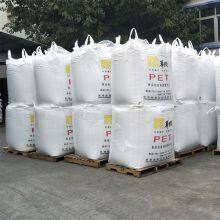
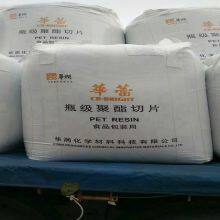
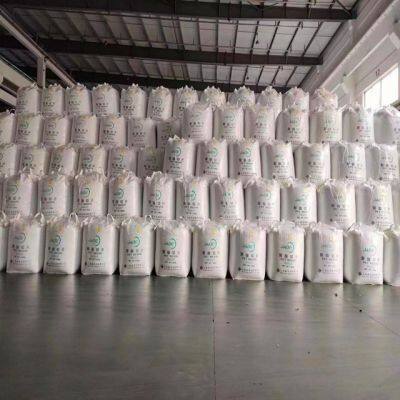
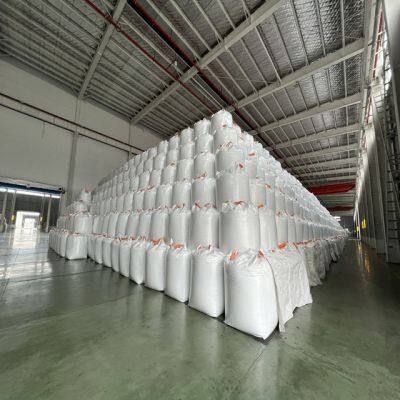
1100kg Bag
MOQ
2 Tons
Product Description
item | value |
Place of Origin | China |
Jiangsu | |
Brand Name | * Jiangyin Xingye Sanfang Lane |
Model Number | CZ-302 |
Application | Water Bottle |
Product name | Polyethylene Terephthalate PET Resin |
Grade | Virgin Bottle Grade |
Type | Virgin PET Raw Material |
Material | PET Raw Material Granule |
Color | White |
Appearance | White Granular |
Keyword | Pet Granules Virgin |
Packing | 1100kg Bag |
MOQ | 2 Tons |
Packing & Delivery
PET engineering plastic polyethylene terephthalate
Polyterephthalate plastics, mainly including polyethylene terephthalate PET and polybutylene terephthalate PBT. Polyethylene
terephthalate, also known as polyester resin, commonly known as polyester resin. It is a polycondensation of terephthalic acid and
ethylene glycol, and together with PBT is collectively known as thermoplastic polyester, or saturated polyester.
I. Introduction
PET plastic is the abbreviation of the English Polyethylene terephthalate, referred to as PET or PETP.
pet plastic itself is not toxic, but long-term use may produce toxins. pet plastic products may release harmful substances DEHP
after 10 months of use and are not resistant to high temperatures. pet material has high transparency and strong stability, and
various chemical alcohol bottles and infusion bottles are widely used.
Polyethylene terephthalate (PET), chemical formula (C10H8O4)n, is produced by transesterification of dimethyl terephthalate with
ethylene glycol or esterification of terephthalate with ethylene glycol, and then polycondensation reaction. It is a crystalline
saturated polyester, milky white or light yellow, highly crystalline polymer, smooth and glossy surface, is a common resin in
life, which can be divided into APET, RPET and PETG.
It has excellent physical and mechanical properties in a wide temperature range, long-term use temperature up to 120℃, excellent
electrical insulation, even at high temperature and high frequency, its electrical properties are still good, but poor corona
resistance, creep resistance, fatigue resistance, friction resistance, dimensional stability are very good.
Second, the advantages of PET
1. Good mechanical properties, impact strength is 3 to 5 times that of other films, good folding resistance.
2. Resistance to oil, fat, dilute acid, dilute alkali, and most solvents.
3. Can be used in the temperature range of 55-60℃ for a long time, short-term use can withstand high temperature of 65℃, can
withstand low temperature of -70℃, and high and low temperature have little impact on its mechanical properties.
4. Low permeability of gas and water vapor, and excellent resistance to gas, water, oil and odor.
5. High transparency, can block ultraviolet light, good luster.
6. Non-toxic, tasteless, good health and safety, can be directly used for food packaging.
Through the improvement of nucleating agents and crystallizing agents and glass fiber reinforcement, PET has the following
characteristics in addition to the properties of PBT.
1. Thermal deformation temperature and long-term use temperature are the highest in thermoplastic general engineering plastics.
2. Because of the high heat resistance, the enhanced PET is impregnated for 10s in the solder bath at 250 ° C, almost without
deformation or discoloration, which is especially suitable for the preparation of electronic and electrical parts for solder
welding.
3. The bending strength is 200MPa, the elastic modulus is 4000MPa, the creep resistance and fatigue are also very good, the
surface hardness is high, and the mechanical properties are similar to thermosetting plastics.
4. Since the price of ethylene glycol used in the production of PET is almost half that of butanediol used in the production of
PBT, PET resin and reinforced PET are the lowest price among engineering plastics and have a high cost performance.
To improve PET properties, PET can be alloyed with PC, elastomer, PBT, PS class, ABS, PA.
PET (enhanced PET) is mainly processed by injection molding, and other methods include extrusion, blow molding, coating and
welding, sealing, machining, vacuum coating and other secondary processing methods. Dry thoroughly before forming.
Polyethylene terephthalate is prepared by transesterification of dimethyl terephthalate with ethylene glycol or esterification of
terephthalate with ethylene glycol, and then polycondensation reaction. It is a crystalline saturated polyester, the average
molecular weight (2-3)×104, the ratio of weight average to number average molecular weight is 1.5-1.8. Glass transition
temperature 80℃, Martin heat resistance 80℃, thermal deformation temperature 98℃ (1.82MPa), decomposition temperature 353℃. It has
excellent mechanical properties, high rigidity, high hardness, low water absorption and good dimensional stability. Good
toughness, impact resistance, friction resistance, creep resistance. Good chemical resistance, soluble in cresol, concentrated
sulfuric acid, nitrobenzene, trichloroacetic acid, chlorophenol, insoluble in methanol, ethanol, acetone, alkane. The operating
temperature is -100 ~ 120℃, and the bending strength is 148-310MPa.
Water absorption: 0.06%-0.129%
Impact strength: 64.1-128J/m
Rockwell hardness: M 90-95
Elongation: 1.8%-2.7%
Third, the use of PET
In the classification of plastics, PET is codenamed No. 1 and has a wide range of functions:
The main applications for electronic and electrical appliances include: electrical socket, electronic connector, rice cooker
handle, TV skewer yoke, terminal station, breaker shell, switch, motor fan shell, instrument mechanical parts, money counting
machine parts, electric iron, electromagnetic oven accessories; Flow control valve, carburetor cover, window controller, pedal
transmission, switchboard cover in the automotive industry; Machinery industry gears, blades, belts, pump parts, in addition to
wheelchairs and wheels, lampshade housing, illuminator housing, drainpipe joints, zippers, watch parts, sprayer parts.
In addition:
Can be spun into polyester fiber, that is, polyester.
It can be made into film for sound recording, video, film and other substrates, insulation film, product packaging, etc.
As a plastic can be blown into a variety of bottles, such as cola bottles, mineral water bottles and so on.
Can be used as electrical parts, bearings, gears, etc.
Four, PET processing methods
It is formed by polycondensation of terephthalic acid and ethylene glycol, following the general law of linear polycondensation.
In the production of polyester polyester, two synthetic technologies have been developed: transesterification and direct
esterification.
(1) Transesterification or indirect esterification
This is a traditional production method, by methyl ester, transesterification, final condensation of three steps, the purpose of
methyl ester is to facilitate the purification of dimethyl terephthalate.
① Methylation: terephthalic acid reacts with slightly excess methanol and is first esterified to dimethyl terephthalate. Steam out
water, excess methanol, methyl benzoate and other low boiling matter, and then through rectification, to obtain pure dimethyl
terephthalate.
② Transesterification: At 190~200℃, using cadmium acetate and antimony trioxide as catalysts, dimethyl terephthalate and ethylene
glycol (molar ratio of about 1:2.4) were transesterification to form polyester oligomers. The methanol is distilled and the
transesterification is sufficient.
③ Final condensation: at a temperature higher than the melting point of polyester, such as 283 ° C, antimony trioxide is used as a
catalyst to make glycol terephthalate self-condensation or transesterification, and by reducing pressure and high temperature, the
by-product ethylene glycol is continuously distilled to gradually improve the degree of polymerization.
In the stages of methylation and transesterification, the isogroup number ratio is not considered. In the final polycondensation
stage, according to the amount of ethylene glycol distillate, the ratio of the number of the two groups is naturally adjusted, and
the amount of other substances is gradually approximated, slightly making the ethylene glycol excessive, blocking both ends of the
molecule, and reaching the predetermined degree of polymerization.
(2) Direct esterification method
After the purification technology of terephthalic acid is solved, this is the preferred economic method. Terephthalic acid and
excess ethylene glycol are first esterified to a low degree of polymerization (such as X=1~4) polyethylene terephthalate at 200℃,
and then finally polycondensation at 280℃ to a high degree of polymerization of the final polyester product (n=100~200), this step
is the same as the indirect esterification method.
The viscosity of the system increases with the increase of polycondensation reaction degree. In engineering, it is more
advantageous to stage the polycondensation in two reactors. Precondensation in the front section: 270℃, 2000~3300Pa. Final
polycondensation in the posterior segment: 280~285℃, 60~130Pa.
Polyterephthalate plastics, mainly including polyethylene terephthalate PET and polybutylene terephthalate PBT. Polyethylene
terephthalate, also known as polyester resin, commonly known as polyester resin. It is a polycondensation of terephthalic acid and
ethylene glycol, and together with PBT is collectively known as thermoplastic polyester, or saturated polyester.
I. Introduction
PET plastic is the abbreviation of the English Polyethylene terephthalate, referred to as PET or PETP.
pet plastic itself is not toxic, but long-term use may produce toxins. pet plastic products may release harmful substances DEHP
after 10 months of use and are not resistant to high temperatures. pet material has high transparency and strong stability, and
various chemical alcohol bottles and infusion bottles are widely used.
Polyethylene terephthalate (PET), chemical formula (C10H8O4)n, is produced by transesterification of dimethyl terephthalate with
ethylene glycol or esterification of terephthalate with ethylene glycol, and then polycondensation reaction. It is a crystalline
saturated polyester, milky white or light yellow, highly crystalline polymer, smooth and glossy surface, is a common resin in
life, which can be divided into APET, RPET and PETG.
It has excellent physical and mechanical properties in a wide temperature range, long-term use temperature up to 120℃, excellent
electrical insulation, even at high temperature and high frequency, its electrical properties are still good, but poor corona
resistance, creep resistance, fatigue resistance, friction resistance, dimensional stability are very good.
Second, the advantages of PET
1. Good mechanical properties, impact strength is 3 to 5 times that of other films, good folding resistance.
2. Resistance to oil, fat, dilute acid, dilute alkali, and most solvents.
3. Can be used in the temperature range of 55-60℃ for a long time, short-term use can withstand high temperature of 65℃, can
withstand low temperature of -70℃, and high and low temperature have little impact on its mechanical properties.
4. Low permeability of gas and water vapor, and excellent resistance to gas, water, oil and odor.
5. High transparency, can block ultraviolet light, good luster.
6. Non-toxic, tasteless, good health and safety, can be directly used for food packaging.
Through the improvement of nucleating agents and crystallizing agents and glass fiber reinforcement, PET has the following
characteristics in addition to the properties of PBT.
1. Thermal deformation temperature and long-term use temperature are the highest in thermoplastic general engineering plastics.
2. Because of the high heat resistance, the enhanced PET is impregnated for 10s in the solder bath at 250 ° C, almost without
deformation or discoloration, which is especially suitable for the preparation of electronic and electrical parts for solder
welding.
3. The bending strength is 200MPa, the elastic modulus is 4000MPa, the creep resistance and fatigue are also very good, the
surface hardness is high, and the mechanical properties are similar to thermosetting plastics.
4. Since the price of ethylene glycol used in the production of PET is almost half that of butanediol used in the production of
PBT, PET resin and reinforced PET are the lowest price among engineering plastics and have a high cost performance.
To improve PET properties, PET can be alloyed with PC, elastomer, PBT, PS class, ABS, PA.
PET (enhanced PET) is mainly processed by injection molding, and other methods include extrusion, blow molding, coating and
welding, sealing, machining, vacuum coating and other secondary processing methods. Dry thoroughly before forming.
Polyethylene terephthalate is prepared by transesterification of dimethyl terephthalate with ethylene glycol or esterification of
terephthalate with ethylene glycol, and then polycondensation reaction. It is a crystalline saturated polyester, the average
molecular weight (2-3)×104, the ratio of weight average to number average molecular weight is 1.5-1.8. Glass transition
temperature 80℃, Martin heat resistance 80℃, thermal deformation temperature 98℃ (1.82MPa), decomposition temperature 353℃. It has
excellent mechanical properties, high rigidity, high hardness, low water absorption and good dimensional stability. Good
toughness, impact resistance, friction resistance, creep resistance. Good chemical resistance, soluble in cresol, concentrated
sulfuric acid, nitrobenzene, trichloroacetic acid, chlorophenol, insoluble in methanol, ethanol, acetone, alkane. The operating
temperature is -100 ~ 120℃, and the bending strength is 148-310MPa.
Water absorption: 0.06%-0.129%
Impact strength: 64.1-128J/m
Rockwell hardness: M 90-95
Elongation: 1.8%-2.7%
Third, the use of PET
In the classification of plastics, PET is codenamed No. 1 and has a wide range of functions:
The main applications for electronic and electrical appliances include: electrical socket, electronic connector, rice cooker
handle, TV skewer yoke, terminal station, breaker shell, switch, motor fan shell, instrument mechanical parts, money counting
machine parts, electric iron, electromagnetic oven accessories; Flow control valve, carburetor cover, window controller, pedal
transmission, switchboard cover in the automotive industry; Machinery industry gears, blades, belts, pump parts, in addition to
wheelchairs and wheels, lampshade housing, illuminator housing, drainpipe joints, zippers, watch parts, sprayer parts.
In addition:
Can be spun into polyester fiber, that is, polyester.
It can be made into film for sound recording, video, film and other substrates, insulation film, product packaging, etc.
As a plastic can be blown into a variety of bottles, such as cola bottles, mineral water bottles and so on.
Can be used as electrical parts, bearings, gears, etc.
Four, PET processing methods
It is formed by polycondensation of terephthalic acid and ethylene glycol, following the general law of linear polycondensation.
In the production of polyester polyester, two synthetic technologies have been developed: transesterification and direct
esterification.
(1) Transesterification or indirect esterification
This is a traditional production method, by methyl ester, transesterification, final condensation of three steps, the purpose of
methyl ester is to facilitate the purification of dimethyl terephthalate.
① Methylation: terephthalic acid reacts with slightly excess methanol and is first esterified to dimethyl terephthalate. Steam out
water, excess methanol, methyl benzoate and other low boiling matter, and then through rectification, to obtain pure dimethyl
terephthalate.
② Transesterification: At 190~200℃, using cadmium acetate and antimony trioxide as catalysts, dimethyl terephthalate and ethylene
glycol (molar ratio of about 1:2.4) were transesterification to form polyester oligomers. The methanol is distilled and the
transesterification is sufficient.
③ Final condensation: at a temperature higher than the melting point of polyester, such as 283 ° C, antimony trioxide is used as a
catalyst to make glycol terephthalate self-condensation or transesterification, and by reducing pressure and high temperature, the
by-product ethylene glycol is continuously distilled to gradually improve the degree of polymerization.
In the stages of methylation and transesterification, the isogroup number ratio is not considered. In the final polycondensation
stage, according to the amount of ethylene glycol distillate, the ratio of the number of the two groups is naturally adjusted, and
the amount of other substances is gradually approximated, slightly making the ethylene glycol excessive, blocking both ends of the
molecule, and reaching the predetermined degree of polymerization.
(2) Direct esterification method
After the purification technology of terephthalic acid is solved, this is the preferred economic method. Terephthalic acid and
excess ethylene glycol are first esterified to a low degree of polymerization (such as X=1~4) polyethylene terephthalate at 200℃,
and then finally polycondensation at 280℃ to a high degree of polymerization of the final polyester product (n=100~200), this step
is the same as the indirect esterification method.
The viscosity of the system increases with the increase of polycondensation reaction degree. In engineering, it is more
advantageous to stage the polycondensation in two reactors. Precondensation in the front section: 270℃, 2000~3300Pa. Final
polycondensation in the posterior segment: 280~285℃, 60~130Pa.
Company Profile
Shanghai Xingshengyuan Plastic Products Co., Ltd. distributes and wholesales POM, PA66, PC/ABS, and PBT in the best-selling consumer market, enjoying a high position among consumers. The company has established long-term and stable cooperative relationships with multiple retailers and agents. The company distributes a complete range of POM, PA66, PC/ABS, and PBT products at reasonable prices. The company has strong strength, values credit, abides by contracts, ensures product quality, and has won the trust of a large number of customers with its diversified business characteristics and the principle of small profits and quick sales
FAQ
1. who are we?
We are based in Shanghai, China, start from 2023,sell to Western Europe(30.00%),Mid East(20.00%),North America(10.00%),Eastern Asia(5.00%). There are total about 5-10 people in our office.
2. how can we guarantee quality?
Always a pre-production sample before mass production;
Always final Inspection before shipment;
3.what can you buy from us?
PC,POM,ABS,PP,HDPE
4. why should you buy from us not from other suppliers?
With 20 years of industry experience, we provide you with comprehensive solutions with our expertise.
5. what services can we provide?
Accepted Delivery Terms: null;
Accepted Payment Currency:null;
Accepted Payment Type: null;
Language Spoken:null
We are based in Shanghai, China, start from 2023,sell to Western Europe(30.00%),Mid East(20.00%),North America(10.00%),Eastern Asia(5.00%). There are total about 5-10 people in our office.
2. how can we guarantee quality?
Always a pre-production sample before mass production;
Always final Inspection before shipment;
3.what can you buy from us?
PC,POM,ABS,PP,HDPE
4. why should you buy from us not from other suppliers?
With 20 years of industry experience, we provide you with comprehensive solutions with our expertise.
5. what services can we provide?
Accepted Delivery Terms: null;
Accepted Payment Currency:null;
Accepted Payment Type: null;
Language Spoken:null

Send Inquiry to This Supplier
* Email
Want the best price?
Post an RFQ now!

1Yr

Business Type
Manufacturer
Year Established
2014
Factory Size
1,000-3,000 square meters
Annual Export Value
Above US$100 Million
You May Also Like
-
Injection Molded Food-Grade PET Granules Fiber Drawing Polyethylene Terephthalate Glycol (PETG) in PET CR-8863US$ 1.28 - 1.50MOQ: 25 Kilograms
-
Stable Viscosity Suitable for Drinking Water Bottle Packaging Products in PET Changzhou CR-8816 PetUS$ 1.28 - 1.50MOQ: 25 Kilograms
-
Medium Viscosity PET Powder for Food Packaging Blow Molding Grade in WB-8816US$ 1.28 - 1.50MOQ: 25 Kilograms
-
Medium Viscosity Flame Retardant PA6 YH800 Modified Base Spun Brown Silk Nylon 6 Slicing WireUS$ 2.50 - 2.60MOQ: 1000 Kilograms
-
Industrial Packed PA6 High Strength Structural Parts Fiber High Viscosity 3.4 for Injection in YH3400US$ 2.50 - 2.60MOQ: 1000 Kilograms
-
High Flow Medium Viscosity Nylon Single 6 Slice Injection Grade PA6 From Sinopec Baling BL3200H Wear-ResistantUS$ 2.50 - 2.60MOQ: 1000 Kilograms
-
PA6 Polymerized J2500Z Nylon 6 Slice Low Viscosity Easy Release Resin Granule Home Appliance Production Raw MaterialUS$ 2.50 - 2.60MOQ: 1000 Kilograms
-
High Impact High Strength PA6 J2400 Injection Grade 2.47 Relative Viscosity High FlowUS$ 2.50 - 2.60MOQ: 1000 Kilograms
-
Xinhui Meida M2500I Nylon 6 Extrusion & Injection Grade 2.5 Viscosity in Polyamide 6 PA6 From GuangdongUS$ 2.50 - 2.60MOQ: 1000 Kilograms
-
Xinhui Meida M2800 PA6 Electrical Product With After-Glass Fiber Reinforced Flame Retardant ModificationUS$ 2.1 - 2.8MOQ: 1 Kilogram

