








 Contact Platform Support
 Help Center
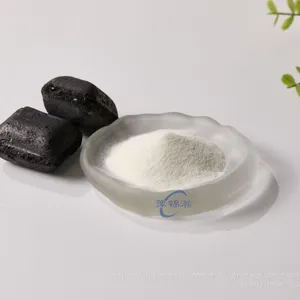
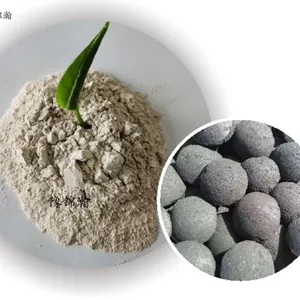
Charcoal Briquette Binder


Related Products
By Process Type
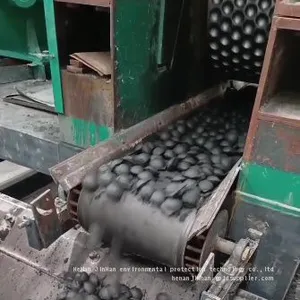
Ordinary Binders: These require the addition of 6 - 8% water. After briquetting, the balls need to be dried or aired until the water content is less than 3%. They can achieve a compressive strength of ≥1000N and are suitable for materials like iron ore powder and phosphate ore powder.
Dry - Press Binders: No water addition is needed. The raw materials can be directly mixed and briquetted. However, they have strict requirements for the water content of raw materials (which should be ≤3%), and the addition amount is 3% - 5%.
No - Drying Binders: With an addition amount of 4%, the briquetted balls can be naturally dried. The strength meets the standard after 48 hours, making them suitable for humid environments.
By Raw Material Characteristics
KF01 Binder: It is suitable for dust removal ash containing calcium oxide. The raw materials need to be digested in advance. It can reach a compressive strength of ≥2000N and does not reduce the grade of the pellets.
KF02 Binder: Designed for undigested calcium oxide - containing dust removal ash, it can block expansion through an acidic environment and achieve a compressive strength of ≥50kg.
Steel Mills
In steel mills, our binders play a crucial role in recycling waste materials. For example, they can effectively bond steel plant dust removal ash, sludge, and oxidized scale. By using our binders, these waste materials can be made into high - strength briquettes, which are then reused in the steel - making process. This not only reduces waste emissions but also improves the utilization rate of resources and reduces production costs.
The binders can also improve the quality of steel - making raw materials. When used in iron ore powder briquetting, they can increase the strength and stability of the briquettes, ensuring smooth operation in the blast furnace and improving the quality of molten iron.
Metallurgical Industry
In the metallurgical industry, for various metal ore powders such as chromium ore powder, manganese ore powder, and copper, lead, zinc, and nickel ore powders, our binders can help form cold - bonded pellets. These pellets can be directly smelted or calcined without sintering, simplifying the production process and saving energy.
They can also improve the performance of metallurgical products. The use of appropriate binders can increase the density and strength of metal products, improving their quality and service life.

Send Inquiry to This Supplier


You May Also Like
-
 Drilling Oil Filtration Loss Reduction Agent Plugging Agent is Cost-effective, Large and PreferredNegotiableMOQ: 1 Ton
 -
Iron Powder Ball Binder Has Strong Adhesion and Avoids Drying High Molecular PolymerNegotiableMOQ: 1 Ton
-
Binder for Pellet of Ore PowderNegotiableMOQ: 1 Ton
-
Iron Powder Binder, Polymer With Fast Drying and Strong Bonding ForceNegotiableMOQ: 1 Ton
-
Eco-Friendly Feed Binders: Strong Adhesion, Sustainable Formula, Cost-Effective SolutionNegotiableMOQ: 1 Ton
-
Cold-Pressing Adhesive for Mineral Powders: Revolutionizing Powder MoldingNegotiableMOQ: 1 Ton
-
Cold-Bonded Pellet BinderNegotiableMOQ: 1 Ton
-
Eco-Friendly Pellet Binders: Cold Briquetting of Coal Powder& Mineral Powders in Steel PlantsNegotiableMOQ: 1 Ton
-
Binder for Pellets of Dedusting AshNegotiableMOQ: 1 Ton
-
Binder Resisting CaO for Pellets of Dedusting AshNegotiableMOQ: 1 Ton


