








 Contact Platform Support
 Help Center
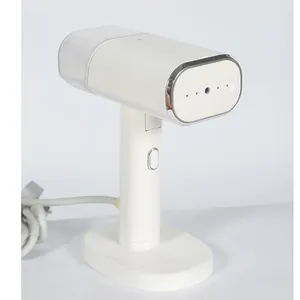
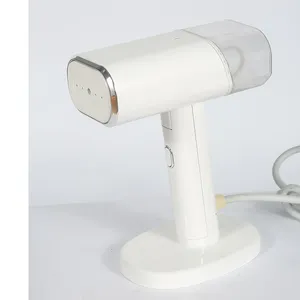
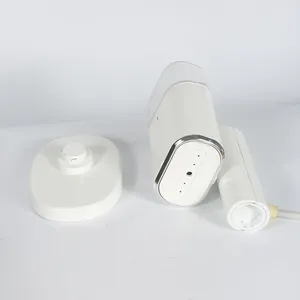
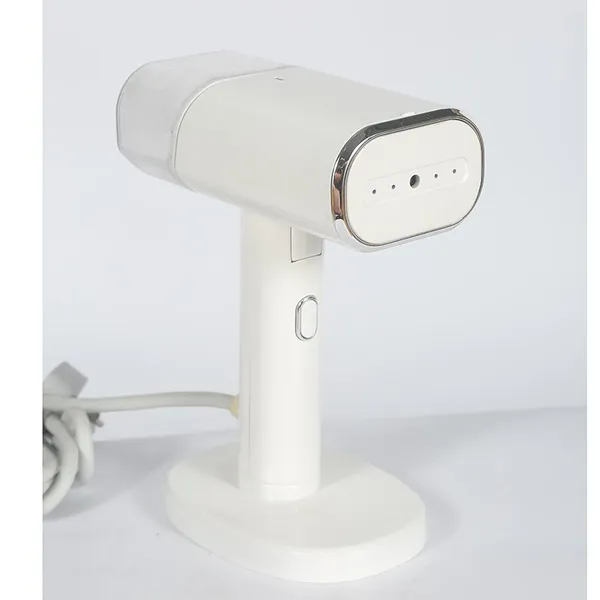
Steam Iron
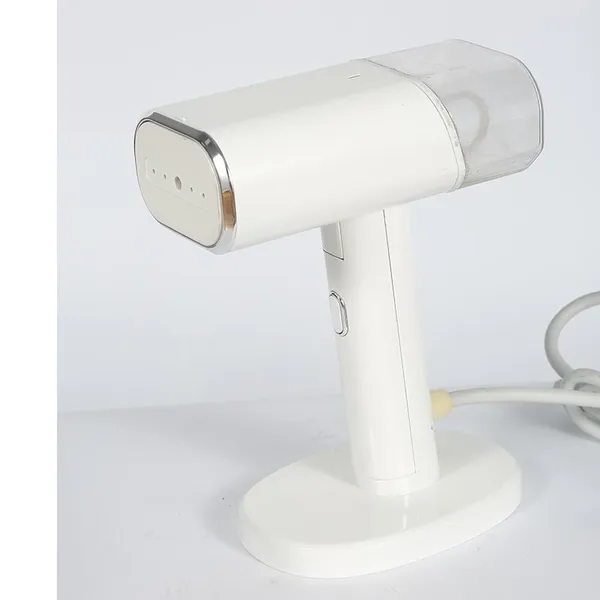
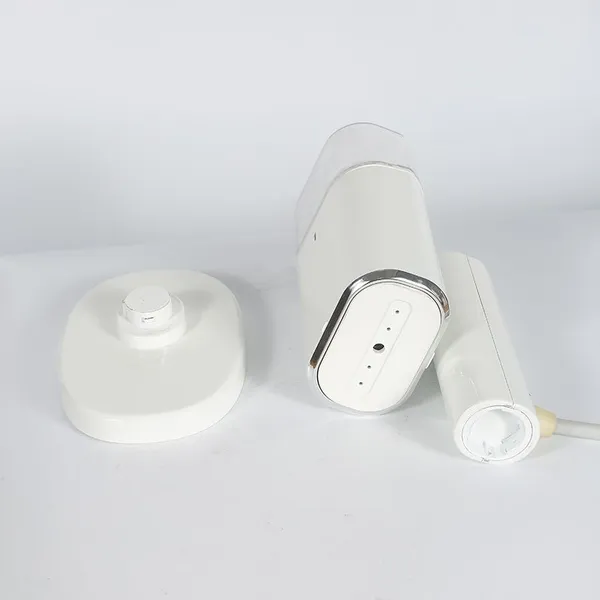


Related Products

01 Preparation
First, check the iron and the power supply. Ensure the iron is clean and free of any dirt or residue on the soleplate. Inspect the power cord for any damage, such as cracks or frayed wires. If you find any issues, do not use the iron and have it repaired or replaced.
Next, prepare the water. Most small steam electric irons have a water tank. Use clean, cold tap water. Avoid using distilled water in some irons as it may cause mineral buildup, but check the manufacturer's instructions for specific water recommendations. Fill the water tank to the recommended level, being careful not to overfill to prevent water from leaking during use.
Then, set up the ironing area. Place an ironing board on a stable, flat surface. Make sure the area is well - ventilated and away from any flammable materials. If you don't have an ironing board, you can use a clean, flat table covered with a thick towel.
02 Usage Steps
Plug the iron into a properly grounded power outlet. Wait for the iron to heat up. Most irons have temperature settings for different types of fabrics, such as cotton, linen, silk, and wool. Refer to the fabric care label on your garment to select the correct temperature. The iron will indicate when it has reached the set temperature, usually with a light that turns off or changes color.
Once the iron is heated, you can start ironing. For steam ironing, press the steam button or adjust the steam control to the desired level. Hold the iron slightly above the fabric and let the steam penetrate for a few seconds before ironing. Then, glide the iron smoothly over the fabric in straight lines, moving from one end to the other. Do not leave the iron in one spot for too long to avoid scorching the fabric.
For dry ironing (without steam), simply turn off the steam function or set it to the dry setting. Iron the fabric in the same smooth manner as with steam ironing.
Pay special attention to delicate fabrics like silk and wool. Use a lower temperature setting and consider placing a clean cloth or press cloth over the fabric to protect it from direct heat.
03 After Use
When you finish ironing, turn off the iron and unplug it from the power outlet. Hold the iron over a sink and empty any remaining water from the water tank. This helps prevent mineral deposits from forming inside the tank.
Let the iron cool down completely before storing it. Never put a hot iron away as it can damage other items or cause a fire hazard. Once cool, you can wrap the power cord neatly around the cord storage hooks (if the iron has them) to keep it organized.
Wipe the soleplate of the iron with a damp cloth to remove any fabric residue or starch. If there are stubborn stains, you can use a mild cleaner specifically designed for iron soleplates, following the product instructions.

Send Inquiry to This Supplier

You May Also Like
-
Multi-purpose Steam Cleaning MachineNegotiableMOQ: 500 Pieces
-
Deep Clean Vacuum CleanerNegotiableMOQ: 500 Pieces
-
Extractor Steam CleanerNegotiableMOQ: 500 Pieces
-
Carpet Cleaning ToolsNegotiableMOQ: 500 Pieces
-
Carpet Cleaning EquipmentNegotiableMOQ: 500 Pieces
-
Portable Fabric Spot Steam CleanerNegotiableMOQ: 500 Pieces
-
Trip Garment SteamerNegotiableMOQ: 500 Pieces
-
Cheap Cloth SteamerNegotiableMOQ: 500 Pieces
-
Cleaning ApplianceNegotiableMOQ: 500 Pieces
-
High - Pressure Steam CleanerNegotiableMOQ: 500 Pieces


