








 Contact Platform Support
 Help Center
Home > Chemicals > Rubber & Rubber Products > Other Rubber Products > Heavy-Duty Hydraulic Dam System - Durable Water Control Structure for Rivers & Reservoirs
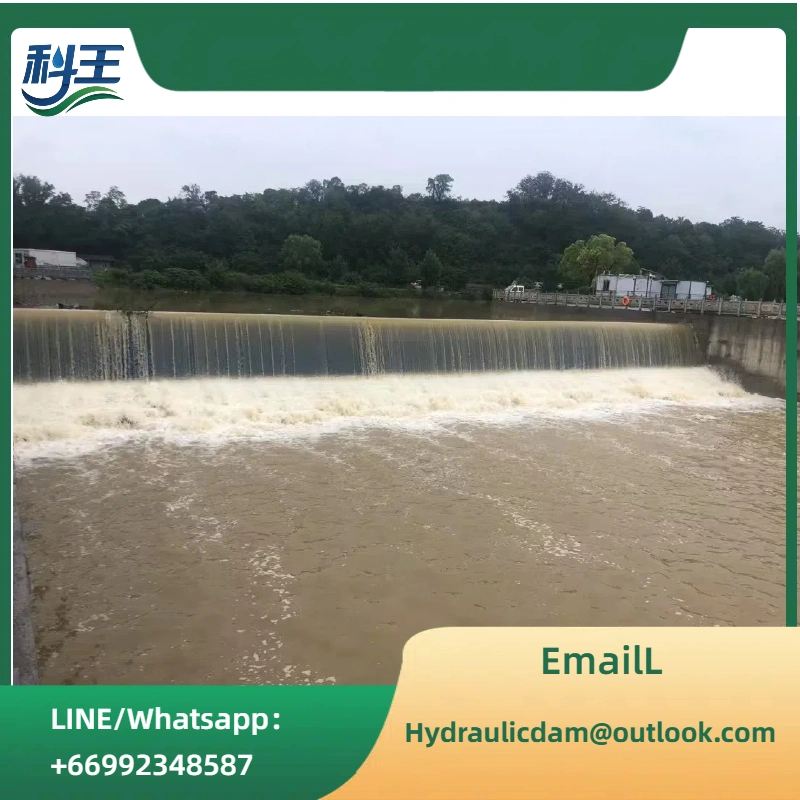
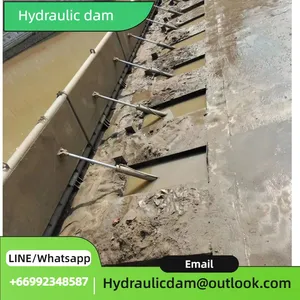
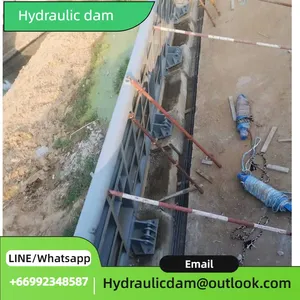
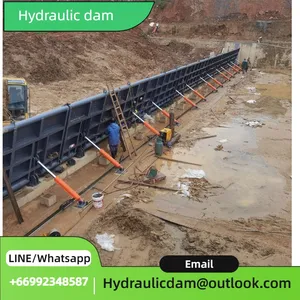
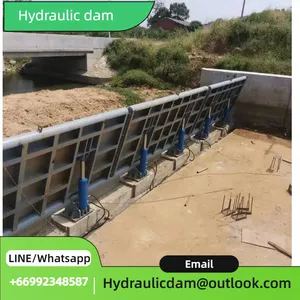
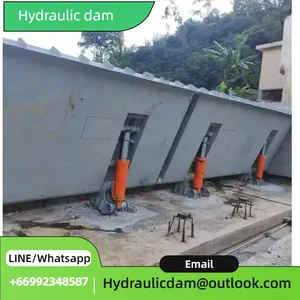
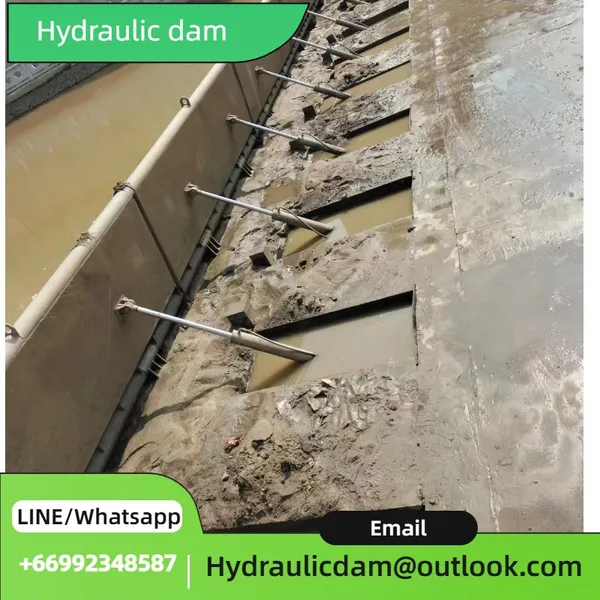
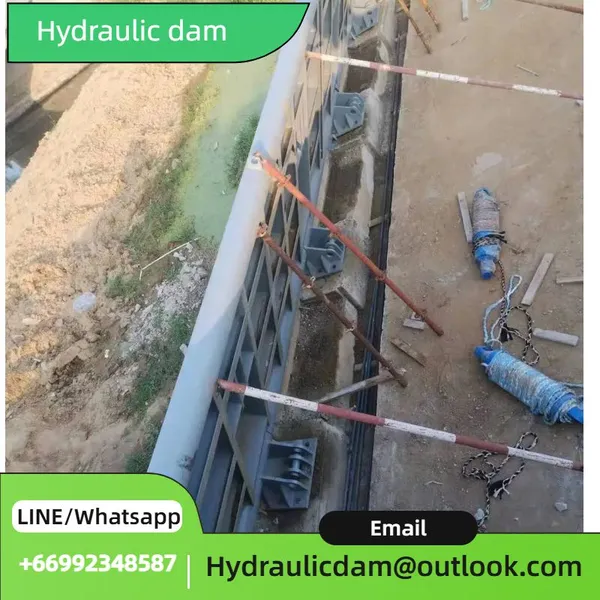
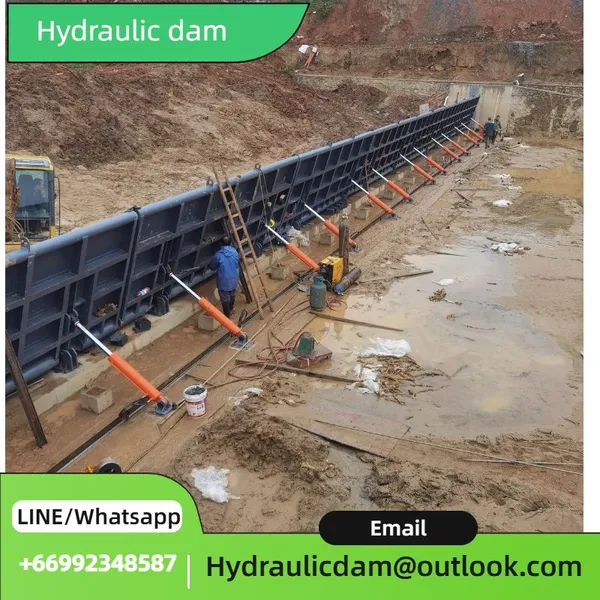
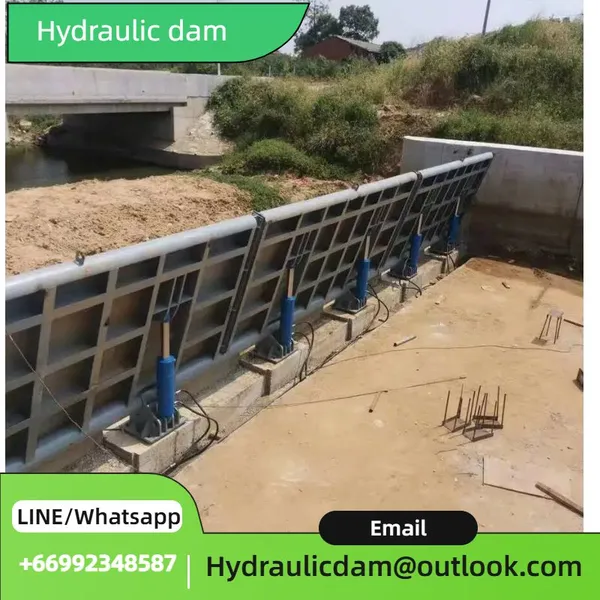
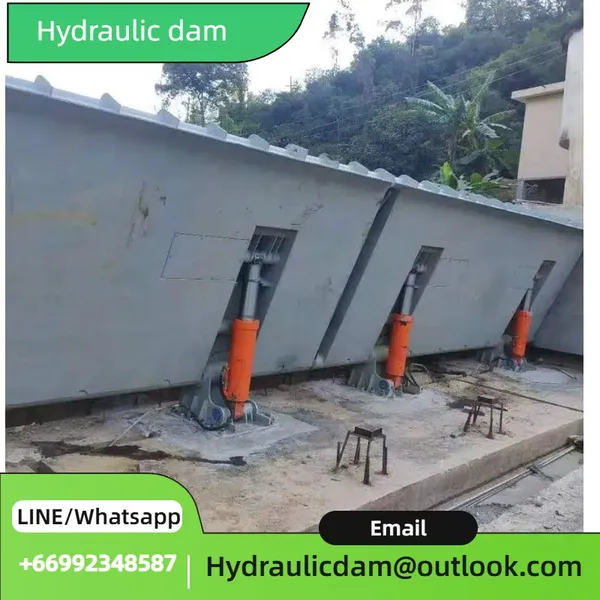
Heavy-Duty Hydraulic Dam System - Durable Water Control Structure for Rivers & Reservoirs
US$ 200
100 - 149 Meters
US$ 198
≥150 Meters
Key Specifications
Get Latest Price
Material:
EPDM
Usage:
Other, Rivers hold back water
Transport Package:
Bags
Payment & Shipping
Payment Methods:


Port of Shipment:
tianjin/qingdao
Delivery Detail:
15 days
Related Products
-
 Industrial-Grade Hydraulic Dam Kit - Anti-Corrosion Steel Construction With Remote ControlUS$ 198 - 200MOQ: 100 Meters
 -
Customizable Hydraulic Dam Solution - Suitable for Flood Control & Water Storage SystemsUS$ 198 - 200MOQ: 100 Meters
-
Steel Sluice Gate - Heavy-Duty for Water Conservancy Projects, Efficient Water RetentionUS$ 480 - 500MOQ: 5 Sets
-
Industrial Steel Water Gate - High Strength for Irrigation & Flood Control EngineeringUS$ 480 - 500MOQ: 5 Sets
-
Cast Iron Sluice Valve - Reliable Sealing Performance, Perfect for Water Conservancy RetentionUS$ 480 - 500MOQ: 5 Sets
Material
EPDM
Usage
Other, Rivers hold back water
Transport Package
Bags
Specification
customize
Trademark
Kewang
Origin
Hebei hengshui
Rubber Dams: An Introduction
1. Definition and Structure
Rubber dams, also known as inflatable dams, are a type of hydraulic structure. They are made of high - strength synthetic fiber fabrics as the load - bearing skeleton, with rubber coatings on both the inside and outside to form a protective layer. This processed fabric is then anchored to the bottom plate to create a closed - shaped dam bag. When filled with water or air through the filling and draining pipelines, it inflates to form a bag - like water - retaining dam.
The structure of a rubber dam mainly consists of three parts: the civil engineering part, which provides the foundation and support; the dam body (rubber dam bag), which is the key component for water retention; and the control and safety monitoring system, which is responsible for the operation and safety inspection of the rubber dam.
2. Working Principle
The working principle of a rubber dam is based on the inflation and deflation of the dam bag. When it is necessary to retain water, water or air is filled into the dam bag through the filling system. As the volume of the filling medium (water or air) increases, the internal pressure of the dam bag rises, causing the dam bag to expand and stand up, thereby blocking the water flow and raising the upstream water level.
Conversely, when it is time to release water, such as during flood control or when the upstream water level needs to be adjusted, the filling medium in the dam bag is drained through the drainage system. As the internal pressure of the dam bag decreases, the dam bag deflates and collapses under its own weight and the action of water pressure, allowing the water to flow downstream freely.
For example, in an air - filled rubber dam, a compressor located in the powerhouse on the riverside is used to pump air into the bladder of the dam bag through a control pipe to inflate the dam. The deflation process is carried out by electrically or pneumatically controlled valves. In a water - filled rubber dam, the water pressure in the dam bag is created based on the principle of communicating vessels. Water is pumped into a regulating shaft connected to the inside of the bladder by a pipeline (inlet/outlet pipe), and the height of the water column in the regulating shaft determines the internal pressure and the height of the inflated bladder.
3. Types of Rubber Dams
3.1 Air - filled Rubber Dams
In air - filled rubber dams, the bladder of the dam is filled with air. The dam remains erect mainly due to the air pressure inside the bladder. They are relatively simple in structure and do not require a large amount of water for inflation, which is suitable for some areas where water resources are scarce. However, they may be more affected by external forces such as wind.
3.2 Water - filled Rubber Dams
Water - filled rubber dams use water as the filling medium. The water pressure in the dam bag is generated according to the principle of communicating vessels. They are more stable in water - retaining performance and can better adapt to some complex hydraulic conditions. But the filling and draining time may be longer compared to air - filled rubber dams.
3.3 Other Special - shaped Rubber Dams
There are also some special - shaped rubber dams, such as bookend rubber dams. These dams have a fin that forms a rising angle after inflation, which can reduce vibration and abrasion. Shield - type rubber dams integrate the structure of traditional steel dams with a rubber bladder, providing a more robust and durable solution for water management.
4. Applications
4.1 Irrigation
Rubber dams can be used to raise the upstream water level, making it easier to divert water for irrigation. They can adjust the water level according to the needs of different crops and growth stages, ensuring the water supply for agricultural production.
4.2 Flood Control
During the flood season, rubber dams can be deflated to allow floodwaters to pass through smoothly, reducing the risk of flooding in the upstream area. In normal times, they can be inflated to store water and regulate the river flow.
4.3 Power Generation
For small - and medium - sized hydropower stations, rubber dams can be used to increase the water head, thereby improving the power generation capacity. By adjusting the height of the rubber dam, the water flow rate and water head can be optimized to achieve better power generation efficiency.
4.4 Environmental Improvement and Recreation
In urban areas, rubber dams can be used to create artificial lakes or improve the water environment of rivers. The colorful dam bags can also add beauty to the cityscape, providing a good place for citizens' leisure and entertainment. For example, in some urban parks, rubber dams are used to form beautiful water - scape areas.
5. Advantages of Rubber Dams
5.1 Low Cost
Compared with traditional dams and sluice gates, rubber dams can save 30% - 70% of investment. They require less steel, cement, and wood. For example, the construction of a rubber dam may only need a small amount of steel for the anchor system, while a traditional steel sluice gate needs a large amount of steel for the gate structure.
5.2 Short Construction Period
The installation of the dam bag usually only takes 3 - 15 days. Most rubber dam projects can be constructed and put into use in the same year, which can quickly meet the needs of water resource management.
5.3 Good Flexibility
The dam body is a flexible soft - shell structure, which can resist the impact of earthquakes, waves, etc. well. It also has a good water - stop effect and a large span. During the flood season, it does not block the water flow, which is beneficial to the natural flow of the river.
5.4 Easy Maintenance
Although rubber dams need to be regularly inspected, their maintenance work is relatively less compared to traditional structures. The service life of the rubber dam bag is generally 15 - 25 years. For example, unlike traditional steel gates that need to be regularly painted to prevent rust, rubber dams do not have such problems.
6. Disadvantages and Precautions
6.1 Vulnerability to Damage
The rubber dam bag is easily damaged by sharp objects in the river, such as floating logs with sharp ends or large stones. Therefore, it is necessary to strengthen the management of the river area and set up warning signs to prevent ships or floating objects from colliding with the dam bag.
6.2 Lifespan Limitation
In areas with strong ultraviolet rays, such as some high - altitude regions, the rubber dam bag ages relatively quickly, which may reduce its service life. In addition, in areas with severe siltation, regular dredging work is required after floods to prevent the accumulation of silt from affecting the normal operation of the rubber dam.
6.3 Operation and Management Requirements
Rubber dams need to be operated and maintained in strict accordance with the regulations. The internal pressure of the dam bag during inflation should not exceed the design pressure to avoid bursting of the dam bag. Regular inspections should be carried out, especially after floods, to check for any damage to the dam bag, such as punctures caused by floating objects, wear and tear between the dam bag and the bottom plate, and damage caused by the friction of river pebbles against the dam bag.

Send Inquiry to This Supplier


Year Established
2014
Annual Export Value
US$1 Million - US$1.5 Million
Total Employees
11 - 50 People
Product Certifications
QS9000, ISO9001
You May Also Like
-
Air-supported Barrier Dam - Quick Deployment, Perfect for Temporary Water Retention inUS$ 669 - 699MOQ: 2 Combos
-
Inflatable Rubber Dam - Reliable Water Blocking for Irrigation & Flood ControlUS$ 199 - 200MOQ: 100 Square Meters
-
Flexible Rubber Dam - Strong Water Retention Capacity for Water Conservancy EngineeringUS$ 199 - 200MOQ: 100 Square Meters
-
Water-Saving Rubber Dam - Efficient Water Blocking for Agricultural & Urban Water ManagementUS$ 199 - 200MOQ: 100 Square Meters
-
Durable Rubber Dam - Superior Water Retention for Hydraulic & River Regulation ProjectsUS$ 199 - 200MOQ: 100 Square Meters
-
Pneumatic Rubber Dam - Adjustable Water Retaining for Small to Large-Scale Water WorksUS$ 199 - 200MOQ: 100 Square Meters
-
Anti-Leak Rubber Dam - Effective Water Blocking for Gardens, Rivers & Industrial UseUS$ 199 - 200MOQ: 100 Square Meters
-
Bridge Inflatable Core Mold Octagonal Circular Rubber Airbag for Highway BridgesUS$ 180 - 200MOQ: 10 Combos
-
Closed Water Test, Thickened Rubber Airbag, Municipal Pipeline Water Blocking Airbag, Inflatable AirbagUS$ 180 - 200MOQ: 10 Combos
-
High Pressure Leak Sealing Airbag for Municipal Pipeline Water Blocking Airbag for Deep Water High-pressure Water Blocking and Leak PreventionUS$ 180 - 200MOQ: 10 Combos


