








 Contact Platform Support
 Help Center
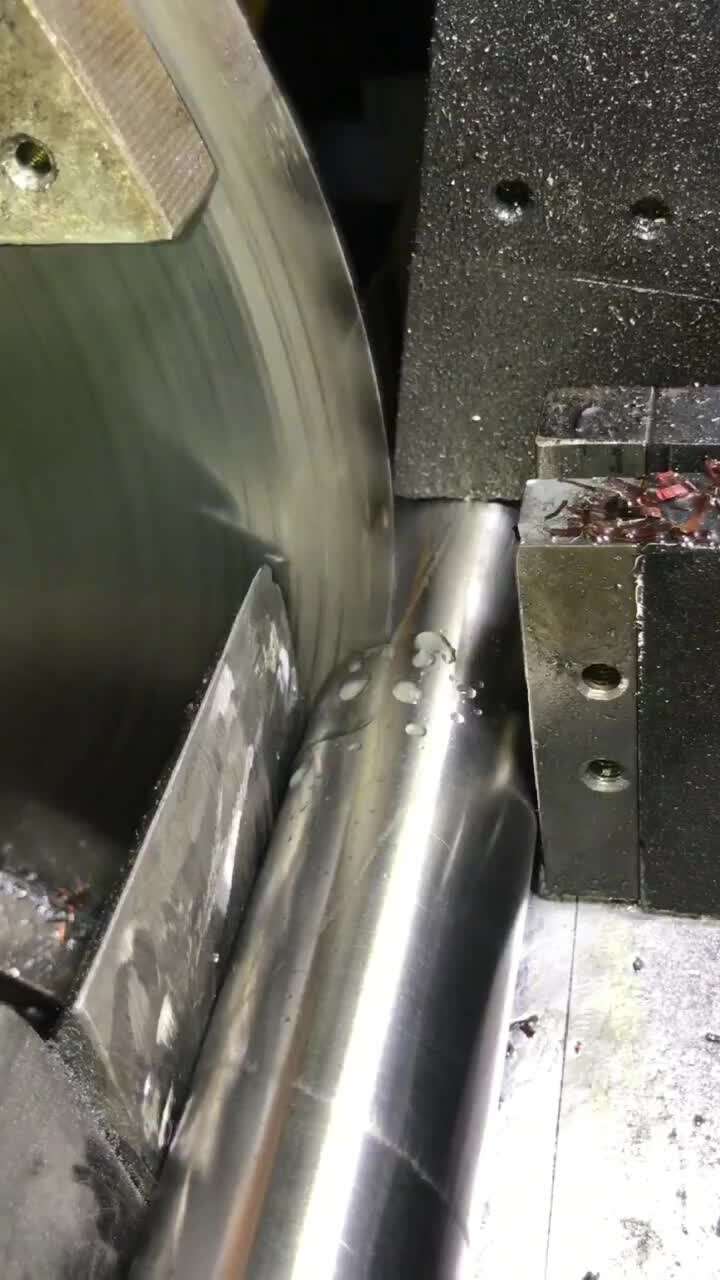
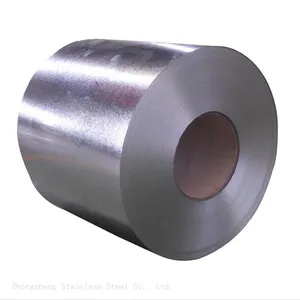
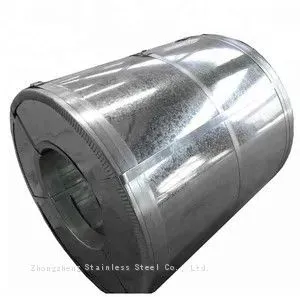
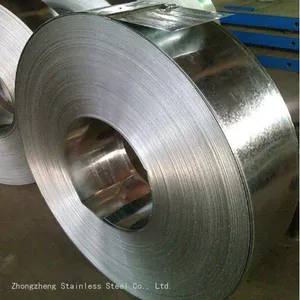
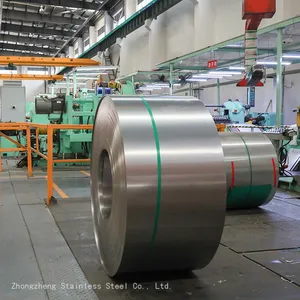
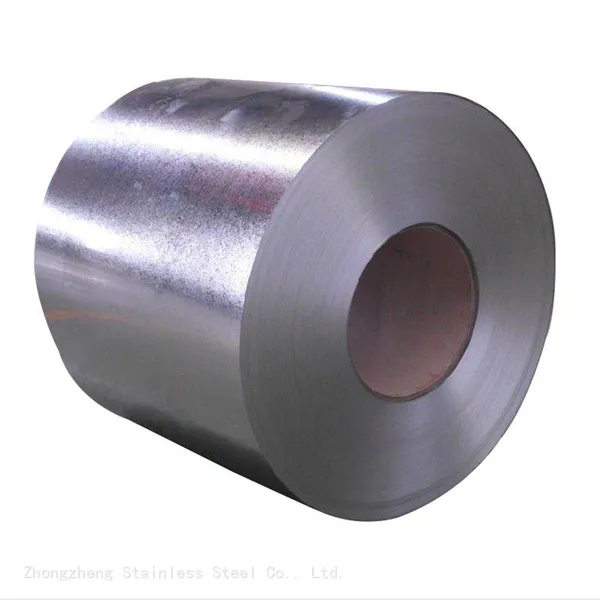
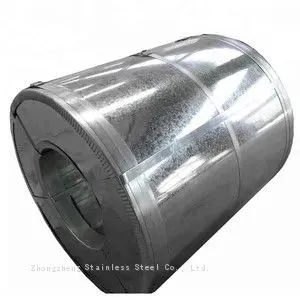
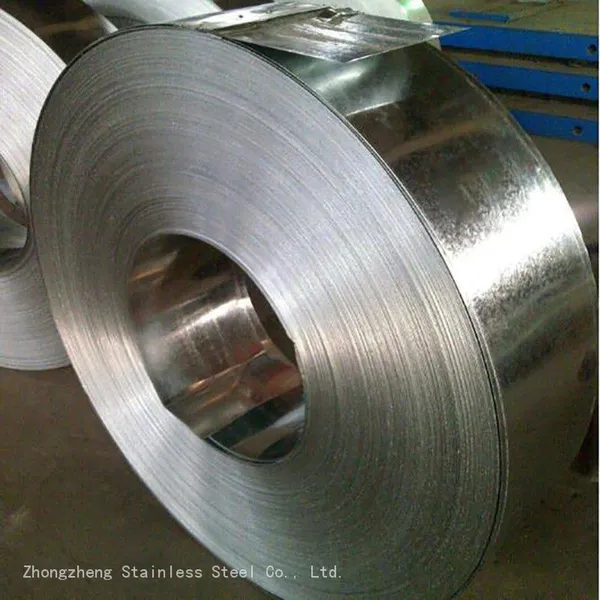
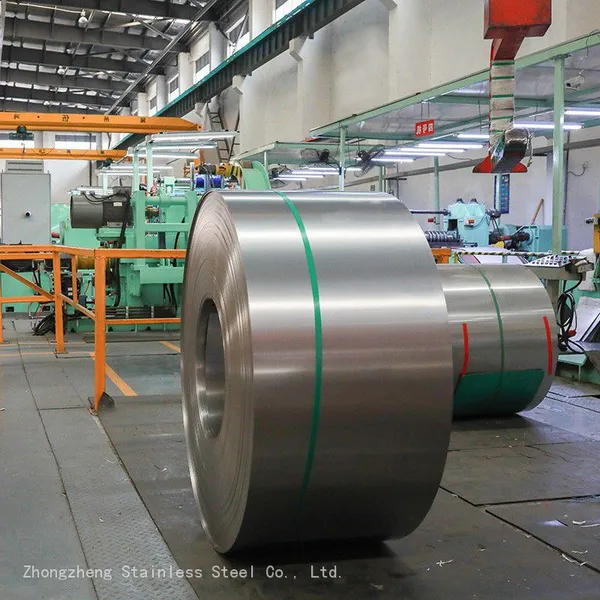
Hot Selling Duplex Stainless Steel Coils 2507 for Heat Exchangers



Related Products
-
 Newest Design S32750/1.4410/ASTM A790/2507 High Quality Stainless Steel Rod for Chemical Industry F53 Steel BarUS$ 35 - 50MOQ: 100 Kilograms
 -
Custom ASTM A276/Uns S32750/ASTM A240 Stainless Steel Plate for Desalination Equipment Duplex Steel 2507 SheetUS$ 25 - 35MOQ: 100 Kilograms
-
ASTM A276/ASTM A479/Uns S32750 Duplex Steel Sheet for Marine Industry and Shipbuilding F53 Stainless Steel PlateUS$ 25 - 35MOQ: 100 Kilograms
-
S32750 Stainless Steel Plate for Oil Equipment 2507 Duplex Steel SheetUS$ 25 - 35MOQ: 100 Kilograms
-
ASTM A240 Ss 201 202 304 316 409 410 430 J1 J2 J3 S32750 Cold Rolled 2b Ba 8K Mirror Hairline Surface Mill Edge Polished Stainless Steel Sheet CoilUS$ 2500 - 3500MOQ: 1 Ton
Introduction
Stainless steel Super Duplex 2507(F53) is designed to handle highly corrosive conditions and situations were high strength is required. High molybdenum, chromium and nitrogen content in Super Duplex 2507(F53) help the material withstand pitting and crevice corrosion. The material is also resistant to chloride stress corrosion cracking, to erosion corrosion, to corrosion fatigue, to general corrosion in acids. This alloy has good weldability and very high mechanical strength.
The following sections will discuss in detail about stainless steel grade Super Duplex 2507(F53).
Composition
The chemical composition of stainless steel grade Super Duplex 2507(F53) is outlined in the following table.
| Element | Content (%) |
| Chromium, Cr | 24 - 26 |
| Nickel, Ni | 6 - 8 |
| Molybdenum, Mo | 3 - 5 |
| Manganese, Mn | 1.20 max |
| Silicon, Si | 0.80 max |
| Copper, Cu | 0.50 max |
| Nitrogen, N | 0.24 - 0.32 |
| Phosphorous, P | 0.035 max |
| Carbon, C | 0.030 max |
| Sulfur, S | 0.020 max |
| Iron, Fe | Balance |
Grade Specification
| Grade | UNS | DIN | EN | AMS | ASTM | JIS | |
| 2507(F53) | S32750 | 1.4410 | ASTM A240 ASTM A790 ASTM A815 ASTM A182 ASTM A276 ASTM A476 ASTM A789 |
||||
Characteristic
General Corrosion
The high chromium and molybdenum content of 2507(F53) makes it extremely resistant to uniform corrosion by organic acids like formic and acetic acid. 2507(F53) also provides excellent resistance to inorganic acids, especially those containing chlorides.
In dilute sulfuric acid contaminated with chloride ions, 2507(F53) has better corrosion resistance than 904L, which is a highly alloyed austenitic steel grade specially designed to resist pure sulfuric acid.
Stainless steel of type 316L (2.5%Mo) cannot be used in hydrochloric acid due to the risk of localized and uniform corrosion. However, 2507(F53) can be used in dilute hydrochloric acid. Pitting need not be a risk in the zone below the borderline in this figure, but crevices must be avoided.
Intergranural Corrosion
2507's low carbon content greatly lowers the risk of carbide precipitation at the grain boundaries during heat treatment; therefore, the alloy is highly resistant to carbide-related intergranular corrosion.
Stress Corrosion Cracking
The duplex structure of 2507(F53) provides excellent resistance to chloride stress corrosion cracking (SCC). Because of its higher alloy content, 2507(F53) is superior to 2205 in corrosion resistance and strength. 2507(F53) is especially useful in offshore oil and gas applications and in wells with either naturally high brine levels or where brine has been injected to enhance recovery.
Pitting Corrosion
Different testing methods can be used to establish the pitting resistance of steels in chloride-containing solutions. The data above were measured by an electrochemical technique based on ASTM G 61. The critical pitting temperatures (CPT) of several high-performance steels in a 1M sodium chloride solution were determined. The results illustrate the excellent resistance of 2507(F53) to pitting corrosion. The normal data spread for each grade is indicated by the dark gray portion of the bar.
Crevice Corrosion
The presence of crevices, almost unavoidable in practical constructions and operations, makes stainless steels more susceptable to corrosion in chloride enviroments. 2507(F53) is highly resistant to crevice corrosion. The critical crevice corrosion temperatures of 2507(F53) and several other high-performance stainless steels are shown above.
Chemical Composition
The chemical composition of stainless steel grade Super Duplex 2507(F53) is outlined in the following table.
| Element | Content (%) |
| Chromium, Cr | 24 - 26 |
| Nickel, Ni | 6 - 8 |
| Molybdenum, Mo | 3 - 5 |
| Manganese, Mn | 1.20 max |
| Silicon, Si | 0.80 max |
| Copper, Cu | 0.50 max |
| Nitrogen, N | 0.24 - 0.32 |
| Phosphorous, P | 0.035 max |
| Carbon, C | 0.030 max |
| Sulfur, S | 0.020 max |
| Iron, Fe | Balance |
Physical Properties
The physical properties of stainless steel grade Super Duplex 2507(F53) are tabulated below.
| Properties | Metric | Imperial |
| Density | 7.8 g/cm3 | 0.281 lb/in3 |
| Melting point | 1350°C | 2460°F |
Processing methodHot Forming
2507 should be hot worked between 1875°F and 2250°F. This should be followed by a solution anneal at 1925°F minimum and a rapid air or water quench.Cold Forming
Most of the common stainless steel forming methods can be used for cold working 2507. The alloy has a higher yield strength and lower ductility than the austenitic steels so fabricators may find that higher forming forces, increased radius of bending, and increased allowance for springback are necessary. Deep drawing, stretch forming, and similar processes are more difficult to perform on 2507 than on an austenitic stainless steel. When forming requires more than 10% cold deformation, a solution anneal and quench are recommended.Heat Treatment
2507 should be solution annealed and quenched after either hot or cold forming. Solution annealing should be done at a minimum of 1925°F. Annealing should be followed immediately by a rapid air or water quench. To obtain maximum corrosion resistance, heat treated products should be pickled and rinsed.Welding
2507(F53) possesses good weldability and can be joined to itself or other materials by shielded metal arc welding (SMAW), gas tungsten arc welding (GTAW), plasma arc welding (PAW), flux cored wire (FCW), or submerged arc welding (SAW). 2507/P100 filler metal is suggested when welding 2507(F53) because it will produce the appropriate duplex weld structure.
Preheating of 2507(F53) is not necessary except to prevent condensation on cold metal. The interpass weld temperature should not exceed 300°F or the weld integrity can be adversely affected. The root should be shielded with argon or 90% N2/10% H2 purging gas for maximum corrosion resistance. The latter provides better corrosion resistance.
If welding is to be done on only one surface and post-weld cleaning is not possible, GTAW is suggested for root passes. GTAW or PAW should not be done without a filler metal unless post-weld cleanup is possible. A heat input of 5-38 kJ/in. should be used for SMAW or GTAW. A heat input of about 50kJ/in. can be used for SAW.
| Pipe Smls | Pipe Welded | Tube Smls | Tube Welded | Sheet/Plate | Bar | Flanges & Fittings |
| A790 | A790 | A789 | A789 | A240 | A276 | A182 |
Applications
Super Duplex 2507(F53) is widely used in the following sectors:
Products made using Super Duplex 2507 include:
Q1: Do you accept the trial order ?
A1: Yes,if we have the exactly size in stock.we can delivery even 1 piece/meter .
Q2: Can I have free sample before making orders?
Q3: How do you control the quality ?
A3: MTC and PMI will be sent before shipment,any 3rd party inspection if need .
Q4: How about your delivery time ?
A4: Generally delivery time is 15 working days .
Q5: How can I quickly get the price list ?
A5: Directly click "chat now" or send us email with detail specifications,you will get the official price list in 1 hour .

Send Inquiry to This Supplier



You May Also Like
-
S32750, 2507, S25073 Stainless Steel Plate. ASTM A240 StandardUS$ 2500 - 3500MOQ: 1 Ton
-
Martensitic Stainless Steel 309S 310S 904L 2205 0.3-100mm 2507 1.4410 ASTM A240 S32750 2507 Austenitic Stainless Steel CoilUS$ 2500 - 3500MOQ: 1 Ton
-
Acero Inoxidable AISI 2507/Uns S32750/Cr25ni7mo4n/F53/1.4410/ASTM A240/A276US$ 2600 - 6900MOQ: 2 Tons
-
Hot off The Shelf Acero Inoxidable AISI 2507/Uns S32750/Cr25ni7mo4n/F53/1.4410/ASTM A240/A276 Hot Rolled Cold Rolled Mirror Finish SheetUS$ 3000 - 6900MOQ: 1 Ton
-
Hot Sales 3re60 S21953 ASTM A240 Ss 304 316 321 310S 309S 430 Steel Plate 1- 6mm Aluminum/ Titanium/Inconel/Magnesium/ Stainless Steel SheetUS$ 2600 - 6900MOQ: 2 Tons
-
Golden Supplier Precise Stainless Steel Coils/strips/plates 304 316 310S Cold Rolled Ultra ThinUS$ 1500MOQ: 1 Ton
-
Hot Rolled 3mm 5mm 10mm Thickness AISI 304 304L 316L Stainless Steel PlateUS$ 1700MOQ: 1 Ton
-
Premium Customized Cold Rolled Stainless Steel Coil 300 SeriesUS$ 1100MOQ: 1 Ton
-
2205 Duplex Stainless Steel Sheet Price Imported From ChinaNegotiableMOQ: 100000 Tons
-
2024 Hot Sale 09crcusb Corrosion-Resistant Steel for ContainerNegotiableMOQ: 100000 Tons


