








 Contact Platform Support
 Help Center
Home > Metallurgy, Mineral & Energy > Steel & Products > Stainless Steel > Welded Tube, Stainless Steel A249 Grade TP 310HCb
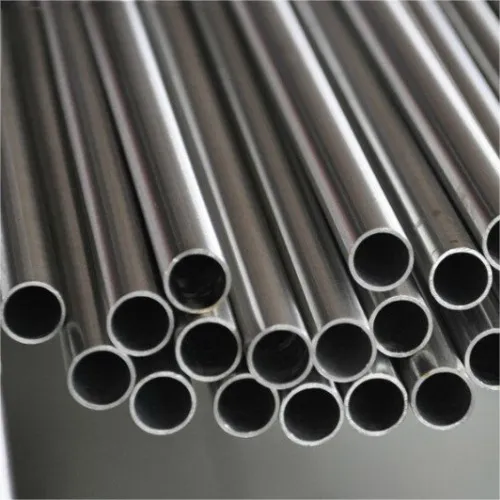
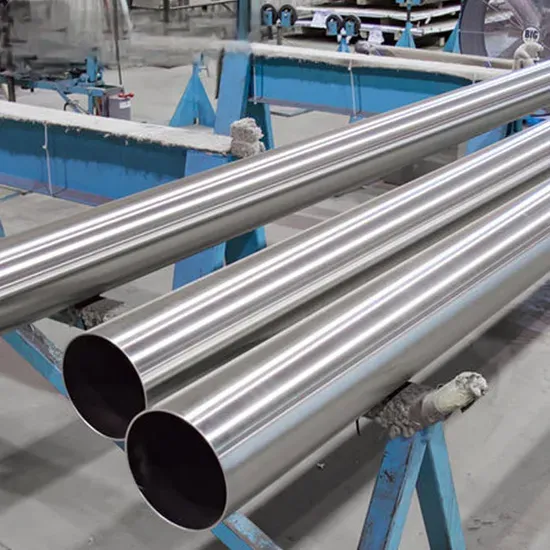
Welded Tube, Stainless Steel A249 Grade TP 310HCb
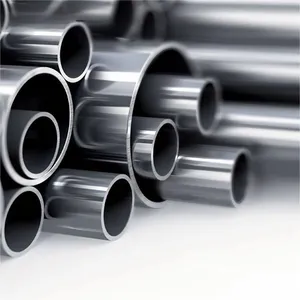
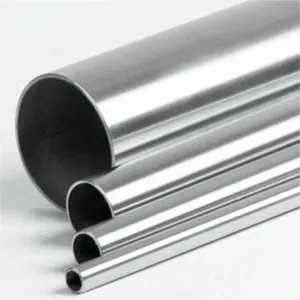
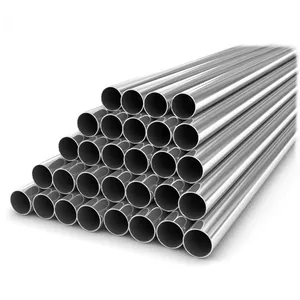
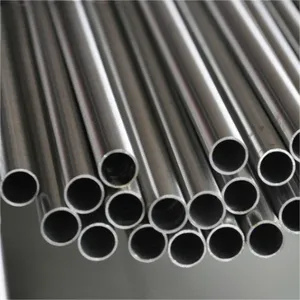
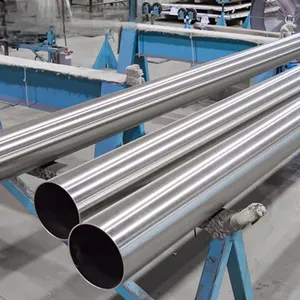
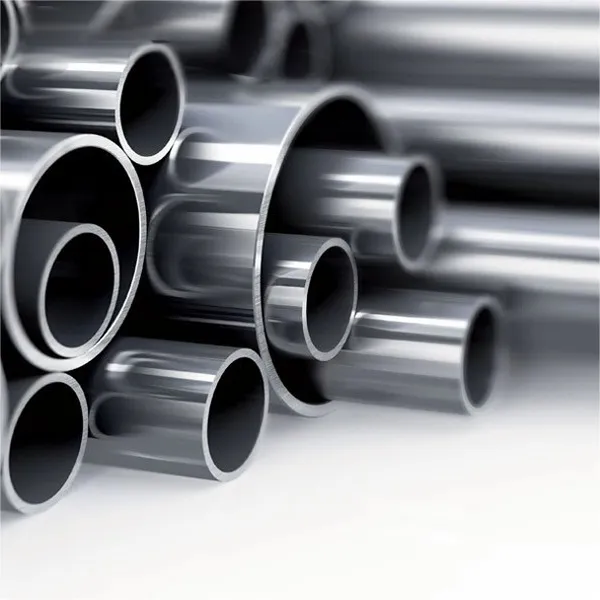
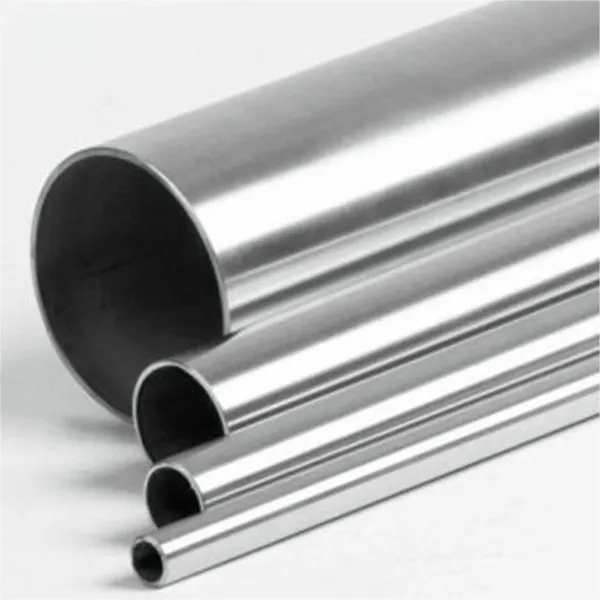
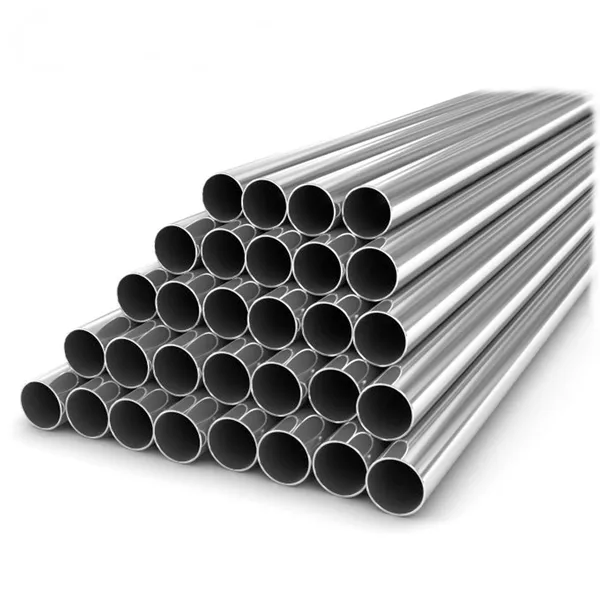
Negotiable
MOQ: 1 Ton (Price negotiable depending on order volume and customization)
Key Specifications
Get Latest Price
Main Markets:
North America, South America, Eastern Europe, Southeast Asia, Africa, Oceania, Mid East, Eastern Asia, Western Europe, Central America, Northern Europe, Southern Europe, South Asia, Domestic Market
Location:
Tianjin, China

Payment & Shipping
Payment Methods:

Port of Shipment:
NINGBO/SHANGHAI/TIANJIN/XIAMEN
Delivery Detail:
25 days
Related Products
-
 TP304/304L Tp316/316L ASTM A249 Welded Austenitic Stainless Steel Pipes for BoilerUS$ 28 - 35MOQ: 1 Piece
 -
A249 TP310H S31009 Welded Austenitic Steel Boiler, Superheater, Heat-Exchanger, and Condenser Tubes ASTM A249/A249M-2018US$ 28 - 35MOQ: 1 Piece
-
A249 TP310H S31009 Welded Austenitic Steel Boiler, Superheater, Heat-Exchanger, and Condenser Tubes ASTM A249/A249M-2018US$ 28 - 35MOQ: 1 Piece
-
ASTM A312 Austenitic Chromium Nickel Stainless Steel Tp309 Heat Exchanger Tube ManufacturerUS$ 28 - 35MOQ: 1 Piece
-
China Stainless Steel Round Tube 1/8"-32" Sanitary Smooth Seamless Pipe With ISO9001, ASTM A269NegotiableMOQ: 1 Ton
Model NO.
A249 stainless steel pipe
Certification
ISO, RoHS, IBR, AISI, ASTM, GB, EN, DIN, JIS
Shape
Round
Technique
Hot Rolled
Surface Treatment
Pickling
out Diameter
20-508mm
Thickness
1-50mm
Length
6m
Commodity
A249 Stainless Steel Tube
Transport Package
Export Standard Packing
Specification
42*2
Trademark
Shandong Zayi
Origin
China
HS Code
7304113000
Production Capacity
50000 Tons/Mont
asic Info.
Model NO.
Stainless Steel Seamless Tubes
Type
Seamless
Technique
Cold Drawn
Material
Stainless Steel
Surface Treatment
Polished
Usage
Pipeline Transport, Boiler Pipe, Hydraulic/Automobile Pipe, Oil/Gas Drilling, Food/Beverage/Dairy Products, Machinery Industry, Chemical Industry, Mining, Construction & Decoration, Special Purpose
Section Shape
Round
Material2
Austenitic Stainless Steel
Material3
Super Duplex Steel
Material4
Ferritic Stainless Steel
Material5
Martensitic Stainless Steel
Material6
Precipitation Hardened Stainless Steel
Material7
Urea Grade Stainless Steel Pipe
Applicaiton
Nuclear Power/Electric Power/Oil Refining
Applicaiton2
Oil and Gas Exploitation
Applicaiton3
Coal Chemical Industry
Applicaiton4
Fine Chemical Industry/Natural Gas
Applicaiton5
Offshore Engineering&Shipbuilding
Applicaiton6
Sanitary Tubes/Instrumentation Tubing
Applicaiton7
Seawater Desalination&Water Treatment
Applicaiton8
Heat Exchanger/Radiator/Steam Boiler
Applicaiton9
Metallurgy/Oil Exploitation
Transport Package
Plywood Cases/Plastic Bags Bundled/U Tube Packing
Specification
OD 6.35-168.3mm
Trademark
ZHONGZHENG
Origin
China
HS Code
730441
Production Capacity
200000 Tons/Year
| Name: | Welded Tube, Stainless steel A249 Grade TP 310HCb | |||||||||||
| Standard Specification for Welded Austenitic Steel Boiler, Superheater, Heat- Exchanger, and Condenser Tubes This standard is issued under the fixed designation A 249/A 249M; the number immediately following the designation indicates the year of original adoption or, in the case of revision, the year of last revision. A number in parentheses indicates the year of last reapproval. A superscript epsilon (e) indicates an editorial change since the last revision or reapproval. This standard has been approved for use by agencies of the Department of Defense. | ||||||||||||
| Scope | ||||||||||||
| This specification covers nominal-wall-thickness welded tubes and heavily cold worked welded tubes made from the austenitic steels listed in Table 1, with various grades intended for such use as boiler, superheater, heat exchanger, or condenser tubes. Grades TP304H, TP309H, TP309HCb, TP310H, TP310HCb, TP316H, TP321H, TP347H, and TP348H are modifications of Grades TP304, TP309S, TP309Cb, TP310S, TP310Cb, TP316, TP321, TP347, and TP348, and are intended for high temperature service such as for superheaters and reheaters. The tubing sizes and thicknesses usually furnished to this specification are 1⁄8 in. [3.2 mm] in inside diameter to 12 in. [304.8 mm] in outside diameter and 0.015 to 0.320 in. [0.4 to 8.1 mm], inclusive, in wall thickness. Tubing having other dimensions may be furnished, provided such tubes comply with all other requirements of this specification. Mechanical property requirements do not apply to tubing smaller than 1⁄8 in. [3.2 mm] in inside diameter or 0.015 in. [0.4 mm] in thickness. Optional supplementary requirements are provided and, when one or more of these are desired, each shall be so stated in the order. The values stated in either inch-pound units or SI units are to be regarded separately as standard. Within the text, the SI units are shown in brackets. The values stated in each system are not exact equivalents; therefore, each system must be used independently of the other. Combining values from the two systems may result in nonconformance with the specification. The inch-pound units shall apply unless the “M” designation of this specification is specified in the order. The following safety hazards caveat pertains only to the test method described in the Supplementary Requirements of this specification. This standard does not purport to address all of the safety concerns, if any, associated with its use. It is the responsibility of the user of this standard to establish appropriate safety and health practices and determine the applicability of regulatory limitations prior to use. A specific warning statement is given in Supplementary Requirement S7, Note S7.1. | ||||||||||||
| Manufacture | ||||||||||||
| The welded (WLD) tubes shall be made from flat-rolled steel by an automatic welding process with no addition of filler metal. Subsequent to welding and prior to final heat treatment, the tubes shall be cold worked either in both weld and base metal or in weld metal only. The method of cold working may be specified by the purchaser. When cold drawn, the purchaser may specify the minimum amount of reduction in cross-sectional area or wall thickness, or both. Heavily cold worked (HCW) tubes shall be made by applying cold working of not less than 35 % reduction in both wall and weld to a welded tube prior to the final anneal. No filler metal shall be used in the making of the weld. Prior to cold working, the weld shall be 100 % radiographically inspected in accordance with the requirements of ASME Boiler and Pressure Vessel Code, Section VIII, Division 1, latest revision, Paragraph UW 51. | ||||||||||||
| Chemical Requirements, %A | ||||||||||||
| Grade | UNS DesignationB |
Carbon | Manganese | Phosphorous | Sulfur | Silicon | Chromium | Nickel | Molybdenum | NitrogenC | Copper | Other |
| TP 310HCb | S31041 | 0.04–0.10 | 2.00 | 0.045 | 0.030 | 1.00 | 24.0–26.0 | 19.0–22.0 | … | … | … | Cb 10x C-1.10 |
| … | S31050 | 0.030 | 2.00 | 0.030 | 0.015 | 0.40 | 24.0–26.0 | 21.0–23.0 | 2.00–3.00 | 0.10–0.16 | … | … |
| … | S31254 | 0.020 | 1.00 | 0.030 | 0.010 | 0.80 | 19.5–20.5 | 17.5–18.5 | 6.0–6.5 | 0.18–0.25 | 0.50–1.00 | … |
| … | S31277 | 0.020 | 3.00 | 0.030 | 0.010 | 0.50 | 20.5–23.0 | 26.0–28.0 | 6.5–8.0 | 0.30–0.40 | 0.50–1.50 | … |
| A Maximum, unless otherwise indicated. B New designation established in accordance with Practice E 527 and SAE J1086. C The method of analysis for nitrogen shall be a matter of agreement between the purchaser and manufacturer. D For small diameter or thin walls, or both, where many drawing passes are required, a carbon maximum of 0.040 % is necessary in Grades TP 310HCbL and TP 316L. Small outside diameter tubes are defined as those less than 0.500 in. [12.7 mm] in outside diameter and light wall are those less than 0.049 in. [1.2 mm] in minimum wall thickness. | ||||||||||||
| Heat Treatment Requirements | ||||||||||||
| Grade | UNS Number | Solutioning Temperature, min or range | Quenching Method | |||||||||
| All grades not individually listed below | 1900 °F [1040 °C]A | B | ||||||||||
| … | S30815 | 1920 °F [1050 °C]B | B | |||||||||
| TP 310HCbCb | S30941 | 1900 °F [1040 °C]C B | B | |||||||||
| TP 310HCb | S31009 | 1900 °F [1040 °C] B | B | |||||||||
| TP 310HCbCb | S31041 | 1900 °F [1040 °C]C B | B | |||||||||
| … | S31254 | 2100 °F [1150 °C] B | B | |||||||||
| … | S31277 | 2050 °F [1120 °C] B | B | |||||||||
| TP 316H | S31609 | 1900 °F [1040 °C] B | B | |||||||||
| … | S31727 | 1975 °F [1080 °C]– B | B | |||||||||
| 2155 °F [1180 °C] B | B | |||||||||||
| … | S32053 | 1975 °F [1080 °C]– B | B | |||||||||
| TP 321 | S32100 | 2155 °F [1180 °C] B 1900 °F [1040 °C]C B |
B | |||||||||
| TP 321H | S32109 | 2000 °F [1100 °C]C B | B | |||||||||
| … | S32654 | 2100 °F [1150 °C] B | B | |||||||||
| … | S33228 | 2050 °F [1120 °C] B | B | |||||||||
| … | S34565 | 2050 °F [1120 °C]– B | B | |||||||||
| TP 347 | S34700 | 2140 °F [1170 °C] B 1900 °F [1040 °C]C B |
B | |||||||||
| TP 347H | S34709 | 2000 °F [1100 °C]C B | B | |||||||||
| TP 348 | S34800 | 1900 °F [1040 °C]C B | B | |||||||||
| TP 348H | S34809 | 2000 °F [1100 °C]C B | B | |||||||||
| … | S35045 | 2000 °F [1100 °C] D | D | |||||||||
| … | S38815 | 1950 °F [1065 °C] B | B | |||||||||
| … | N08367 | 2025 °F [1110 °C] B | B | |||||||||
| … | N08904 | 2000 °F [1100 °C] B | B | |||||||||
| … | N08926 | 2010 °F [1105 °C] B | B | |||||||||
| AQuenched in water or rapidly cooled by other methods, at a rate sufficient to prevent reprecipitation of carbides, as demonstrated by the capability of passing Practices A 262, Practice E. The manufacturer is not required to run the test unless it is specified on the purchase order (See Supplementary Requirement S6). Note that Practices A 262 requires the test to be performed on sensitized specimens in the low carbon and stabilized types and on specimens representative of the as-shipped condition of the other types. In the case of low-carbon types containing 3 % or more molybdenum, the applicability of the sensitizing treatment prior to testing shall be a matter for negotiation between the seller and purchaser. BQuenched in water or rapidly cooled by other methods. CA solution treating temperature above 1950 °F [1065 °C] may impair resistance to intergranular corrosion after subsequent exposure to sensitizing conditions in the indicated grades. When specified by the purchaser, a lower temperature stabilization or re-solution anneal shall be used subsequent to the higher-temperature solution anneal prescribed in this table. DCooled in still air, or faster. | ||||||||||||
| All material shall be furnished in the heat-treated condition in accordance with the requirements. A solution annealing temperature above 1950 °F [1065 °C] may impair the resistance to intergranular corrosion after subsequent exposure to sensitizing conditions in TP309HCb, TP310HCb, TP321, TP321H, TP347, TP347H, TP348, and TP348H. When specified by the purchaser, a lower temperature stabilization or re-solution anneal shall be used subsequent to the initial high temperature solution anneal. | ||||||||||||
| Number of Tubes in a Lot Heat Treated by the Continuous Process | ||||||||||||
| Size of Tube | Size of Lot | |||||||||||
| 2 in. [50.8 mm] and over in outside diameter and 0.200 in. [5.1 mm] and over in wall thickness |
not more than 50 tubes | |||||||||||
| Less than 2 in. [50.8 mm] but over 1 in. [25.4 mm] in outside diameter or over 1 in. [25.4 mm] in outside diameter and under 0.200 in. [5.1 mm] in wall thickness |
not more than 75 tubes | |||||||||||
| 1 in. [25.4 mm] or less in outside diameter | not more than 125 tubes | |||||||||||
Call to Action (CTA)
📞 Contact Now for Best Price!
📧 Email: jane@zjzzgy.cn
💬 WhatsApp: +86 19005872308

Send Inquiry to This Supplier


2Yrs

Main Markets
North America, South America, Eastern Europe, Southeast Asia, Africa, Oceania, Mid East, Eastern Asia, Western Europe, Central America, Northern Europe, Southern Europe, South Asia, Domestic Market
Location
Tianjin, China
You May Also Like
-
Polish Finish SS316 Seamless Ss AISI 304 Stainless Steel Tube Sanitary PipeNegotiableMOQ: 1 Ton
-
Factory Direct Sale PED TUV 316 316L 316 Stainless Steel Polished Sanitary Tube Seamless Stainless Steel PipeNegotiableMOQ: 1 Ton
-
8 Inch 304 304L 316 316L Sanitary Seamless Stainless Steel Pipe TubeNegotiableMOQ: 1 Ton
-
Food Grade 304 304L 316 316L 310S 321 Ss Pipe Sanitary Seamless Stainless Steel Round TubeNegotiableMOQ: 1 Ton
-
Hot Round China Seamless Welded Sanitary 316 Pipe Stainless Steel Tube With GBNegotiableMOQ: 1 Ton
-
ASTM JIS Approved 6mm-630mm Diameter Customize 304 Round Stainless Steel Pipe Seamless Pipe/TubeNegotiableMOQ: 1 Ton
-
304 304L 316 316L 310S 321 Sanitary Seamless Stainless Steel Tube / Ss PipeNegotiableMOQ: 1 Ton
-
High Purity Clean Stainless Steel Sanitary Pipe ASTM 304 316 Polished Round Seamless TubeNegotiableMOQ: 1 Ton
-
Premium Quality ASTM A312 TP304 Schedule 10 Cold Drawn Seamless Polished Round Inox Ss Tubes Stainless Steel Pipes for Sanitary Piping Price Per TonNegotiableMOQ: 1 Ton
-
ASTM A270 SMS 3008 AISI 201 304 316 309 304L 316L Sanitary Tube WeldedNegotiableMOQ: 1 Ton


