








 Contact Platform Support
 Help Center
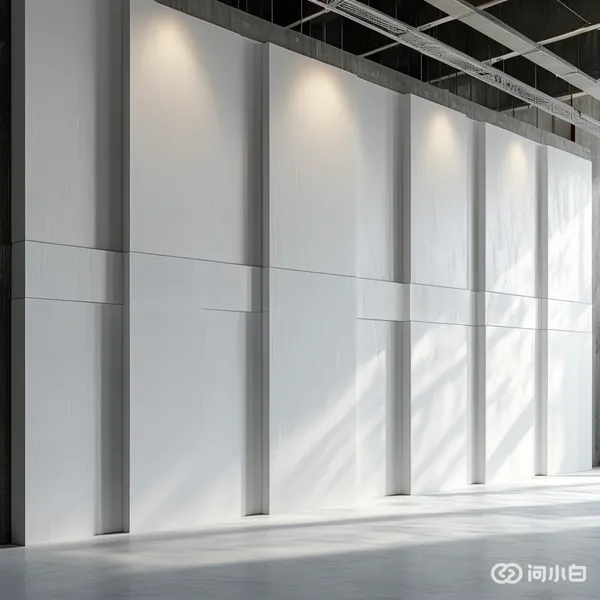
AS5637.1 Group 1 Fire Test of Simulated Decorative Wall Panels

Related Products
-
 AS 5637.1 Group 1 Fire Test of Simulated Decorative Wall PanelsUS$ 1000MOQ: 1 Piece
 -
Analysis of the Possibility of FRP Meeting BS476-7 Class 1 Fire TestUS$ 1000MOQ: 1 Piece
-
EN 13501-2 Fire Resistance Test of Container Composite Wall PanelsUS$ 1000MOQ: 1 Piece
-
ASTM E119 Fire Resistance TestUS$ 1000MOQ: 1 Piece
-
Fire Test Requirements of BS476-7US$ 1000MOQ: 1 Piece
AS 5637.1 is a standard for determining the fire hazard characteristics of wall and ceiling linings. It is based on the results of the AS 3837 heat release rate test (small area method) or the ISO 9705 full-scale room combustion test (large area method) for grade assessment.
Generally, decorative materials are generally tested according to the Australian standard AS 3837 and then graded according to AS 5637.1AS3837-Reaction to Fire Test-Heat Release Rate Test Standard for Building Materials, while AS 3837 is a test method based on the heat release rate test standard ISO 5660. Except for the smoke test, other test methods and test equipment of the ISO test method are based on the ASTM E1354 standard, using an oxygen consumption calorimeter to test the heat release and visible smoke release of materials and products.
Test sample requirementsIf AS 3837 is used for testing, the sample must be 100mm×100mm×actual thickness (not exceeding 50mm).
Test itemsHeat release rate: Determined by oxygen consumption. The heat release rate of Group 1 materials during the test is low, and its peak and average values must meet the limits specified in the standard.
Effective heat of combustion value and material mass loss rate: Along with the heat release rate test, the mass loss rate of the sample is measured to calculate the effective heat of combustion value. The effective heat of combustion value and mass loss rate of Group 1 materials should be within a certain range.
Smoke release rate: The smoke release rate is determined by measuring the light shielding of the combustion products. The amount of smoke generated during the combustion of Group 1 materials is small and the smoke generation rate is low.
Flammability: The time from initial exposure to sustained combustion is measured. Group 1 materials have higher ignition difficulty and longer ignition delay period.
AS 5637.1 Procedure for the assessment of internal wall and ceiling linings(a) their tendency to burn;(b) their release of heat once ignited;(c) their tendency to cause flashover;(d) their tendency to release smoke; and(e) their contribution to the growth of a fire, and the determination of the number of groups, the smoke growth rate index (SMOGRARC) and, if required, the average specific extinguishing area (ASEA)

Send Inquiry to This Supplier

You May Also Like
-
GB 8624 Fire Test to Building Material and ProductsUS$ 200 - 550MOQ: 1 Piece
-
GB 8624 Fire Test to Building Material and ProductsNegotiableMOQ: 1 Piece
-
BS 476-22 Fire Resistance Test to Building MaterialNegotiableMOQ: 1 Piece
-
EN 13501-1: Fire Test to Building MaterialNegotiableMOQ: 1 Piece
-
Australian AS1530.4 Fire Resistance Test StandardUS$ 1000MOQ: 1 Piece
-
Australian Standard AS1530.3 Fire TestUS$ 1000MOQ: 1 Piece
-
Common Knowledge Points of Australian AS1530.4 Fire Resistance TestUS$ 1000MOQ: 1 Piece
-
ECE R118 Fire Resistance Test: Essential Guide for Vehicle Material ComplianceNegotiableMOQ: 1 Piece
-
Understanding FMVSS 302: The Fire Safety Standard for VehiclesNegotiableMOQ: 1 Piece
-
BS 5852 Core PointsUS$ 1000MOQ: 1 Piece
