Contact Platform Support
 Help Center
Adsorption Resin Method Separation of Natural Food Additives
Negotiable
MOQ: 1 Bag (Price negotiable depending on order volume and customization)
Key Specifications
Get Latest Price
Main Markets:
North America, South America, Eastern Europe, Southeast Asia, Africa, Oceania, Mid East, Eastern Asia, Western Europe, Central America, Northern Europe, Southern Europe, South Asia, Domestic Market
Payment & Shipping
Payment Methods:


Port of Shipment:
China
Delivery Detail:
Delivery time depends on order quantity.
Related Products
-
 Lycium Barbarum Polysaccharide Purification ResinNegotiableMOQ: 1 Bag
 -
Natural Vitamin E Extraction Ion Exchange ResinNegotiableMOQ: 1 Bag
-
Special Resin for Separation and Purification of AntibioticsNegotiableMOQ: 1 Bag
-
Macroporous Adsorbent Resin For7-ACA Recovery From Mother LiquorNegotiableMOQ: 1 Bag
-
Lycium Barbarum Polysaccharide Purification ResinNegotiableMOQ: 1 Bag
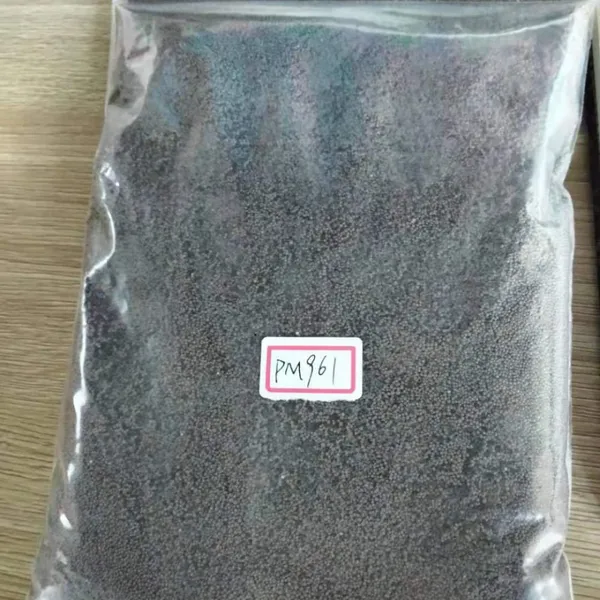
| Adsorption resin method separation of natural food additives Natural food additives are more and more attention, such products extraction, purification, often encounter low solution content, complex composition and so on. The application of adsorption resin separation of natural food additives can better achieve the separation and concentration of the double effect, and is suitable for large-scale application in production. Suzhou Bojie Resin Technology Co., Ltd. provides adsorption resin for the separation of natural food additives.The yield and purity of natural food additives with adsorption resin separation are high. Company URL : Taobao Shop Link : Related resins : Fruit Juice decolorization Resin Juice to bitter resin Sugar extraction in coconut juice Carrot Juice Purification Salt removal resin in wine Colloidal desalination (colloidal desalination resin) Sodium removal in milk Sugar Liquid decolorization resin (sugar liquid decolorization resin, sugar liquid processing resin) |

Send Inquiry to This Supplier


Main Markets
North America, South America, Eastern Europe, Southeast Asia, Africa, Oceania, Mid East, Eastern Asia, Western Europe, Central America, Northern Europe, Southern Europe, South Asia, Domestic Market
You May Also Like
-
Adsorption Resin Method Separation of Natural Food AdditivesNegotiableMOQ: 1 Bag
-
Macroporous Adsorbent Resin for Separation and Purification of AloesinNegotiableMOQ: 1 Bag
-
Lindera Aggregata Leaves Flavonoid Extract ResinNegotiableMOQ: 1 Bag
-
Separation and Purification of Total IsoflavonesNegotiableMOQ: 1 Short Ton
-
Cirsium Setosum Polysaccharide Separation and Purification ResinNegotiableMOQ: 1 Bag
-
Artemisia Argyi Pigment Extraction ResinNegotiableMOQ: 1 Bag
-
Macroporous Adsorption Resin for Separation and Purification of Peanut Shell PolyphenolsNegotiableMOQ: 1 Bag
-
Glycyrrhizin Adsorption ResinNegotiableMOQ: 1 Bag
-
Macroporous Resin Extraction of HydroxocobalaminNegotiableMOQ: 1 Bag
-
Plantain Flavonoid Extract ResinNegotiableMOQ: 1 Bag