








 Contact Platform Support
 Help Center
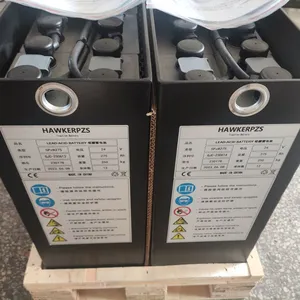
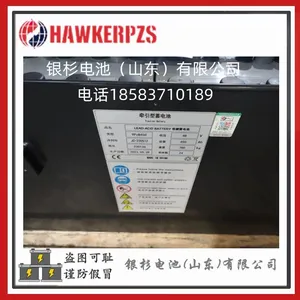
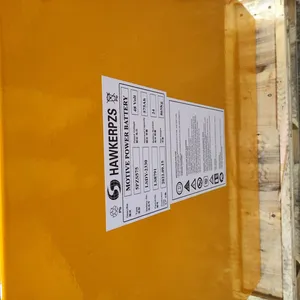
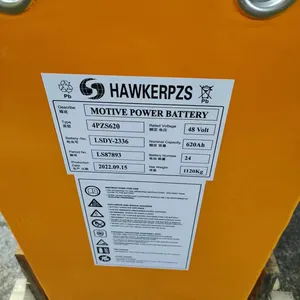
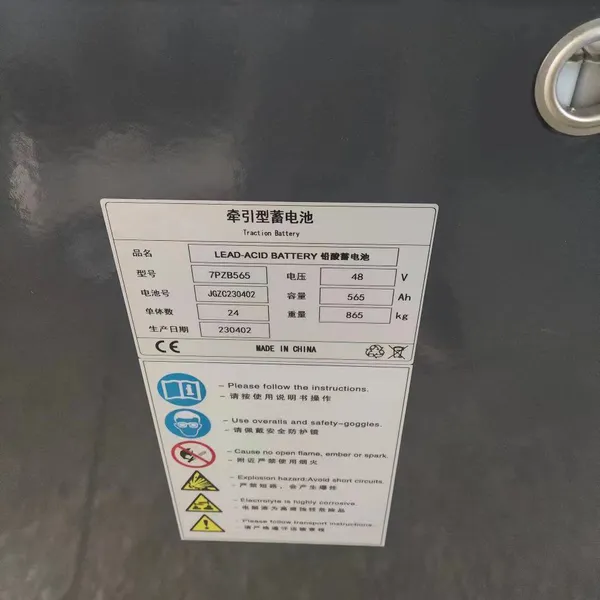
The Manufacturer Supplies 24-8PBS/640 Toyota Industrial Electric Forklift Batteries, 48V640Ah 8FBE20 Forklift Batteries


Product Spotlights



Related Products
-
 Solar Colloidal Battery AX12-33 HAWKERPZS Large Capacity UPS Power Supply 12V33AH PhotovoltaicUS$ 1750 - 1850MOQ: 1 Bag
 -
Hawker Battery AX12-26 12V26AH Power Generation Communication Base Station BatteryUS$ 471 - 514MOQ: 1 Bag
-
HAWKERPZS Battery 5PZS575 Valve Controlled 48V575AH Maintenance Free EPS DC ScreenUS$ 740 - 857MOQ: 1 Bag
-
Hawker Battery AX12-60 DC Screen 12V60AH Photovoltaic Room Power Facilities Base Station UPS Power SupplyUS$ 844 - 941MOQ: 1 Bag
-
Lind K10 Three-way Narrow Channel Forklift Battery 48V/5PZS700 Hawker Battery 700AHNegotiableMOQ: 1 Bag
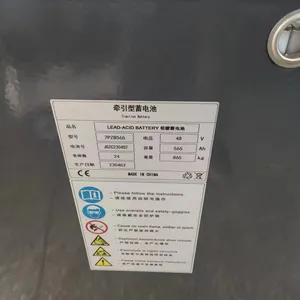
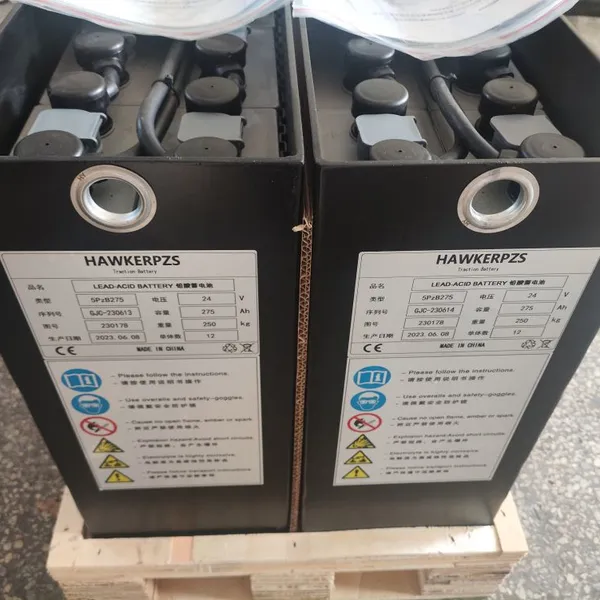
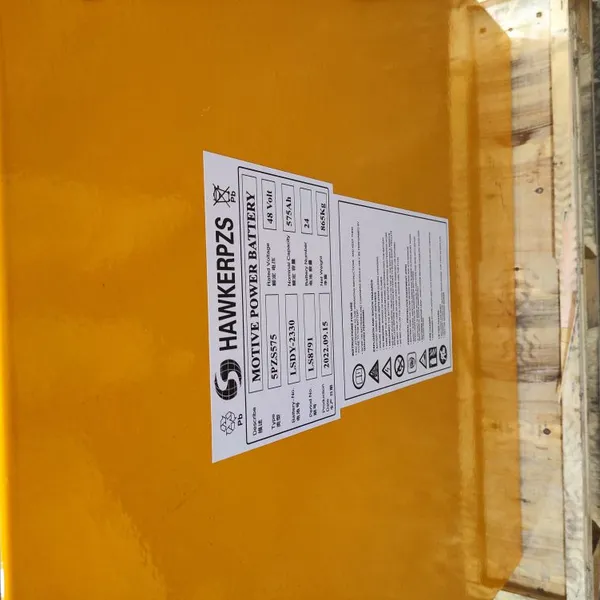
Brand: HAWKERPZS Applicable vehicle model: Toyota forklift 8FBN20 Voltage (V): 48 Capacity (Ah): 640 Iron box specification (mm): 990*632*635 Battery type: lead-acid battery Number of cells (pcs): 24
Knowledge on maintenance and care of electric forklift batteries
1. The discharge capacity of a battery is expressed in terms of a 5-hour rate, and its capacity varies depending on discharge conditions (discharge current, battery temperature, electrolyte density). That is, a larger discharge current results in a shorter usage time, while a smaller discharge current results in a longer usage time.
2. Avoid over-discharge and over-charging; over-discharge refers to the condition where the voltage of a single battery is lower than 1.7V and the electrolyte density is lower than 1.14g/cm3, making it difficult to restore to its optimal state through charging. Over-charging refers to the condition where the voltage of a single battery is higher than 2.6V and the electrolyte density reaches 1.28g/cm3, and continues to charge even after remaining basically unchanged for 2 to 3 hours. This will result in an excessive temperature rise of the electrolyte, leading to the aging of the electrode plates and separators. Both over-charging and over-discharging will shorten the service life of the battery.
3. When charging, be sure to open the cover of the battery pack and maintain a well-ventilated environment. If the electrolyte temperature exceeds 55℃ during charging, you must suspend or reduce the charging current.
4. No smoking or open flames, and no metal objects placed on the battery; the battery produces explosive hydrogen gas. If metal objects are placed on it, it will cause a short circuit fault, generating sparks. When hydrogen gas encounters fire, it can lead to an explosion. Therefore, it must be kept away from sources of ignition.
5. Keep the surface of the battery clean. During battery charging and discharging, a small amount of residual liquid may remain on the battery cover, causing a micro-short circuit, which can shorten the battery's lifespan and reduce charging efficiency. When cleaning the battery surface, it is strictly prohibited to allow wastewater to enter the interior of the battery.
6. The density of the electrolyte decreases during discharge and increases during charging. The electrolyte naturally decreases during use, so pure water should be refilled to maintain the specified liquid level (do not add dilute sulfuric acid); only when the electrolyte overflows can dilute sulfuric acid of the same density be added. It is strictly prohibited for impurities to enter the interior of the battery.
7. To prevent electrode plate vulcanization, batteries may undergo plate vulcanization during use and storage. Once the plates are vulcanized, their capacity will decrease. Under non-use conditions, the battery pack should be charged normally every 20 days. Under normal use conditions, an equalizing charge should be performed monthly to eliminate voltage unevenness among individual cells in the entire battery pack. It is strictly prohibited to use the battery without timely recharging.

Send Inquiry to This Supplier


You May Also Like
-
ATX12 Car Battery M720405B-24V-3PZV420 Maintenance Free BatteryNegotiableMOQ: 1 Bag
-
HAWKER Battery 3PZS330 Lind L14AP Electric Forklift Battery 24V 330AhNegotiableMOQ: 1 Bag
-
Linde R14S Electric Forward Moving Forklift Battery 48V/3PZS465 48v465ahUS$ 700MOQ: 1 Bag
-
Lind Electric Forklift 48V-6PzS840L Open Battery Lead Acid Battery Replacement SupplierUS$ 3000MOQ: 1 Bag
-
Maz Forklift Hawker Forklift Battery 48V1035Ah Hyster E70XL, E70XN 9PZS1035 Lead-acid BatteryNegotiableMOQ: 1 Bag
-
HAWKER48V400Ah Lead-acid Battery Forklift Battery 5PZS400 RechargeableNegotiableMOQ: 1 Bag
-
3PzS420 Hyster LO2.0 Storage Forklift Battery 24V 420Ah Silver Cedar Battery Lead Acid Battery ManufacturerUS$ 1000MOQ: 1 Bag
-
6EPzS690 Hyster E50XN Forklift Battery 48V690Ah HAWKER Traction Lead-acid BatteryNegotiableMOQ: 1 Bag
-
Hyster E35XN Forklift Battery 5Pz2575 HYSTER Lead-acid Battery Pack Rental WholesaleNegotiableMOQ: 1 Bag
-
HYSTER Forklift E65XN-40 Lead Acid Battery 9PzS990 48V990Ah Hyster Traction BatteryNegotiableMOQ: 1 Bag


