








 Contact Platform Support
 Help Center
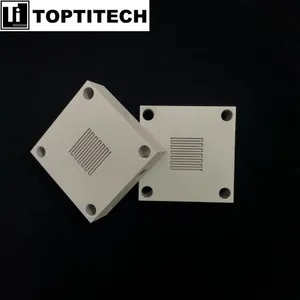
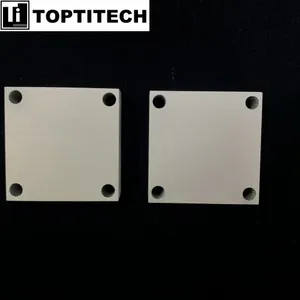
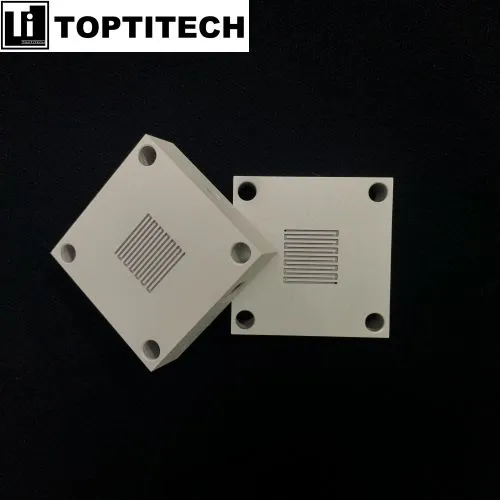
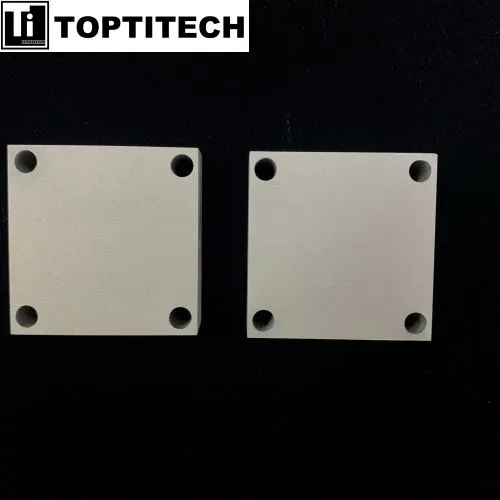
Platinum Coated Titanium Bipolar Plates for PEM Production Hydrogen



Related Products
-
 Customized GR2 Titanium FlangeUS$ 10 - 100MOQ: 1 Piece
 -
Customized Pure Titanium Ingots And Alloy Ingots From TopTiTechUS$ 10 - 100MOQ: 1 Piece
-
0.35mm Ti Mesh Composite Plate For PEM Bipolar SheetUS$ 3 - 100MOQ: 1 Piece
-
Titanium Mesh For Electrolizing From TopTiTechUS$ 3 - 100MOQ: 1 Piece
-
Titanium Electrode Plate for Water Treatment From ToptitechUS$ 3 - 100MOQ: 1 Piece
Product Introduction
Platinum-coated titanium bipolar plates are essential components in fuel cells, where titanium serves as a sturdy base material and platinum is applied as a thin layer to enhance electrical conductivity and catalytic activity. These plates play a vital role in facilitating electrochemical reactions within fuel cells, particularly in proton exchange membrane fuel cells (PEMFCs), by providing a durable and efficient platform for electricity generation. The combination of titanium's corrosion resistance and platinum's catalytic properties ensures improved performance, longevity, and reliability in harsh electrochemical environments, making them integral to the efficiency of fuel cell systems.
Specifications:
Material: pure titanium, titanium alloy, or others.
Size: 54*54*20mm, customized according to the drawings
Coating: Platinum
Coating thickness: 1 micron
Coating area: All sides
Type: Etching / Chemical Machining, Other Machining Services
Surface: Smooth and flat surface
Advantages of platinum-coated titanium bipolar plates in fuel cell applications:
1. Enhanced Catalyst Activity: The platinum coating on the titanium bipolar plates serves as a catalyst, promoting the necessary electrochemical reactions within the fuel cell. This leads to increased efficiency and improved overall performance of the fuel cell system.
2. Reduced Overpotential: Platinum-coated titanium bipolar plates help lower the overpotential required for various electrochemical reactions, which translates to more efficient conversion of chemical energy into electrical energy within the fuel cell.
3. Improved Heat Dissipation: The thermal conductivity of titanium combined with the catalytic properties of platinum allows for effective heat dissipation during fuel cell operation, contributing to the overall thermal management of the system.
4. Longevity and Durability: The corrosion-resistant nature of titanium, augmented by the protective platinum coating, enhances the durability and longevity of the bipolar plates, resulting in a longer service life for the fuel cell system.
5.Environmental Benefits: By enabling the efficient conversion of chemical energy into electricity, platinum-coated titanium bipolar plates contribute to the reduction of greenhouse gas emissions and help promote environmentally friendly energy generation.
What methods are there for platinum plating?
1. Electroplating:
Electroplating is a common method where an electric current is used to deposit platinum onto a conductive surface. The object to be plated is immersed in a solution containing platinum ions, and when an electric current is applied, the platinum ions are reduced and form a thin layer on the surface.
2. Electroless Plating:
Electroless plating is a chemical deposition process that does not require an external power source. In this method, a reducing agent is used to deposit platinum onto the surface of the object, providing a more uniform coating than electroplating.
3. Physical Vapor Deposition (PVD):
PVD involves the physical deposition of platinum atoms onto a surface through methods like sputtering or evaporation. This process is often used for more precise applications where control over the thickness and properties of the platinum layer is critical.
4. Chemical Vapor Deposition (CVD):
CVD is a process where platinum is deposited onto a surface through chemical reactions of volatile compounds. This method is suitable for coating complex shapes or internal surfaces.
5. Immersion Plating:
Immersion plating involves immersing an object into a solution that contains platinum ions. Through chemical reactions, the platinum ions are reduced and deposited onto the surface of the object.
6. Brush Plating:
Brush plating is a portable electroplating method that uses a brush-like applicator to selectively plate specific areas with platinum, making it suitable for repairing localized areas or for small-scale applications.
Applications:
1. Electrolysis Cells: Platinum-coated titanium bipolar plates are used in electrolysis cells for processes like water electrolysis to produce hydrogen and oxygen. The platinum catalyst aids in the electrolysis reactions, enabling efficient hydrogen production for fuel or industrial purposes.
2. Electrolyzers: In electrolyzer systems, platinum-coated titanium bipolar plates are utilized to facilitate the conversion of electricity into chemical energy, such as in the production of hydrogen by splitting water. These plates ensure the efficient operation of the electrolyzer and enhance overall system performance.
3. Electrochemical Sensors: Platinum-coated titanium bipolar plates can be employed in electrochemical sensors for detecting and measuring analytes in various applications, including environmental monitoring, medical diagnostics, and industrial processes. The platinum coating enhances the sensitivity and selectivity of the sensors.
4. Hydrogen Fuel Generation: Apart from fuel cells, platinum-coated titanium bipolar plates are also utilized in hydrogen generation systems where hydrogen is produced through chemical reactions. These plates help improve the efficiency and reliability of hydrogen generation processes.
Package and Shipment
1. Sintered Filters are usually packed in cartons, wrapped in soft film, and fixed in a box filled with industrial foam cotton, and the outer baler is packed with plastic bags with no damage during transportation.
2. Wooden box export packaging can also be customized. The foam cotton can be filled and fixed, the external box is sealed, the bottom is specified, the whole packaging is processed, and the goods can be delivered to the customer's designated place without damage.
Contact Us
TEL: +8619992203758
FAX: 0917-3873009
Email:karrykang@bjygti.com
Company: TOPTITECH -- BAOJI YINGGAOCO., LTD
Website:/
ADD: No. 195, Gaoxin Avenue, High-tech Development Zone, Baoji City, Shaanxi, China

Send Inquiry to This Supplier


You May Also Like
-
Sintered Porous Titanium Plate for PTL From ToptitechUS$ 3 - 100MOQ: 1 Piece
-
DSA Titanium Electrode for WatertreatmentUS$ 3 - 100MOQ: 1 Piece
-
30mesh Platinum Coated titanium anode mesh ScreenUS$ 3 - 100MOQ: 1 Piece
-
Titanium SpongeUS$ 10 - 13MOQ: 1 Kilogram
-
Titanium FoilUS$ 10 - 15MOQ: 1 Kilogram
-
Titanium Scrap Gr5 Titanium Scrap Turnings for Ferro TitaniumUS$ 10 - 13MOQ: 1 Kilogram
-
Customized Standard Gr1 Titanium Flange ManufacturerUS$ 10 - 50MOQ: 1 Piece
-
Mixed-metal Coated Titanium Anodes for Trivalent Chromium PlatingUS$ 10 - 100MOQ: 1 Piece
-
2mm GR1 Seamless Titanium Capillary Tube for MedicalUS$ 5 - 30MOQ: 1 Piece
-
Titanium Bipolar Electrolyser Plate for Fuel CellUS$ 3 - 100MOQ: 1 Piece


