Contact Platform Support
 Help Center
Home > Chemicals > Other Chemicals > CAS 9005-37-2 Propylene Glycol Alginate (PGA) Widely Used in Food Daily Chemical Industry and Other Aspects
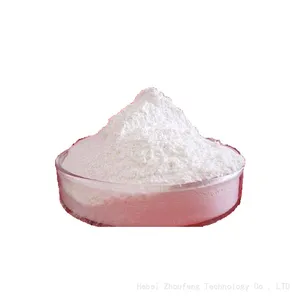
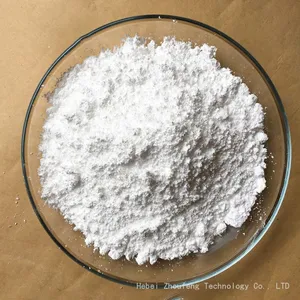
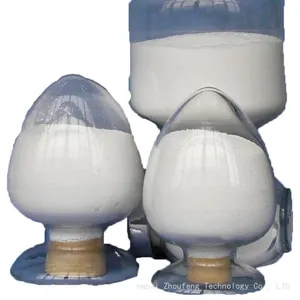
CAS 9005-37-2 Propylene Glycol Alginate (PGA) Widely Used in Food Daily Chemical Industry and Other Aspects
US$ 12.99 - 19.99
MOQ: 1 Kilogram
Key Specifications
Get Latest Price
Brand Name:
ZF
Place of Origin:
China
Model Number:
9005-37-2

Payment & Shipping
Payment Methods:


Port of Shipment:
Tianjin and Shanghai
Delivery Detail:
7 days
Related Products
-
 CAS 61791-59-1 Sodium Cocoyl Sarcosine Cocoyl Sodium Sarcosinate It's a Surfactant COCOYL SARCOSINE SODIUM SALTUS$ 2.99 - 9.99MOQ: 1 Kilogram
 -
CAS 142-47-2 L-aminoglutarate Sodium Salt Sodium Glutamate (MSG) Widely Used as Food Flavoring AgentUS$ 2.99 - 9.99MOQ: 1 Kilogram
-
CAS 90387-74-9 Sodium Cocoylglycinate Sodium Cocoyl Glycine Washing Emulsifier Used for Washing and Environmental ProtectionUS$ 1.99 - 4.99MOQ: 1 Kilogram
-
CAS 118-61-6 2-hydroxyphenyl Ester O-ethoxybenzoic Acid Used in Solution Organic Synthesis and SpicesUS$ 29.99 - 99.99MOQ: 1 Kilogram
-
ZHOUF CAS 84-51-5 3-ethylanthraquinone Photoinitiator EAQ Used in Industrial ManufacturingUS$ 2.99 - 9.99MOQ: 1 Kilogram
Brand Name
ZF
Place of Origin
China
Model Number
9005-37-2
Purity
99
EINECS No.
/
MF
(C9H14O70n
Other Names
Propyleneglycol alginate
CAS No.
9005-37-2
Usage
Cosmetic Raw Materials, Detergent Raw Materials, Hair Care Chemicals, Oral Care Chemicals
Appearance
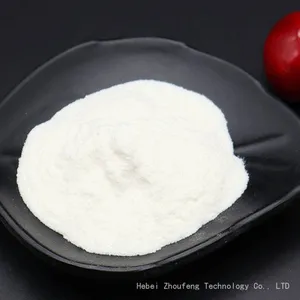
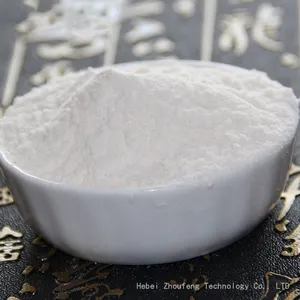
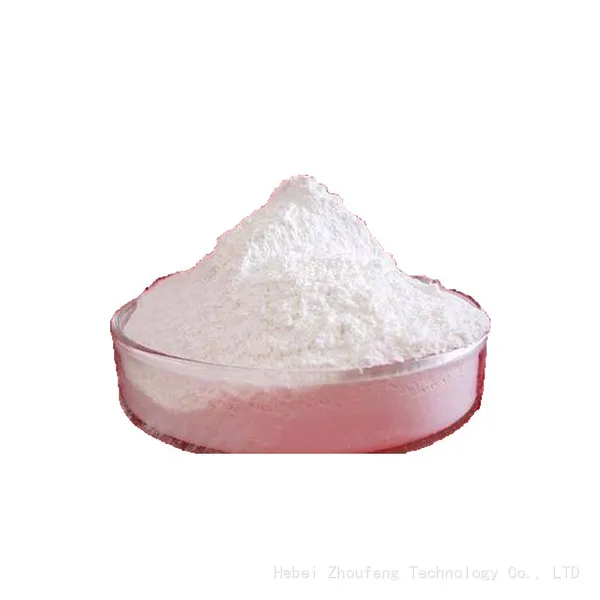
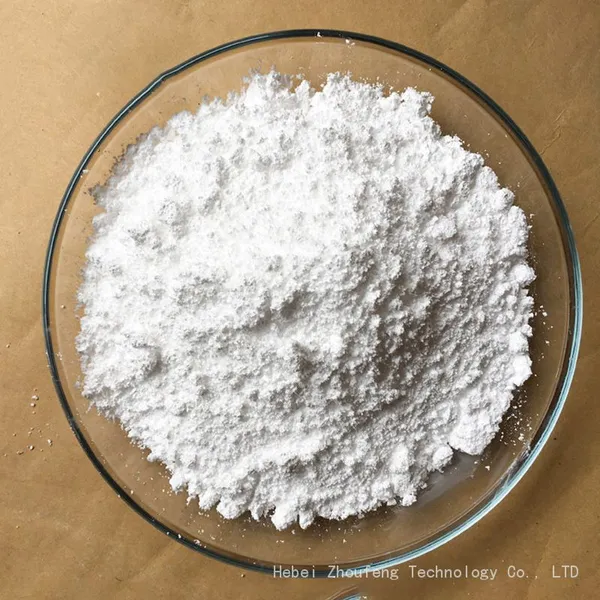
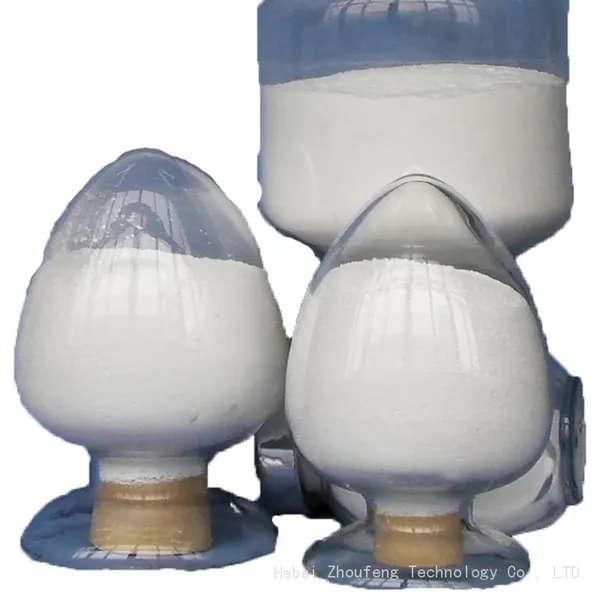
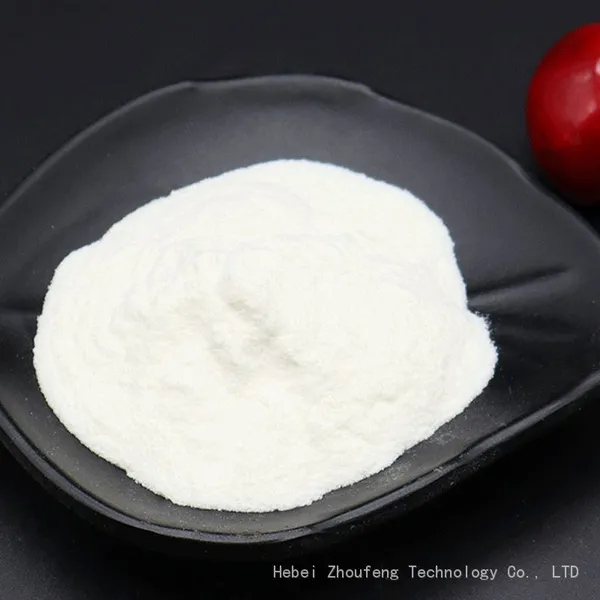
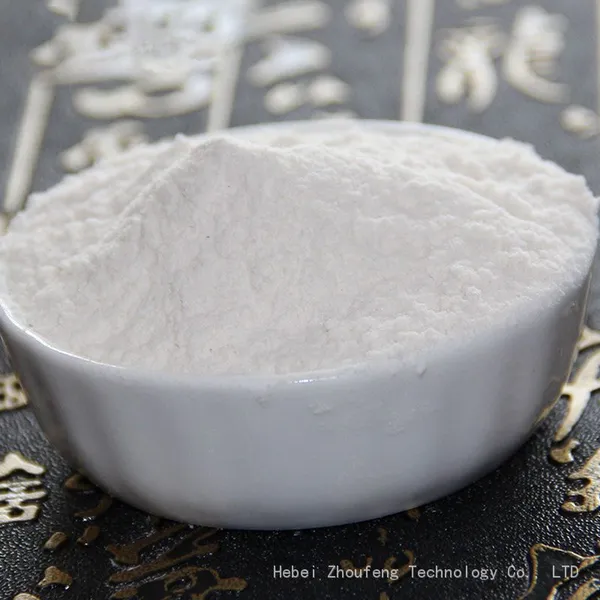
white powder
Product Description
Propyleneglycol alginate
Propylene glycol alginate, referred to as PGA, belongs to the class of alginate esters, part of the carboxyl group of alginate is esterified by propylene glycol (more than 90%), and the remaining 10% carboxyl group is free, or is neutralized by the base. Propylene glycol alginate is made by deep processing of alginate extracted from natural alginate. The appearance is white or yellow-white powder, almost odorless or slightly aromatic, tasteless, moisture-absorbing, easily soluble in cold water or warm water to form a viscous colloidal solution. Insoluble in methanol, ethanol, benzene and other organic solvents. The relative density is 1.46. Heating to 155 ° C, the color turns brown, to 220 ° C charring, 400 ° C gray.
We can send samples free of charge.
Product application
(1) Propylene glycol alginate has emulsification, thickening, expansion, acid resistance and stability. Especially in acidic products, it has the application effect that other additives can not be replaced. (2) There are lipophilic groups in propylene glycol alginate ester molecules, so it has emulsification, so it has a unique foam stabilization effect. Under acidic conditions, it has a good protein stabilizing effect. In acid solution, its viscosity increases with the increase of acid concentration. Placed at high temperatures for a long time, it will gradually become an insoluble substance. (3) In addition to the colloidal properties of propylene glycol alginate (PGA), due to the propylene glycol group in the molecule, it is oleophilic and has good emulsification stability, and is often used in lactic acid drinks, fruit juice milk drinks and other foods in the low pH range.
Specification
Packing & Delivery
According to export regulations, or according to customer demand
Please feel free to contact me if you have any question.

Send Inquiry to This Supplier


Main Markets
North America, South America, Eastern Europe, Southeast Asia, Africa, Oceania, Mid East, Eastern Asia, Western Europe, Central America, Northern Europe, Southern Europe, South Asia, Domestic Market
You May Also Like
-
CAS 108-55-4 Glutaric Anhydride Colloidal Anhydride Glutaric Anhydride For the Production of Rubber or PlasticUS$ 14.99 - 29.99MOQ: 1 Kilogram
-
ZHOUF CAS 104-66-5 Ethyl Diphenyl Ether 1 2-glycol Diphenyl Ether For Industrial UseUS$ 14.99 - 29.99MOQ: 1 Kilogram
-
CAS 705-86-2 Delta-undecanoolactone Tetrahydro-6-amyl-2-h-pyrane-2-one It is Mainly Used for Preparing Food FlavorUS$ 12.99 - 19.99MOQ: 1 Kilogram
-
CAS 818-61-1 Glycol Acrylate N-allylethanolamine Can be Used as Resin Crosslinking Agent Plastic Rubber Modifier and so onUS$ 2.99 - 9.99MOQ: 1 Kilogram
-
CAS 924-42-5 N-hydroxymethylacrylamide Widely Used in Resin Processing Dyes Plastic Adhesives Soil Stabilizers and so onUS$ 12.99 - 19.99MOQ: 1 Kilogram
-
CAS 931-36-2 2-ethyl-4-methyl-1H-imidazole 4-methyl-2-ethylimidazole Can be Used in Epoxy Resin or Electronics IndustryUS$ 12.99 - 19.99MOQ: 1 Kilogram
-
CAS 2016-42-4 1-tetradecylbenzene 1-aminotetradecane Can be Used in Surfactants Detergents EtcUS$ 2.99 - 9.99MOQ: 1 Kilogram
-
CAS 7773-06-0 Ammonium Sulfamate Used in Printing and Dyeing Building Materials Textile and Other IndustriesUS$ 2.99 - 9.99MOQ: 1 Kilogram
-
CAS 42978-66-5 Propylene Glycol Diacrylate It Can be Used in Coatings Adhesives Composites and Polymer IndustriesUS$ 2.99 - 9.99MOQ: 1 Kilogram
-
CAS 6790-58-5 Norambergris Ether Generally Dicyclodihydrohomoacacia Ether Used in High-grade Perfume and Cosmetic FlavorUS$ 2.99 - 9.99MOQ: 1 Kilogram