








 Contact Platform Support
 Help Center
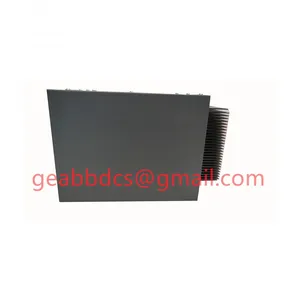
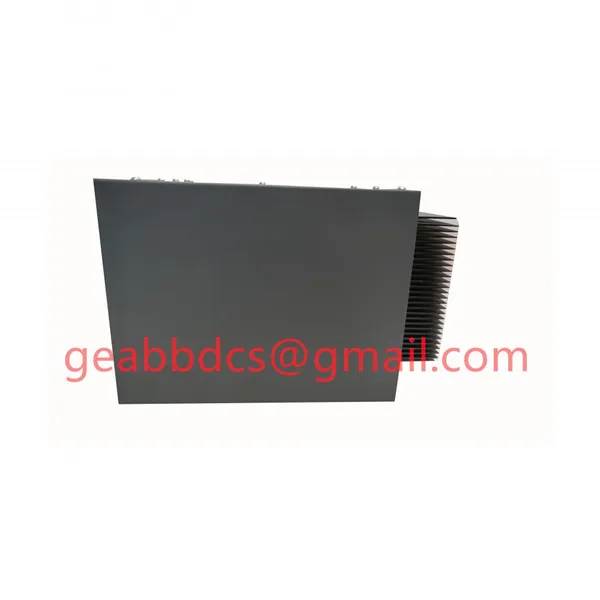
1TGE120020R0405 Inverter Module


Related Products
For electric motor products, there is a certain deviation in any parameter, and the factors that cause the deviation may be the manufacturing process of the motor itself, such as processing technology and processing deviation reasons, as well as changes in the power supply and load during the operation of the motor.
Any deviation of motor parameters may cause changes in the performance of the motor, such as voltage, current, vibration, and other directly visible parameter deviations. Some motor parameter deviations use absolute numbers, which refer to the deviation value of the actual value from the reference, such as the vibration, noise, and temperature rise of the motor; Most parameter deviations use relative values, which are the percentage of actual deviation from the reference, such as voltage and current deviations.
A colleague raised a question: what is the allowable deviation range when the parameters of the motor deviate, and how to choose the relative reference for the deviation? Today we will briefly discuss this issue with everyone.
Electric motor products correspond to many technical standards, some of which are universal standards, while others are specialized technical requirements standards. For example, GB/T 1032 and GB/T 14711 are two basic universal standards that provide specific specifications and requirements for motor testing and safety requirements. For different series of motors, specific parameter control requirements are proposed based on motor performance and applicable preferences, Most of these standards appear in the form of product technical conditions.
In the technical specifications of motor products, specific regulations are proposed for the performance requirements that motor products should meet. These regulations are the basic requirements for motor parameters, which can also be referred to as benchmarks. During the design, production, and use of motors, the requirements of the technical specifications should be followed without significant deviation.
The range and allowable values of deviations are also specified in the technical conditions of motor products. Some deviations are constraints on the normal operation of the motor, such as the constraints on the rated voltage during normal operation, which in turn indirectly constrain the rated current of the motor; Some parameter deviations are used as criteria for determining whether they are qualified or unqualified. For example, the temperature rise index of the motor is a rigid requirement, and as long as it exceeds the specified value, it is considered unqualified; When the noise index of the motor exceeds the allowable deviation specified data, it is considered unqualified.
Contact information: 15359293870
WhatsApp:+86 15359293870
Contact person: KELLY
Email: geabbdcs@gmail.com 386353502@qq.com
Official website:

Product Overview:
Motor: microsecond motor
Motor series: G series
Voltage: 220V
Inertia: medium inertia
Frame size: 60 frames
Rated power: 400W
Rated speed: 3000rpm
Encoder type: 23 bit single turn absolute encoder
Brakes: without brakes
Shaft extension specification: straight shaft with key-IP65
Outgoing method: aerial insertion

Send Inquiry to This Supplier


You May Also Like
-
RINT-5611CNegotiableMOQ: 1 Bag
-
DSMB-01C Variable Gas Power BoardNegotiableMOQ: 1 Bag
-
TC560V2 Optical ModemNegotiableMOQ: 1 Bag
-
UFC911B106 Automation System EquipmentNegotiableMOQ: 1 Bag
-
REF542PLUS Spare Parts for Control Device SystemNegotiableMOQ: 1 Bag
-
REF542PLUS Spare Parts for Control Device SystemNegotiableMOQ: 1 Bag
-
PP846 Programming PanelNegotiableMOQ: 1 Bag
-
PU516 Auxiliary Interface BoardNegotiableMOQ: 1 Bag
-
ACU-01B Air Control UnitNegotiableMOQ: 1 Bag
-
PP836A Operation PanelNegotiableMOQ: 1 Bag


