








 Contact Platform Support
 Help Center
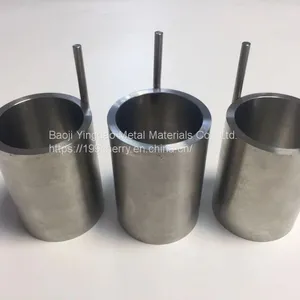
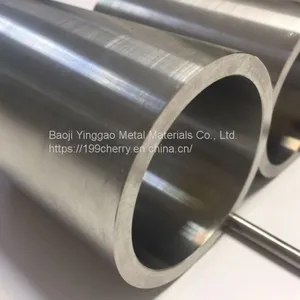
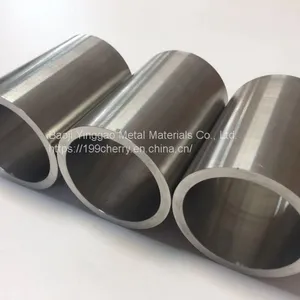
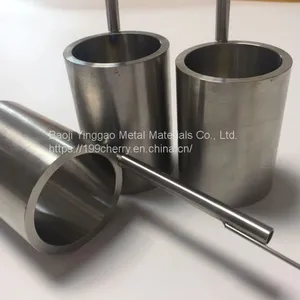
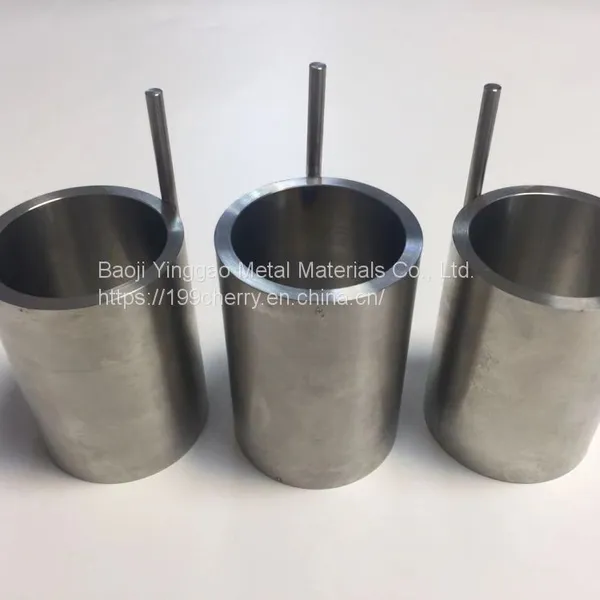
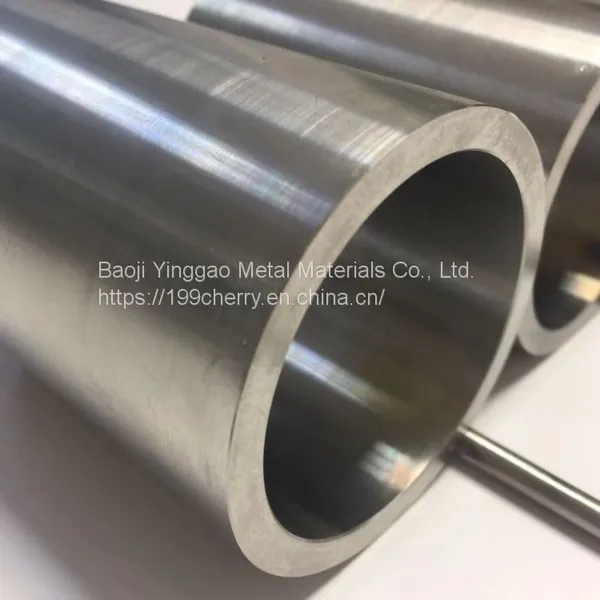
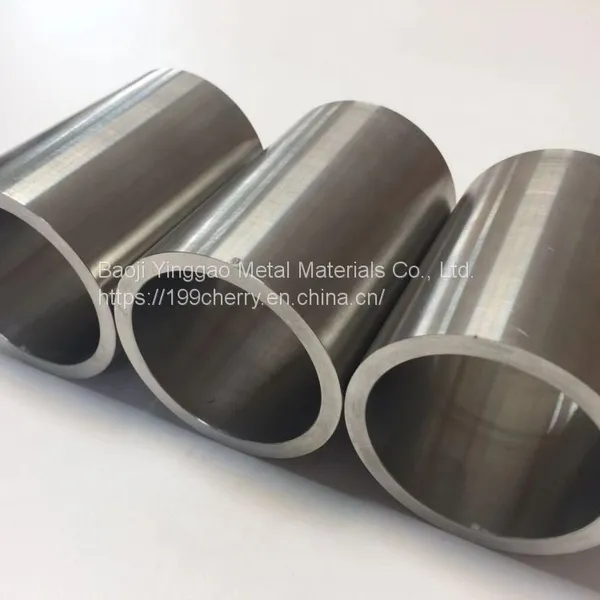
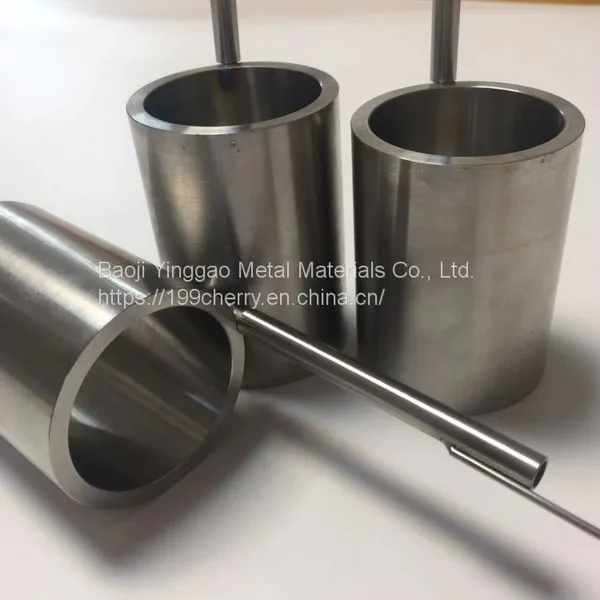
Titanium Processing Parts



Related Products
Titanium offers a high strength-to-weight ratio and superb corrosion resistance. Manufacturers use this tough metal widely as a constituent in components manufactured for the military, aviation, aerospace, medical, and consumer industries.
As a metal, titanium has become a very popular alloy because its properties include very high strength, coupled with excellent corrosion resistance. It has a variety of commercially useful forms: bars, wire, pipe, plate, tubing, sheets, forgings, and more.
Types and Grades of Titanium
Today, the ASTM International Materials Specifications standards provide detailed criteria for grading commercially available titanium metals. Different manufacturers employ various grades of titanium to produce customized parts. The intended purpose of a component usually influences the selection of the specific grade.
In the United States, both titanium and titanium dioxide occur extensively in customized products. A few of the most popular grades of pure titanium on the marketplace today include:
Grade 1: A soft, ductile titanium offering excellent corrosion resistance.
Grade 2: A stronger titanium product that also supplies excellent corrosion resistance.
Grade 3: One of the strongest widely available types of pure titanium.
Grade 4: Pure titanium offering high strength but low ductility.
Grade 7: A pure form of titanium widely used in desalination plants (resembling Grade 2). It furnishes sought-after corrosion resistance properties.
Features
1. Has a longer useful lifespan. While every mechanical part will eventually wear out, items formed from titanium tend to enjoy longer anticipated useful lifespans than comparable parts crafted from weaker metals, such as aluminum.
2. Friendly to the human body. Since titanium offers strength but does not cause allergic reactions in most living organisms, it also plays an important role in medical and dental settings. High-quality joint replacement implants frequently utilize titanium.
These products benefit from the metal’s ability to withstand sudden fractures. Biomedical manufacturers strive to design permanent implants using non-allergenic materials that will not require surgical removal.
3. High strength and resistance to harsh or corrosive environments. In recent years, companies manufacturing jewelry, golf clubs, and luxury cars have also begun using titanium and titanium alloys. The metal’s high strength and its resistance to harsh or corrosive environments make it a sought-after material. For example, it sometimes contributes to automotive frameworks.

Send Inquiry to This Supplier


You May Also Like
-
 DSA Titanium Electrode for WatertreatmentUS$ 5 - 100MOQ: 1 Piece
 -
Sintered Titanium Felt for LGDLUS$ 10 - 100MOQ: 1 Piece
-
Customized Titanium Fiber Felt for Fuel CellUS$ 10 - 100MOQ: 1 Piece
-
Ti-Based Gas Diffusion Layer Anode Titanium GDLUS$ 5 - 100MOQ: 1 Piece
-
0.4mm Ti Felt for LGDL in PEM ElectrolyzerUS$ 10 - 100MOQ: 1 Piece
-
Platinized Titanium Fiber Felt Gas Diffusion LayersUS$ 10 - 100MOQ: 1 Piece
-
30mesh Platinum Coated titanium anode mesh ScreenUS$ 5 - 100MOQ: 1 Piece
-
Customized Standard Gr1 Titanium Flange ManufacturerUS$ 5 - 100MOQ: 1 Piece
-
Mixed-metal Coated Titanium Anodes for Trivalent Chromium PlatingUS$ 5 - 100MOQ: 1 Piece
-
Platinum Coated Porous Titanium Plates Electrolyzers Hydrogen ProductionUS$ 5 - 100MOQ: 1 Piece


