








 Contact Platform Support
 Help Center
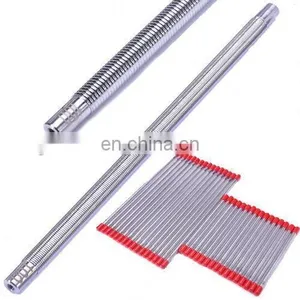
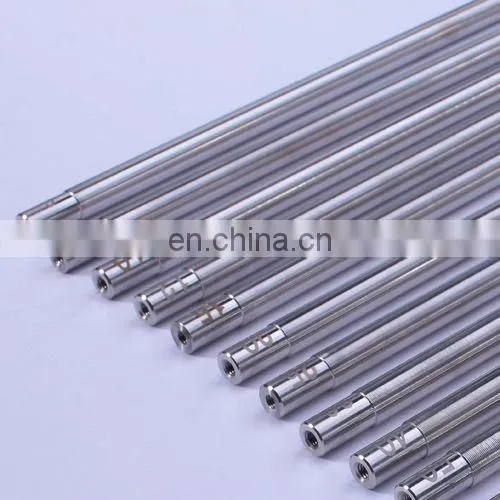
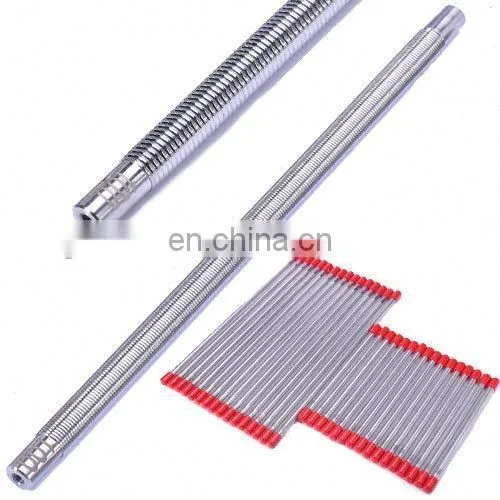
New Technology Stainless Steel MAYER Bar Rod

Related Products
-
 J-FQY Salt Spray Testing Chamber for CoatingNegotiableMOQ: 1
 -
Automatic Film ApplicatorNegotiableMOQ: 1
-
Lab Use Three Roller Grinders Three Roller Mill Triple Roller MillNegotiableMOQ: 1
-
Explosion Proof Exsproof Large Cheaper EX Air Drive High-speed Dispersing Machine Shake Lift by Hand For Paint Ink CoatingNegotiableMOQ: 1
-
Digital Cupping TesterNegotiableMOQ: 1
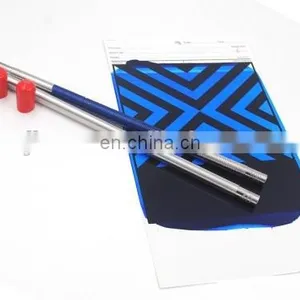
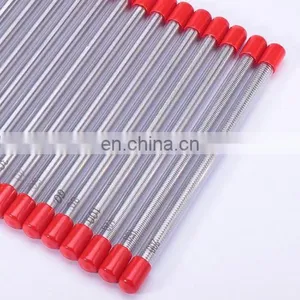
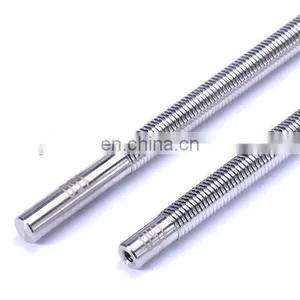
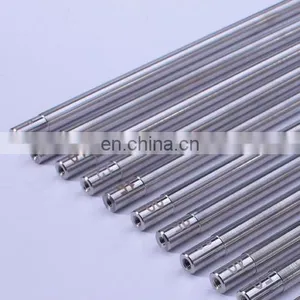
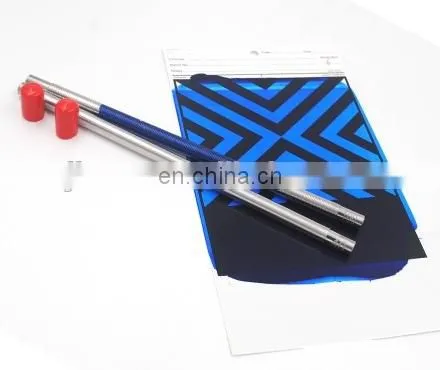
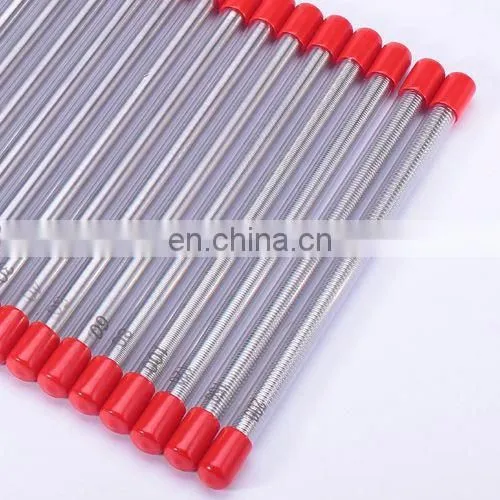
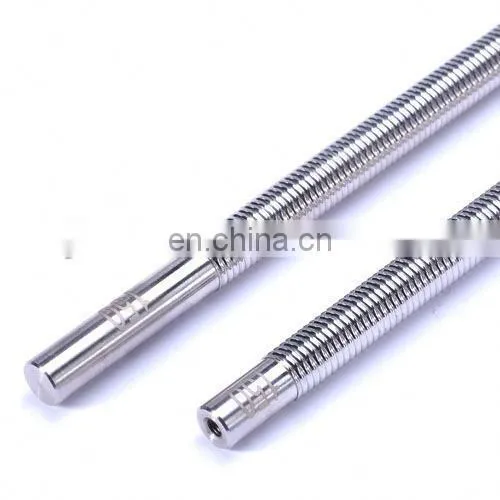
JIURAN bar applicator is a fully new generation technology against traditional wire bar, ideal for the application of inks and coatings onto flexible materials such as paper, card, textiles, leather, automatic film applicator and etc.
The wet film thickness applied is controlled by the area of the groove between the coils of bar,the minimium thickness can be reach to 6μm.
Feature:
A.Not peel off
B.Easy to clean
C.Apply to 6μm
Cited Germany advanced equipment and technology, and foreign advanced bar chaff, after many failures and improvement made. Determined to play the most advanced, best, most affordable bars.
Comparative Advantage
Traditional bar coating device is in the bar surface to be coated steel wire wound, the thin wire surface is easily broken loose, and easy to clean, it can not be super-thin film coating.
Traditional bar deficiencies:
1. easy to loose broken wire
2. easy to clean
3. can not be ultra-thin film coating
Bar advantages:
1. easy to clean, it can be used repeatedly.
2. advanced extrusion technology, no broken wires hand injury worries.
3. can be ultra-thin coating.
4. high accuracy, to solve production and experimental Scratch horizontal, vertical unevenness
5. better surface finish, so as to achieve a better smear effect.
6. after surface polishing treatment, better concentricity.
7. eliminating transportation costs, prices are more affordable.
8. Every item is 100% inspected and individually packaged.
Theory and Principle.
The coating thickness is governed by the area of the groove between the coils of wire as shown in the diagram. This groove or space allows the right amount of coating to pass through. The amount that has passed through flows out or congeals, leaving a smooth, uniform thickness on the substrate. The groove area is determined by the size of the wire, hence, the larger the wire, the larger the groove. Accurate thickness of coating from fractions of a mil and up can be achieved with this coating method. The desired thickness can be repeated again and again with little loss of time and expense. Applicator Rods are available in any length, a variety of diameters and almost any wire size. They are manufactured of ground and polished steel and the very finest of wires.
Cleaning effect of contrast
Application.
•Adhesives •Board •Cellulose •Ceramic Colors
•Cosmetics •Driers •Duplicating Inks •Emulsions
•Fillers •Polishes •Lacquers •pigments
•Powders •Oils •Paper •Photographic Papers
•Plastics •Inks •Resins •Varnishes
•Waxes & Hotmelts
Use and Procedure.
Drawdowns are an inexpensive method of making laboratory samples to determine coating thickness, substrate penetration, fluid compatibility, bond strength, etc. Drawdown rods enable the technician to perform these tests with a minimum of effort.
The procedure is as follows:
Drawdown In Use
Drawdown Plate and Rod
Attach (or tape) a sample of the most suitable substrate to the glass surface of the Drawdown Plate.
Using a spatula, place a small pool of coating liquid near the top of the sample sheet.
Immediately grasp the ends of the Drawdown Rod. Using the thumbs of both hands to keep the rod from bowing or bending away from the sample, draw the rod down through the liquid pool spreading and metering the fluid across the sample sheet. As the drawdown is made, note the behavior of the coating and any possible reaction with the substrate. (Note: It may be convenient to construct a small trough of cardboard to catch the excess liquid as it is drawn to the bottom edge of the drawdown board.) Immerse rod in Cleaning Tray after use.
The coated sample is now ready for testing.
If the coating application is too thin, use a rod with a larger diameter wire. Hence, if the coating is too thick, use a rod with a smaller diameter wire.
The wet film thickness shows the wet film thickness that may be obtained from a given wire size. However it is impossible to chart exact film thickness for all coatings since there are so many variables. The wet film thickness is based on 100% solids, no evaporation, no penetration into the substrate. Rod diameter and rod pressure may also affect film thickness. The chart is intended to serve as a guide only in selecting wire size.
JR-I Ordering Info.
Cat.No |
Film Width(mm) |
Total Length(mm) |
|
6um |
200 |
240 |
|
8um |
200 |
240 |
|
10um |
200 |
240 |
|
12um |
200 |
240 |
|
15um |
200 |
240 |
|
20um |
200 |
240 |
|
25um |
200 |
240 |
|
30um |
200 |
240 |
|
40um |
200 |
240 |
|
50um |
200 |
240 |
|
Additional Specification:60,80,100,120,150,200um | |||
JR-II Ordering Info.
Cat.No |
Film Width(mm) |
Total Length(mm) |
|
| 6um | 300 | 400 | |
8um |
300 |
400 |
|
10um |
300 |
400 |
|
12um |
300 |
400 |
|
15um |
300 |
400 |
|
20um |
300 |
400 |
|
25um |
300 |
400 |
|
30um |
300 |
400 |
|
40um |
300 |
400 |
|
50um |
300 |
400 |
|
60um |
300 |
400 |
|
80um |
300 |
400 |
|
100um |
300 |
400 |
|
120um |
300 |
400 |
|
150um |
300 |
400 |
|
200um |
300 |
400 |
|
prices for domestic shipments only. | |||
Comes complete with
Wire bar coaters
Storage Case

Send Inquiry to This Supplier

You May Also Like
-
Cleam Room Air ShowerNegotiableMOQ: 1 Set
-
Jiangsu Automatic Glassware WasherNegotiableMOQ: 1
-
Microprocessor PID Control Accurate and Stable Vacuum Drying OvenNegotiableMOQ: 1 Set
-
School Laboratory Furniture Stainless Steel Sink Laboratory pp Sink Supplier's ChoiceUS$ 16 - 50MOQ: 1 Set
-
High Quality Competitive Price 20ML 100 ML 1000 ML Various Sizes Various Shapes of Plastic Measuring CupUS$ 3 - 10MOQ: 1 Piece
-
Factory Supply Standard Cryogenic Storage TanksUS$ 21,790 - 28,000MOQ: 1 Piece
-
Slide Box(15pcs;25pcs;60pcs;120pcs)NegotiableMOQ: 100 Pieces
-
New Cheap -86 Cryo Rack Freezer Rack Storage RackUS$ 40 - 60MOQ: 1 Piece
-
Wholesale Top Table Plastic LabwareUS$ 0.6 - 1MOQ: 2000 Pieces
-
Reverse Usable Digital Temperature Indicator / From 40 to 70 Deg.CUS$ 23 - 45MOQ: 40 Units


