








 Contact Platform Support
 Help Center
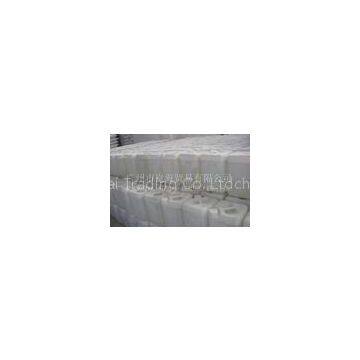
Hydrofluoric Acid / HF For Etchant And Cleaning Agent



Related Products
-
 Anhydrous Hydrogen Fluoride For Pharmaceutical Chemical And Electronic IndustryNegotiableMOQ: 1 Set
 -
Sodium Aluminium Fluoride Alf3 Mineral Fluorspar Power In ChemicalNegotiableMOQ: 1
-
Metallurgical Grade Mineral Fluorspar Powder Dry CaF2 97%-98%NegotiableMOQ: 1 Piece
-
Ceramic Grade Mineral Fluorspar , Calcium Fluoride Powder CaF2 80%-89%NegotiableMOQ: 1 Piece
-
Acid Grade Fluorspar Mineral Powder Wet CaF2 97%-98% SiO2 1%-1.5%NegotiableMOQ: 1 Piece
Certification:SGS,GB 7744-1998
Hydrofluoric Acid/ HF For Etchant And Cleaning Agent
Specifications:
|
ELEMENTS |
SUPERIOR |
GRADE I |
GRADE II |
||||
|
HF-40 |
HF-40 |
HF-55 |
HF-60 |
HF-40 |
HF-55 |
HF-60 |
|
|
HF-%min |
40 |
40 |
55 |
60 |
40 |
55 |
60 |
|
H2SiF6-%max |
0.02 |
0.2 |
0.5 |
0.5 |
0.6 |
1.0 |
1.0 |
|
H2SO4-%max |
0.02 |
0.05 |
0.08 |
0.1 |
0.6 |
0.8 |
1.0 |
|
Fe-%max |
0.005 |
0.01 |
-- |
-- |
-- |
-- |
-- |
Description:
Hydrofluoric acid (HF) is a solution of hydrogen fluoride in water. It is a valued source of fluorine and is a precursor to numerous pharmaceuticals such as fluoxetine (Prozac) and diverse materials such as PTFE (Teflon).
Hydrofluoric acid is a highly corrosive acid, capable of dissolving many materials, especially oxides. Its ability to dissolve glass has been known since the 17th century, even before hydrofluoric acid had been prepared in large quantities by Carl Wilhelm Scheele in 1771.[2] Because of its high reactivity toward glass and moderate reactivity toward many metals, hydrofluoric acid is usually stored in plasticcontainers (although PTFE is slightly permeable to it).
Hydrogen fluoride gas is an acute poison that may immediately and permanently damage lungs and the corneas of the eyes. Aqueous hydrofluoric acid is a contact-poison with the potential for deep, initially painless burns and ensuing tissue death. By interfering with body calcium metabolism, the concentrated acid may also cause systemic toxicity and eventual cardiac arrest and fatality, after contact with as little as 160 cm2 (25 square inches) of skin.
Applications:
Oil refining
In a standard oil refinery process known as alkylation, isobutane is alkylated with low-molecular-weightalkenes (primarily a mixture of propylene and butylene) in the presence of the strong acid catalystderived from hydrofluoric acid. The catalyst protonates the alkenes (propylene, butylene) to produce reactive carbocations, which alkylate isobutane. The reaction is carried out at mild temperatures (0 and 30 °C) in a two-phase reaction.
Production of organofluorine compounds
The principal use of hydrofluoric acid is in organofluorine chemistry. Many organofluorine compoundsare prepared using HF as the fluorine source, including Teflon, fluoropolymers, fluorocarbons, andrefrigerants such as freon.
Production of fluorides
Most high-volume inorganic fluoride compounds are prepared from hydrofluoric acid. Foremost are Na3AlF6, cryolite, and AlF3, aluminium trifluoride. A molten mixture of these solids serves as a high-temperature solvent for the production of metallic aluminium. Given concerns about fluorides in the environment, alternative technologies are being sought. Other inorganic fluorides prepared from hydrofluoric acid include sodium fluoride and uranium hexafluoride.
Etchant and cleaning agent
The ability of hydrofluoric acid to dissolve metal oxides is the basis of several applications. It removes oxide impurities from stainless steel, a process called pickling, and silicon wafers in the semiconductor industry. In this reg

Send Inquiry to This Supplier

You May Also Like
-
GTQ5-12 Heavy Duty High Power Utility Wire Straightening Cutting MachineUS$ 3,000 - 4,000MOQ: 1 Set
-
Copper Aluminum Round Hollow Steel Tube Pipe Straightener MachineUS$ 2,500 - 3,500MOQ: 1 Set
-
Steel Bar Straightening Machine For Steel Tube For SaleUS$ 2,460 - 3,560MOQ: 1 Set
-
HUA KUI Armored Cable Straightening Machine Armored Thermocouple Unrestricted Machine HYPGJ-01CUS$ 1,500 - 1,700MOQ: 1 Set
-
Frame StraightenerNegotiableMOQ: 1
-
GT-TZ10B Customized 10 Group Straightening Machine Chinese Factory Horizontal Straighten Machine Tube Straighten Machine Pipe Straithen EquipmentNegotiableMOQ: 1 Set
-
Steel Wire Straightening and Cutting MachineUS$ 800MOQ: 1 Set
-
Low/Middle/High Carbon Steel Straightening Machine Steel Wire Drawing Machine for Drawing WireUS$ 6000 - 8000MOQ: 1 Set
-
Coil Feed Laser Blanking LineNegotiableMOQ: 1 Piece
-
Flatten Machine for Aluminium Sheet and Copper SheetUS$ 30000 - 250000MOQ: 1 Set


