








 Contact Platform Support
 Help Center
Home > Manufacturing & Processing Machinery > Machinery for Food, Beverage & Cereal > Pet Food Processing Machinery > Sell Neoprene Wetsuit for Scuba Diving, Surfing, Kayaking & Canoeing
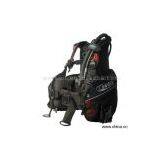
Sell Neoprene Wetsuit for Scuba Diving, Surfing, Kayaking & Canoeing
Negotiable
MOQ: 250 Sets (Price negotiable depending on order volume and customization)
Key Specifications
Get Latest Price
Business Type:
Trading Company
Year Established:
1995
Total Employees:
101 - 200 People
Payment & Shipping
Payment Methods:


Port of Shipment:
China
Delivery Detail:
7 days
Related Products
-
 Sell Neoprene Wetsuits / Hot Skin Batwing 3mm HoodNegotiableMOQ: 2 Pieces
 -
Sell Neoprene Amara PU Gloves for Water SkiingNegotiableMOQ: 2 Sets
-
Sell Neoprene NBR Buoyancy Vest PFDNegotiableMOQ: 500 Sets
-
Sell Neoprene Wet Suit Full Steamer (Blind Stitch 3 x 2mm)NegotiableMOQ: 500 Sets
-
Sell Neoprene Bike Descent Element Shoe CoversNegotiableMOQ: 2 Kilograms
Model No.:S-5000BC
Product Origin:China
Brand Name:OEM
Price Terms:CIF, FOB
Payment Terms:T/T, L/C
Certification:CE
Description:There are many types of wet suits, they offer freedom of movement and span a range of water temperatures. Suits designed for scuba diving are vastly different. Wetsuits are made from neoprene, a stretchy synthetic rubber material. They are made out of several of these pieces of neoprene stitched together to cover the desired body parts. Wetsuits come as shorties, full suits and some even have detachable arms and legs. The neoprene comes in different thickness, from 1.5 to 9 mm. The thicker, the neoprene is warmer in the suit. Surfers who brave extreme cold conditions usually wear a semi-dry suit. Steps: 1) Understand the relationship between suit thickness, designated in millimeters, and body warmth. A 4-3 full suit is 4 mm thick in the body and 3 mm thick in the arms and legs, and is the best choice for water that's 50 to 60°F (10 to 16°C). For even colder water, get a 5-mm hooded suit. If you rarely see temperatures this low, consider one that's 1 or 2 mm thick 2) Decide what kind you need. A suit with cut-off arms and legs is called a shorty and is good whenever maximum freedom of movement is needed. A full suit extends to your wrists and ankles, and is necessary for colder water. A farmer john has full legs and no arms. It's favored by paddlers and is the bottom layer for scuba divers 3) Inspect the seams. The better the construction, the warmer the suit. In a high- quality seam, the edges of the material meet flush, are glued and sewn into place, and are then covered by a strip of cloth. Cheaper seams can leave a small hump and exposed stitching 4) Try on different brands. You want a snug fit that doesn't constrict your movement or breathing. All suits enlarge slightly with use. Avoid suits that bag around your waist or ankles 5) Set your budget according to how often you'll use your wet suit. An inexpensive shorty costs about USD60, while a better-quality one may be USD100. An inexpensive full suit is about USD150 to USD200. A top-quality full suit is USD250 to USD350 6) Choose a wet suit for children based on the same criteria. Pint-sized wet suits range from USD50 to USD100. Keep in mind that kids often grow out of a wet suit before they wear it out, which makes finding a good used one a smart move. As they grow, kids want to spend more time in the water, which requires buying a better suit. Comfortable and warm for fishing lovers Features: 1) Cute designs 2) Portable and easy to cover the reel 3) Quality neoprene glued with nylon 4) OEM service offered Packing: Polybag and carton
Product Origin:China
Brand Name:OEM
Price Terms:CIF, FOB
Payment Terms:T/T, L/C
Certification:CE
Description:There are many types of wet suits, they offer freedom of movement and span a range of water temperatures. Suits designed for scuba diving are vastly different. Wetsuits are made from neoprene, a stretchy synthetic rubber material. They are made out of several of these pieces of neoprene stitched together to cover the desired body parts. Wetsuits come as shorties, full suits and some even have detachable arms and legs. The neoprene comes in different thickness, from 1.5 to 9 mm. The thicker, the neoprene is warmer in the suit. Surfers who brave extreme cold conditions usually wear a semi-dry suit. Steps: 1) Understand the relationship between suit thickness, designated in millimeters, and body warmth. A 4-3 full suit is 4 mm thick in the body and 3 mm thick in the arms and legs, and is the best choice for water that's 50 to 60°F (10 to 16°C). For even colder water, get a 5-mm hooded suit. If you rarely see temperatures this low, consider one that's 1 or 2 mm thick 2) Decide what kind you need. A suit with cut-off arms and legs is called a shorty and is good whenever maximum freedom of movement is needed. A full suit extends to your wrists and ankles, and is necessary for colder water. A farmer john has full legs and no arms. It's favored by paddlers and is the bottom layer for scuba divers 3) Inspect the seams. The better the construction, the warmer the suit. In a high- quality seam, the edges of the material meet flush, are glued and sewn into place, and are then covered by a strip of cloth. Cheaper seams can leave a small hump and exposed stitching 4) Try on different brands. You want a snug fit that doesn't constrict your movement or breathing. All suits enlarge slightly with use. Avoid suits that bag around your waist or ankles 5) Set your budget according to how often you'll use your wet suit. An inexpensive shorty costs about USD60, while a better-quality one may be USD100. An inexpensive full suit is about USD150 to USD200. A top-quality full suit is USD250 to USD350 6) Choose a wet suit for children based on the same criteria. Pint-sized wet suits range from USD50 to USD100. Keep in mind that kids often grow out of a wet suit before they wear it out, which makes finding a good used one a smart move. As they grow, kids want to spend more time in the water, which requires buying a better suit. Comfortable and warm for fishing lovers Features: 1) Cute designs 2) Portable and easy to cover the reel 3) Quality neoprene glued with nylon 4) OEM service offered Packing: Polybag and carton

Send Inquiry to This Supplier

Mrs Flora Chen
China Jiangsu International Economic-Technical Cooperation Corp.
Xi'an, Shaanxi, China
* Email
Want the best price?
Post an RFQ now!
Business Type
Trading Company
Year Established
1995
Total Employees
101 - 200 People
Main Markets
North America, South America, Eastern Europe
You May Also Like
-
Baking Machine Sunflower Seeds Peanut Cashew Nut Chestnut Roasting Processing Machine Nut Baking Machine Electric Nut RoasterUS$ 492 - 830MOQ: 1 Set
-
Stable Working Milk Defatter / Cream Milk Separator / Skimming Milk Machine For MilkNegotiableMOQ: 1 Set
-
GELGOOG Automatic Chocolate Mini Cone Line|Ice Cream Cone Production LineUS$ 30000 - 100000MOQ: 1 Set
-
Public RelationsNegotiableMOQ: 1 Set
-
MANPOWER SUPPLY ServiceNegotiableMOQ: 1 Set
-
Titanium DioxideNegotiableMOQ: 1 Set
-
TapNegotiableMOQ: 1 Set
-
Recycled RubberNegotiableMOQ: 1 Set
-
Sell Men's Business SuitNegotiableMOQ: 1 Set
-
2017 SENY New Small Maamould Encrusting Machine Industrial Sweet Food Processing MachineUS$ 200 - 5,888MOQ: 1 Set


