








 Contact Platform Support
 Help Center
Woven Geotextile
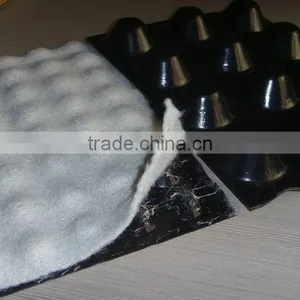
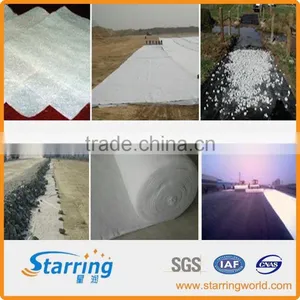
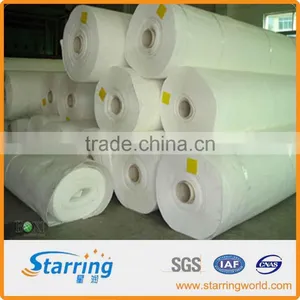
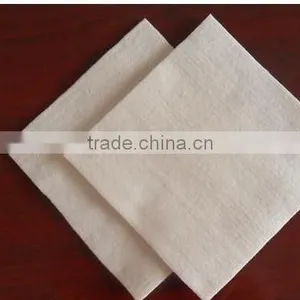
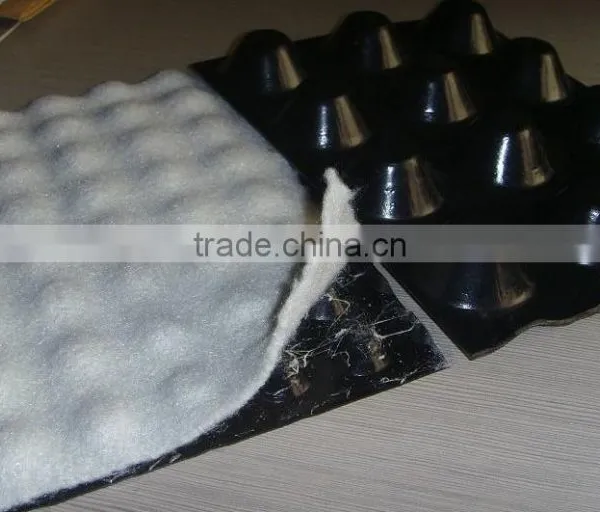
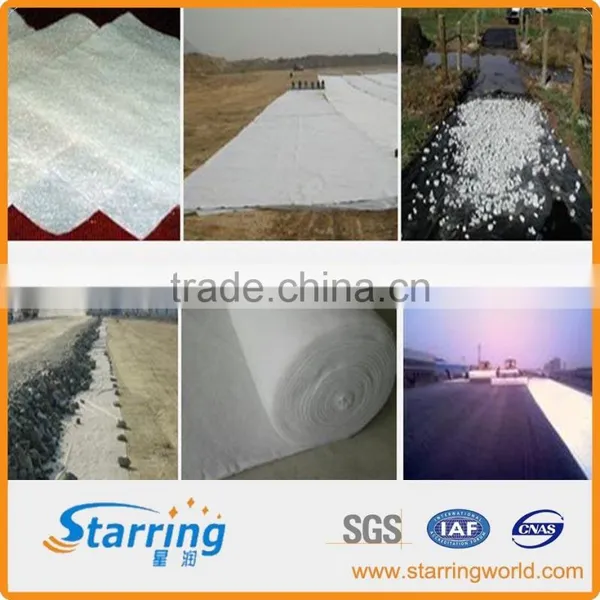
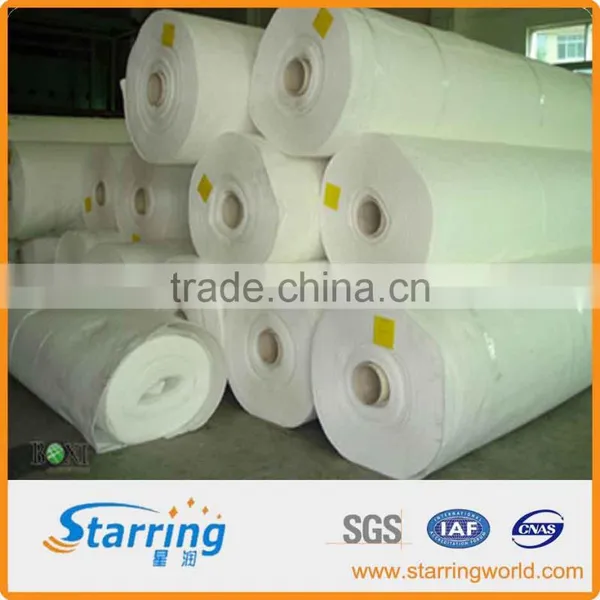
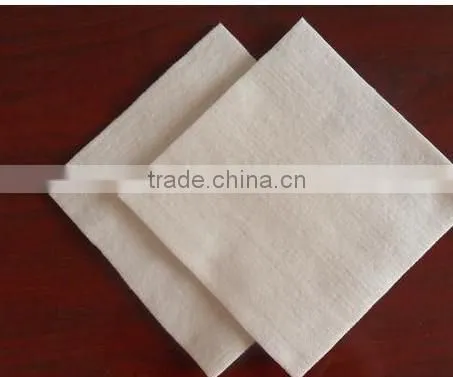
US$ 0.85 - 0.85
MOQ: 1000 Square Meters
Key Specifications
Get Latest Price
Place of Origin:
Shandong, China
Brand Name:
Starring
Model Number:
ST--Geotextiles
Payment & Shipping
Payment Methods:


Port of Shipment:
QINGDAO
Delivery Detail:
Delivery time depends on order quantity.
Related Products
-
 Nonwoven GeotextileUS$ 1 - 1MOQ: 1000 Square Meters
 -
Woven GeotextileUS$ 0.88 - 0.88MOQ: 1000 Square Meters
-
pp Woven GeotextileUS$ 0.55 - 0.55MOQ: 1000 Square Meters
-
Geotextile FabricUS$ 1.2 - 1.2MOQ: 1000 Square Meters
-
300g Woven Geotextile for Road ConstructionUS$ 0.45 - 0.45MOQ: 1000 Square Meters
Place of Origin
Shandong, China
Brand Name
Starring
Model Number
ST--Geotextiles
Geotextile Type
Woven Geotextiles
Method of Construction
Step 1
Form the path tray
- excavate the tray as for an aggregate path, with the exception that the depth does not need to reach a solid base
- form a base that is level and even for laying the geotextile
- remove any protruding bog wood, stone or boulders to prevent distortion or puncturing of the matting
- if the peat is very wet, or has no vegetative content, form the tray depth and sides with good size turfs, after laying matting
Step 2
Lay the geotextile matting
- line the path tray with the geotextile matting, cutting it to the required width
- to take up curves and bends in the path either fold the matting or cut it to suitable lengths, allowing an overlap of at least 300mm
- secure folds or overlaps with larger aggregate stone to prevent them protruding up through the path material
- if the matting is laid wider than the path place large turves, or boulders, over it to secure and form the required path tray width
- to prevent aggregate migration into the peat, or peat into the path structure, the matting may be folded halfway up the tray sides
- to prevent subsequent exposure at the path edges tuck folded up matting back from the path tray and dig under the surrounding vegetation, or place turfs over the top
Step 3
Lay the geogrid
- where required, lay the geogrid over the matting, cut to the required path width, and for bends in the path alignment; as with the matting joins should overlap by 300mm
- where there is an excess on either side, due to the variable path width, it should be dug into the tray edges, or, if the matting is folded up, cut to the exact size
- the geogrid should not curve up the tray sides; it is important that no geogrid edges are left exposed after the surface has been laid and compacted
Step 4
Incorporate drainage features
- construct drainage features as for an aggregate path, with the exception that geotextile should be laid to continue into construction trenches
- for ease of laying, and to provide additional strength, cut the geotextile to allow a full overlap across the drainage trench width
Step 5
Construct the aggregate path.
- take care to prevent any puncturing of the matting when laying and compacting the lower layer of base, or sub-base material
- care is also required if moving aggregate along the prepared path tray with a powered track barrow; minimise the number of movements as far as possible
Step 6
Edge finishing
- make sure that any turfs already laid are effective in covering the geotextile and containing the aggregate
- the path edges may require further turfing and landscaping, to define the line and ‘soften’ the appearance
- use excess turf and spoil from the tray excavation to re-instate any eroded or damaged ground, and for in-filling any borrow pits (see Introduction to Restoration Techniques)

Send Inquiry to This Supplier

Business Type
Trading Company
Year Established
2010
Factory Size
Below 1,000 square meters
Total Employees
11 - 50 People
You May Also Like
-
High Tensile Strength Long Fiber Geotextile Anti-aging Reinforcement For Soft Soil Foundation StabilizationUS$ 6 - 8.99MOQ: 100 Square Meters
-
GeotextileNegotiableMOQ: 2600 Rolls
-
2"x4"mesh Wire Backed Silt Fence Direct FactoryUS$ 10 - 20MOQ: 1 Roll
-
Polyester Long Fiber Continuous Filament Spunbond Needle Punched Nonwoven GeotextileUS$ 0.18 - 1.7MOQ: 5000 Square Meters
-
Everelegant Flood Sandbags Non Woven Fabric Geobag Geotextile Bag High DutyUS$ 0.26MOQ: 1000 Pieces
-
Customized Geotextile Bags for Enviormental ProtectionUS$ 0.7 - 0.75MOQ: 10000 Units
-
Wandafu Greenhouse Planting Heavy-Dut Landscape Gardening Weed Barrier MatUS$ 0.18 - 0.19MOQ: 10000 Square Meters
-
High-Strength Geotextile - Durable, Permeable for Road Construction & Drainage ProjectsUS$ 2 - 3MOQ: 100 Cubic Meters
-
YS020S Geotextile Vertical Water Permeability TesterNegotiableMOQ: 1 Unit
-
Polymer Protective Drainage Profiled Sheet Four-way Siphon Drainage Trough GeotextileNegotiableMOQ: 0


