








 Contact Platform Support
 Help Center
Gold Jewellery Manufacturing Process



Related Products
-
 Important of Iso and Waste Minimization in Mineral Processing PlantEUR 1 - 1MOQ: 1 Ton
 -
Manufacturing Process of Manganese Sulphate Company in IndiaEUR 1 - 1MOQ: 1 Ton
-
Important of Iso and Waste Minimization in Mineral Processing PlantEUR 1 - 1MOQ: 1 Ton
-
Process When Minerals Slowly Replace Dead Plant and Animal TissueEUR 1 - 1MOQ: 1 Ton
-
Multotec Mineral Processing EquipmentJPY 1 - 1MOQ: 1 Short Ton
Introduction
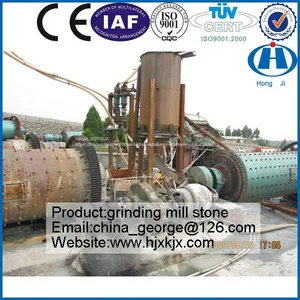
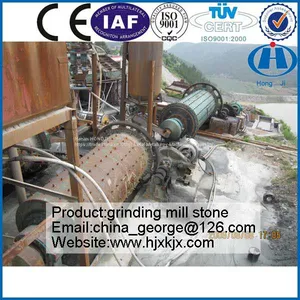
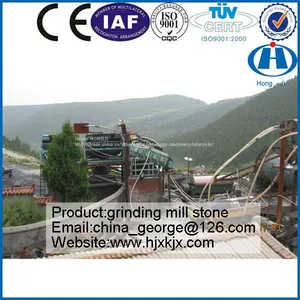
Mineral processing plant can involve four general types of unit operation: Crushing – particle size reduction; Sizing – separation of particle sizes by screening or classification; Concentration by taking advantage of physical and surface chemical properties; Dewatering – solid/liquid separation
Production Flow
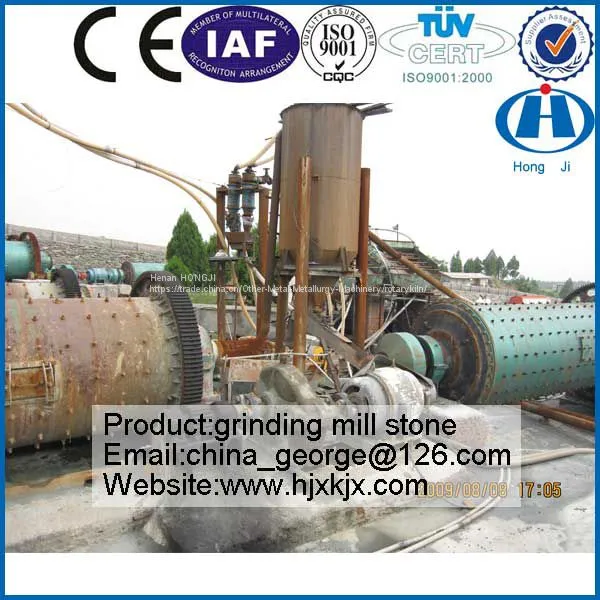
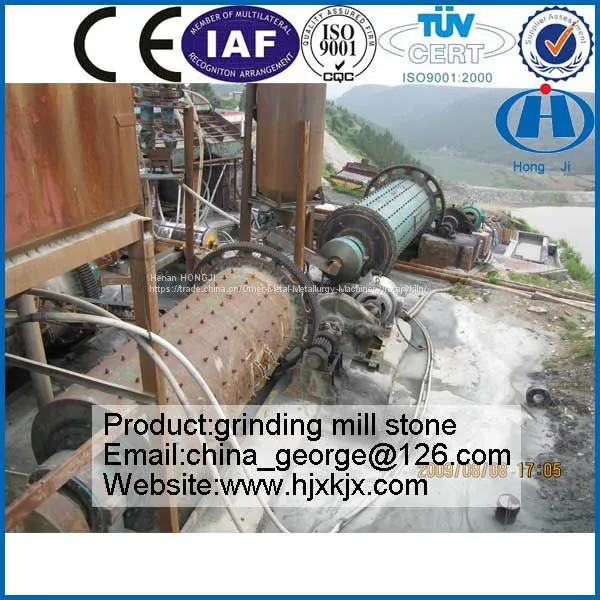
1.Crushing and Grinding Process
Crushing is particle size reduction of materials. Crushing may be carried out on either dry materials or slurries. Crushing and
grinding are the two primary comminution processes. Crushing is normally carried out on "run-of-mine" ore, while grinding (normally carried out after crushing) may be conducted on dry or slurried material.
2.Sizing (Screenin) Process
Sizing is the general term for separation of particles according to their size.
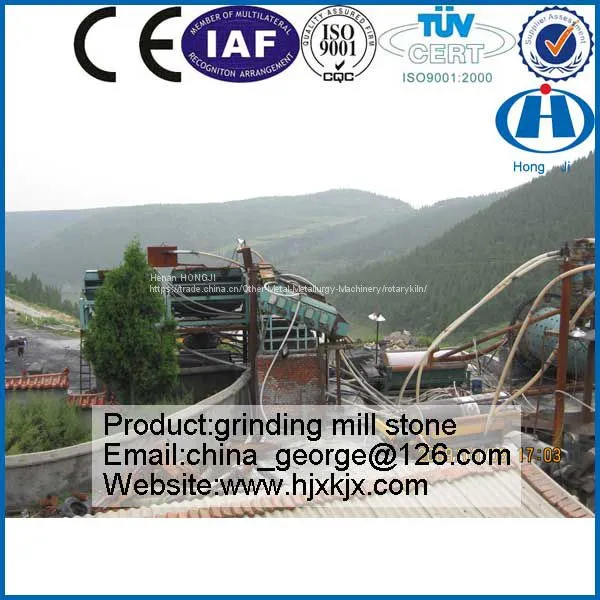
The simplest sizing process is screening, or passing the particles to be sized through a screen or number of screens. Screening equipment can include grizzlies, bar screens,wedge wire screens, radial sieves, banna screens, multi-deck screens, vibratory screen, fine screens, flip flop screens and wire mesh screens. Screens can be static (typically the case for very coarse material), or they can incorporate mechanisms to shake or vibrate the screen.
Some considerations in this process includes the screen material, the aperture size, shape and orientation, the amount of near sized particles, the addition of water, the amplitude and frequency of the vibrations, the angle of inclination, the presence of harmful materials, like steel and wood, and the size distribution of the particles.
3.Concentration Process
There are a number of ways to increase the concentration of the wanted minerals: in any particular case the method chosen will
depend on the relative physical and surface chemical properties of the mineral and the gangue. Concentration is defined as the
number of moles of a solute in a volume of the solution.
4.Dewatering Process
Dewatering is an important process in mineral processing. The purpose of dewatering is to remove water contained in particles. These processes increase in difficulty and cost as the particle size decreases.
Dewatering screens operate by passing particles over a screen. The particles pass over the screen while the water passes through the apertures in the screen. This process is only viable for coarse ores that have a close size distribution as the apertures can allow small particles to pass though and are not able to be produced for small particles.
Sedimentation operates by passing water into a large thickener or clarifier. In these devices, the particles settle out of the
slurry under the effects of gravity or centripetal forces. These are limited by the surface chemistry of the particles and the size
of the particles. To aid in the sedimentation process, floculants and coagulants are added to reduce the repulsive forces between the particles. This repulsive force is due to the double layer formed on the surface of the particles. The floculants work by binding multiple particles together while the coagulants work by reducing the thickness of the charged layer on the outside of the particle.
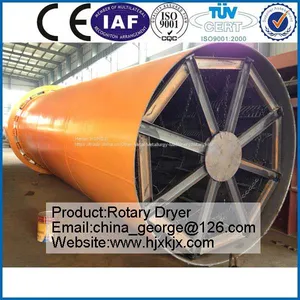
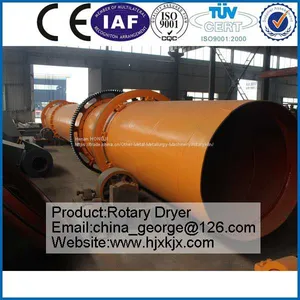
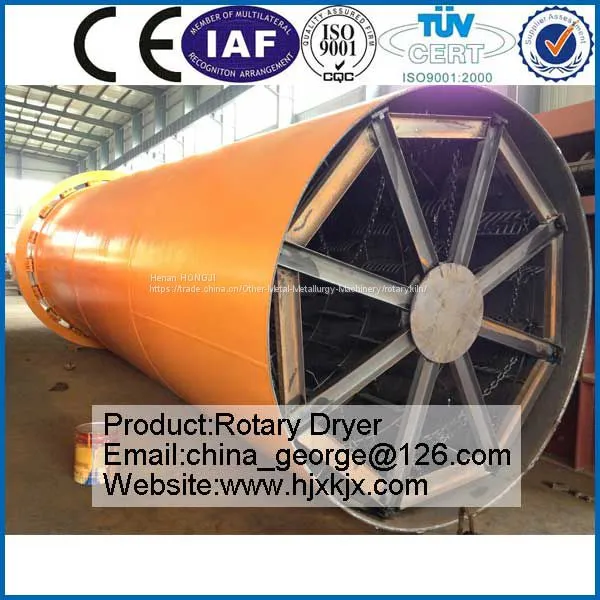
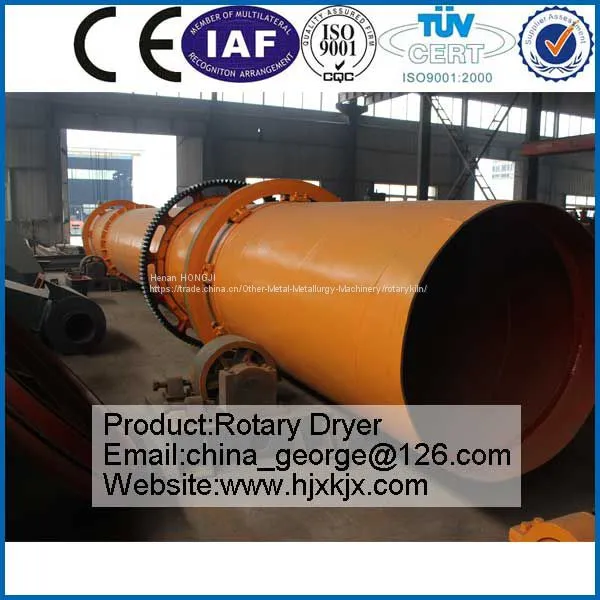
Thermal drying is usually used for fine particles and to remove low water content in the particles. Some common processes include rotary dryers, fluidised beds, spray driers, hearth dryers and rotary tray dryers.
For More Details Please do not hesitate to contact us via the following method
Email:china_george@126.com
Quick Lime, Cement Clinker Rotary Kiln
website:

Send Inquiry to This Supplier
You May Also Like
-
Quora Cpu Gold Degrees of SeparationEUR 1 - 1MOQ: 1 Ton
-
Questionnaire for Manganese and Processing in GeographyEUR 1 - 1MOQ: 1 Ton
-
Silico Manganese Production Capacity in India 2016EUR 1 - 1MOQ: 1 Ton
-
Why do You Need a Gold Separator in a MineEUR 1 - 1MOQ: 1 Ton
-
Manganese Processing PlantEUR 1 - 1MOQ: 1 Ton
-
Methylcyclopentadienyl Manganese Tricarbonyl Plant Production Plant for SaleEUR 1 - 1MOQ: 1 Ton
-
China Minerals Water Plastics Processing Plants Contact DetailsEUR 1 - 1MOQ: 1 Ton
-
Mineral Processing Plant CommissioningEUR 1 - 1MOQ: 1 Ton
-
Direct Heated Rotary Dryer PriceEUR 1600 - 2600MOQ: 1 Set
-
Design of Sand Drying SystemEUR 1600 - 2600MOQ: 1 Set


